The year 1960 marked a pivotal turning point in cinema history, characterized by the dismantling of traditional studio censorship, the rise of international new wave movements, and the birth of the modern psychological thriller and blockbuster. This cinematic epoch redefined narrative boundaries, visual aesthetics, and cultural taboos across global filmmaking.
The cinematic output of 1960 sits at a fascinating intersection between the classical Hollywood studio era and the advent of New Hollywood. During this twelve-month span, filmmakers challenged the rigid moral codes of the Production Code Administration while simultaneously embracing bold, independent financing models. From the shocking psychological depths of Alfred Hitchcock’s Psycho to the gritty realism of Karel Reisz’s Saturday Night and Sunday Morning, motion pictures from this year demonstrated that the silver screen could act as a vehicle for profound social commentary, artistic subversion, and technical innovation.
Understanding the legacy of 1960 in film requires an examination of how shifting industry economics, censorship battles, and international aesthetic currents converged to alter the trajectory of the medium permanently.
The Collapse of the Production Code and the Rise of Adult Themes
For decades, the Motion Picture Production Code—often referred to as the Hays Code—dictated strict moral boundaries for American movies. By 1960, these guidelines were increasingly untenable as foreign imports and independent productions successfully bypassed traditional distribution channels without receiving official seal approvals. The year 1960 accelerated this erosion, primarily through landmark releases that dealt explicitly with violence, sexuality, and moral ambiguity.
Alfred Hitchcock’s Psycho stands as the definitive text of this shifting paradigm. Produced independently on a relatively modest budget through Shamley Productions and distributed by Paramount Pictures, the film featured explicit violence, sexuality, and an unpunished criminal act that directly violated the spirit of the Production Code. When Janet Leigh’s character was killed off in the opening act—an unprecedented narrative maneuver for a major star—and Norman Bates’ severe psychological pathologies were explored without moralizing intertitles, the industry realized that audiences craved complex, transgressive storytelling.
Similarly, European imports challenged American sensibilities by treating mature subjects with artistic gravity rather than sensationalism. Michelangelo Antonioni’s L'Avventura, released in 1960, baffled Cannes Film Festival audiences before winning the Jury Prize, introducing a modernist cinematic grammar focused on alienation, ennui, and unresolved narrative mysteries. These shifts proved that cinema was maturing into a sophisticated, director-driven medium capable of exploring the darker recesses of human consciousness.
Technological Innovations and Aesthetic Revolutions
The aesthetic landscape of 1960 cinema was heavily shaped by both technological advancements and deliberate rejections of studio artifice. Filmmakers sought out new ways to capture reality, leading to the proliferation of lightweight cameras, faster film stocks, and synchronized sound recording techniques that liberated crews from the confines of soundstages.
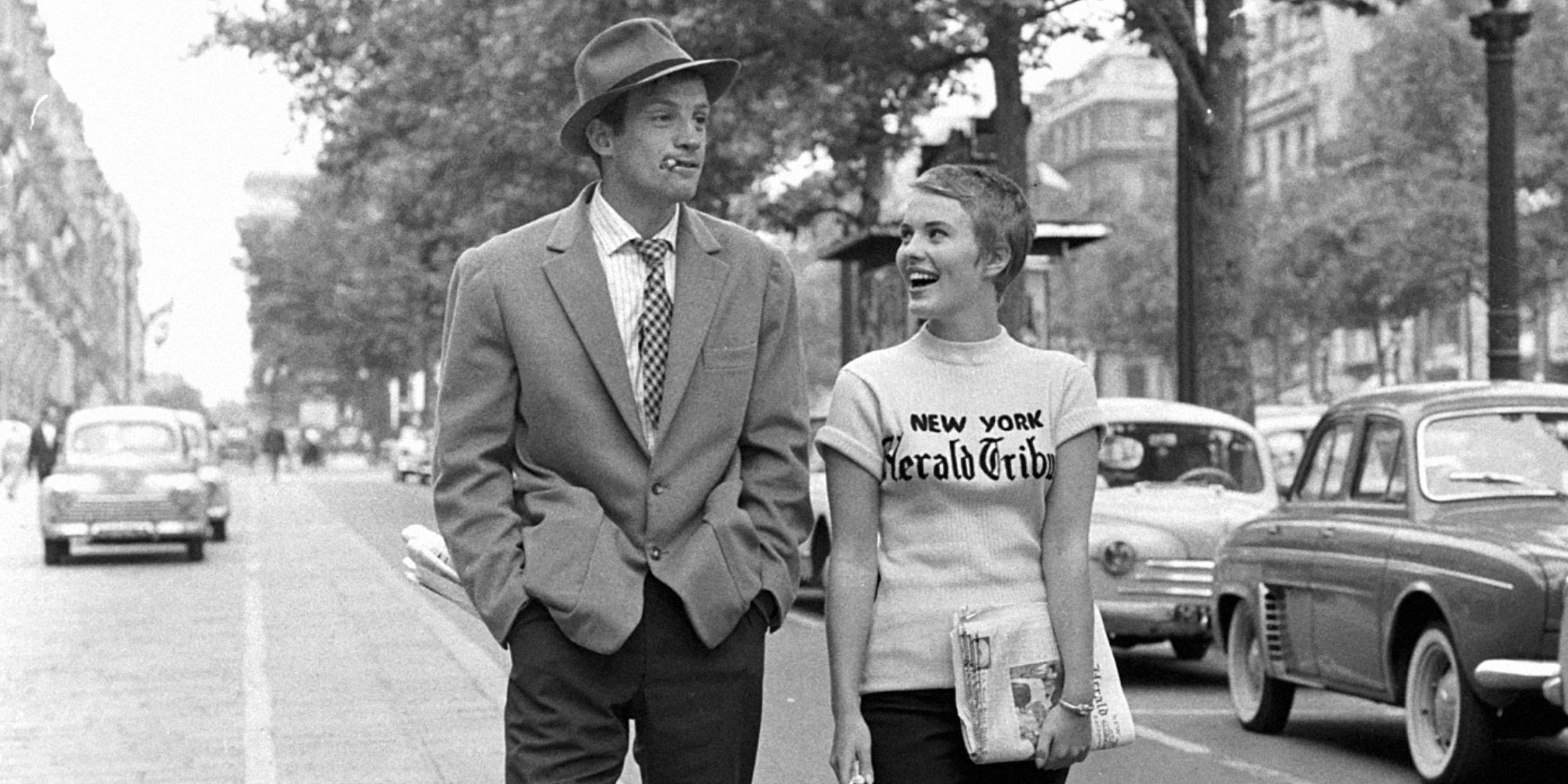
In France, the Left Bank and Cahiers du Cinéma critics-turned-directors solidified the French New Wave, though Jean-Luc Godard’s Breathless (À bout de souffle), released in early 1960, became its most electrifying manifesto. Utilizing handheld cameras, natural lighting, and radical jump cuts that violated classical Hollywood continuity editing rules, Godard imbued his crime narrative with a spontaneous, essayistic energy. This style resonated globally, encouraging domestic and international directors to abandon polished studio gloss in favor of raw authenticity.
| Film Title | Director | Country of Origin | Primary Aesthetic / Genre |
|---|---|---|---|
| Psycho | Alfred Hitchcock | United States | Psychological Horror / Thriller |
| Breathless | Jean-Luc Godard | France | French New Wave / Crime Drama |
| L'Avventura | Michelangelo Antonioni | Italy | Modernist Art Film / Drama |
| Peeping Tom | Michael Powell | United Kingdom | Psychological Horror / Thriller |
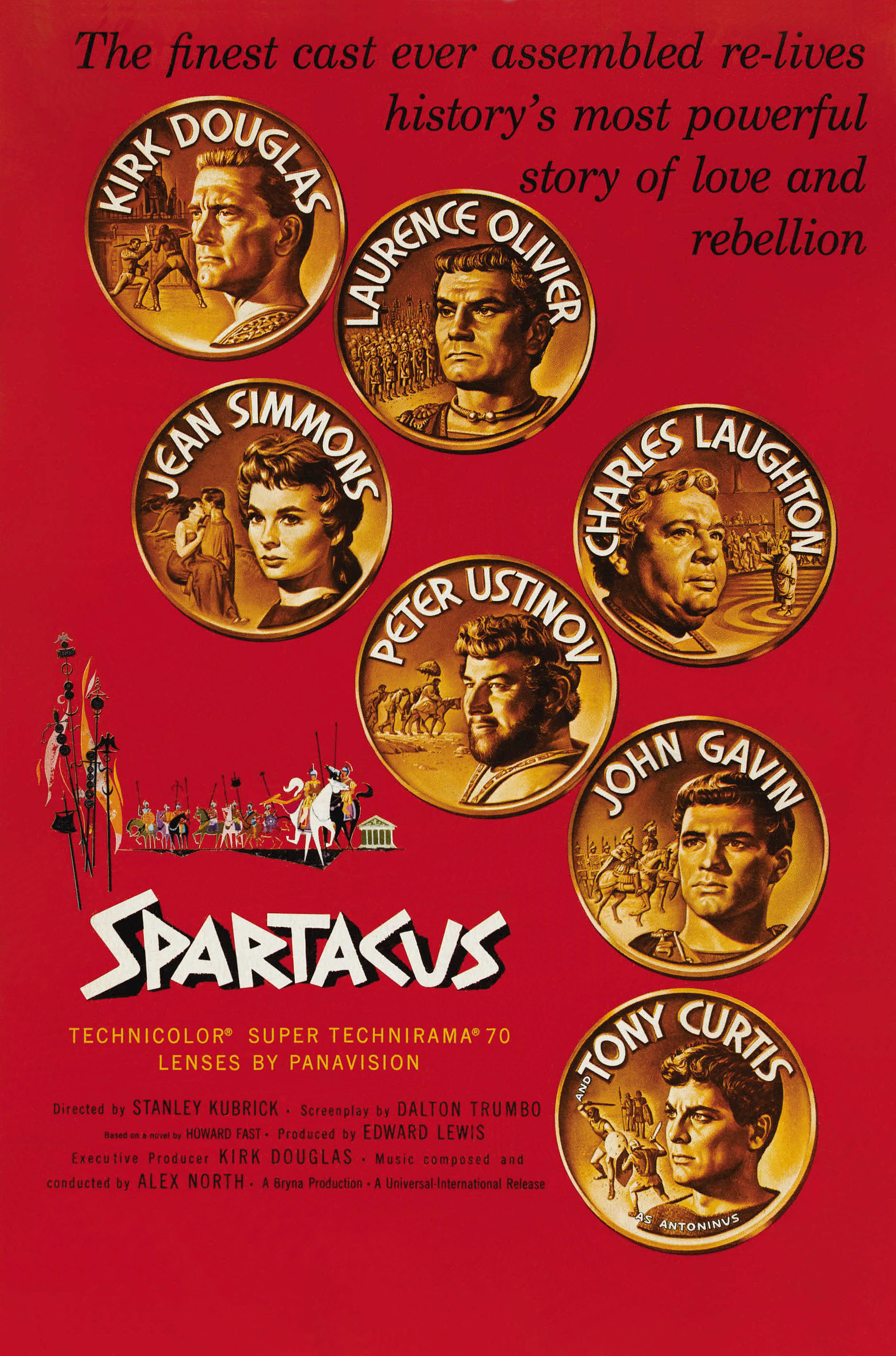
| Spartacus | Stanley Kubrick | United States | Epic Historical Drama |
At the same time, large-scale historical epics demonstrated the opposite end of the technological spectrum. Stanley Kubrick’s Spartacus showcased the capabilities of Super Technirama 70 widescreen photography and multi-channel stereophonic sound. Yet, even within the constraints of the mega-budget historical epic, 1960 signaled industry evolution: screenwriter Dalton Trumbo, blacklisted during the Red Scare, received open on-screen credit for Spartacus, a monumental step toward breaking the Hollywood blacklist and restoring artistic freedom to persecuted creators.
Genre Subversion: Horror, Noir, and the Epic
Genre conventions underwent radical transformations in 1960, as filmmakers took established formulas and subverted them to reflect contemporary anxieties. The horror genre, in particular, experienced a dual shockwave with the simultaneous releases of Psycho and Michael Powell’s British psychological thriller Peeping Tom.
While Psycho relocated terror from Gothic castles and supernatural monsters to an ordinary roadside motel, Peeping Tom explored the mechanics of the cinematic gaze itself, forcing the audience to identify directly with a serial killer through the lens of his own camera. The critical backlash against Peeping Tom upon its initial release was severe, effectively stalling Powell’s directorial career in the UK, yet history has vindicated it as a masterclass in meta-cinematic critique.
In the realm of crime and noir, Japanese cinema was also redefining genre expectations. Akira Kurosawa’s The Bad Sleep Well utilized corporate corruption as the backdrop for a modern adaptation of Shakespeare’s Hamlet, proving that genre cinema could serve as a biting critique of post-war capitalism and institutional decay. Meanwhile, American westerns and melodramas were increasingly infused with psychological depth, paving the way for the cynical, revisionist storytelling that would dominate the late 1960s and 1970s.
The Economics of Film Production and Distribution
The financial architecture of the film industry shifted dramatically around 1960. The traditional studio system, crippled by the 1948 Paramount Consent Decrees that forced studios to divest their theater chains, relied less on stable, long-term talent contracts and more on package-unit production deals. Independent producers, star actors, and visionary directors increasingly formed their own production companies to negotiate profit-participation agreements rather than fixed salaries.
This economic decentralization gave rise to both runaway production—where Hollywood studios shot films abroad to take advantage of lower labor costs and foreign tax subsidies—and the flourishing of true independent cinema. Low-budget producers like Roger Corman capitalized on youth culture and changing demographic tastes, releasing exploitation and genre films that yielded massive profit margins. Corman’s The House of Usher, released in 1960, initiated a lucrative cycle of Edgar Allan Poe adaptations for American International Pictures, demonstrating that distinct visual style and atmospheric world-building could compensate for tight shooting schedules and modest budgets.
Assessing the Enduring Legacy of 1960 Cinema
The historical weight of 1960 in film lies not merely in the individual masterpieces it produced, but in the blueprint it established for modern cinematic art and industry. By proving that challenging, morally complex, and aesthetically radical films could achieve commercial viability, the era emboldened subsequent generations of filmmakers.
Today, film historians and archivists view 1960 as a vital bridge year. It retained the grand spectacle of classical Hollywood while injecting the skeptical, formalist, and rebellious spirit of modernism. As streaming platforms and digital archives make these historical works more accessible than ever, contemporary audiences continue to trace the lineage of modern psychological suspense, independent filmmaking, and global art cinema directly back to this extraordinary cinematic milestone.
Frequently Asked Questions
What made 1960 such an important year in film history?
The year 1960 was a watershed moment because it saw the simultaneous breakdown of classical Hollywood censorship rules, the international rise of the French New Wave, and the release of groundbreaking psychological thrillers like Psycho that permanently changed how mainstream cinema handled violence and moral ambiguity.
How did Psycho change the American film industry?
Alfred Hitchcock’s Psycho challenged the rigid constraints of the Production Code by featuring explicit violence, sexual situations, and unsympathetic characters. Its massive box-office success proved that audiences were ready for darker, more mature subject matter, paving the way for the end of the Hays Code.
What was the significance of the French New Wave in 1960?
The release of Jean-Luc Godard’s Breathless in 1960 popularized French New Wave techniques such as handheld camerawork, natural lighting, and unconventional editing. These methods liberated filmmakers from studio soundstages and inspired independent movements worldwide.
Did the 1960 film industry still rely on traditional studio systems?
While major studios still financed and distributed large-scale epics like Spartacus, the industry was actively transitioning toward independent package-unit productions, profit-participation deals, and international co-productions following the decline of the studio-owned theater chains.
Where can classic films from 1960 be watched today?
Many films from 1960 are available on specialized streaming platforms dedicated to classic, arthouse, and independent cinema, such as the Criterion Channel, as well as physical media releases from boutique distribution labels like the Criterion Collection and Arrow Video.
Next Actions for Film Enthusiasts
To deepen your understanding of this cinematic era, begin by curating a watch-list that pairs mainstream American milestones like Psycho and Spartacus with international masterworks such as Breathless and L'Avventura. Comparing these distinct national approaches provides a comprehensive view of how diverse cultural and economic pressures shaped the medium. For further academic context, explore critical texts on the dissolution of the Hollywood Production Code and the history of international modernist cinema.