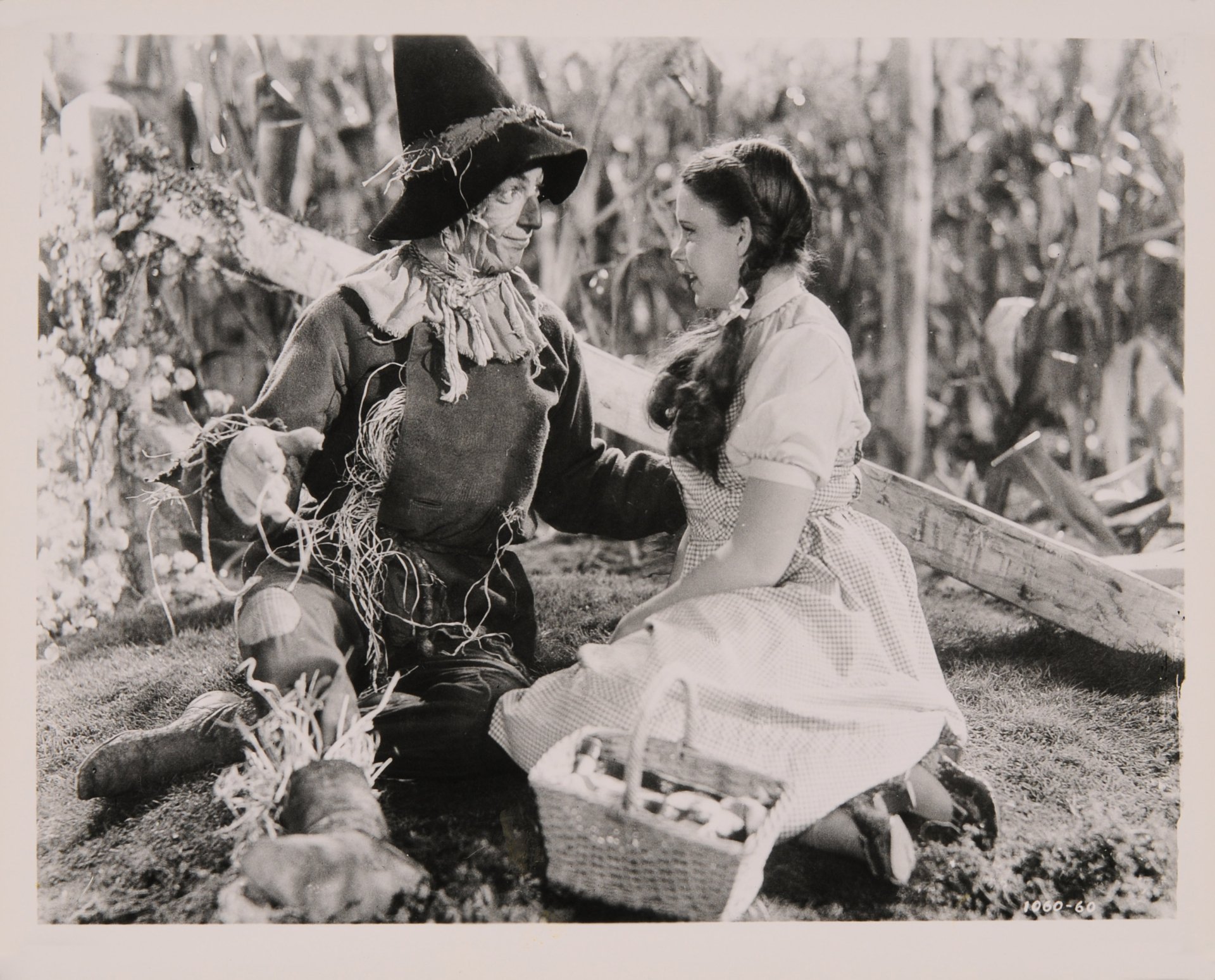
The year 1939 stands as an extraordinary watershed moment in motion picture history, marked by an unprecedented convergence of creative talent, technological maturation, and institutional stability within the Hollywood studio system. Often celebrated by historians as the pinnacle of the classic Hollywood era, this twelve-month span produced a staggering array of enduring masterpieces that reshaped narrative conventions, popularized Technicolor, and cemented cinema as a dominant global art form.
The Industrial Context of Classical Hollywood in 1939
To understand why 1939 became such a legendary year for motion pictures, one must examine the institutional framework of the American film industry at the time. Operating under the height of the studio system model, major production companies like Metro-Goldwyn-Mayer, Warner Bros., Paramount Pictures, 20th Century-Fox, and RKO Pictures maintained rigid vertical integration. These corporations owned the means of production, distribution, and exhibition through extensive theater chains. This financial stability, combined with guaranteed weekly outputs, provided studios with the resources to take massive creative risks and invest heavily in ambitious, high-budget productions.
Furthermore, the studio system fostered a stable pool of contracted talent, including directors, cinematographers, costume designers, and actors who honed their crafts across dozens of films per year. This factory-like efficiency did not stifle creativity; rather, it created an ecosystem where technical proficiency reached its absolute zenith. Writers, editors, and special effects technicians worked in close collaboration on studio lots, solving narrative and visual problems with remarkable ingenuity. The sheer volume of output ensured that creative personnel were constantly active, refining the visual language of cinema through relentless practice and experimentation.
Technological Advancements and Aesthetic Shifts
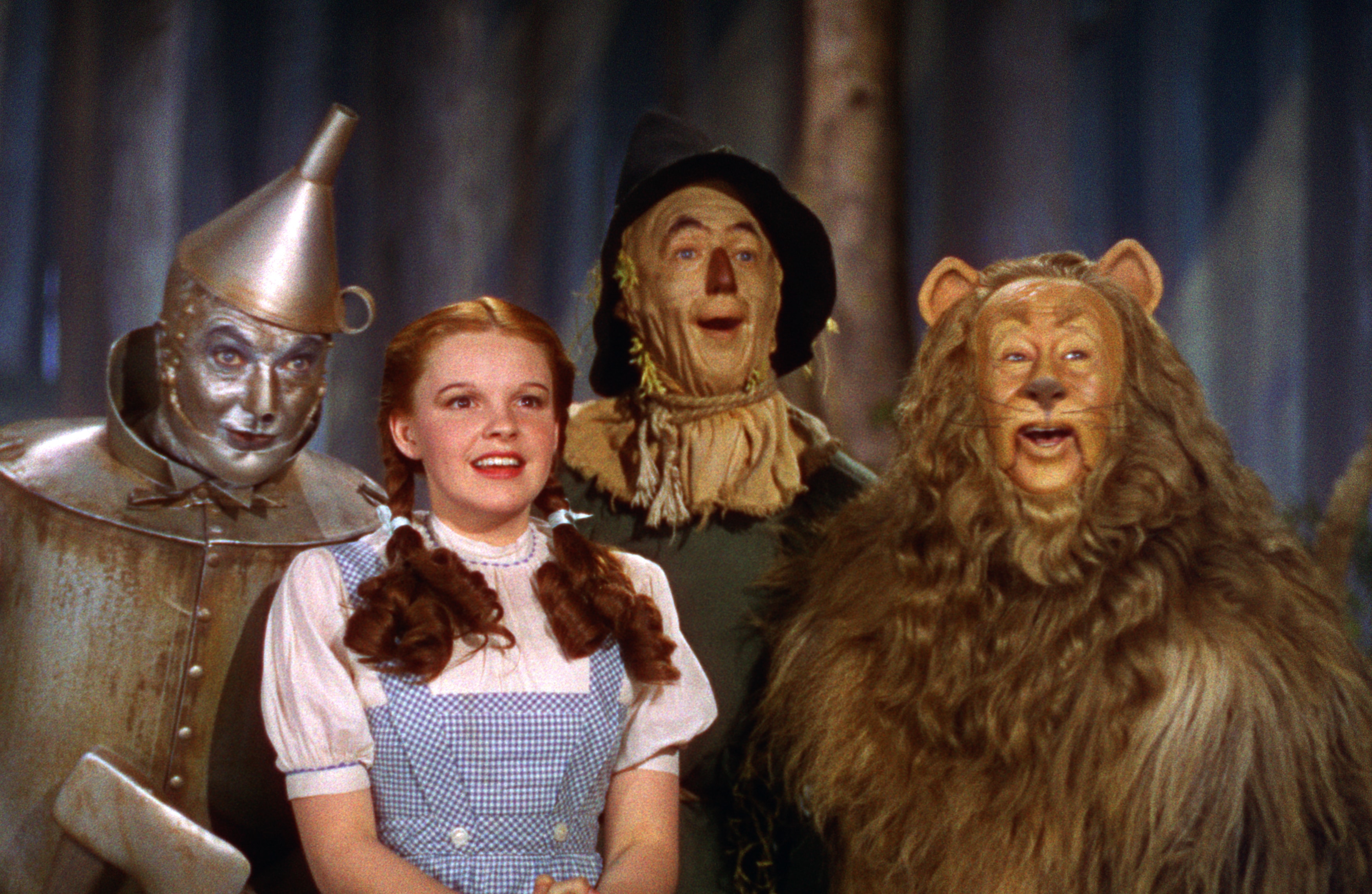
Beyond organizational efficiency, 1939 witnessed a profound technological leap that permanently altered how audiences experienced visual storytelling. The most prominent innovation of this era was the widespread adoption and refinement of three-strip Technicolor. While color processes had existed in various experimental forms for decades, 1939 was the year color ceased to be a mere novelty and became an integral tool for emotional resonance and world-building.
The visual splendor of this era relied on bulky, complex cameras that required enormous amounts of studio lighting, which in turn influenced set design, makeup application, and cinematography styles. Directors and cinematographers had to master color harmony, saturation, and contrast to achieve visual coherence. This technical mastery elevated genre filmmaking, transforming escapist fantasies and sweeping historical dramas into immersive spectacles that audiences had never witnessed before.
| Film Title | Studio | Primary Genre | Key Technological or Narrative Milestone |
|---|---|---|---|
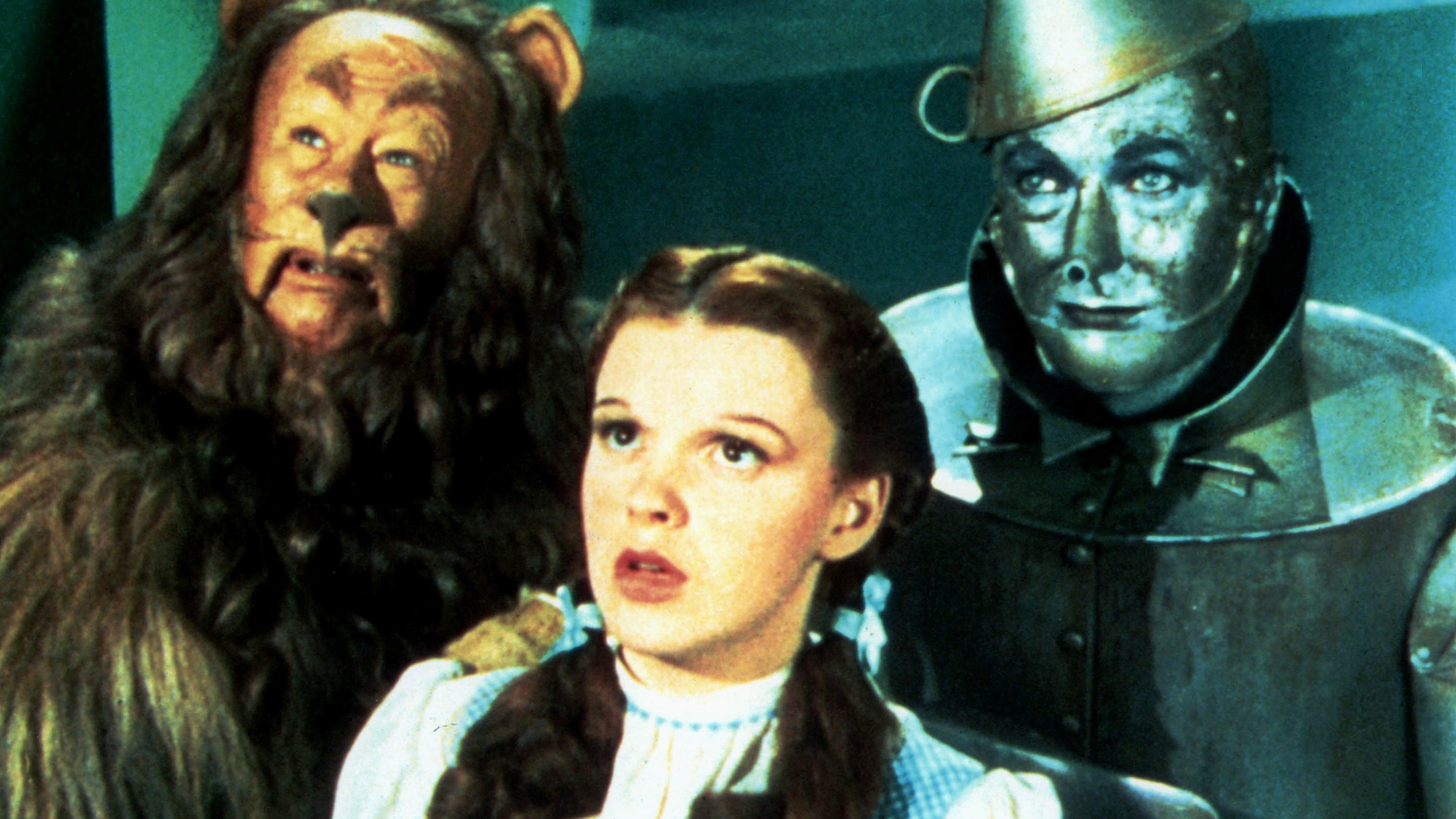
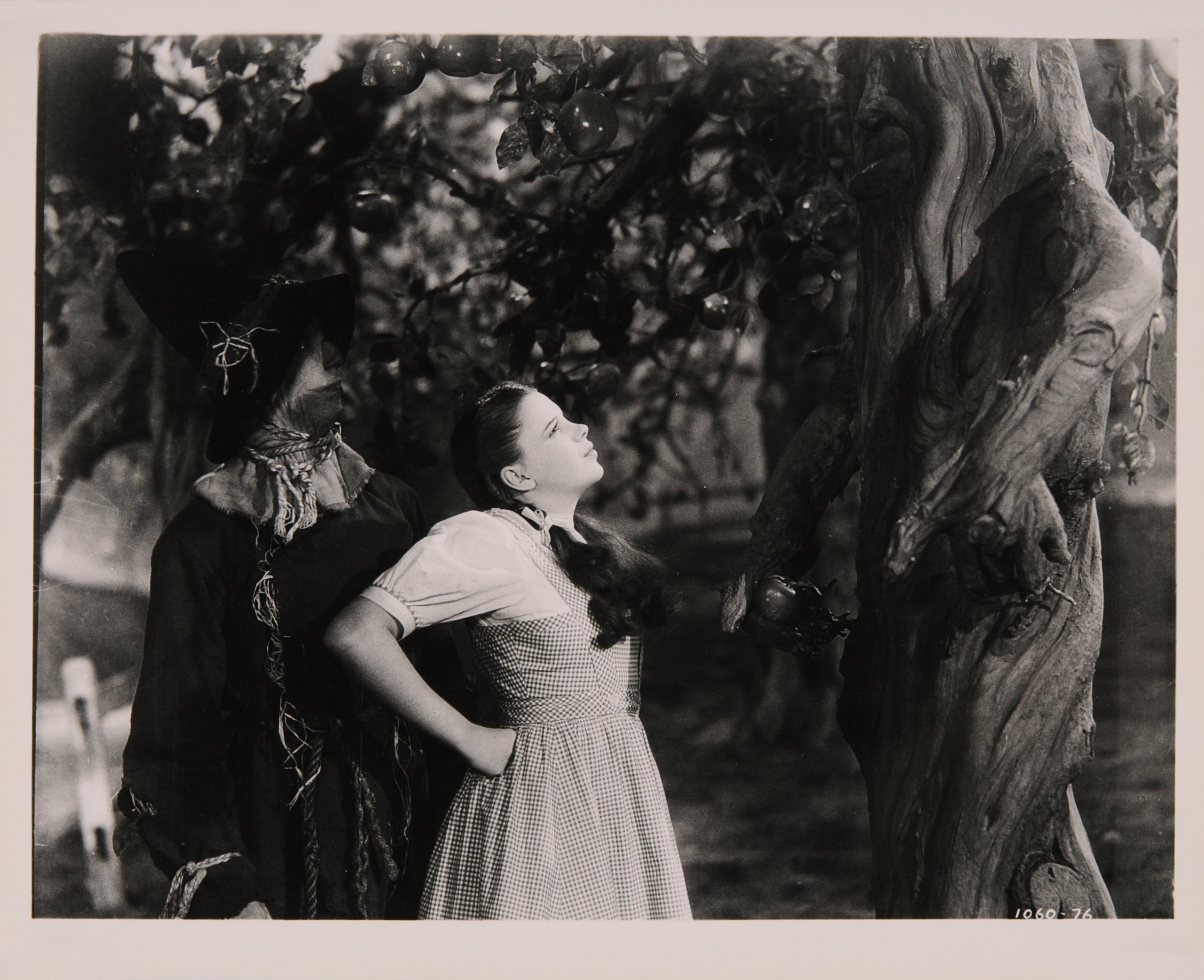
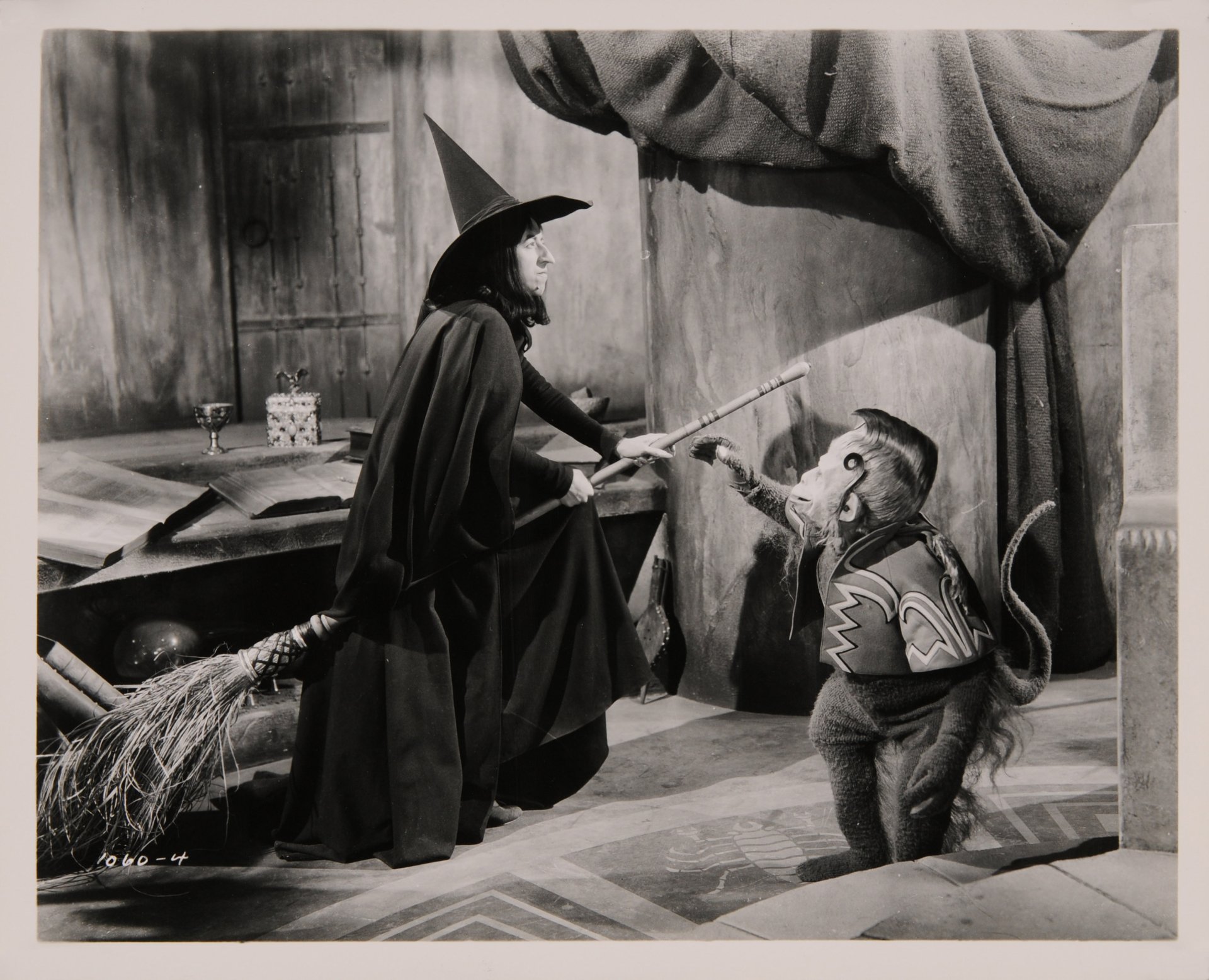
| The Wizard of Oz | Metro-Goldwyn-Mayer | Fantasy / Musical | Landmark use of sepia-toned sequences transitioning into vibrant three-strip Technicolor. |
| Gone with the Wind | Selznick International Pictures | Historical Epic | Unprecedented scale, massive production design, and sweeping Technicolor cinematography. |
| Stagecoach | United Artists | Western | Elevated the Western genre into high art through deep-focus cinematography and complex characterization. |
| The Rules of the Game | Nouvelles Éditions de Films | Comedy-Drama / Satire | Innovative deep-focus long takes and complex ensemble blocking defining French poetic realism. |
Monumental Masterpieces and Genre Diversity
The sheer volume of critically acclaimed films released in 1939 remains a statistical anomaly in film history. Rather than being confined to a single successful genre, the year's output demonstrated remarkable versatility across comedy, westerns, fantasy, animation, and drama. This diversity ensured that the cultural impact of 1939 cinema resonated across vastly different demographic groups and international markets.
In the realm of fantasy and family entertainment, the release of The Wizard of Oz established a mythological baseline for generations of viewers. Its seamless blending of practical effects, musical numbers, and emotional storytelling demonstrated how studio craftsmanship could manifest pure wonder on screen. Simultaneously, Gone with the Wind captured the public imagination with its massive historical canvas, setting new benchmarks for box office performance and epic storytelling that would stand for decades.
The Western genre experienced a profound maturation in 1939 with John Ford's Stagecoach. By moving away from B-movie formulas and utilizing the majestic landscapes of Monument Valley, the film treated the Western with dramatic seriousness, introducing complex psychological archetypes and elevating the genre into a vehicle for examining American morality and social dynamics. Concurrently, the release of Wuthering Heights and Mr. Smith Goes to Washington proved that literary adaptations and political dramas could achieve both critical prestige and immense commercial viability.
International Cinema Amidst Global Turmoil
While American studios dominated commercial markets, international cinema in 1939 was shaped by the gathering storm of the Second World War. European film industries faced severe economic disruption, censorship, and political pressure. Despite these immense challenges, European filmmakers produced works of staggering artistic importance that reflected the anxieties of a changing continent.
In France, Jean Renoir’s The Rules of the Game (La Règle du Jeu) offered a blistering, prophetic satire of the French upper classes on the eve of conflict. Utilizing innovative deep-focus photography and fluid camera movements, Renoir captured the moral decay and casual apathy of a society drifting toward catastrophe. Although initially met with hostility by contemporary audiences and subsequently banned by the French government, the film is now universally recognized as one of the greatest achievements in cinematic history, showcasing the resilience of artistic expression during times of geopolitical crisis.
Evaluating the Legacy and Cultural Permanence
The enduring fascination with the cinema of 1939 stems from its unique position at the intersection of classical Hollywood storytelling conventions and modern cinematic ambition. The films produced during this twelve-month period established narrative templates, character archetypes, and visual grammars that continue to influence contemporary filmmaking. When contemporary critics and historians analyze the evolution of narrative structure, sound design, and color theory, they invariably return to the foundational achievements of this specific year.
Furthermore, the cultural permanence of these works is reinforced by repeated preservation efforts, digital restorations, and academic study. Archivists and film historians view 1939 not merely as a random collection of successful movies, but as a holistic cultural ecosystem where industrial imperatives, creative genius, and technological readiness aligned perfectly. This alignment created a rare cinematic harvest whose cultural resonance shows no signs of diminishing, nearly a century after its initial release.