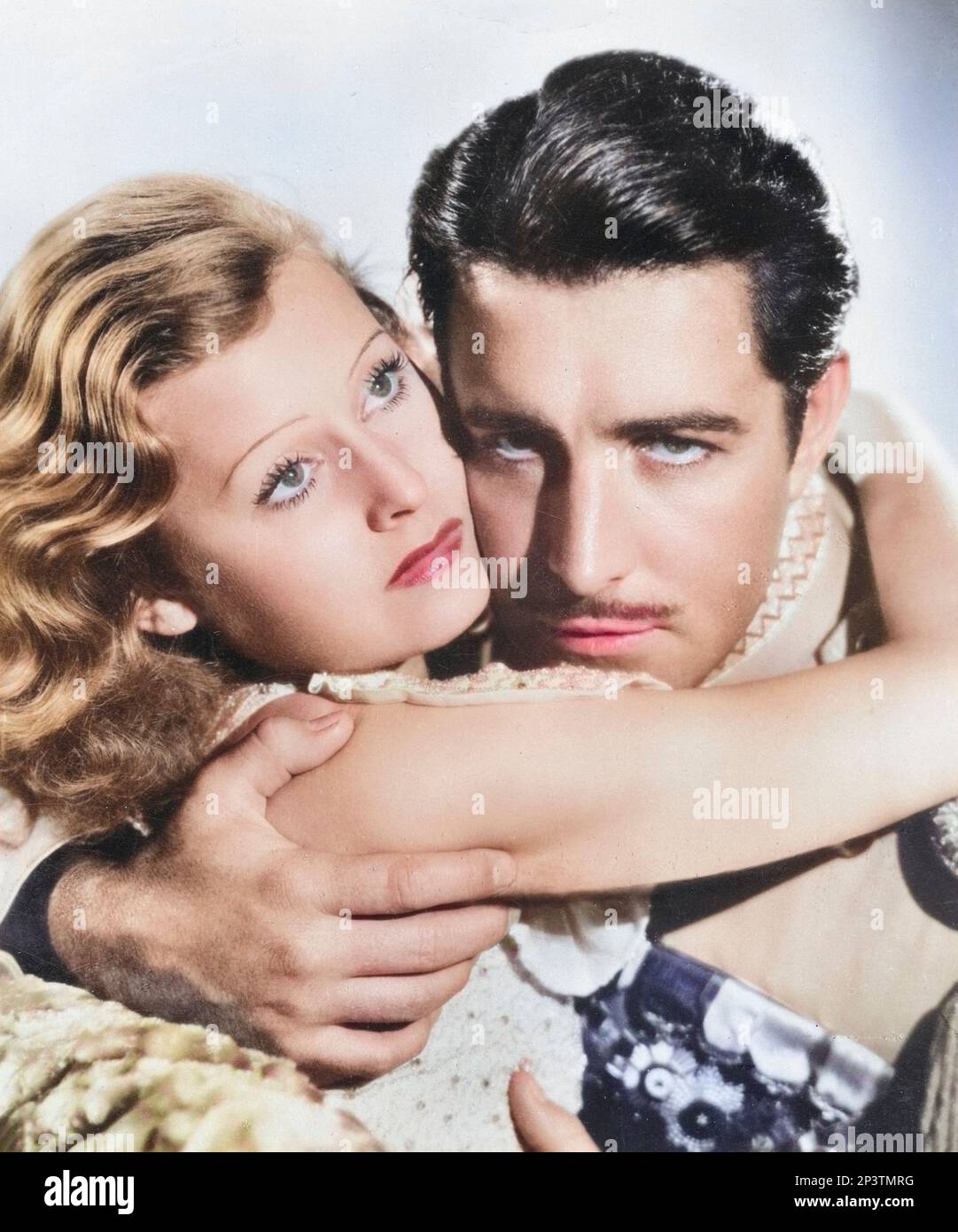
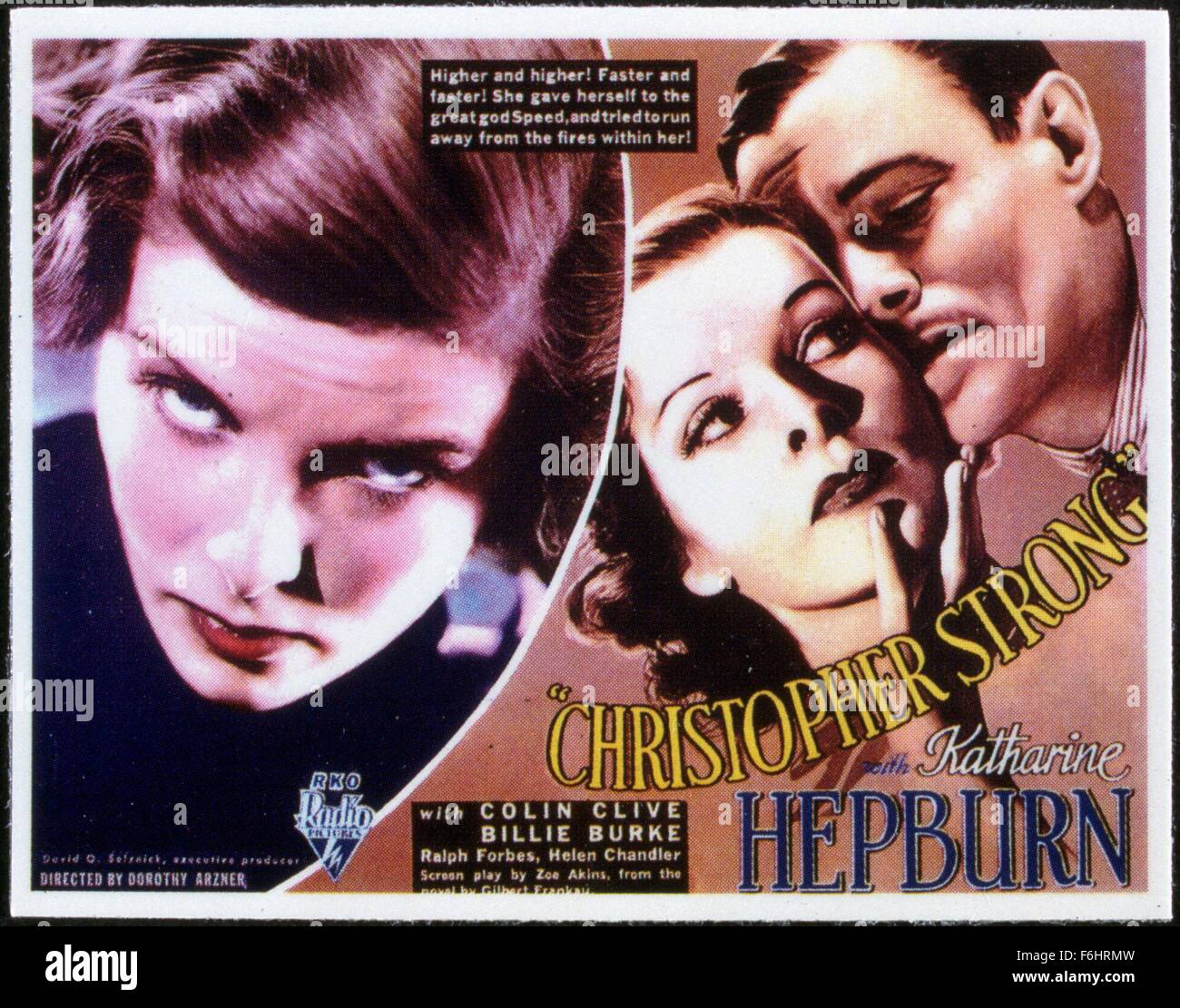
The year 1933 stands as a pivotal watershed in motion picture history, marked by the artistic boundary-pushing of Pre-Code Hollywood, revolutionary special effects, and essential escapism during the nadir of the Great Depression. Iconic releases such as King Kong, 42nd Street, The Invisible Man, and Duck Soup redefined visual effects, screen choreography, cinematic satire, and genre storytelling.
Historical Context: The Great Depression and the Zenith of Pre-Code Hollywood
To understand the film landscape of 1933, one must examine the severe economic realities of the time. The Great Depression reached its absolute trough in early 1933, coincided by nationwide bank holidays and plummeting box office receipts. Motion picture theater attendance dropped precipitously compared to the late 1920s, forcing major Hollywood studios—including Paramount Pictures and RKO Radio Pictures—into financial restructuring or receivership.
To entice financially strapped audiences back into dark auditoriums, film studios adopted bold, sensationalist strategies. This economic pressure catalyzed the peak of the Pre-Code era, a period between the widespread adoption of sound in 1929 and the strict enforcement of the Motion Picture Production Code (Hays Code) in July 1934. In 1933, filmmakers enjoyed unprecedented freedom to tackle controversial, gritty, and mature themes. Films regularly featured explicit commentary on political corruption, economic inequality, female sexual agency, infidelity, violence, and drug use without fear of total censorship.
However, this push toward provocative content sparked fierce backlash. Late in 1933, religious leaders formed the Catholic National Legion of Decency, organizing boycotts against movies deemed morally offensive. This mounting pressure ultimately led to the establishment of the Production Code Administration (PCA) under Joseph Breen in mid-1934, making 1933 the final full year of unrestricted creative experimentation in early studio cinema.
Technical Breakthroughs and Genre Revolutions
The films of 1933 pushed the boundaries of cinema technology and visual language, leaving structural legacies that continue to influence filmmaking today. Studio craftspeople refined optical printing, miniature modeling, sound mixing, and camera mobility, transforming cinema from early sound-era stiffness into a dynamic visual art form.
Visual Effects and Practical Illusions
Before 1933, cinematic visual effects relied primarily on simple glass shots, double exposures, and in-camera tricks. RKO's production of King Kong altered this paradigm forever through the work of stop-motion pioneer Willis O'Brien. By combining miniature armature stop-motion animation, glass matte paintings, rear projection, and optical compositing, O'Brien created seamless interactions between human actors and fantastical creatures.
Simultaneously, Universal Pictures' special effects chief John P. Fulton achieved astounding visual illusions in The Invisible Man. To portray a character unwrapping bandages to reveal empty space, actor Claude Rains wore full-body black velvet under his clothing against a black velvet backdrop. Fulton then optically combined these shots with scenes of the surrounding environment, establishing visual effects techniques that remained industry standards for decades.
Musical Staging and the Architectural Frame
The film musical experienced a radical rebirth in 1933, largely credited to choreographer Busby Berkeley at Warner Bros. Prior to 1933, musicals filmed stage performances from a static, theatrical perspective. In films like 42nd Street, Gold Diggers of 1933, and Footlight Parade, Berkeley unchained the camera from the traditional proscenium arch.
He utilized mobile crane setups, top-down overhead angles, and precise geometric formations of dancers to transform human bodies into abstract, kaleidoscopic patterns. Berkeley's lavish production numbers were intentionally unstageable in a real theater, establishing the movie musical as a distinctly cinematic medium.
Landmark Releases of 1933 by Genre
The diversity of output in 1933 was extraordinary, producing timeless works across horror, sci-fi, comedy, drama, and literary adaptations.
Monster, Horror, and Science Fiction
- King Kong (RKO Pictures): Directed by Merian C. Cooper and Ernest B. Schoedsack, this epic adventure film captivated global audiences and literally saved RKO from immediate bankruptcy. Beyond its technical achievements, the movie provided a profound cultural metaphor for human hubris and nature's raw force.
- The Invisible Man (Universal Pictures): Directed by James Whale, this adaptation of H.G. Wells' science fiction novel highlighted dark humor, tragic madness, and groundbreaking matte visual effects, further cementing Universal's reign over 1930s horror.
Musicals and Backstage Dramas
- 42nd Street (Warner Bros.): Directed by Lloyd Bacon with choreography by Busby Berkeley, this hit established the template for the "backstage musical." Featuring Warner Baxter, Ruby Keeler, and Dick Powell, its gritty realism about out-of-work performers reflected the genuine anxieties of Depression-era audiences.
- Gold Diggers of 1933 (Warner Bros.): Directed by Mervyn LeRoy, this film balanced glittering musical escapism with poignant social commentary, highlighted by the famous opening number "We're in the Money" and the somber, veteran-focused finale "Remember My Forgotten Man."
Comedy, Satire, and Pre-Code Sensuality
- Duck Soup (Paramount Pictures): Directed by Leo McCarey, this Marx Brothers masterpiece delivered a relentless, absurdist satire on war, diplomacy, and political leadership. Though a critical and commercial disappointment upon its initial release, it is now widely regarded as one of the greatest comedy films ever made.
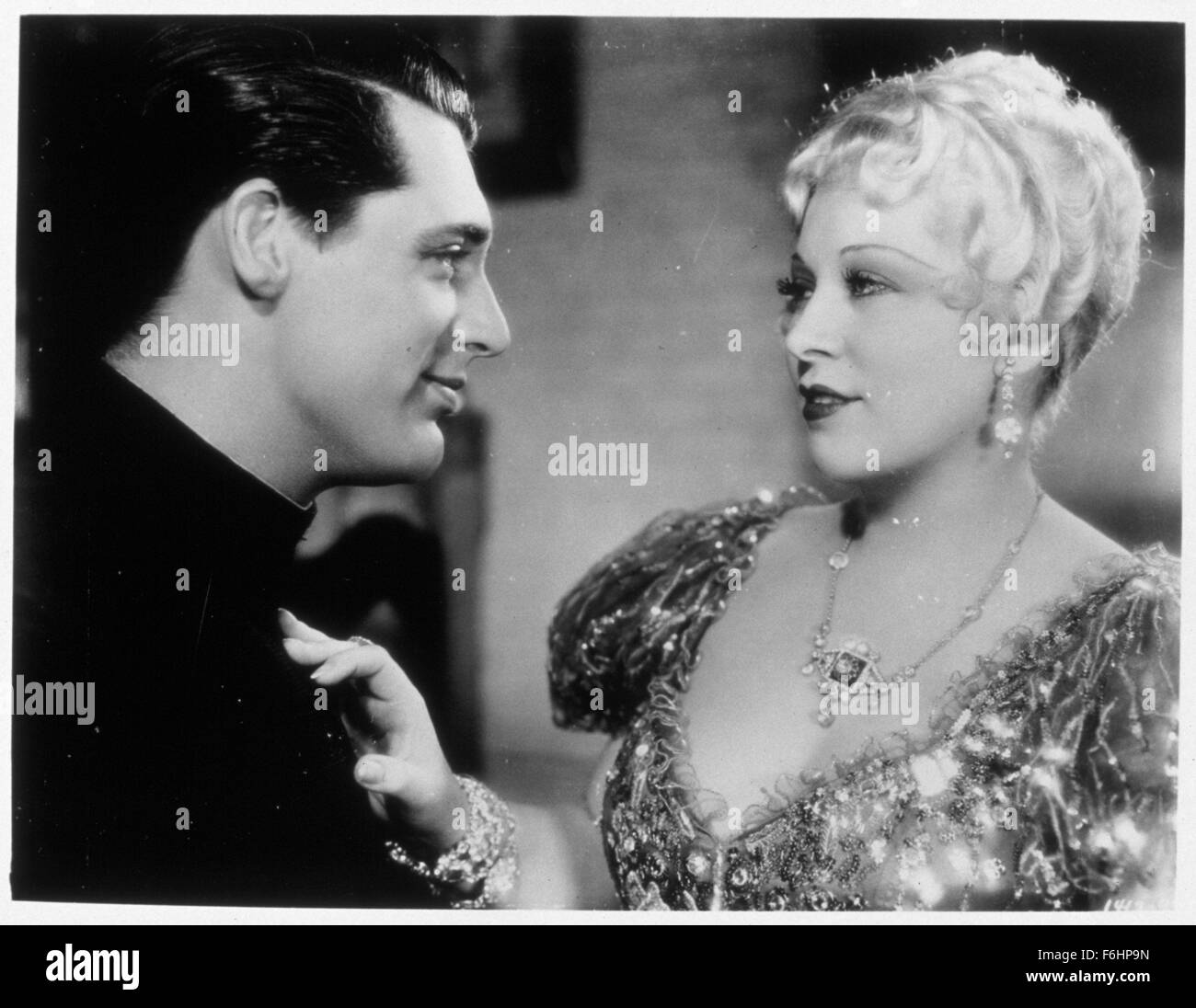
- She Done Him Wrong and I'm No Angel (Paramount Pictures): Written by and starring Mae West, these two 1933 releases generated massive box office revenue. West's suggestive double-entendres, bold sexual confidence, and sharp wit made her an international icon—and the primary target of moral reformers advocating for studio censorship.
- Sons of the Desert (Metro-Goldwyn-Mayer): Directed by William A. Seiter, this Laurel and Hardy feature showcased the legendary comedy duo at the height of their feature-length slapstick craft.
Literary Adaptations and International Hits
- Little Women (RKO Pictures): Directed by George Cukor and starring Katharine Hepburn as Jo March, this adaptation of Louisa May Alcott's novel earned widespread critical acclaim for its emotional warmth and period fidelity, demonstrating RKO's versatility beyond monster spectacles.
- The Private Life of Henry VIII (London Film Productions): Directed by Alexander Korda and starring Charles Laughton, this British historical drama proved that non-Hollywood films could achieve massive commercial and critical success in the American marketplace, winning an Oscar and catalyzing the British film export industry.
Key 1933 Film Releases at a Glance
The following table summarizes the key metrics, creative teams, and historical significance of the premier films released in 1933:
| Film Title | Studio / Distributor | Primary Genre | Key Director(s) & Lead Cast | Historic Significance & Innovations |
|---|---|---|---|---|
| King Kong | RKO Pictures | Adventure / Horror | Merian C. Cooper, E.B. Schoedsack; Fay Wray, Bruce Cabot | Pioneered stop-motion animation, optical compositing, and dynamic score integration. |
| 42nd Street | Warner Bros. | Musical / Drama | Lloyd Bacon; Warner Baxter, Ruby Keeler, Dick Powell | Revived the movie musical; introduced Busby Berkeley's cinematic choreography. |
| Duck Soup | Paramount Pictures | Comedy / Satire | Leo McCarey; The Marx Brothers (Groucho, Harpo, Chico, Zeppo) | Definitive political satire; masterpiece of anarchic, fast-paced comedic rhythm. |
| The Invisible Man | Universal Pictures | Sci-Fi / Horror | James Whale; Claude Rains, Gloria Stuart | Set new standards for optical visual effects; launched Claude Rains' Hollywood career. |
| She Done Him Wrong | Paramount Pictures | Comedy / Romance | Lowell Sherman; Mae West, Cary Grant | Highest-grossing Pre-Code comedy; primary catalyst for 1934 Hays Code enforcement. |
| Little Women | RKO Pictures | Drama / Romance | George Cukor; Katharine Hepburn, Joan Bennett | Major critical success; solidified Katharine Hepburn's status as a top dramatic star. |
| Gold Diggers of 1933 | Warner Bros. | Musical / Comedy | Mervyn LeRoy; Joan Blondell, Warren William, Ginger Rogers | Combined glamorous musical numbers with overt social commentary on the Great Depression. |
| The Private Life of Henry VIII | London Films / UA | Historical Drama | Alexander Korda; Charles Laughton, Elsa Lanchester | First major British film release to break box office records in the United States. |
Critical Recognition and Academy Award Impact
The transition period in Hollywood's early history led to unique scheduling for the Academy of Motion Picture Arts and Sciences. The 6th Academy Awards ceremony, held in March 1934, recognized films released between August 1, 1932, and December 31, 1933. Consequently, the achievements of 1933 featured prominently in early Oscar history.
Cavalcade, an epic drama directed by Frank Lloyd, took home the Academy Award for Best Picture. However, the lasting legacy of 1933 was cemented by individual performance and technical wins. Charles Laughton secured the Best Actor award for his bravura performance in The Private Life of Henry VIII, marking the first time a performer in an international, non-American production received an Oscar. Katharine Hepburn earned her first Best Actress Academy Award during this eligibility cycle for her performance in Morning Glory (released in late 1933), setting off a historic career that eventually spanned six decades.
Furthermore, 1933 saw Max Steiner's original musical score for King Kong establish a new standard for film scoring. Steiner moved away from using music purely as background track filler, creating thematic leitmotifs and synchronization with dramatic action on screen ("Mickey-Mousing"), laying the foundation for modern cinematic composition.
Film Preservation and Viewing 1933 Cinema Today
Preserving the cinematic legacy of 1933 presents distinct archival challenges. During this era, films were shot on volatile cellulose nitrate stock, which decays rapidly over time and poses severe fire hazards if improperly stored. Archives such as the Library of Congress, the UCLA Film & Television Archive, and the George Eastman Museum have worked for decades to restore and preserve nitrate camera negatives from 1933.
Many fundamental 1933 titles have been selected for preservation in the United States National Film Registry due to their cultural, historical, or aesthetic significance. These include King Kong, Duck Soup, 42nd Street, The Invisible Man, and She Done Him Wrong.
For film scholars and audiences, high-definition physical media releases (such as 4K Ultra HD and Blu-ray restorations by Warner Archive, The Criterion Collection, and Universal Pictures Home Entertainment) offer access to these works in masterings that restore lost contrast, clean up audio track hiss, and preserve original aspect ratios (1.37:1 Academy ratio).
Frequently Asked Questions
Why is 1933 considered one of the most important years in film history?
1933 brought together artistic freedom, technological innovation, and cultural urgency. As the peak of Pre-Code cinema, films addressed mature themes directly, while breakthroughs in stop-motion visual effects (King Kong), matte photography (The Invisible Man), and moving-camera choreography (42nd Street) transformed the visual language of filmmaking.
What does "Pre-Code" mean when discussing 1933 movies?
"Pre-Code" refers to the era between 1929 and mid-1934 before Hollywood strictly enforced the Motion Picture Production Code (Hays Code). In 1933, studios operated without rigid censorship, allowing movies to showcase provocative storylines, overt sexual references, moral ambiguity, and political cynicism that were banned shortly thereafter in July 1934.
Which 1933 film had the greatest impact on visual effects?
RKO's King Kong had the most profound impact on visual effects. Animating key sequences through Willis O'Brien's stop-motion technique, the production integrated physical actors with miniature models, rear projection, and multi-plane glass paintings, establishing the foundation for modern creature effects and visual world-building.
How did the Great Depression influence the plotlines of 1933 movies?
The Great Depression directly shaped 1933 cinema through themes of financial desperation, class conflict, and social displacement. Backstage musicals like 42nd Street and Gold Diggers of 1933 depicted unemployed performers struggling to find work, while comedies and crime dramas reflected widespread skepticism toward banks, authority figures, and political institutions.
Which British film achieved unprecedented international success in 1933?
The Private Life of Henry VIII, directed by Alexander Korda and starring Charles Laughton, became an international box office triumph. It was the first British film to earn major commercial success in the United States and secured an Academy Award for Best Actor for Charles Laughton.
Practical Recommendations for Exploring 1933 Cinema
For researchers, students, and cinephiles seeking to analyze the cinema of 1933, the following structured viewing order offers an optimal introduction to the era's technical and thematic evolution:
- Start with Technical Milestones: Watch King Kong and The Invisible Man consecutively to evaluate how independent studios approached practical visual effects, audio mixing, and miniature construction.
- Examine the Pre-Code Aesthetic: Pair Mae West's She Done Him Wrong with Warner Bros.' Gold Diggers of 1933. Pay close attention to dialogue delivery, adult themes, social commentary, and how female characters navigate economic hardship.
- Analyze Musical Innovation: Study 42nd Street specifically for Busby Berkeley’s camera movements and geometric staging, comparing its dynamic visual style to earlier static sound musicals from 1929–1931.
- Explore Political Satire: View Duck Soup alongside contemporary 1933 newsreel footage of the global political climate to understand how anarchic comedy served as a cultural response to rising authoritarianism and economic instability.
- Utilize Archival Transfers: When viewing these classics, seek out official restorations sourced from original nitrate elements (available via Warner Archive Collection, Criterion Collection, or Library of Congress screenings) to experience the precise lighting contrast, film grain, and native audio fidelity intended by 1933 cinematographers.