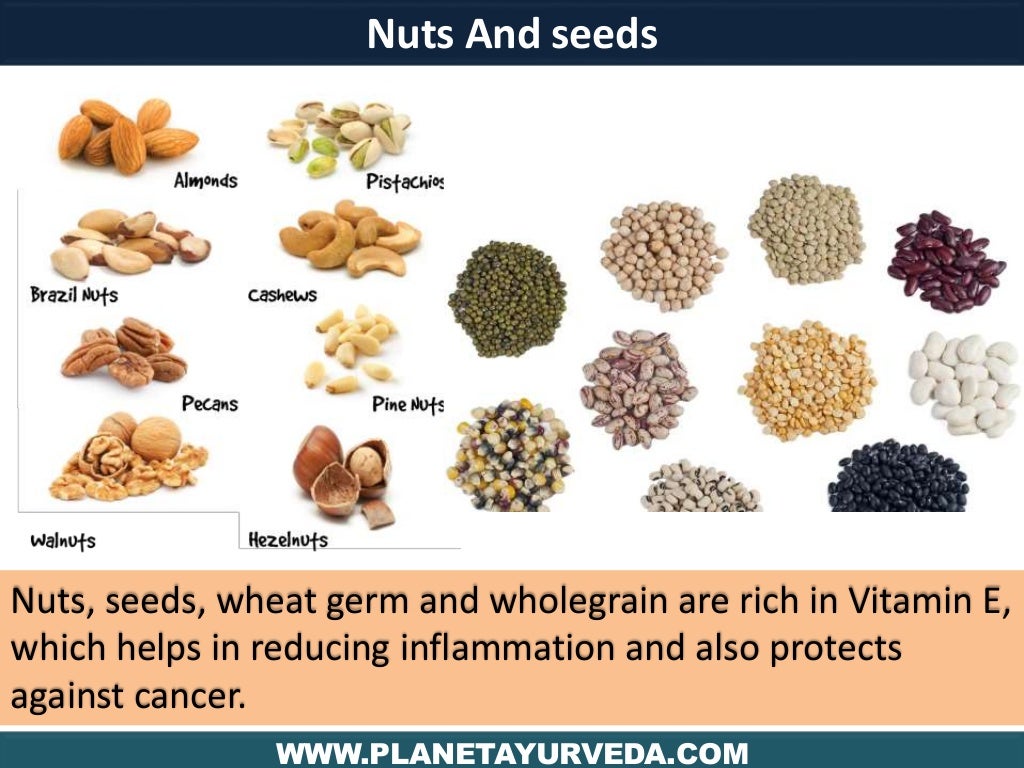
A diet rich in nutrient-dense whole foods can support prostate health and reduce prostate cancer risk by mitigating oxidative stress, chronic inflammation, and hormonal imbalances. Consuming foods loaded with lycopene, sulforaphane, omega-3 fatty acids, and polyphenols provides bioactives that help inhibit cellular mutation, regulate androgen signaling, and slow abnormal cell growth.
The Biological Link Between Diet and Prostate Cell Health
The prostate gland is highly susceptible to metabolic oxidation, inflammatory damage, and hormonal shifts across a man's lifespan. Diet plays a pivotal role in modulating these internal drivers. Bioactive compounds present in specific whole foods influence gene expression, neutralize free radicals before they cause DNA damage, and regulate key signaling pathways involved in cell proliferation and apoptosis (programmed cell death).
Chronic low-grade inflammation within prostatic tissue is a recognized catalyst for cellular mutations and disease progression. Dietary interventions that introduce potent anti-inflammatory agents—such as polyphenols, carotenoids, and omega-3 fatty acids—help downregulate pro-inflammatory cytokines like interleukin-6 (IL-6) and tumor necrosis factor-alpha (TNF-$\alpha$). Furthermore, certain phytochemicals interfere with 5-alpha-reductase, the enzyme responsible for converting testosterone into dihydrotestosterone (DHT), a primary driver of prostatic cell growth.
Disclaimer: Dietary modifications serve as a primary strategy for general health optimization and risk reduction. They do not replace formal clinical screenings, medical diagnoses, or standardized urological treatments. Men should consult a qualified healthcare provider regarding individual prostate health assessments and screening protocols.
15 Bioactive-Rich Foods for Natural Prostate Protection
Integrating targeted whole foods into daily nutrition provides a broad spectrum of protective compounds. Below are fifteen foods backed by clinical and epidemiological research for their capacity to support prostate integrity and lower cancer risk.
1. Cooked Tomatoes
Tomatoes are the primary dietary source of lycopene, a potent carotenoid antioxidant. Lycopene accumulates naturally in prostate tissue, where it neutralizes singlet oxygen radicals and reduces lipid peroxidation. Processing tomatoes through cooking breaks down plant cell walls and converts lycopene from its trans-isomer into the more bioavailable cis-isomer. Pairing cooked tomatoes with healthy fats like extra virgin olive oil increases intestinal absorption significantly.
2. Broccoli and Cruciferous Vegetables
Broccoli, cauliflower, Brussels sprouts, and kale contain glucosinolates, which hydrolyze into active compounds such as sulforaphane and indole-3-carbinol (I3C) during chewing and digestion. Sulforaphane stimulates Phase II detoxification enzymes, helping the liver and prostate cells eliminate potential carcinogens before they induce genomic instability. Research shows these compounds also encourage apoptosis in abnormal prostate cells.
3. Green Tea
Green tea is packed with monomeric catechins, most notably epigallocatechin gallate (EGCG). EGCG modulates growth factor signaling, inhibits the activity of urokinase and matrix metalloproteinases (enzymes associated with cellular invasion), and disrupts androgen receptor pathways. Regular consumption of high-quality green tea helps maintain healthy cellular turnover within the prostate.
4. Wild Fatty Fish
Cold-water fish such as salmon, sardines, mackerel, and anchovies supply high concentrations of long-chain omega-3 fatty acids, specifically eicosapentaenoic acid (EPA) and docosahexaenoic acid (DHA). EPA and DHA compete with pro-inflammatory omega-6 arachidonic acid in the cyclooxygenase (COX) pathway, suppressing COX-2 enzyme activity. Lower COX-2 activity is directly associated with reduced prostatic tissue inflammation.
5. Pomegranate
Pomegranate fruit and pure pomegranate juice contain complex polyphenols, including punicalagins, ellagitannins, and gallotannins. In vitro and clinical observational studies indicate that pomegranate extracts help inhibit the proliferation of androgen-dependent and androgen-independent prostate cancer cell lines, while suppressing cell migration and vascular endothelial growth factor (VEGF), an agent involved in blood vessel formation around tumors.
6. Whole Soy Foods
Traditional, non-processed soy foods like edamame, tofu, tempeh, and soy milk are rich in isoflavones, predominantly genistein and daidzein. These weak phytoestrogens bind to estrogen receptor-beta (ER-$\beta$) in prostate tissue, exerting a protective antiproliferative effect. Epidemiological studies consistently note lower rates of prostate disease in populations consuming higher amounts of dietary soy from early adulthood.
7. Garlic and Allium Vegetables
Garlic, onions, leeks, shallots, and chives contain bioactive organosulfur compounds, including allicin, diallyl disulfide, and S-allylcysteine. Chopping or crushing raw alliums activates the enzyme alliinase, producing organosulfurs that enhance detoxification pathways, trigger cell cycle arrest in mutated cells, and inhibit the formation of DNA-damaging nitrosamines.
8. Berries (Blueberries, Blackberries, and Raspberries)
Dark berries are rich sources of anthocyanins, ellagic acid, and proanthocyanidins. These phytochemicals act as strong antioxidants that limit oxidative DNA damage within human epithelial cells. Ellagic acid also exhibits anti-angiogenic properties, preventing hyper-vascularization around abnormal cellular clusters.
9. Walnuts
Walnuts provide a distinct nutritional profile featuring alpha-linolenic acid (ALA) (an plant-based omega-3 fatty acid), tocopherols (vitamin E isoforms), and phytosterols. Regular walnut consumption lowers serum levels of insulin-like growth factor 1 (IGF-1), a peptide hormone strongly implicated in hyperplastic cellular proliferation within the prostate.
10. Pumpkin Seeds
Pumpkin seeds are one of the concentrated whole-food sources of zinc. The human prostate naturally maintains higher concentrations of zinc than any other soft tissue in the body, using it to regulate citrate metabolism and mitochondrial function. Depletion of prostatic zinc is a common marker in diseased prostate tissue; consuming zinc-dense foods helps preserve normal cellular metabolism.
11. Coffee
Coffee contains chlorogenic acid, caffeic acid, and rich polyphenolic complexes that improve insulin sensitivity and exhibit strong antioxidant activity. Prospective cohort studies suggest that both caffeinated and decaffeinated coffee consumption is linked to a reduced risk of aggressive and high-grade prostate malignancies, highlighting non-caffeine bioactives as the primary drivers of benefit.
12. Culinary and Medicinal Mushrooms
Varieties such as shiitake, maitake, oyster, and reishi mushrooms contain soluble polysaccharidic fibers known as beta-glucans, alongside the specialized antioxidant ergothioneine. Ergothioneine protects cellular mitochondria from oxidative stress, while beta-glucans modulate natural killer (NK) cell activity and macrophages, strengthening immune surveillance against aberrant cell growth.
13. Brazil Nuts
Brazil nuts are an exceptional dietary source of selenium, an essential trace mineral required for the synthesis of glutathione peroxidase—a key antioxidant enzyme operating inside prostate cells. Adequate selenium status protects cellular structures against free radical insult. Because individual nuts contain high levels of selenium, consuming just one to two nuts per day provides sufficient intake without exceeding safe upper limits.
14. Turmeric
The bright yellow rhizome of turmeric contains curcumin, a polyphenol studied extensively for its capacity to downregulate Nuclear Factor-kappa B (NF-$\kappa$B), a central master regulator of inflammatory cascades. Curcumin suppresses inflammatory cytokines and inhibits the expression of genes involved in tumor cell survival and spread.
15. Carrots and Orange Vegetables
Carrots, sweet potatoes, and butternut squash are loaded with $\beta$-carotene, $\alpha$-carotene, and falcarinol. Carotenoids neutralize free radicals, support healthy intercellular communication through gap junctions, and encourage proper cellular differentiation, lowering the likelihood of dysplastic growth in glandular tissues.
Bioactive Profile and Serving Guidelines for Prostate-Protective Foods
The following table summarizes the key bioactive compounds, primary mechanisms of action, and targeted dietary integration strategies for these powerhouse foods.
| Food Item | Key Bioactive Compound | Primary Biological Mechanism | Recommended Dietary Integration |
|---|---|---|---|
| Cooked Tomatoes | Lycopene | Neutralizes free radicals; reduces lipid peroxidation | 3–5 servings weekly (stewed, sauced, or roasted with olive oil) |
| Broccoli | Sulforaphane, I3C | Induces Phase II liver detoxification; promotes apoptosis | 3–4 cups weekly (lightly steamed) |
| Green Tea | EGCG | Inhibits androgen receptor activity and metalloproteinases | 2–4 cups daily (steeped 3–5 minutes) |
| Wild Salmon | EPA & DHA (Omega-3) | Suppresses COX-2 enzymes; lowers systemic inflammation | 2 servings (4–6 oz) per week |
| Pomegranate | Punicalagins | Inhibits cell migration and tumor angiogenesis | 4–8 oz pure unsweetened juice or 1/2 cup seeds daily |
| Tofu / Edamame | Genistein, Daidzein | Binds ER-$\beta$ receptors; modulates androgen pathways | 2–3 servings weekly (whole, non-isolated soy) |
| Garlic | Organosulfur compounds | Induces cell cycle arrest; blocks nitrosamine formation | 1–2 crushed cloves daily (rest 10 min before cooking) |
| Blueberries | Anthocyanins | Prevents oxidative DNA strand breaks | 1/2 to 1 cup daily (fresh or frozen) |
| Walnuts | ALA, Phytosterols | Reduces serum IGF-1 levels; improves lipid markers | 1 oz (handful) daily as a snack or salad topping |
| Pumpkin Seeds | Zinc, Phytosterols | Maintains prostatic epithelial zinc levels and citrate metabolism | 1–2 tablespoons daily |
| Coffee | Chlorogenic acid | Improves insulin sensitivity; reduces oxidative stress | 1–3 cups daily (black or minimally processed) |
| Shiitake Mushrooms | Beta-glucans, Ergothioneine | Enhances immune surveillance; protects mitochondria | 1–2 cups cooked weekly |
| Brazil Nuts | Selenium | Essential cofactor for glutathione peroxidase enzymes | 1–2 individual nuts daily (do not exceed) |
| Turmeric | Curcumin | Suppresses NF-$\kappa$B inflammatory transcription factors | 1 tsp ground daily (paired with black pepper) |
| Carrots | $\beta$-Carotene, Falcarinol | Supports gap junction communication; inhibits cell proliferation | 1 cup raw or cooked carrots 3–4 times weekly |
Nutritional Synergies and Preparation Methods to Maximize Bioavailability
Consuming nutrient-dense foods is only the first step; preparing them correctly dramatically increases the absorption of active phytochemicals. Plant matrix structures, heat sensitivity, and enzyme dynamics alter how bioactives enter the bloodstream.
Thermal Processing and Lipid Pairing
Lycopene inside raw tomatoes is tightly bound within the plant matrix structure. Heating breaks down these cell walls, freeing the lycopene. Because carotenoids are fat-soluble, cooking tomatoes in extra virgin olive oil or avocado oil encapsulates the lycopene in lipid droplets, boosting intestinal absorption by over 300%.
[Raw Tomato Matrix] --(Thermal Processing)--> [Free trans-Lycopene] --(Lipid Pairing: Olive Oil)--> [High-Bioavailability cis-Lycopene Micelles]
Enzymatic Activation in Alliums and Crucifers
The anti-cancer compounds in garlic and broccoli require specific enzymatic reactions to form:
- Garlic: The enzyme alliinase converts alliin into allicin. Heating raw garlic immediately inactivates alliinase. Crushing or chopping raw garlic and allowing it to sit at room temperature for 10 minutes before applying heat allows alliinase to produce maximum allicin, which remains stable during subsequent light cooking.
- Broccoli: Glucosinolates require the enzyme myrosinase to turn into active sulforaphane. Heavy boiling destroys myrosinase. Lightly steaming broccoli for three to four minutes preserves enzyme activity. Alternatively, adding a pinch of raw mustard seed powder (which is rich in active myrosinase) to cooked cruciferous vegetables restores sulforaphane synthesis.
Polyphenol Pairing Strategy
Curcumin in turmeric has naturally low oral bioavailability because it undergoes rapid hepatic metabolism. Pairing turmeric with piperine (the active alkaloid in ground black pepper) inhibits specific glucuronidation pathways in the liver, increasing curcumin absorption by up to 2,000%.
Frequently Asked Questions About Diet and Prostate Cancer Risk
Can dietary changes replace medical prostate cancer screenings?
No, dietary changes cannot replace routine medical screenings such as Prostate-Specific Antigen (PSA) blood tests or digital rectal examinations (DRE). A nutrient-dense diet helps reduce biological risk factors and supports tissue health, but early-stage prostate cancer often develops without clinical symptoms. Regular medical screenings remain essential for early detection.
Does consuming dairy increase the risk of prostate cancer?
High intake of high-fat dairy products has been linked in several epidemiological studies to a slight increase in prostate cancer risk. Suggested mechanisms include high calcium intake downregulating circulating active vitamin D ($1,25-di hydroxyvitamin\ D_3$) and elevating circulating IGF-1 levels. Men looking to optimize prostate health may benefit from moderating high-fat dairy and emphasizing plant-based calcium sources.
How does lycopene in cooked tomatoes differ from raw tomatoes?
Raw tomatoes contain lycopene primarily in the trans-isomer form, which the human digestive tract absorbs less efficiently. Thermal processing converts trans-lycopene into cis-lycopene, a configuration that is significantly more soluble, stable, and easily absorbed by intestinal cells.
Are dietary supplements as effective as whole foods for prostate health?
Isolated dietary supplements generally lack the natural matrix of fibers, enzymes, and co-factors present in whole foods. High-dose isolated antioxidants can sometimes act as pro-oxidants in the body. Obtaining nutrients through whole foods ensures balanced delivery of synergistic compounds, reducing the risk of toxicity or nutrient imbalance.
How does body weight impact prostate cancer risk alongside diet?
Excess adipose tissue—particularly visceral fat—increases systemic inflammation, alters circulating estrogen-to-androgen ratios, and induces hyperinsulinemia. These metabolic disruptions can promote aggressive prostate tumor development. Combining a prostate-protective diet with regular physical activity helps maintain a healthy body composition, lowering overall disease risk.
Actionable Steps to Build a Prostate-Healthy Eating Routine
Optimizing nutrition for long-term prostate health relies on consistent, sustainable habits rather than short-term dietary fixes.
- Audit Weekly Meals: Review your current grocery list and identify missing protective food groups. Ensure cruciferous vegetables, fatty fish, alliums, and berry varieties are represented weekly.
- Shift Cooking Techniques: Transition from heavy boiling or deep-frying to light steaming, roasting, and sautéing with healthy fats. Incorporate cooked tomato sauces prepared with extra virgin olive oil as a regular culinary base.
- Upgrade Daily Beverages: Replace sugar-sweetened drinks and excessive alcohol with green tea and water. Aim for two to three cups of high-quality green tea spaced throughout the morning and early afternoon.
- Practice Strategic Food Pairing: Combine turmeric with black pepper, and pair fat-soluble carotenoids (carrots, cooked tomatoes, leafy greens) with healthy lipids like olive oil, nuts, or seeds.
- Establish Routine Clinical Follow-Ups: Discuss your diet, family history, and personal risk profile with a primary care doctor or urologist to establish a personalized screening schedule tailored to your age and baseline health.