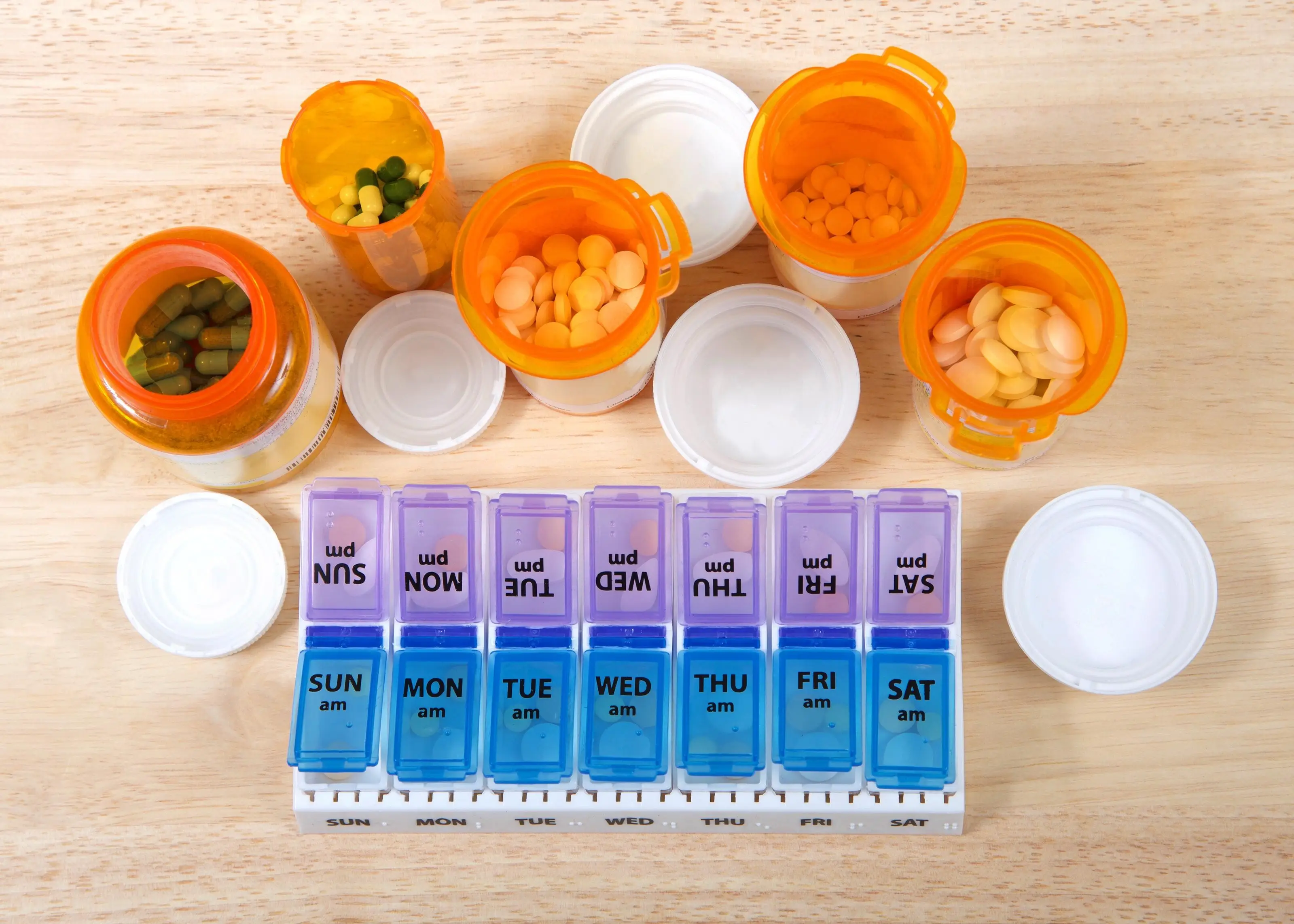
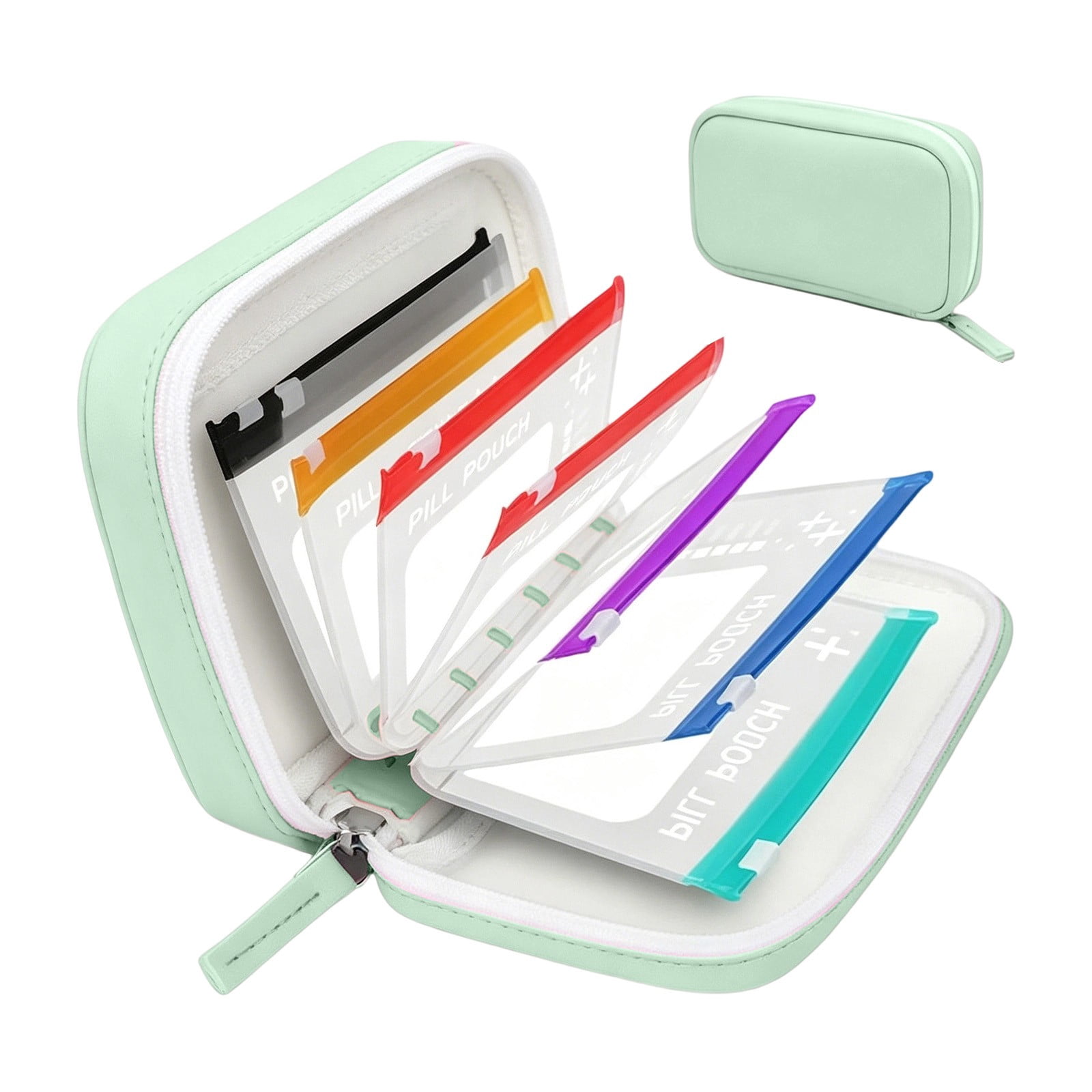
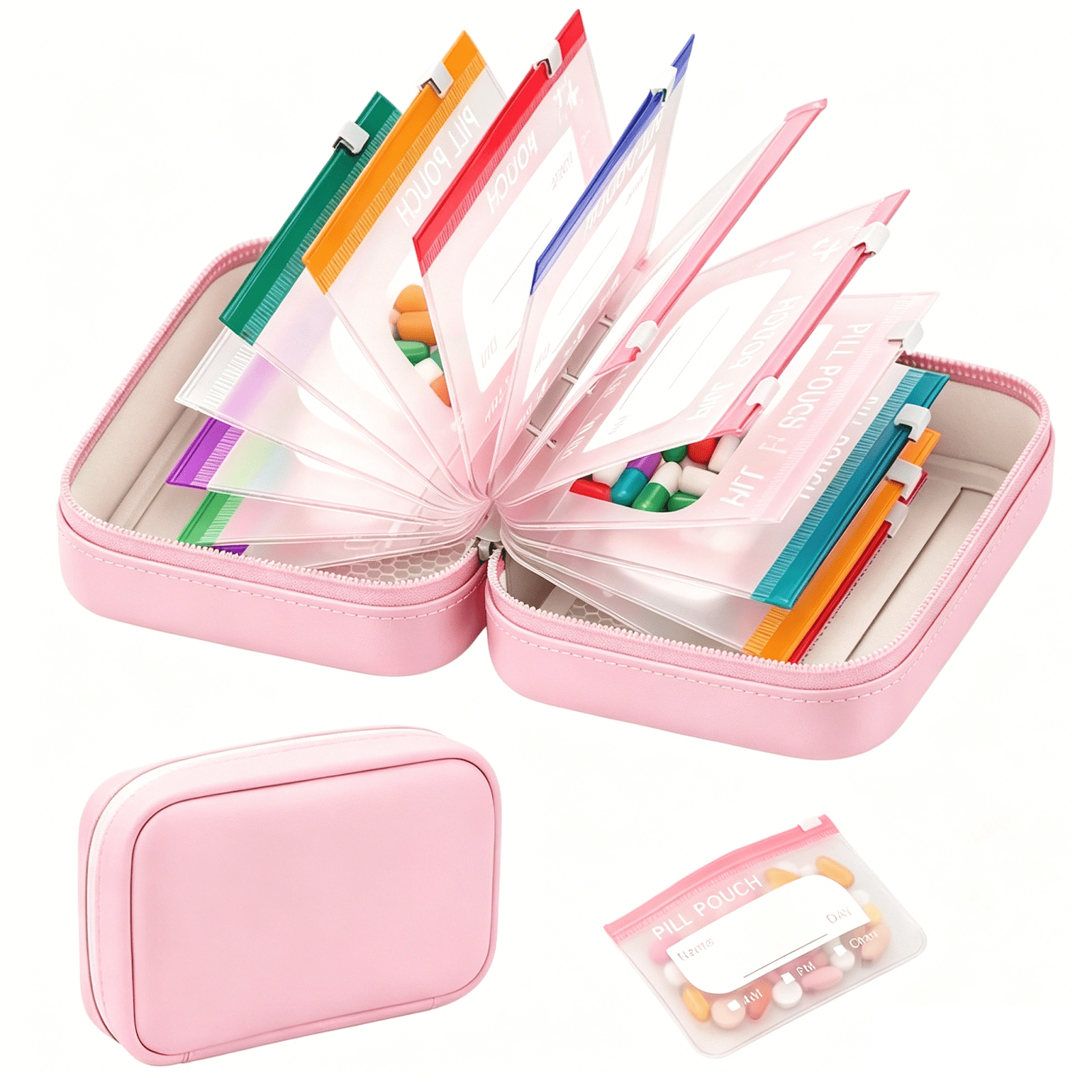
A 14 day travel pill organizer is a specialized storage system designed to manage a two-week medication regimen or a one-week schedule of twice-daily doses while on the move. To maximize its utility, you must prioritize secure locking mechanisms, moisture resistance, and a form factor that fits your specific luggage constraints while maintaining strict hygiene protocols.
Managing health requirements while navigating the complexities of international or domestic travel in 2026 requires more than just a basic plastic box. Whether you are embarking on a two-week Mediterranean cruise or a remote hiking expedition, the organization of your supplements and prescriptions is a critical component of travel safety and personal well-being. A 14 day travel pill organizer serves as your mobile pharmacy, ensuring that you never miss a dose despite the distractions of a changing environment.
Understanding the Importance of a 14-Day Pill Organizer for Travel
The primary utility of a 14-day organizer lies in its ability to bridge the gap between short-term weekend kits and bulky monthly home dispensers. For the modern traveler, this two-week window is a "sweet spot" for many vacation itineraries. Carrying original prescription bottles for 14 days can consume significant space in a carry-on and increases the risk of losing an entire month’s supply of vital medication if a single bottle is misplaced.
Furthermore, a dedicated 14-day system facilitates better adherence. Travel often disrupts circadian rhythms and daily routines. Having a visual, chronological representation of your medication allows you to verify at a glance whether you have taken your morning dose or if you are prepared for the evening. In 2026, as global travel reaches new heights of frequency, the shift toward modular and high-durability organizers has become the standard for health-conscious globetrotters.
Key Features to Consider When Choosing a 14-Day Travel Pill Organizer
Selecting the right organizer is not merely about aesthetics; it is about engineering a solution that protects the chemical integrity of your medication and the physical security of your supply. Not all organizers are created equal, and several technical specifications should guide your purchase.
Capacity and Compartment Size
The most common mistake travelers make is underestimating the volume of their medications. A "large" compartment in one brand may not accommodate the same volume as another. If you take bulky fish oil capsules, multiple vitamins, or large calcium supplements, you must ensure the internal dimensions of each cell can close comfortably without crushing the contents. In 2026, many premium models provide cubic centimeter (cc) ratings for their compartments, allowing for precise planning.
Portability and Form Factor
A 14-day organizer typically comes in two configurations: a long, single-row tray or a 2x7 grid. For travel, the 2x7 grid or a "book-style" folding wallet is often superior because it fits more naturally into the rectangular compartments of backpacks and suitcases. Additionally, look for modular designs where individual daily segments can be detached. This allows you to take just one or two days’ worth of medication in your day bag while leaving the rest of the 14-day supply in the hotel safe.
Material Quality and Light Protection
Medications are sensitive to environmental factors. Most organizers are made of BPA-free plastic, but the density and opacity of that plastic matter. Translucent "smoke" or solid-colored plastics are preferable to clear plastic because they provide a layer of UV protection. Prolonged exposure to direct sunlight can degrade the potency of certain active ingredients in pharmaceutical drugs. Ensure the material is food-grade and certified for long-term storage to prevent chemical leaching.
Locking Mechanisms and Security
Suitcases are often subjected to significant vibration and impact during transit. A pill organizer with a weak latch can easily spring open, scattering pills throughout your luggage lining. Look for "double-lock" systems or organizers that come with an outer protective shell. Some 2026 models feature silicone gaskets that not only keep the lids closed but also provide a moisture-resistant seal, which is vital if you are traveling to humid or tropical climates.
Effective Strategies for Using Your Pill Organizer on the Road
Once you have selected the appropriate hardware, the "how" of using it becomes the focus. Successful medication management begins days before your departure.
Pre-Travel Preparation and Sorting
Do not wait until the night before your flight to fill your 14-day organizer. Conduct a "sorting session" at least three days in advance. This provides enough time to realize if you are low on a specific prescription and need a last-minute refill. When sorting, do so in a well-lit, clean area. If multiple pills look similar, consider placing a small printed "pill identifier" cheat sheet inside the organizer’s lid or your travel wallet to help you distinguish between them if you become confused later.
Managing Time Zone Changes
One of the greatest challenges of travel is the "medication lag." If you are crossing multiple time zones, your 14-day schedule may need adjustment. For many medications, maintaining a consistent interval (e.g., every 24 hours) is more important than taking it at a specific local clock time. Use your 14-day organizer as a physical anchor. If you normally take a pill at 8:00 AM EST and you fly to London (5 hours ahead), your body is still on the 8:00 AM EST cycle when the London clock says 1:00 PM. Consult your healthcare provider before departure to create a transition schedule that utilizes your organizer effectively.
Safety Protocols and Documentation
While an organizer is convenient, it removes pills from their original labeled packaging. This can occasionally cause issues with customs or airport security. According to TSA guidelines, medications in pill form are generally allowed through security, but it is highly recommended to carry a copy of your physical prescriptions or a signed letter from your physician. Storing a digital copy of these documents on your phone, and a paper copy folded into the 14-day organizer’s outer case, provides a double layer of security.
Maintaining Your 14-Day Pill Organizer for Longevity
To ensure your organizer remains a hygienic vessel for your health, regular maintenance is required. Pill residue and environmental dust can accumulate quickly.
Cleaning Procedures and Hygiene
You should deep-clean your organizer after every 14-day cycle. Residual dust from tablets can cross-contaminate different medications if left unchecked. Most high-quality organizers in 2026 are top-rack dishwasher safe, but hand-washing with mild soap and warm water is the safest way to preserve the integrity of the plastic hinges. Ensure the organizer is completely dry before refilling it; even a microscopic amount of moisture trapped in a closed compartment can lead to mold growth or the degradation of gel-caps.
Inspecting for Wear and Tear
Plastic hinges have a finite lifespan. Every time you open a compartment, the "living hinge" (the thin piece of plastic connecting the lid to the base) undergoes stress. Before every trip, perform a stress test by gently tugging on each lid. If you see whitening of the plastic at the hinge point, it indicates the material is nearing its breaking point. It is better to replace a $15 organizer before it fails than to deal with a spill in the middle of an international flight.
Comparison of Common 14-Day Travel Pill Organizer Styles
The following table compares the most prevalent designs available in 2026 to help you decide which configuration best suits your travel style.
| Organizer Type | Best For | Pros | Cons |
|---|---|---|---|
| Modular Detachable | Multi-destination trips | Allows you to carry only what you need for the day. | Easier to lose individual segments. |
| Foldable Wallet Style | Business travel / Carry-ons | Discreet appearance; provides an extra layer of light protection. | Can be bulkier in depth than flat trays. |
| Double-Row Tray | Long-term stays / Hotels | Extremely easy to visualize the full 14-day progress. | Not pocket-friendly; prone to accidental opening. |
| Moisture-Seal Hard Case | Outdoor / Tropical travel | Waterproof and airtight; protects against humidity. | Often heavier and requires more effort to open. |
| Stackable Tower | Minimalist packing | Small footprint; fits in water bottle pockets. | Can be difficult to access the "bottom" days quickly. |
Common Mistakes to Avoid with Long-Term Travel Pill Organizers
Even with the best equipment, user error can compromise your health. Be mindful of these frequent pitfalls:
- Mixing Look-Alike Medications: Never put two different pills that look identical in the same compartment unless you are absolutely certain you can tell them apart.
- Ignoring Humidity: If you are traveling to a high-humidity environment, avoid "open-air" organizers. Use a model with a silicone gasket or keep your organizer inside a high-quality Ziploc bag.
- Forgetting the "Emergency Cache": Even with a 14-day organizer, it is wise to keep a 2-day supply of essential life-saving medications in a separate location (like a coat pocket or a different bag) in case your primary organizer is lost or stolen.
- Leaving it in the Car: Extreme heat in a parked vehicle can chemically alter many medications. Always keep your organizer in a climate-controlled environment.
FAQ
Can I take my 14-day pill organizer through airport security?
Yes, TSA and most international aviation authorities allow medications in pill form through security. You are not required to keep them in their original bottles for domestic travel, though it is recommended for international border crossings. Always declare any liquid medications separately.
Should I choose a 14-day or a 7-day AM/PM organizer?
This depends on your dose frequency. A 14-day organizer is designed for people who take pills once a day for two weeks. If you take pills twice a day (Morning and Night), a "14-compartment" organizer only covers you for 7 days. Ensure the compartment count matches your dose-frequency multiplied by the days of travel.
How do I prevent the labels from rubbing off?
Frequent handling can wear away the "Monday," "Tuesday," or day numbers printed on the lids. To prevent this, you can apply a small piece of clear packing tape over the labels when the organizer is new. This creates a permanent barrier against the oils on your skin.
Are there "smart" 14-day organizers for travel?
By 2026, several Bluetooth-enabled 14-day organizers have entered the market. These sync with your smartphone to send alerts if a compartment hasn't been opened by a certain time. These are excellent for travelers who struggle with time zone math or memory issues.
Can I store liquid gels and tablets together?
Generally, yes, provided the environment remains cool. However, in high heat, liquid gels can soften and stick to dry tablets. If you are traveling to a hot climate, consider using a small piece of parchment paper to separate different pill textures within the same compartment.
Final Recommendations for Your 2026 Travels
To ensure a seamless experience, your final step should be a "load test." Once your 14-day travel pill organizer is filled, close all lids and give it a firm shake over a soft surface (like a bed). If any lids pop open, the locking mechanism is insufficient for travel, and you should consider a model with a secondary outer casing.
Furthermore, always pair your organizer with a digital medication list on your smartphone. In the unlikely event that you lose your organizer, having a clear list of the drug names and dosages will allow a local physician or pharmacist to assist you much faster. Proper organization is not just about convenience; it is a fundamental pillar of travel safety that ensures your health remains a constant, no matter how far you roam.