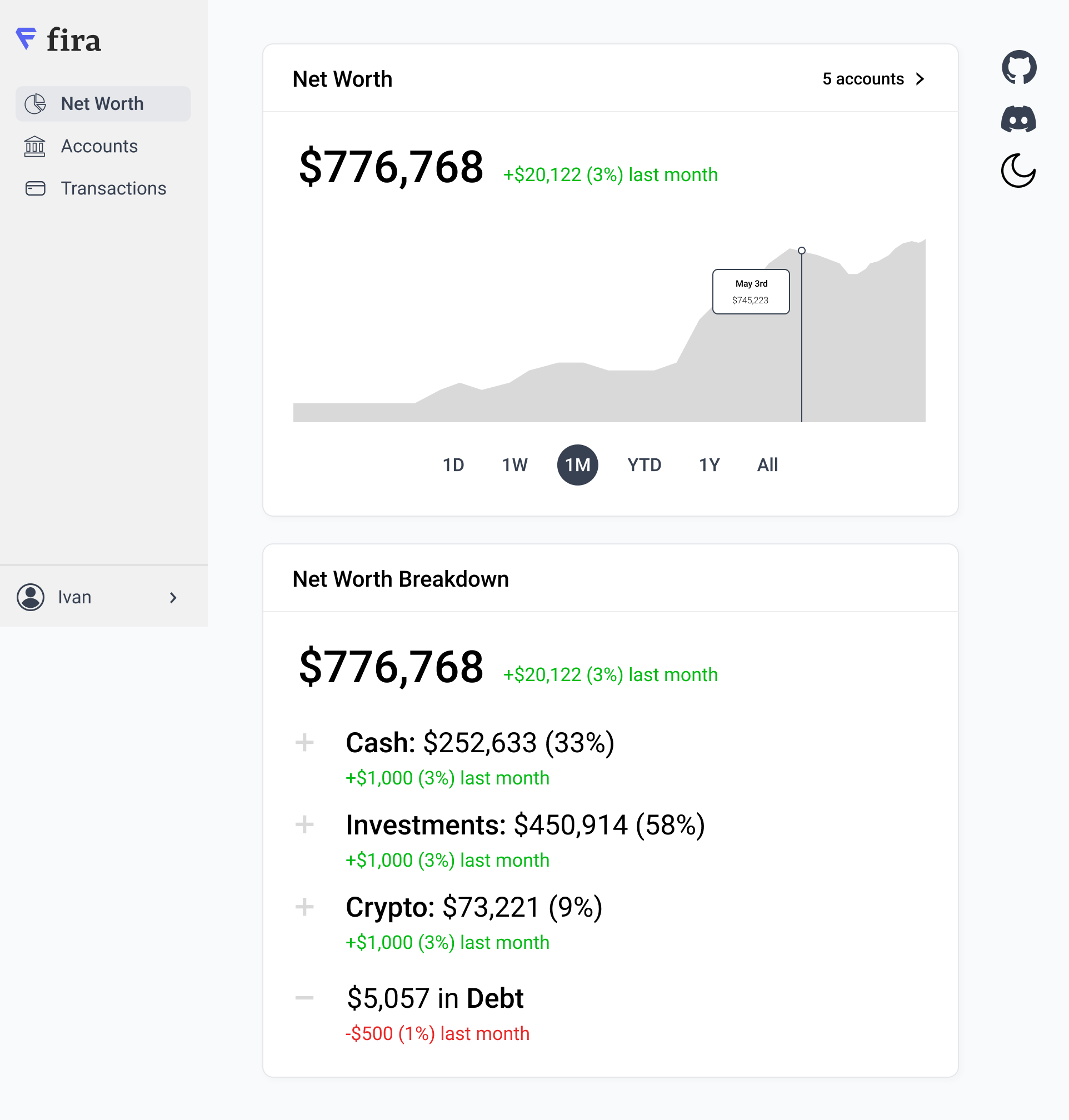
The figure "123 4b" refers to a net worth valuation of $123.4 billion. In the context of global wealth tracking for 2026, this valuation places an individual or entity within the deca-billionaire tier, typically reserved for the world’s top ten wealthiest persons. This breakdown explores the methodology, asset composition, and market dynamics that sustain a valuation of this magnitude.
Understanding the Billionaire Valuation Framework
A net worth of $123.4 billion is not a liquid cash balance but an estimate of total assets minus total liabilities. For individuals at this level of wealth, the valuation is heavily anchored in public equity, private company holdings, and alternative assets. Financial analysts and wealth trackers—such as those at Bloomberg and Forbes—use a "mark-to-market" approach to provide these snapshots.
When observing a figure like $123.4 billion, it is essential to distinguish between market capitalization and actual liquidity. Much of this wealth is tied up in the shares of corporations the individual founded or currently leads. Consequently, fluctuations in stock prices can lead to "paper wealth" changes of several billion dollars in a single trading session. This valuation framework assumes that the individual could theoretically sell their holdings, though doing so would inherently shift the market price due to the sheer volume of shares involved.
Anatomy of a $123.4 Billion Portfolio
To reach the $100 billion threshold, an asset portfolio generally requires a foundation of high-growth technology, luxury goods, or energy dominance. While asset classes vary, the following table illustrates how such a massive net worth is typically distributed across different financial vehicles.
| Asset Class | Typical Percentage | Role in Valuation |
|---|---|---|
| Public Equity | 60–75% | Primary growth driver; highly volatile. |
| Private Equity | 15–25% | Significant long-term holding in non-traded firms. |
| Cash & Equivalents | 5–10% | Liquidity for tax liabilities and personal spending. |
| Real Estate & Art | 2–5% | Store of value and inflation hedge. |
Public equity often represents the lion's share of this wealth. When an entrepreneur retains a significant percentage of a publicly traded company’s outstanding shares, the "123 4b" figure is calculated by multiplying those shares by the current market price per share.
The Role of Market Volatility in Wealth Shifts
A net worth of $123.4 billion is sensitive to macroeconomic factors. In 2026, global interest rates, regulatory scrutiny, and consumer demand in core markets heavily influence the stock prices that drive these valuations. For an individual at this level, a 5% swing in the stock price of their primary business can equate to a multi-billion dollar change in net worth.
Investors and analysts track these fluctuations to gauge the health of the sectors the individual dominates. For example, if a tech-centric multibillionaire experiences a sudden dip, it often signals wider investor pessimism regarding AI hardware or cloud services. Understanding the breakdown of "123 4b" requires looking beyond the number to the underlying business performance that provides the confidence necessary for investors to trade at those specific market caps.
Liabilities and Tax Considerations
An often-overlooked aspect of a $123.4 billion net worth is the liability side of the balance sheet. Billionaires rarely hold their wealth in simple checking accounts; they often utilize sophisticated financial structures, including margin loans against their stock holdings.
Margin lending allows wealthy individuals to access liquidity for investments or lifestyle expenditures without triggering capital gains taxes by selling their shares. However, this creates a liability. If the value of the collateral (the stock) drops significantly, the individual may be subject to a "margin call," requiring them to provide more cash or sell shares to pay down the debt. Therefore, the "net" in net worth is a dynamic calculation that includes these debt obligations, which can be massive in absolute terms, even if they remain small relative to the total asset base.
Philanthropy and Asset Diversification
As wealth approaches the $100 billion mark, many individuals shift a portion of their assets toward philanthropic foundations or family offices. These entities are designed to preserve wealth across generations and manage large-scale charitable giving.
Once assets are transferred to a charitable trust, they are generally removed from an individual's personal net worth calculation because the individual no longer exercises "beneficial ownership." A breakdown of a $123.4 billion figure might show that the person actually controls much more wealth in a functional sense, but their reportable personal net worth remains at the $123.4 billion mark due to these divestments. This complicates the comparison between different billionaires, as some may report lower net worths specifically because they have already moved significant assets into irrevocable trusts.
Verification and Tracking Methodology
Tracking wealth at this scale is an exercise in public record analysis. Analysts rely on SEC filings (such as Form 4 for insider transactions and 13G for ownership stakes), real estate deed databases, and private investment reports.
In 2026, the complexity of these portfolios makes exact valuation difficult. Assets held in private corporations, for instance, are valued based on the latest funding rounds or comparable company multiples. If a private company has not raised capital in several years, the valuation assigned to it in the "123 4b" figure may be based on older, perhaps outdated, data. Readers should treat these figures as educated estimates rather than audited financial statements. The "complete breakdown" is always subject to the availability of transparent data from the subject's private holding companies and family offices.
Frequently Asked Questions About High Net Worth Valuations
How is net worth determined for private companies?
Net worth for private assets is usually calculated by applying a valuation multiple—such as price-to-earnings (P/E) or enterprise value-to-EBITDA—based on the performance of similar, publicly traded companies. This provides a proxy for what the business might be worth if it were listed on a stock exchange.
Why does a billionaire’s net worth change so often?
Because the vast majority of their wealth is in stocks, fluctuations are driven by daily market movements. When shareholders sell or buy, the stock price changes, which automatically adjusts the total valuation of the shares the billionaire holds, leading to gains or losses of billions in real-time.
Does the $123.4 billion figure include debts?
Yes. Net worth is explicitly defined as assets minus liabilities. If a billionaire has $130 billion in assets and $6.6 billion in personal debt or margin loans, their reported net worth is $123.4 billion.
What is the difference between net worth and liquid cash?
Net worth represents the total value of all holdings, including illiquid assets like houses, private art collections, and long-term business equity. Liquid cash is the portion of wealth immediately available for spending, which is usually a very small fraction of a billionaire’s total net worth.
Can individuals hide assets from these valuations?
Yes. Many assets, such as offshore holdings, interest in private trusts, or certain types of personal property, may not be publicly disclosed. Consequently, reported figures are generally considered a "floor" rather than a ceiling for total wealth.
Taking Action: Interpreting Wealth Reports
When reviewing net worth statistics in 2026, focus on the trend lines rather than the specific, static number. A figure like $123.4 billion serves as a diagnostic tool for understanding market influence and economic concentration. To gain a better perspective on these valuations, regularly cross-reference reports from multiple reputable financial outlets. If you are conducting research for investment purposes, prioritize SEC filings and official company investor relations pages over third-party summaries to ensure your decisions are based on primary data.