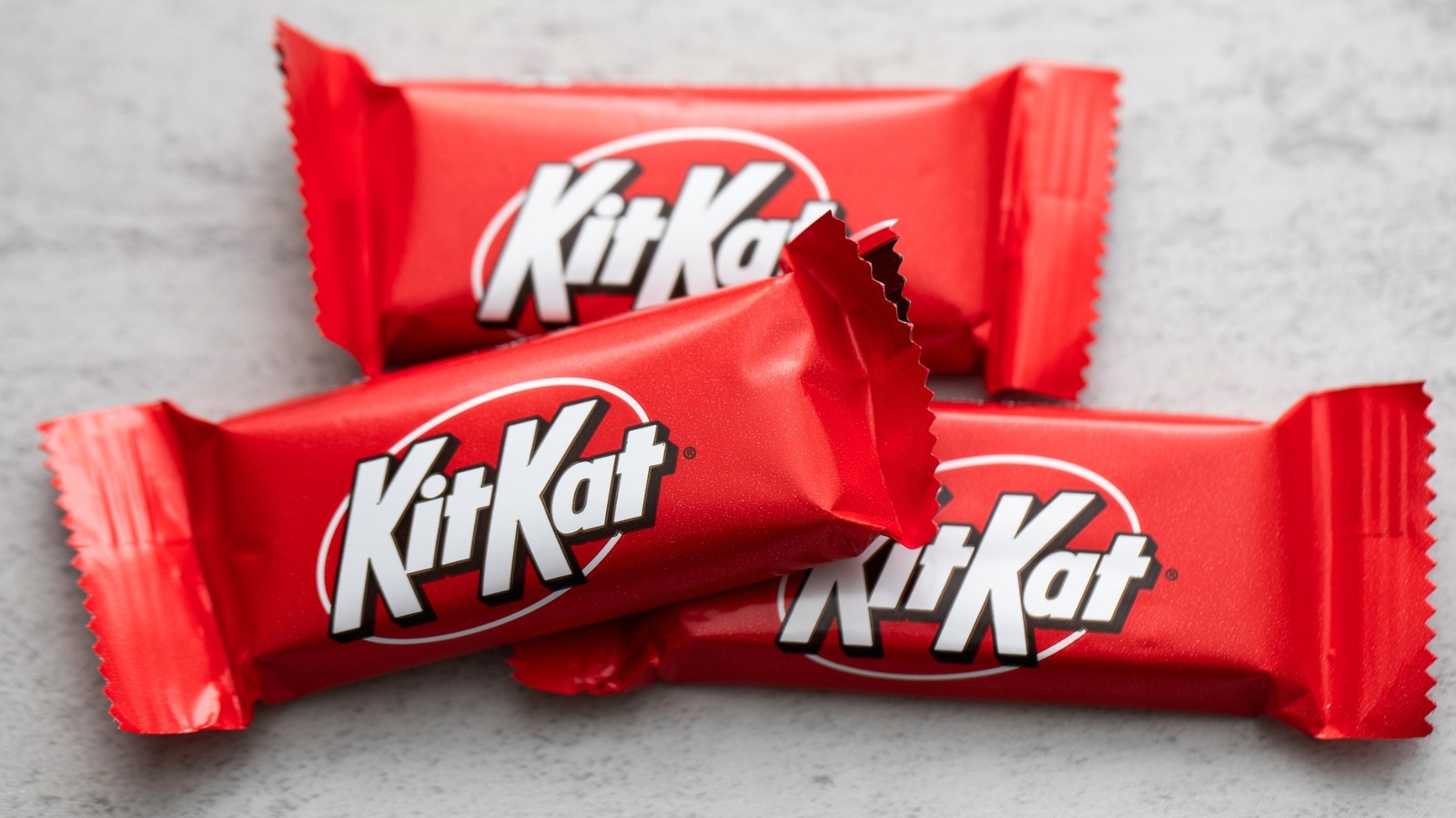
Purchasing 12 tons of Kit Kats is a significant logistics and procurement exercise, primarily costing between $180,000 and $350,000 in 2026 depending on the acquisition channel, packaging format, and shipping requirements. While wholesale bulk pricing offers lower unit costs, logistical overheads for climate-controlled transportation and storage often double the effective investment beyond the raw commodity price.
Understanding Bulk Confectionery Procurement
Procuring candy at the scale of 12 metric tons (approximately 26,455 pounds) transitions the process from a retail transaction to a B2B industrial supply chain operation. In this context, Kit Kats are classified as a shelf-stable, temperature-sensitive food product. Buyers at this volume rarely deal with standard distributors; they engage directly with industrial food brokers or the manufacturer’s commercial sales division.
The cost of 12 tons is not static. It fluctuates based on global cocoa market indices, sugar tariffs, and the specific variety of the product requested—such as the standard milk chocolate four-finger bar versus miniature variants or seasonal special editions. Because Kit Kats are manufactured by Nestlé in many regions and The Hershey Company in the United States, the origin of production significantly dictates the base price per kilogram due to varying regional manufacturing costs and labor market conditions.
Components of the Price Breakdown
To understand the total financial commitment, one must dissect the cost into three primary tiers: raw product cost, logistical freight, and mandatory storage.
1. Commodity and Manufacturing Costs: At an industrial level, manufacturers often quote prices based on the cost per pound or kilogram. As of 2026, premium confectionery items often hover between $4.50 and $7.00 per kilogram when purchased in massive bulk. For 12,000 kilograms, the baseline expenditure sits between $54,000 and $84,000 for the product itself, provided the order is placed well in advance to account for production scheduling.
2. Logistics and Cold-Chain Freight: Transporting 12 tons requires a dedicated heavy-duty vehicle or a significant portion of a refrigerated shipping container. Unlike standard dry goods, chocolate is prone to blooming and structural degradation if temperatures exceed 70°F (21°C). Consequently, specialized climate-controlled logistics are required. Shipping fees for a full-truckload (FTL) shipment over a medium-to-long distance can range from $5,000 to $15,000, depending on fuel surcharges and routing complexity.
3. Warehousing and Inventory Holding: Once the 12 tons arrive, the storage solution is a critical cost driver. Food-grade warehouse space that provides climate control is significantly more expensive than standard industrial space. Assuming a monthly storage fee of $25 per pallet, with 12 tons requiring approximately 20 to 24 pallets, the recurring monthly overhead is substantial.
Comparative Cost Table
The following table outlines the estimated financial breakdown for purchasing 12 tons (12,000 kg) of Kit Kats under varying procurement scenarios.
| Cost Category | Low-End Estimate (Wholesale) | High-End Estimate (Broker/Premium) |
|---|---|---|
| Product Base Price | $54,000 | $84,000 |
| Logistics/Freight | $5,000 | $15,000 |
| Insurance & Handling | $2,000 | $6,000 |
| Storage (First Month) | $500 | $1,200 |
| Total Estimated Investment | $61,500 | $106,200 |
Note: The figures above are estimates based on bulk commodity averages for 2026. Prices fluctuate based on individual contract negotiations, regional availability, and specific SKU selection.
Logistical Requirements and Risks
Managing 12 tons of inventory involves more than just paying the invoice. Food safety regulations, specifically those mandated by the FDA in the United States or equivalent international food safety authorities, require rigorous documentation. When handling such a massive quantity, the buyer must ensure that the supplier provides a Certificate of Analysis (COA) to verify the quality and safety of the batch.
Furthermore, insurance is a non-negotiable expense. Standard commercial property insurance often excludes food spoilage or contamination. A specialized inland marine policy or transit insurance is required to cover the potential for total loss during the transport of 12 tons of product. If the shipment is subject to temperature spikes during transit, the entire load could be declared unfit for human consumption, resulting in a total financial loss.
Addressing Scalability and Shelf Life
A common oversight is the "first-in, first-out" (FIFO) inventory management challenge. Kit Kats typically have a shelf life of approximately 12 months. With 12 tons in stock, the buyer must ensure a distribution velocity that accounts for the expiration date. If the product sits in a warehouse for six months, its market value drops significantly, as retailers are unwilling to accept inventory with a short "best by" date.
Investors or businesses planning for this volume of inventory should also factor in the cost of potential liquidation or secondary market sales if the product does not move as expected. Reselling 12 tons of confectionery requires an established network of discount retailers or food liquidators who often purchase at a 40% to 60% discount off the initial acquisition price.
Frequently Asked Questions
Can I buy 12 tons of Kit Kats directly from Nestlé or Hershey?
Generally, no. These manufacturers work with large-scale distributors and master wholesalers. To purchase 12 tons, you must establish a credit line and a corporate purchasing account through an authorized industrial confectionery broker who facilitates the connection between the manufacturer and the end buyer.
What are the main temperature risks for large-scale chocolate transport?
Chocolate loses its temper and blooms if exposed to fluctuations in temperature or direct heat. Blooming—the appearance of a white film on the surface—is harmless but renders the product unmarketable for retail. Always insist on reefer (refrigerated) trucks set to a constant 60°F–65°F.
Is the price of 12 tons of Kit Kats subject to international trade tariffs?
Yes. If the Kit Kats are being imported from a manufacturing facility in a different country, the cost will be significantly impacted by the Harmonized Tariff Schedule (HTS) codes for chocolate and cocoa products. Always consult a customs broker to determine the landed cost after duties and taxes.
Are there hidden costs beyond shipping and storage?
Yes. Buyers often overlook "slotting fees" if they plan to sell this inventory into major supermarket chains. Retailers often charge manufacturers or distributors thousands of dollars for shelf space to stock a new product. If you are acting as the distributor, these costs can quickly outstrip the initial commodity price.
How do I verify the quality of a 12-ton shipment before arrival?
You should mandate a pre-shipment inspection performed by a third-party quality control firm. This inspection should include photos of the palletization, temperature logs for the storage facility, and a sample lot check to ensure that the batches provided meet the expected manufacturing standards.
Strategic Next Actions for Bulk Procurement
Before finalizing any large-scale purchase, obtain a minimum of three competing quotes from verified industrial food brokers. Ensure each quote explicitly lists the CIF (Cost, Insurance, and Freight) terms to avoid surprise ancillary fees. Conduct a thorough audit of your storage facility to confirm that their climate control systems are calibrated for food safety and that they are compliant with all relevant agricultural and public health regulations for 2026. If the volume is intended for resale, verify your distribution channels before the product enters the supply chain to minimize holding time and preserve shelf-life integrity.