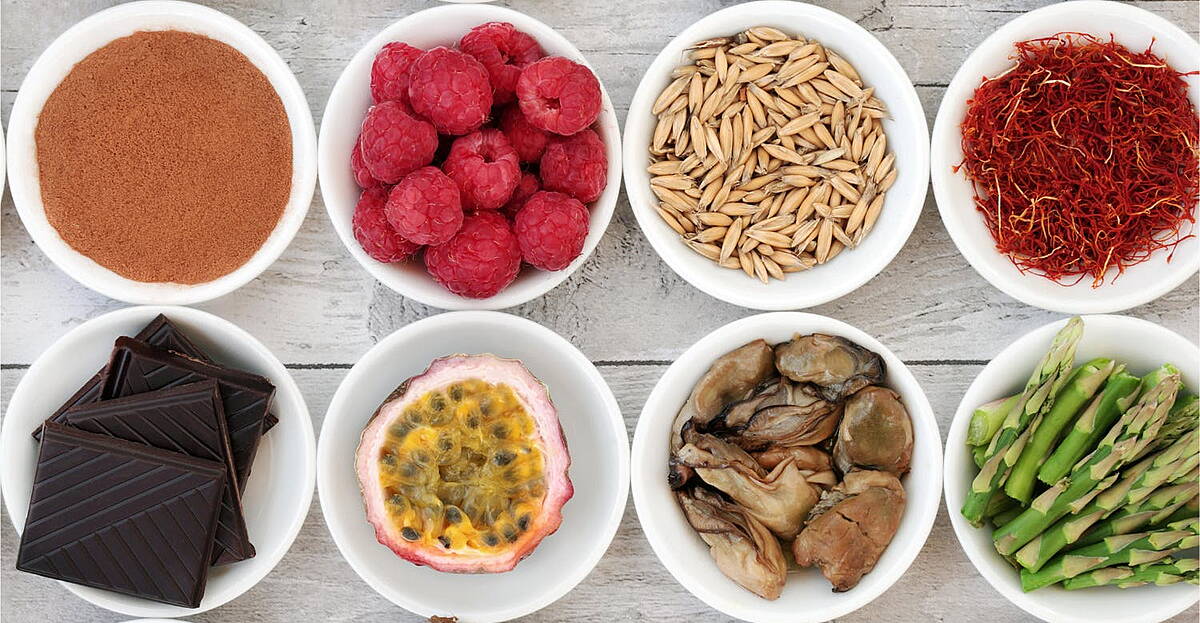
Integrating specific nutrient-dense foods into your diet may support physiological functions associated with libido, including blood flow, hormone regulation, and stress reduction. While no single ingredient functions as a magic bullet for sexual desire, a consistent dietary pattern emphasizing cardiovascular health and hormonal balance can create the optimal biological environment for sustained passion and intimacy.
The Physiological Basis of Aphrodisiacs
The concept of an "aphrodisiac"—a substance that increases sexual desire—has existed for millennia, yet modern science frames the topic through the lens of cardiovascular health and neurological response. Sexual arousal is a complex biological process requiring efficient blood circulation, a balanced endocrine system, and a regulated nervous system. Foods often categorized as aphrodisiacs frequently contain compounds that enhance nitric oxide production, improve systemic blood flow, or provide essential precursors for neurotransmitters like dopamine.
It is important to clarify that dietary choices are merely one piece of the puzzle. Factors such as mental health, sleep hygiene, underlying medical conditions, and physical fitness play dominant roles in sexual function. Dietary interventions are most effective when viewed as a supportive, long-term foundation rather than a short-term, immediate fix for performance concerns.
Nutrient-Dense Foods to Support Libido
The following twelve foods have been selected based on their nutritional profiles, specifically their concentrations of vitamins, minerals, and amino acids that support the cardiovascular and reproductive systems.
1. Oysters
Oysters are the most famous aphrodisiac, and for good reason. They are an exceptional source of zinc, a mineral essential for the production of testosterone and the maintenance of healthy sperm count. Zinc deficiency is a documented cause of hypogonadism in men, and maintaining adequate levels is crucial for overall sexual health.
2. Dark Chocolate
High-quality dark chocolate (typically 70% cocoa or higher) contains phenylethylamine and serotonin. These compounds are known to influence mood and promote feelings of well-being. Furthermore, the flavonoids in cocoa can improve blood flow, which is a critical physical prerequisite for sexual arousal.
3. Watermelon
This fruit contains citrulline, an amino acid that the body converts into arginine. Arginine is a precursor to nitric oxide, a molecule that helps relax and dilate blood vessels, thereby improving circulation. Enhanced blood flow is essential for achieving and maintaining physical arousal.
4. Chili Peppers
Spicy foods containing capsaicin increase heart rate and induce the release of endorphins. The physical sensation of heat and the subsequent "high" from endorphin release can mimic the physiological states associated with sexual excitement, potentially increasing one's responsiveness.
5. Avocados
Rich in monounsaturated fats and vitamin E, avocados support cardiovascular health by helping to maintain clear arteries. Since efficient blood flow is necessary for physical responsiveness, heart-healthy fats are an essential component of a libido-friendly diet.
6. Pomegranates
Pomegranate juice has been studied for its potential to improve blood flow and reduce oxidative stress. It is rich in antioxidants that support endothelial function, which keeps the lining of the blood vessels healthy and pliable.
7. Figs
Figs are often associated with fertility and are a good source of fiber, which promotes heart health. From a traditional perspective, their aesthetic and texture have made them a staple in literature regarding romance, though their nutritional value lies in their mineral content, including magnesium and potassium.
8. Strawberries
Beyond their symbolic association with romance, strawberries are packed with vitamin C and antioxidants. Vitamin C is essential for the production of sex hormones and is vital for maintaining high blood flow to the reproductive organs.
9. Asparagus
This vegetable is a source of folate, a B vitamin that supports histamine production. Histamine is involved in the ability to achieve orgasm in both men and women, making folate an important nutrient for reproductive wellness.
10. Almonds
Almonds provide high levels of zinc, selenium, and vitamin E—minerals and vitamins that are vital for reproductive health and hormonal balance. The healthy fats found in nuts also contribute to sustained energy levels, which is beneficial for physical endurance.
11. Spinach
Leafy greens like spinach are rich in magnesium, which helps dilate blood vessels and can increase blood flow. By reducing systemic inflammation, spinach contributes to the overall vascular efficiency required for healthy sexual function.
12. Saffron
Saffron is a potent spice that has been linked to mood enhancement and stress reduction. Emerging studies suggest that saffron extract may improve sexual function and desire, likely by influencing neurotransmitter pathways in the brain.
Comparison of Key Nutritional Benefits
The following table summarizes the primary mechanisms by which these foods support sexual health.
| Food Item | Primary Nutrient/Compound | Potential Benefit for Passion |
|---|---|---|
| Oysters | Zinc | Testosterone support |
| Dark Chocolate | Flavonoids / Serotonin | Mood and blood flow |
| Watermelon | L-Citrulline | Vascular circulation |
| Chili Peppers | Capsaicin | Endorphin release |
| Avocados | Vitamin E / Healthy Fats | Cardiovascular efficiency |
| Pomegranates | Antioxidants | Endothelial function |
| Asparagus | Folate | Histamine/Orgasm support |
| Saffron | Crocin / Safranal | Mood and stress reduction |
Integrating These Foods into Your 2026 Routine
Adopting these foods should be done as part of a balanced, whole-food approach rather than through over-consumption of single ingredients. A consistent Mediterranean-style diet—emphasizing vegetables, fruits, nuts, and healthy fats—has been shown in multiple studies to support better cardiovascular health, which directly correlates to sexual health.
If you are experiencing persistent issues with libido or sexual function, it is important to consult a healthcare professional. These concerns can sometimes be early indicators of underlying cardiovascular issues, diabetes, or hormonal imbalances that require clinical diagnosis and treatment. In 2026, many primary care physicians can provide comprehensive blood panels to evaluate hormone levels and cardiovascular health indicators, providing a more reliable path forward than dietary changes alone.
Frequently Asked Questions
H3: Do aphrodisiacs work immediately after eating?
No. Most foods categorized as aphrodisiacs work through long-term nutritional support of the cardiovascular and endocrine systems. They are not pharmaceutical agents and will not produce an instantaneous physiological change. Their benefits are best realized through a consistent, long-term dietary habit.
H3: Are there any side effects to consuming these foods?
For the general population, these foods are safe and healthy. However, individuals with specific medical conditions—such as kidney disease (which may require limiting potassium-rich foods like avocados) or allergies to nuts or shellfish—should exercise caution. Always consult a nutritionist or doctor before making drastic changes to your diet if you have a pre-existing condition.
H3: Can these foods replace medical treatment for erectile dysfunction?
No. Dietary choices are a supportive measure for healthy individuals. If you have been diagnosed with erectile dysfunction or other sexual health disorders, these foods cannot replace evidence-based medical treatments or consultations with a urologist or primary care physician.
H3: Is there a specific time of day to eat these foods?
There is no clinical evidence suggesting that eating these foods at a specific time of day enhances their impact. Focus instead on incorporating them into your regular meals throughout the week to maintain consistent nutrient levels in your body.
Next Steps for Improving Intimacy
If your goal is to enhance your physical well-being to support passion, begin by auditing your current diet. Aim to replace processed snacks with "libido-friendly" alternatives like almonds or dark chocolate. Simultaneously, prioritize 150 minutes of moderate aerobic exercise per week, as this remains the most effective "aphrodisiac" for improving systemic blood flow and hormonal regulation. Schedule a check-up with your primary care physician to rule out any biological barriers, ensuring that your foundation for health is secure.