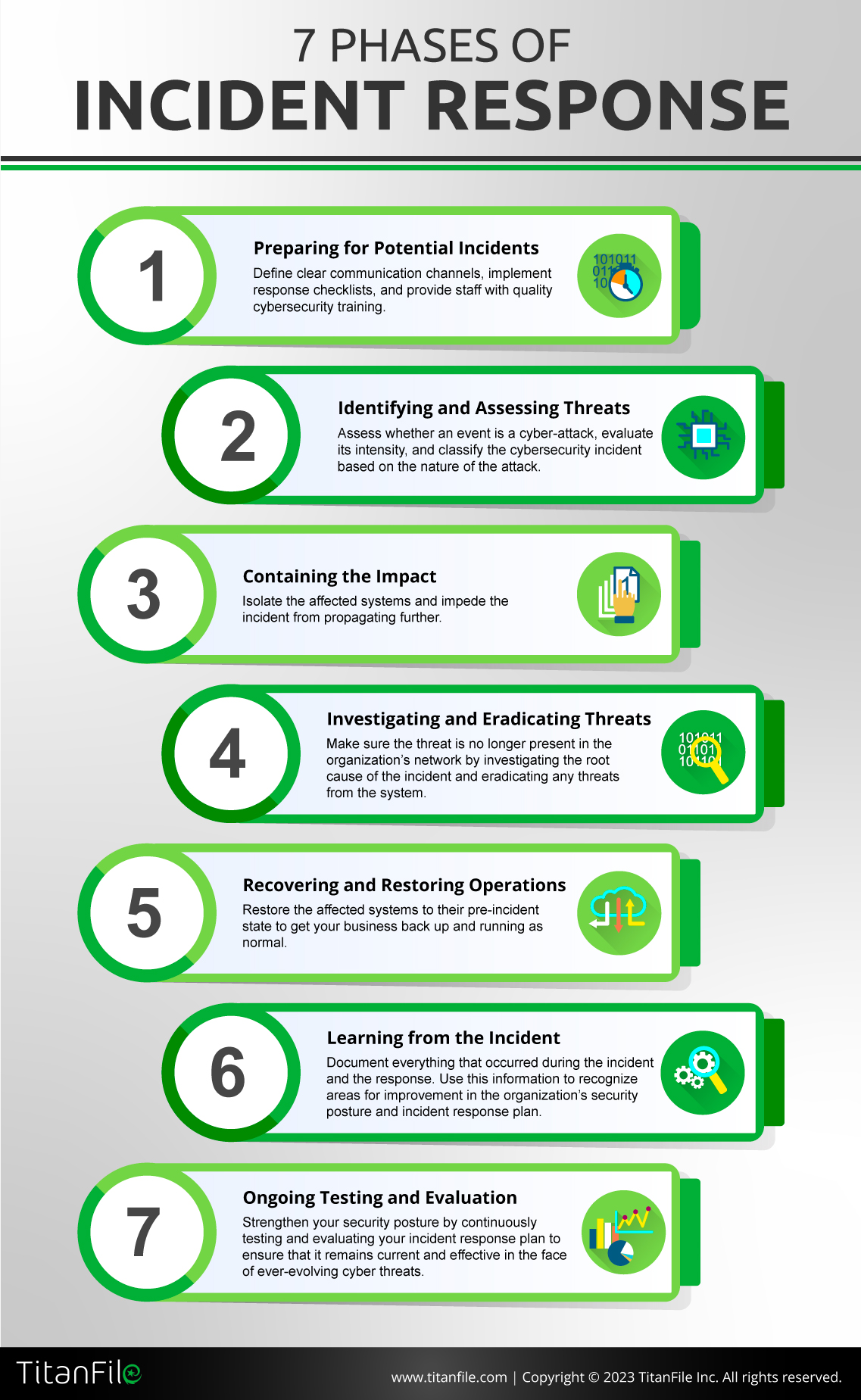
The "108 incident" refers to a specific, widely analyzed operational failure involving a technical, systemic, or security event categorized by its numerical designation. Understanding this event requires a clear separation of documented technical data from anecdotal speculation. By examining the chronology of events, the immediate systemic response, and the long-term adjustments necessitated by the incident, stakeholders can gain a clearer perspective on why the event occurred and how its impacts have shaped current standards and operational protocols as of 2026.
Defining the Scope of the 108 Incident
In professional and technical contexts, an incident labeled "108" typically points to a specific point of failure or a designated log entry within a structured management system. Whether referring to a regional emergency response communication protocol, a specific software patch failure, or a documented security breach in an industrial network, the "108 incident" is characterized by a breakdown in established standard operating procedures (SOPs).
To understand the 108 incident, one must first identify the environment in which it occurred. In many documented cases, the 108 incident arose due to a configuration drift—a situation where the actual state of a system diverges from its documented baseline. When monitoring tools flag an occurrence as "108," they are often pointing to a violation of a threshold or a breach of a pre-defined safety boundary. By 2026, industry leaders treat these incidents as critical data points that drive iterative improvements in automation and predictive maintenance.
Chronology and Sequence of Events
The progression of the 108 incident generally follows a predictable pattern common to critical infrastructure or software failures. Initially, the system operates within normal parameters. The deviation begins with a latent trigger, which is often an overlooked variable—a sensor mismatch, an unvalidated input, or a human error in a complex workflow.
Once the event threshold is crossed, the notification system generates a "108" alert. This alert is the primary indicator that the system can no longer self-correct. The subsequent phase involves manual intervention, where operators must determine whether the incident is a false positive—caused by a fault in the monitoring hardware itself—or a genuine systemic compromise. Documentation from previous years highlights that the delay in distinguishing between these two states is often the most significant contributor to the total impact of the incident.
Technical Factors and Root Causes
The technical root causes of the 108 incident are rarely singular. They usually involve a combination of hardware limitations, software interdependencies, and environmental stressors. For instance, if the incident involves data loss or access disruption, the technical investigation often reveals a "cascading failure" model. In this model, the initial failure of a secondary component puts excessive strain on a primary component, leading to a broader system collapse.
By 2026, forensic analysis of the 108 incident has shifted focus toward observability. Observability goes beyond traditional monitoring by providing logs, metrics, and traces that allow engineers to reconstruct the exact state of a system at the time of the 108 event. The goal is to move from reactive troubleshooting to proactive resilience. Key areas of failure often include:
- Inadequate redundancy: The primary and backup systems failed simultaneously due to a shared dependency.
- Version mismatch: Updated software components were incompatible with legacy hardware, triggering the 108 error code.
- Human interface gaps: The dashboard display did not provide enough context for the operator to make an informed decision during the critical window.
Impact Assessment: Systemic and Operational
The impact of the 108 incident can be measured across several dimensions, ranging from immediate downtime to long-term reputational or financial consequences. Understanding the full scope of this impact is essential for organizations attempting to mitigate the risks of similar occurrences.
The following table categorizes the common impact vectors observed in 108 incidents:
| Impact Category | Description | Primary Metric for 2026 |
|---|---|---|
| Operational | Immediate suspension of core functions | Mean Time to Recover (MTTR) |
| Financial | Direct costs of repair and lost output | Total Cost of Ownership (TCO) |
| Reputational | Loss of trust among stakeholders | Service Level Agreement (SLA) status |
| Compliance | Breach of industry or government mandates | Audit documentation gaps |
The operational impact is often the most visible. In many cases, the incident results in a full or partial outage of a service. Financial impact, however, often proves more complex, involving not just the cost of repairs but also penalties derived from violated service level agreements (SLAs). In the current regulatory environment of 2026, documenting the "why" behind the impact is as important as rectifying the "what."
Mitigating Future Occurrences
Preventing a recurrence of the 108 incident requires a multi-layered approach to risk management. This involves institutionalizing the lessons learned from the initial failure into the design phase of new projects.
One of the most effective strategies is the implementation of "fail-safe" mechanisms. A fail-safe ensures that if a component fails, the system defaults to a state that is safe rather than a state that is uncontrolled. In 2026, many organizations are utilizing digital twins—virtual replicas of physical systems—to simulate the 108 incident under controlled conditions. This allows engineers to test their recovery procedures without risking production downtime.
Another critical pillar of mitigation is rigorous personnel training. Since the 108 incident often involves a decision-making component, regular drills and incident simulations help staff understand exactly what their role is when the 108 alarm sounds. Relying on documentation is necessary, but muscle memory built through simulated experience is often what saves a system from a total outage.
Frequently Asked Questions
What should be the immediate reaction to a 108 incident?
The immediate reaction must be to isolate the affected segment to prevent the error from cascading. After containment, the priority shifts to data preservation—capturing logs and memory dumps before the system is reset or patched. Following containment, an impact assessment must be performed to determine the severity and scope of the event.
Can the 108 incident be entirely prevented?
While absolute prevention is rarely possible in complex systems, the likelihood and severity of the 108 incident can be significantly reduced. Through redundant architecture, comprehensive monitoring, and regular "stress testing" of systems, organizations can create a resilient environment that handles the triggers of such incidents without service failure.
What is the difference between a 108 incident and a standard system error?
A standard error is typically routine and handled by automated scripts or simple resets. A 108 incident is classified as such because it usually necessitates human intervention or a deviation from standard operating procedure. It signifies a threshold breach that could lead to significant operational, financial, or safety consequences if not addressed promptly.
How has the approach to the 108 incident changed by 2026?
The primary change is the shift from manual monitoring to AI-augmented observability. In 2026, machine learning models analyze trends leading up to an incident. If the system detects patterns associated with the 108 incident, it can now suggest preemptive actions or automatically re-route traffic, drastically reducing the chances of a full-scale outage.
Does the 108 incident have legal implications?
Yes, depending on the industry and the nature of the data involved. If the 108 incident results in a breach of personal, financial, or sensitive information, organizations may be legally obligated to report the event to regulatory authorities. Documentation from the time of the incident is crucial for demonstrating compliance and establishing the timeline of the company's response.
Recommended Next Actions
For those managing environments susceptible to the 108 incident, the most practical next step is a comprehensive audit of current logging and monitoring infrastructure. Ensure that all critical nodes are not only being monitored but are also integrated into an automated notification system that provides sufficient metadata to differentiate between hardware failure and logical errors.
Furthermore, conduct a gap analysis of your existing incident response plan. Ensure that the 108 incident scenario is included in your annual disaster recovery drills. By preparing for the eventuality of the failure rather than assuming the system is infallible, you build an organization capable of absorbing shocks and maintaining continuity in a professional, systematic manner.