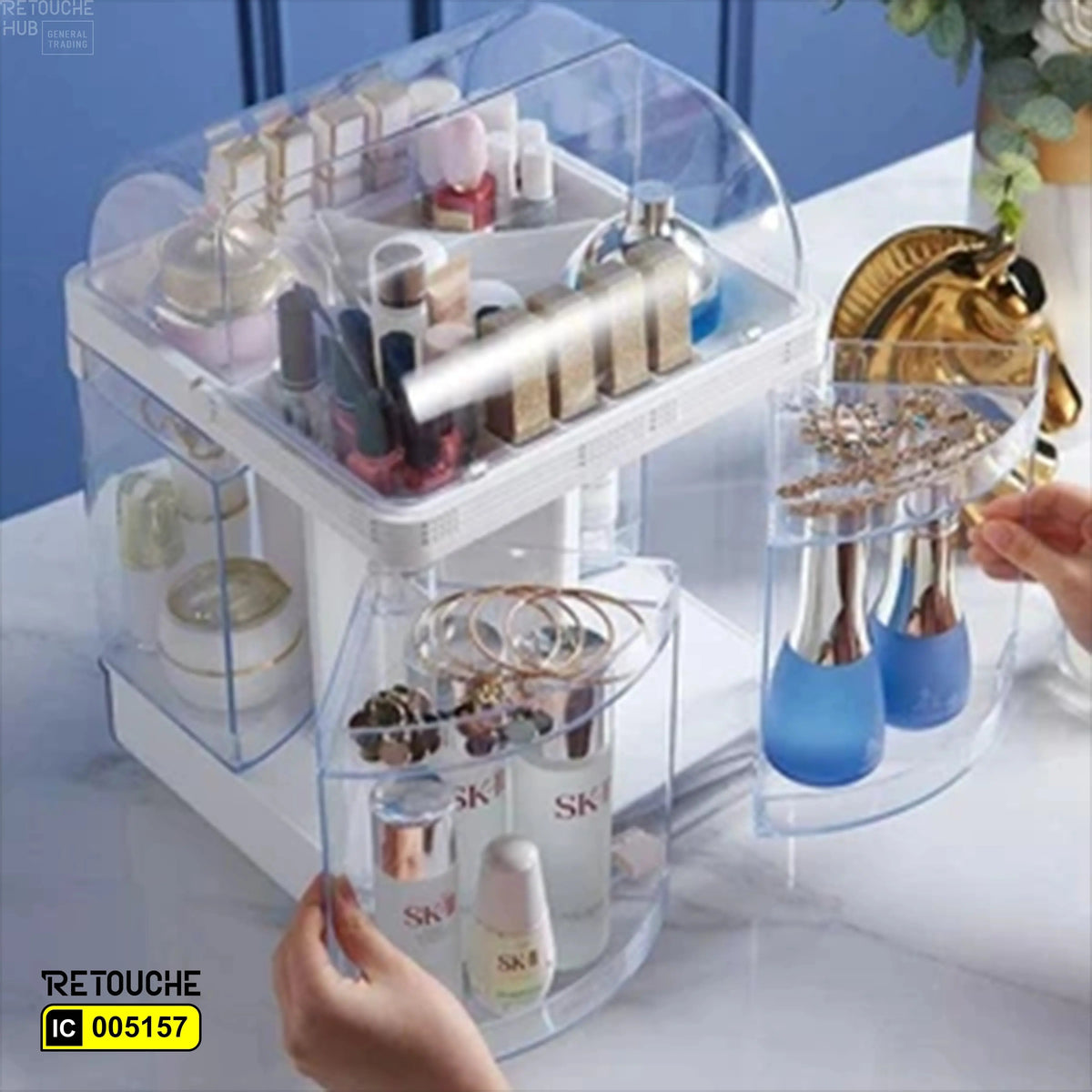
Achieving an efficient makeup collection requires a strategic combination of modular storage, categorization by product function, and environmental controls. By utilizing vertical space, implementing transparent containers, and adhering to strict inventory rotation, you can maximize accessibility while preventing product degradation, ensuring your beauty routine remains both functional and sustainable.
Assessing Your Collection and Space Requirements
Before acquiring storage containers or installing shelving, conduct a comprehensive audit of your existing cosmetics. The effectiveness of any storage solution hinges on your ability to categorize items by frequency of use. Group products into "Daily Essentials," "Occasional Use," and "Seasonal/Specialty." Measuring the physical footprint of these categories prevents the common mistake of purchasing storage that is either insufficient for your volume or too bulky for your available vanity surface or drawer space.
Consider the environmental conditions of your storage area. Makeup stability is highly dependent on temperature and light exposure. Avoid placing storage solutions near heat-emitting appliances, such as hair dryers or space heaters, and keep products away from direct sunlight, which can alter the chemical composition of foundations and preservatives. If you store makeup in a bathroom, ensure the environment is well-ventilated to prevent humidity-related bacterial growth in cream-based formulas.
Maximizing Small-Footprint Areas
For those with limited surface area, verticality is the primary architectural solution. Wall-mounted shelving or magnetic boards provide an effective way to keep high-use items visible without cluttering the tabletop. Magnetic strips, when paired with metallic backings on powder compacts, create a "display-style" storage system that occupies zero desk space.
Drawer dividers are essential for preventing the migration of small items like eyeliners, brow pencils, and mascaras. Adjustable modular inserts allow you to customize the size of each compartment as your collection fluctuates. When choosing materials, clear acrylic remains the industry standard for organization because it offers immediate visual identification, reducing the time spent searching for specific shades during your morning routine.
Categorization Strategies for Efficiency
Organization is not merely about placement; it is about cognitive accessibility. To streamline your routine, sort products by their position in the application process: complexion, eyes, cheeks, and lips. This "workflow" method minimizes physical movement while you are getting ready.
| Storage Method | Best For | Benefit |
|---|---|---|
| Acrylic Trays | Palettes/Compact Powders | High visibility and easy access |
| Rotating Carousels | Skincare/Bottled Liquids | Maximizes deep corner space |
| Drawer Inserts | Pencils/Brushes/Small tools | Prevents item shifting and clutter |
| Wall-Mounted Racks | Nail polish/Perfume bottles | Preserves surface space |
| Zippered Organizers | Travel/On-the-go storage | Protects items during transport |
Maintaining Product Integrity
A critical, often overlooked aspect of makeup organization is the implementation of an expiration tracking system. Every cosmetic product has a PAO (Period After Opening) symbol, usually indicated by a jar icon with a number (e.g., 6M for six months). Use small adhesive labels or a simple digital spreadsheet to record when items were opened.
When your storage is overcrowded, older products are often buried at the back, leading to unnecessary waste. Implement a "First-In, First-Out" (FIFO) system by rotating newer purchases to the back of your storage containers. During your bi-annual deep clean, verify the scent, texture, and color of your products; if a liquid foundation has separated beyond repair or a mascara has developed a dry, clumping consistency, discard the item safely to maintain the hygiene of your collection.
Advanced Storage Solutions for Enthusiasts
For larger collections, dedicated furniture pieces like rolling carts or repurposed armoires offer a "mini-studio" setup. Rolling carts are particularly versatile because they can be moved to the best natural lighting source in your room—an essential factor for accurate color matching. If you utilize a vanity, ensure the lighting setup includes diffused light sources on either side of the mirror to eliminate shadows, which is often a prerequisite for precise makeup application.
Investing in climate-controlled storage for high-end beauty products is a niche but effective strategy for those living in extreme climates. While standard room temperature is sufficient for most cosmetics, certain luxury skincare items containing active ingredients benefit from dedicated, low-temperature beauty refrigerators. These units maintain a consistent temperature, which can help prevent the oxidation of sensitive formulations like Vitamin C serums.
Common Mistakes to Avoid
A frequent error in makeup organization is over-buying storage containers before reducing the physical collection. If you have products that you no longer use or that have reached their expiration date, clearing this inventory is the most effective way to "organize" your space. Another pitfall is improper brush maintenance. Brushes should ideally be stored vertically with the bristles facing up in a clean, dust-free container to ensure they maintain their shape and do not pick up debris from surfaces.
Avoid storing beauty tools with sharp edges—such as metal eyelash curlers or tweezers—in the same containers as glass bottles, as this can lead to scratching or accidental breakage. Always store items that are frequently paired together (like your favorite lip liner and matching lipstick) in the same physical pod or bin to reduce the number of actions required to complete your makeup look.
Next Steps for Implementation
Begin by auditing your current inventory and discarding any items that have passed their period-after-opening duration. Once the inventory is lean, measure the interior dimensions of your primary storage area—whether it is a vanity drawer or a shelf. Purchase only the modular dividers that fit these specific dimensions to ensure a flush, secure fit. Finally, establish a monthly "reset" routine where you wipe down your acrylic containers and reorganize your most-used items to maintain the system you have built. Consistency in this maintenance schedule is the only way to ensure the organizational structure remains functional over time.