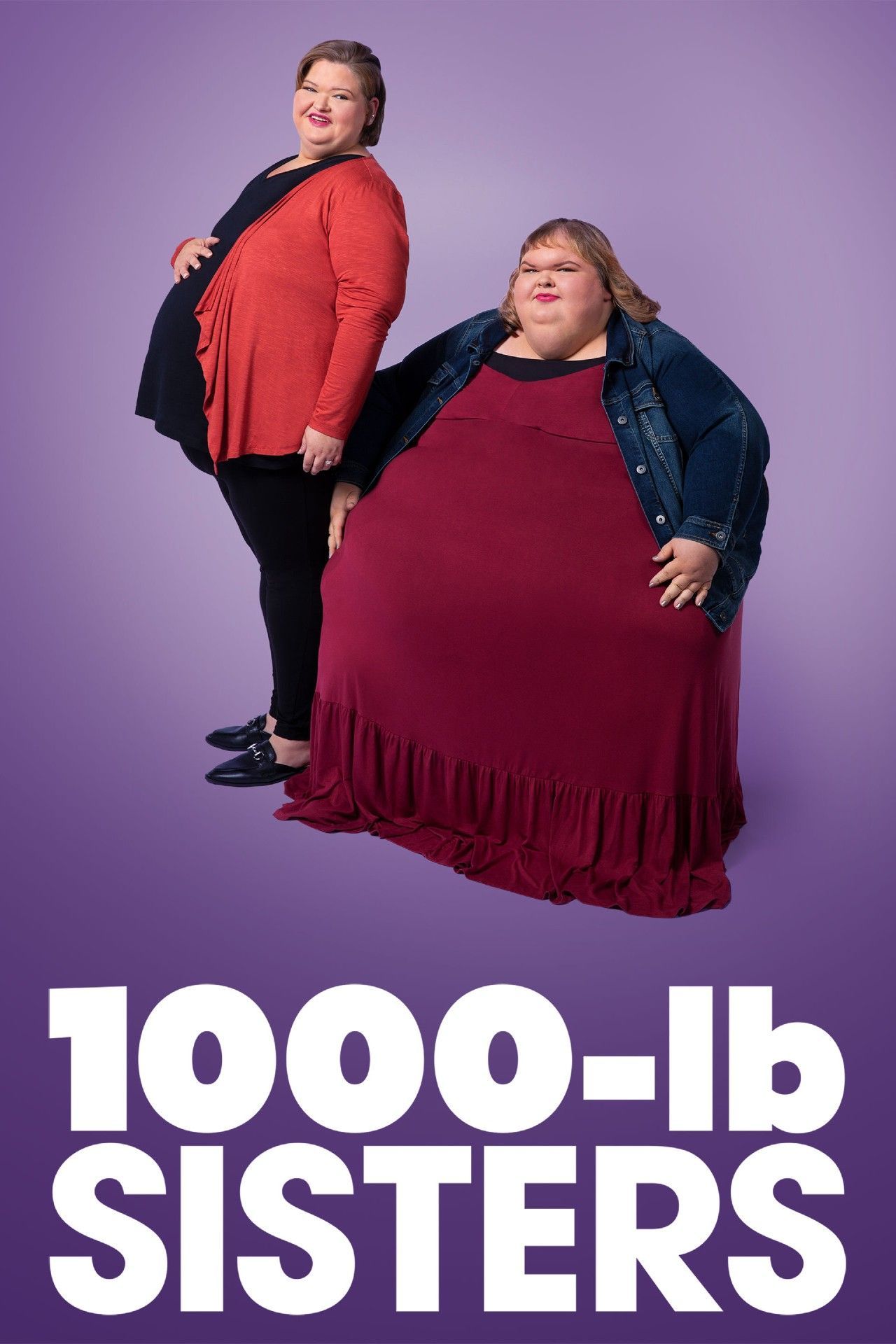
In Season 2 of TLC’s hit reality series 1000-Lb. Sisters, Amy Slaton achieved major personal and health milestones, proving her determination to transform her life. Following her gastric bypass surgery, Season 2 showcased Amy navigating a high-risk pregnancy, welcoming her first son, Gage, and leaning on key allies like her husband Michael and brother Chris.
The Context of Season 2: Amy Slaton’s Post-Surgery Reality
When Season 2 of 1000-Lb. Sisters premiered on TLC in early 2021, viewers re-entered the life of Amy Slaton at a pivotal turning point. Having successfully qualified for and undergone gastric bypass surgery with bariatric surgeon Dr. Charles Procter Jr. near the conclusion of Season 1, Amy entered the second season at a drastically reduced weight compared to her starting point of over 400 pounds. The central focus shifted from merely qualifying for surgical intervention to managing life in recovery, adjusting to rapid physical changes, and adhering to strict dietary restrictions required after weight loss surgery.
Bariatric surgery alters the digestive system, drastically reducing stomach capacity and changing metabolic signals. For post-operative patients, the first year requires disciplined macronutrient intake, high-protein prioritization, routine vitamin supplementation, and continuous clinical oversight to prevent severe nutritional deficiencies or complications such as dumping syndrome. In Season 2, Amy faced these strict physical demands while simultaneously adjusting to her evolving personal relationships and public visibility as a reality television personality.
Despite the physical and psychological challenges of rapid weight loss, Amy’s primary motivation had always been clear: she wanted to become a mother. Achieving a lower body mass index (BMI) was a medical prerequisite set by her doctors before pregnancy could safely be considered. Season 2 documented the immediate aftermath of reaching that initial goal, illustrating how surgical success opened the door to new personal milestones while introducing unexpected health complexities.
Navigating High-Risk Pregnancy After Bariatric Surgery
The central drama and triumphant storyline of Season 2 unfolded when Amy discovered she was pregnant just months after her bariatric procedure. Medical guidelines typically recommend that female patients wait 12 to 18 months following weight loss surgery before attempting to conceive. This waiting period allows body weight to stabilize, ensures adequate nutritional absorption during the active rapid weight loss phase, and minimizes health risks to both the mother and developing fetus.
Amy’s early pregnancy created significant concern for her medical team, led by Dr. Procter. Because gastric bypass restricts nutrient absorption, a pregnancy occurring during the acute post-operative window carries heightened risks for maternal anemia, fetal growth restriction, and gestational complications. Dr. Procter and maternal-fetal medicine specialists closely monitored Amy’s blood panel levels, fetal development, and weight fluctuations throughout her pregnancy.
Post-Bariatric Pregnancy Management Rules: 1. Wait 12–18 months post-op before conception (standard medical guideline). 2. Monitor key micronutrients: folate, B12, iron, calcium, and vitamin D. 3. Manage daily caloric expansion without exceeding surgical pouch capacity. 4. Conduct frequent fetal growth scans to assess normal development.
Throughout the season, Amy candidly shared her struggles with pregnancy cravings, morning sickness, and the mental burden of worrying about her baby's health. While she occasionally faced criticism from doctors and viewers regarding her dietary choices during pregnancy—such as consuming Chinese food and sweet treats—she remained focused on carrying the pregnancy to term. The culmination of this high-risk journey occurred in November 2020, during the filming of Season 2, when Amy successfully delivered her healthy son, Gage Deon Halterman, via C-section, marking a monumental personal victory.
Amy’s Key Allies: The Support Network Behind Her Success
Amy’s progress throughout Season 2 was not achieved in isolation. A strong network of personal and family allies played a crucial role in providing emotional stability, physical help, and accountability when stress levels were high.
Michael Halterman
Amy’s husband, Michael, remained a constant pillar of support throughout Season 2. From assisting with home care during Amy’s post-surgical recovery to helping transport both Amy and her sister Tammy to medical appointments, Michael provided consistent logistical and emotional backing. During Amy’s pregnancy, his presence was vital in reassuring her through health scares and supporting her through the physical discomforts of a high-risk pregnancy.
Chris Combs
Season 2 introduced Amy and Tammy’s older brother, Chris Combs, into a more prominent on-camera role. Recognizing that both of his sisters needed ongoing encouragement, Chris joined the weight loss journey himself. By meeting with Dr. Procter and working to qualify for his own bariatric surgery, Chris became a key accountability partner for the family. His presence created a bridge between Amy’s success and Tammy’s ongoing struggles, helping keep the family focused on health goals.
The Medical Team
Dr. Charles Procter Jr. served as both a clinical guide and a firm voice of reason. While supportive of Amy’s dream of motherhood, Dr. Procter maintained clear boundaries regarding medical compliance, protein intake, and safety monitoring. His structured medical advice provided the safety net required to navigate a complex post-bariatric pregnancy.
Standout Moments Where Amy Achieved Her Goals in Season 2
Season 2 featured multiple memorable milestones where Amy demonstrated her growth, independence, and commitment to building a healthier future for her growing family.
- Reaching Personal Weight Loss Thresholds: Early in the season, Amy continued to show measurable progress on the scale, validating the success of her gastric bypass surgery and reinforcing her commitment to health changes.
- The Maternity Photoshoot: Celebrating her pregnancy, Amy organized a professional maternity photoshoot. The moment highlighted her newfound body confidence, self-worth, and joy after years of struggling with morbid obesity and mobility issues.
- Nesting and Nursery Preparation: Viewers watched Amy take active steps to clean, organize, and decorate her living space for the arrival of baby Gage. This milestone represented a significant shift toward personal independence and adult responsibility.
- Welcoming Baby Gage: The delivery of baby Gage served as the emotional climax of Season 2. Overcoming significant odds and medical risks, holding her healthy child proved that her surgical sacrifices had yielded the ultimate reward.
- Stepping Into Motherhood: The final episodes of the season captured Amy’s immediate transition into maternal care, emphasizing her dedication to breaking cycles of unhealthiness for the benefit of her newborn child.
Comparing Amy and Tammy’s Trajectories in Season 2
A defining narrative element of 1000-Lb. Sisters Season 2 was the stark contrast between Amy’s forward momentum and her sister Tammy’s continuing health hurdles. While Amy reached key surgical and family goals, Tammy struggled with weight gain, compliance issues, and major health complications, including contracting COVID-19.
| Feature / Metric | Amy Slaton (Season 2) | Tammy Slaton (Season 2) |
|---|---|---|
| Bariatric Surgery Status | Completed (Gastric Bypass in Season 1) | Not Qualified (Missed weight goals) |
| Primary Life Focus | Post-op recovery, pregnancy, motherhood | Weight loss qualification, mobility struggles |
| Key Support Person | Husband (Michael) & Brother (Chris) | Brother (Chris) & Home caregivers |
| Major Milestone Achieved | Birth of son, Gage Deon Halterman | Brief weight reduction before setbacks |
| Primary Health Challenges | High-risk pregnancy, post-op nutrition | COVID-19 infection, severe immobility |
| Medical Compliance Level | Moderate to High (Monitored by Dr. Procter) | Low to Unstable (Struggled with diet consistency) |
This operational divergence created natural tension within the household. As Amy shifted her primary focus toward caring for her infant son, her capacity to act as Tammy’s primary caregiver diminished. This shift forced both sisters to re-evaluate their codependent living situation, prompting discussions about independent living and long-term care for Tammy that echoed throughout subsequent seasons.
Lessons on Bariatric Recovery, Support Systems, and Reality TV
Amy’s journey in Season 2 provides meaningful insights into the real-world complexities of weight loss surgery and life transformation. While reality television compresses timeframes and highlights dramatic moments, the underlying health principles remain relevant to anyone observing or undergoing similar medical procedures.
The Impact of Clear Goals
Amy’s goal was never solely numerical weight loss on a scale; her primary goal was becoming a parent. Having a concrete, deeply personal outcome helped her tolerate the strict pre-operative diets, major surgical recovery, and post-operative monitoring required by bariatric programs.
The Dual Role of Family Dynamics
Family members can serve as both essential support structures and sources of emotional stress. Amy benefited tremendously from the practical help of Michael and Chris, but also had to set boundaries regarding her sister Tammy’s needs in order to protect her own health and focus on her newborn.
Understanding Post-Op Medical Compliance
Amy’s pregnancy immediately after gastric bypass illustrates why surgical teams stress strict compliance guidelines. While Amy’s story resulted in a healthy delivery, post-bariatric pregnancy requires intense medical oversight from specialists like those at the American Society for Metabolic and Bariatric Surgery to prevent malnutrition and gestational hazards.
Frequently Asked Questions
When did Season 2 of 1000-Lb. Sisters air?
Season 2 of 1000-Lb. Sisters originally premiered on TLC on January 4, 2021, and ran through March 2021, covering events filmed during 2020.
Did Amy Slaton lose weight during her pregnancy in Season 2?
While pregnant women are expected to gain weight, Amy managed to keep her weight relatively stable due to her post-gastric bypass metabolism, though doctors continuously monitored her to ensure the baby received adequate nutrition.
Who was Amy Slaton's bariatric surgeon in Season 2?
Dr. Charles Procter Jr., a board-certified bariatric surgeon based in Atlanta, Georgia, oversaw Amy’s post-operative care and weight management throughout Season 2.
What was the name of Amy Slaton's baby born in Season 2?
Amy gave birth to a son named Gage Deon Halterman in November 2020, whose birth was showcased as a major feature near the end of Season 2.
Why was Amy's pregnancy considered high risk?
Amy's pregnancy was high risk because it occurred less than a year after her gastric bypass surgery, increasing potential risks for nutrient malabsorption, fetal growth complications, and surgical site stress.
Where to Stream Season 2 and Follow Updates
For viewers looking to rewatch Amy Slaton’s Season 2 breakthroughs or catch up on the complete series, 1000-Lb. Sisters is available on official streaming platforms. Full seasons can be accessed through Max (formerly HBO Max) and the discovery+ platform, as well as on-demand via TLCGO with valid television provider credentials.
To understand the broader context of Amy's medical journey, prospective patients or viewers interested in post-bariatric care can consult health resources provided by the National Institute of Diabetes and Digestive and Kidney Diseases, which details guidelines for long-term health following metabolic surgery. Observing Amy's transition from applicant to post-op mother remains one of the most compelling arcs in modern reality television, demonstrating the real-world commitment required to sustain long-term wellness.