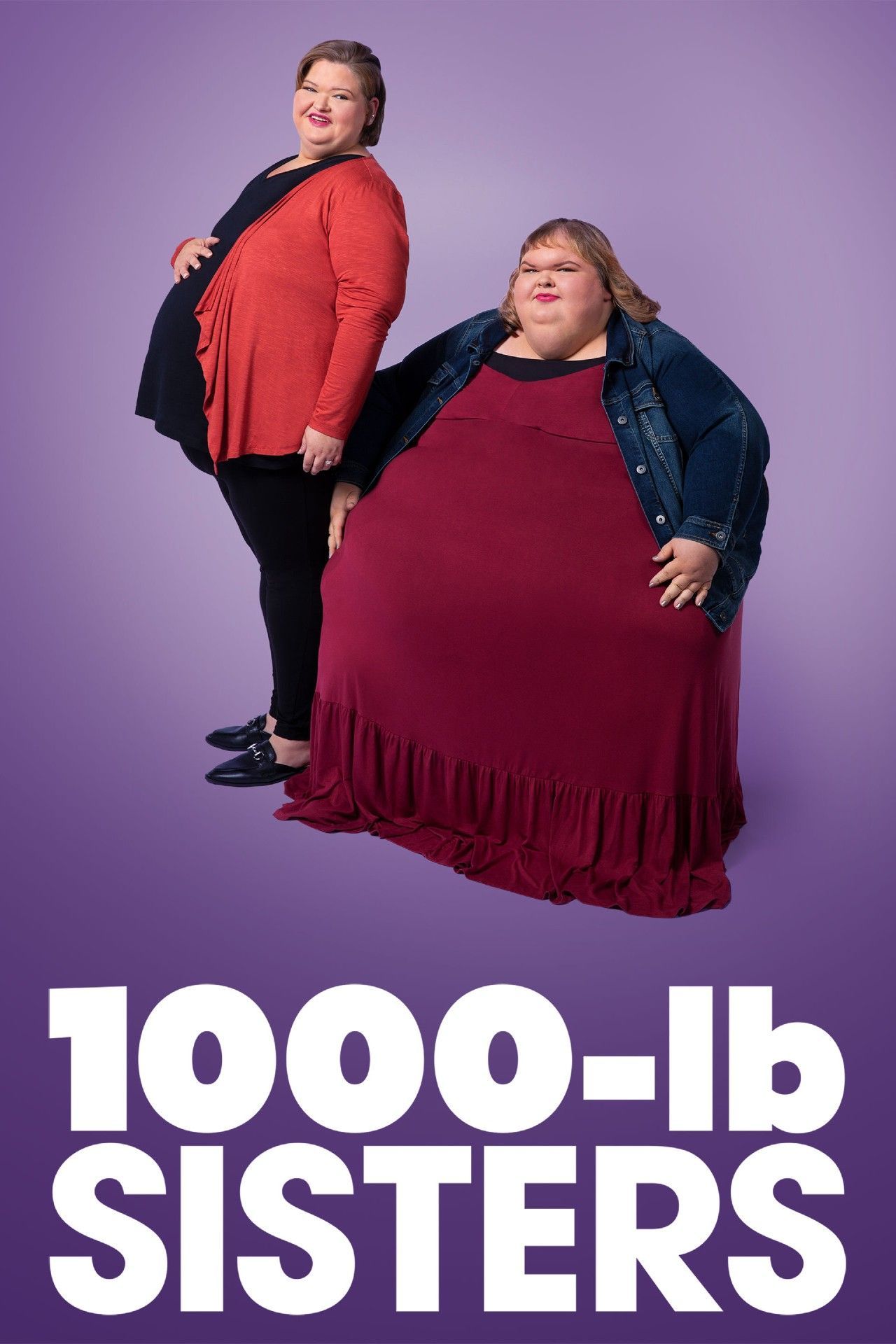
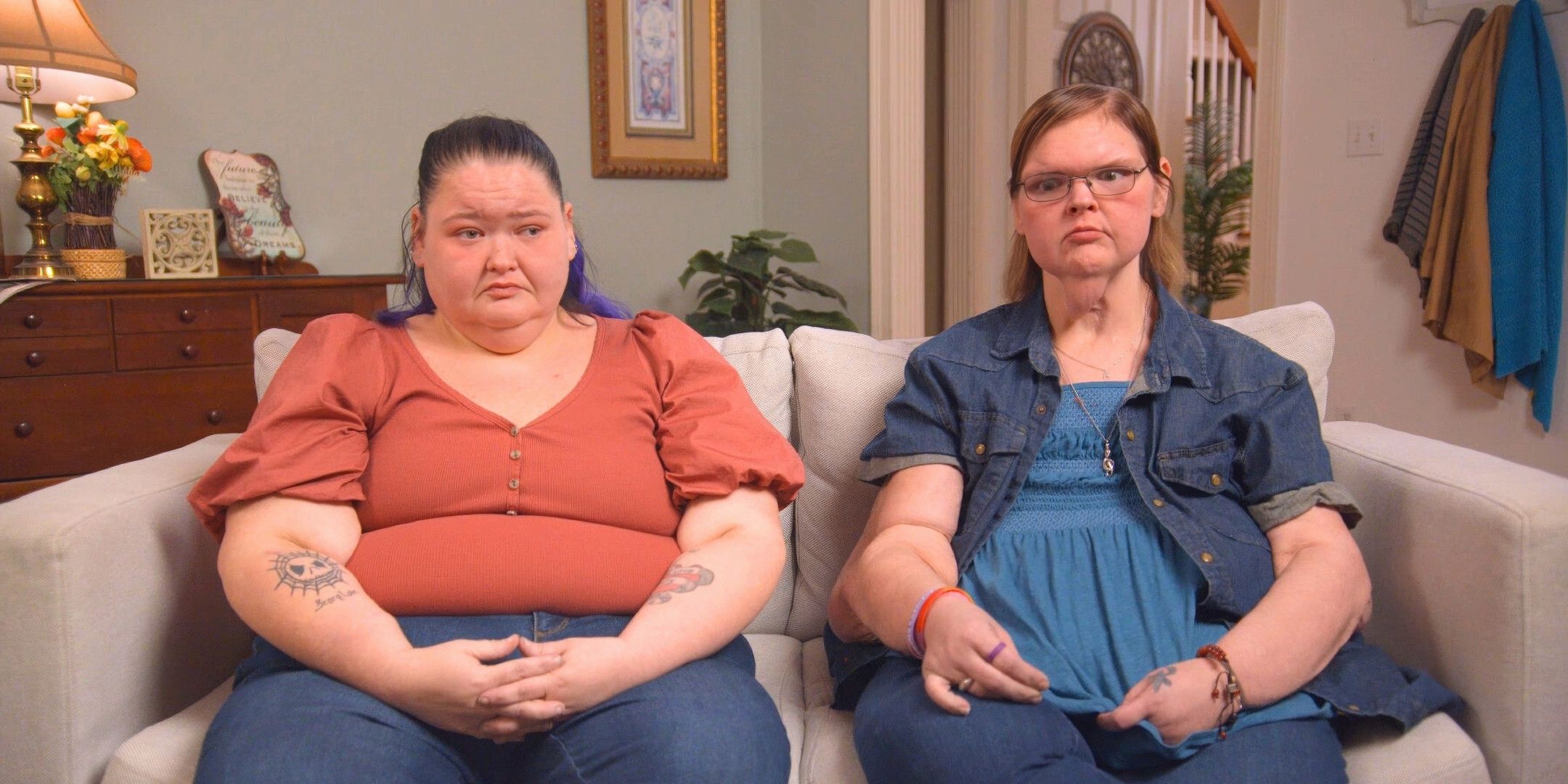
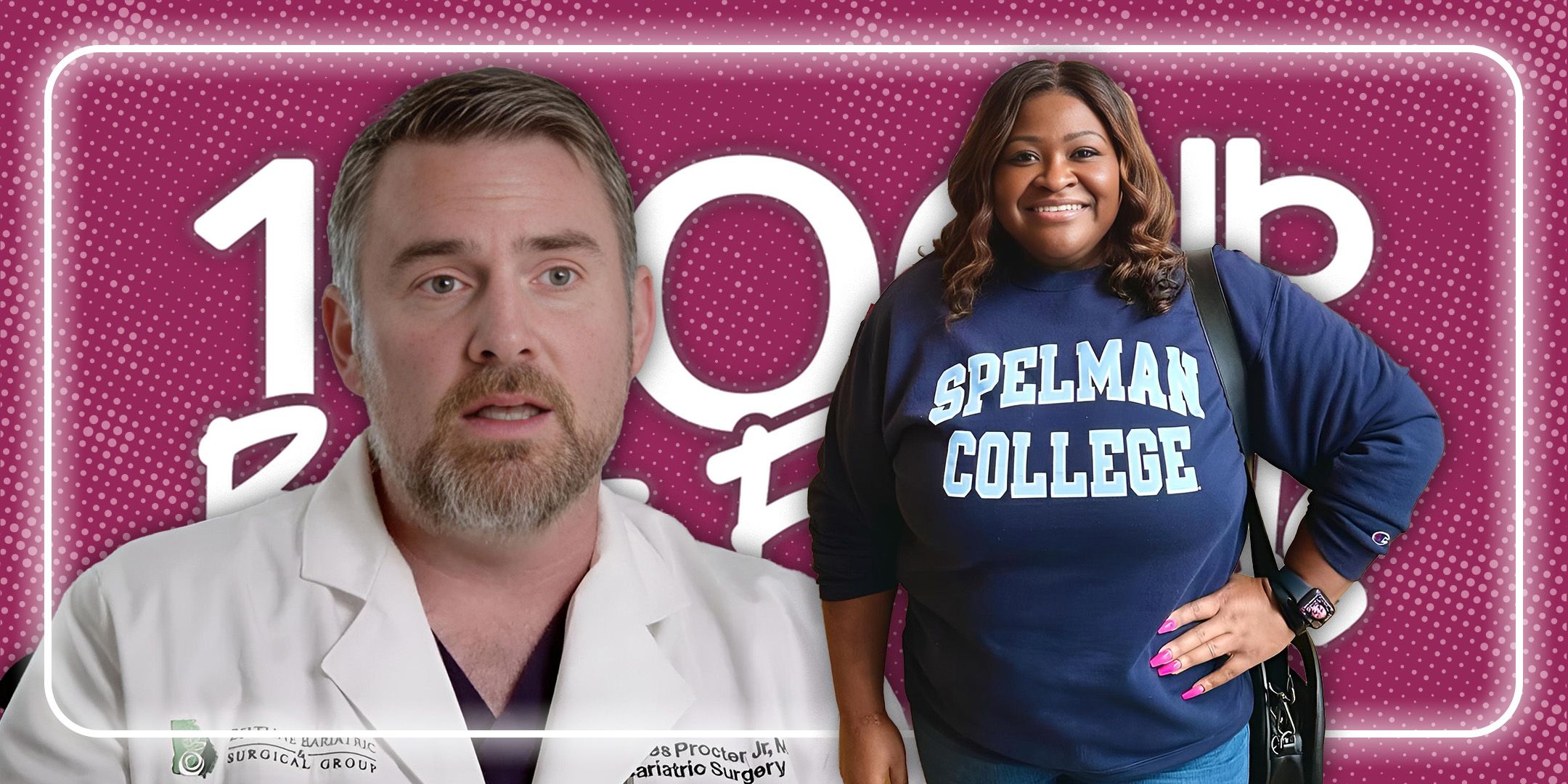
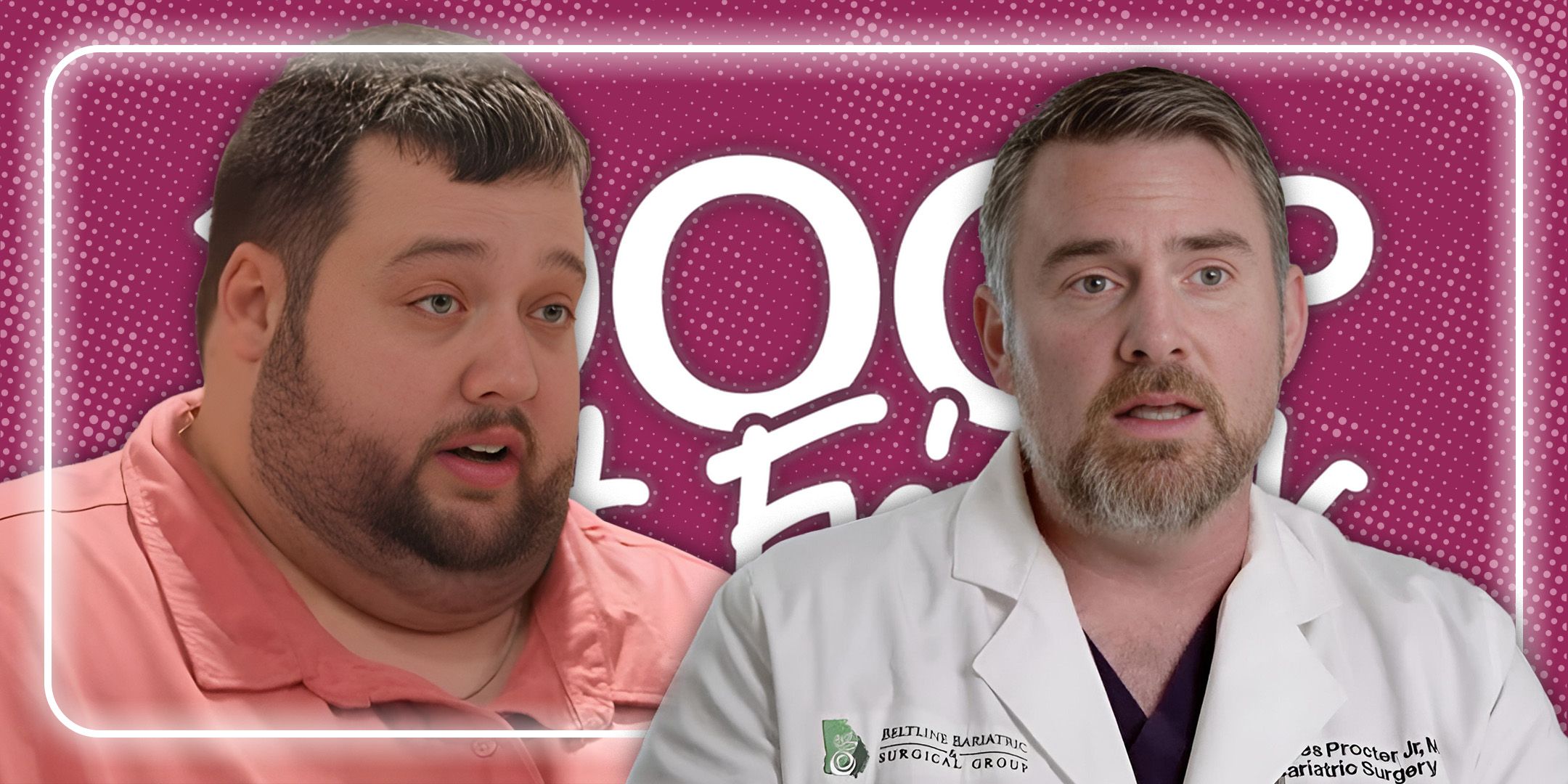
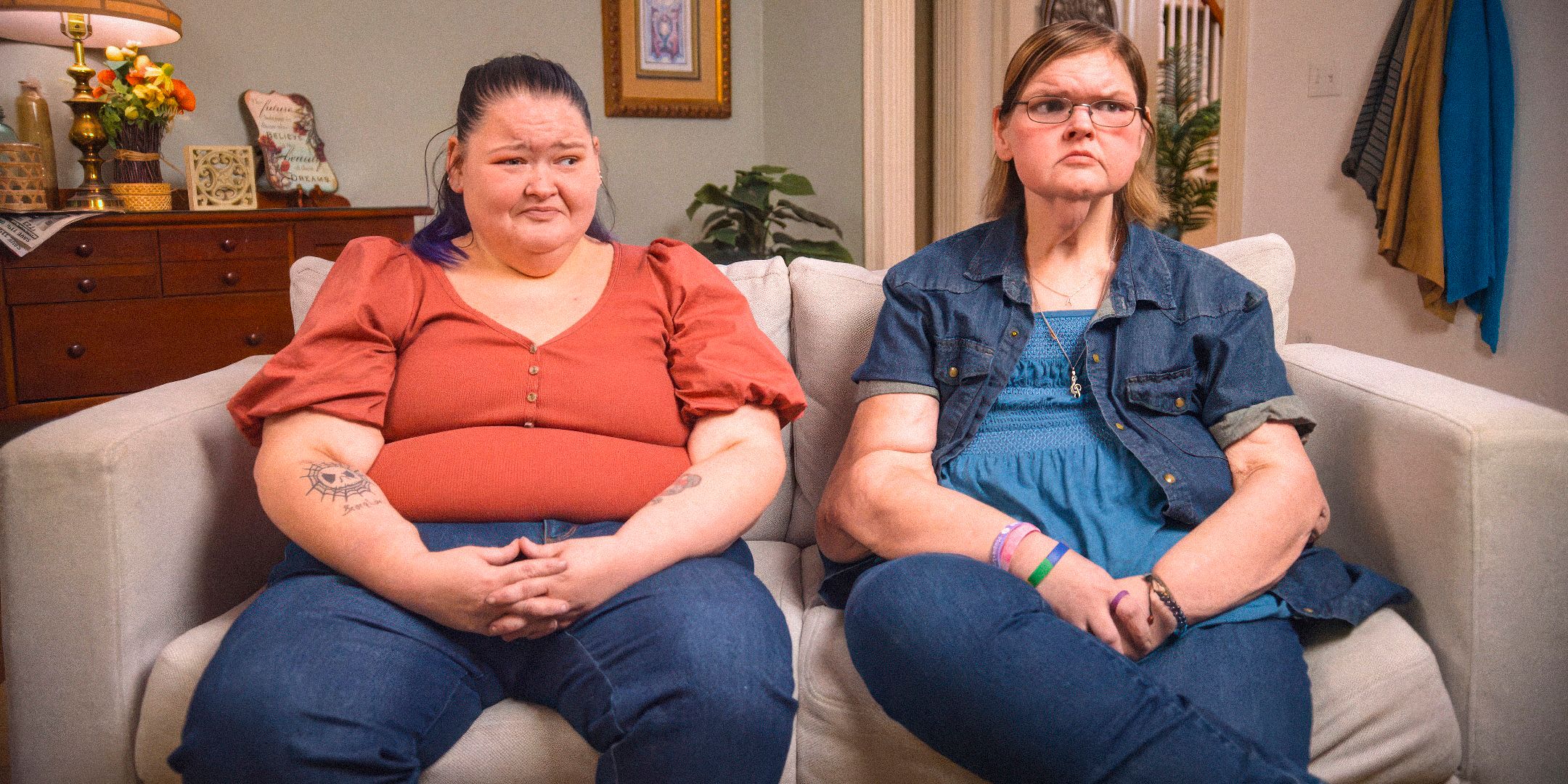
TLC’s hit reality series 1000-Lb. Friends follows four lifelong friends—Vannessa Cross, Meghan Crumpler, Ashely Sutton, and Tina Arnold—as they navigate severe obesity, emotional challenges, and bariatric surgery. Guided by Atlanta bariatric surgeon Dr. Charles Procter Jr., the show highlights their physical transformations, mental health hurdles, and enduring friendship on their journey toward healthier lives.
Premise and Origins of TLC's 1000-Lb. Friends
Unscripted television focused on weight loss and health transformation has long held a prominent place in popular culture, but TLC’s 1000-Lb. Friends shifted the narrative by focusing on female camaraderie, collective accountability, and mutual emotional support. Premiering in February 2022, the show emerged as a spin-off of sorts from TLC's Too Large, where viewers were first introduced to best friends Meghan Crumpler and Vannessa Cross. Recognizing the compelling dynamic between the duo and their extended social circle, network executives expanded the spotlight to include long-time friends Ashely Sutton and Tina Arnold.
The core premise of 1000-Lb. Friends centers on four women living in Georgia whose combined weights initially approached or exceeded a cumulative half-ton. Unlike solitary weight-loss chronicles, this series underscores the social and emotional realities of severe obesity. The women tackle daily challenges ranging from mobility limitations and metabolic health crises to public judgment and deeply rooted childhood trauma. By framing weight loss as a shared endeavor rather than an isolated fight, the program reveals how peer encouragement—and occasionally interpersonal tension—shapes long-term health outcomes.
Throughout its multi-season run, the series has balancing vulnerable clinical consultations with unscripted personal moments. Viewers observe the contrast between the rigid medical requirements for surgical approval and the messy, human reality of breaking lifelong emotional eating habits. The show does not portray bariatric procedures as a quick fix; instead, it frames surgical intervention as a single tool within a broader, multi-faceted lifestyle overhaul requiring psychological therapy, dietary redesign, and sustained physical rehabilitation.
Cast Breakdown and Personal Health Transformations
| Cast Member | Initial Status | Medical Milestones | Core Emotional & Physical Focus |
|---|---|---|---|
| Vannessa Cross | High risk, 440+ lbs | Gastric bypass approved, massive weight loss success | Major lifestyle reset, mobility, skin removal surgery qualification |
| Meghan Crumpler | Early surgery recipient (via Too Large) | Pre-show bariatric procedure | Overcoming plateaus, coping with mental health and food addiction |
| Ashely Sutton | Prior bariatric history | Revision/second surgery path | Re-establishing discipline, overcoming weight regain and medical anxiety |
| Tina Arnold | Non-surgical focus initially | Holistic health management | Emotional boundary work, family stress, non-surgical intervention |
Vannessa Cross
Vannessa Cross quickly became the emotional heartbeat of 1000-Lb. Friends. When viewers first encountered her, Vannessa faced severe health threats related to morbid obesity, living on a restricted income while raising her children and struggling with severe food addiction. Initially hesitant and defensive about her lifestyle, her pivotal turning point arrived when Dr. Charles Procter issued a stark warning regarding her life expectancy.
Driven by a desire to be present for her sons, Vannessa committed fully to the prescribed pre-surgery diet, overcoming initial setbacks to achieve significant weight reduction. Following her successful bariatric surgery, she emerged as one of the network's most dramatic success stories, shedding over 200 pounds. Her journey progressed from basic mobility improvements to qualifying for extensive skin removal surgeries, symbolizing a profound physical and mental rebirth.
Meghan Crumpler
Meghan Crumpler served as the catalyst for bringing the group together on television. Having undergone bariatric surgery prior to the series premiere during her appearance on Too Large, Meghan initially represented the group's blueprint for success. However, as the series unfolded, her storyline highlighted the ongoing psychological struggle that persists long after surgical intervention.
Meghan encountered significant weight-loss plateaus, coping mechanisms tied to emotional stress, and the fear of relapse. Living for a time in Tina Arnold’s home alongside her partner, her dynamic with her friends oscillated between deep affection and defense mechanisms when confronted about her nutrition. Her arc candidly depicts how past trauma and mental health issues can impede physical progress, emphasizing that surgical alterations to the stomach do not automatically heal emotional wounds.
Ashely Sutton
Ashely Sutton brought a distinct narrative perspective to the group, having undergone a previous weight-loss surgery years prior that ultimately resulted in weight regain—a common yet rarely discussed reality in bariatric medicine. Ashely faced the daunting task of confronting past failures while attempting to qualify for a secondary or revision procedure.
Her journey throughout the series emphasizes accountability, professional recalibration, and overcoming self-doubt. Ashely’s commitment to re-learning nutritional fundamentals, adopting structured fitness routines, and facing the scale under clinical supervision offers viewers a realistic look at long-term weight management after surgical relapse.
Tina Arnold
Tina Arnold entered the series as a supportive pillar for her friends, often putting her own health needs behind those of her family and peers. Managing a busy household and artistic pursuits, Tina struggled with the psychological readiness required for invasive bariatric procedures.
Her narrative arc frequently explores the friction between non-surgical weight management and medical intervention. Tina’s reluctance to undergo surgery provided an alternative view on obesity treatment, addressing how anxiety, personal control, and family dynamics influence a patient’s decisions when considering life-altering medical operations.
The Role of Bariatric Medicine: Dr. Charles Procter Jr.
Central to the diagnostic and therapeutic framework of 1000-Lb. Friends is Dr. Charles Procter Jr., an Atlanta-based board-certified bariatric surgeon. Dr. Procter, who previously appeared on TLC’s 1000-Lb. Sisters and Too Large, offers a compassionate yet firm clinical voice within the series.
- Initial Bariatric Evaluation
- Pre-Op Supervised Diet & Therapy
- Clearance: Cardiopulmonary/Psych
- Surgical Intervention (Sleeve/Gastric Bypass)
- Post-Op Rehabilitation & Re-eval
From a clinical standpoint, Dr. Procter’s evaluations illustrate the rigorous protocols required before any bariatric procedure can safely occur. Patients do not simply sign up for surgery; they must complete a multi-step clearance process that typically includes:
- Mandatory Pre-Operative Weight Loss: Proving that the patient can follow a structured high-protein, low-carbohydrate diet to reduce liver size and decrease surgical risk.
- Psychological Assessments: Evaluating whether the individual possesses the mental stability, coping mechanisms, and social support necessary to handle post-surgical lifestyle changes.
- Cardiopulmonary Clearance: Ensuring that the heart and lungs can tolerate general anesthesia and the physiological stress of surgery.
- Nutritional Education: Working with registered dietitians to unlearn unhealthy eating patterns and prepare for liquid-to-solid food progressions post-surgery.
Dr. Procter’s consultations highlight the stark realities of bariatric science: surgical procedures such as Roux-en-Y gastric bypass or vertical sleeve gastrectomy are physiological reset buttons, not magic solutions. Without permanent behavioral modification, metabolic relapse remains a significant medical risk.
Disclaimer: Medical decisions regarding severe obesity and bariatric surgery should always be made in consultation with board-certified healthcare professionals. TV show depictions are edited for narrative pacing and do not represent individual medical advice.
Season-by-Season Progression and Key Storylines
Since its debut, 1000-Lb. Friends has tracked both individual physical milestones and the evolving group dynamic. The operational timeline of the show reflects several distinct phases of health recovery and personal drama.
Season 1: Foundations and Diagnostic Challenges
The inaugural season set the baseline for each cast member's health status. The focal point centered on Vannessa’s urgent need to drop weight to qualify for surgery, contrasted with Meghan’s post-operative maintenance struggles. The group engaged in collective activities designed to encourage physical movement, including camping trips and specialized exercise classes. Season 1 concluded with high-stakes medical weigh-ins, establishing who met the criteria for surgical intervention and who required further intervention.
Season 2: Breakthroughs, Setbacks, and Conflict
Season 2 delivered dramatic health developments, most notably Vannessa’s rapid physical transformation following her bariatric surgery. As Vannessa shed significant weight and gained mobility, dynamics within the friend group shifted. Tension surfaced regarding accountability, personal discipline, and emotional envy. Meanwhile, Meghan struggled with progress plateaus, and Ashely worked to navigate her surgical qualification path. The season highlighted the emotional complexity that arises when members of a close-knit group progress at vastly different rates.
Season 3 and Beyond: Long-Term Maintenance and Reconstructive Surgery
Subsequent developments in the cast's lives have focused on long-term health maintenance, body contouring, and reconstructive procedures. For individuals who lose hundreds of pounds, excess skin becomes a major physical and medical challenge, leading to chronic skin irritations and mobility issues. The narrative expands to address plastic surgery evaluations, the challenges of maintaining weight loss over multiple years, and the shifting social dynamics as each woman redefines her identity outside the lens of severe obesity.
Where to Watch and Stream 1000-Lb. Friends
For viewers seeking to watch current seasons or catch up on past episodes, 1000-Lb. Friends is distributed across several major broadcast and streaming platforms under Warner Bros. Discovery.
- Linear Television: The series airs natively on the TLC (The Learning Channel) cable network during active season runs, typically featuring prime-time broadcast slots.
- Subscription Streaming: Full seasons are available on-demand via Max and discovery+. Subscribers can access all aired episodes in high definition.
- Digital Video-on-Demand (VOD): Individual episodes and complete season passes are available for purchase on digital platforms including Amazon Prime Video, Apple TV, Google TV, and Vudu.
- Live TV Streaming Services: Audiences using cord-cutting services such as Philo, Sling TV, Hulu + Live TV, or YouTube TV can stream TLC live or access episodes through their provider’s built-in VOD library.
Cultural Impact and Public Reception of Health-Focused Reality TV
1000-Lb. Friends occupies a unique space within health-oriented unscripted programming. Historically, weight-loss shows focused heavily on aggressive boot-camp competition formats. In contrast, modern docuseries favor long-term observational narratives that showcase the slow, non-linear reality of medical weight management.
De-Stigmatizing Bariatric Medicine
By showing the detailed consultations with Dr. Procter, the series demystifies bariatric surgery. Viewers witness the rigorous psychological evaluations, surgical risks, and strict dietary phases required for recovery. This transparent view helps reduce the societal stigma that framed weight-loss surgery as an "easy way out," demonstrating instead that it requires intense physical and mental discipline.
Representation of Female Friendship and Body Image
The dynamic between Vannessa, Meghan, Ashely, and Tina resonates strongly with audiences because it depicts unfiltered female relationships. The show does not sanitize the arguments, jealousy, or insecurity that can arise when individuals undergo major life shifts. Instead, it highlights how honest conversations, vulnerability, and sustained emotional support are vital for long-term health and mental recovery.
Key Health Lessons and Actionable Insights from the Series
While 1000-Lb. Friends serves primarily as entertainment, the practical health lessons presented throughout the cast's journey carry broad relevance for anyone tackling major lifestyle changes.
1. Address the Psychological Root Causes of Addiction
Physical alterations to the digestive tract do not resolve underlying trauma, depression, or emotional eating habits. Long-term health transformations require parallel mental health interventions, such as cognitive behavioral therapy (CBT), to replace coping strategies centered around food with healthier alternatives.
2. Build a Support System Focused on Accountability
Surrounding oneself with individuals who share similar wellness goals increases the likelihood of success. However, as demonstrated by the cast's interpersonal tensions, peer support must be paired with personal responsibility. Healthy relationships foster constructive honesty rather than enabling self-destructive behaviors.
3. Track Non-Scale Victories (NSVs)
Focusing solely on body weight can lead to frustration during inevitable plateaus. The series highlights the importance of "non-scale victories"—such as fitting comfortably into a standard seatbelt, walking without joint pain, buying off-the-rack clothing, or playing with family members—as vital metrics of physical progress.
4. Recognize Weight Loss as a Continuous Process
Weight management is a lifelong commitment rather than a temporary project with a set end date. Ashely’s experience with weight regain after an initial surgery demonstrates that sustaining health benefits requires ongoing vigilance, routine medical check-ups, and adaptive nutrition strategies.
Frequently Asked Questions
What is TLC's 1000-Lb. Friends about?
1000-Lb. Friends is an unscripted docuseries following four female friends in Georgia—Vannessa Cross, Meghan Crumpler, Ashely Sutton, and Tina Arnold—as they work to overcome morbid obesity, undergo bariatric surgery, and rebuild their physical and emotional health.
Who is the bariatric surgeon on 1000-Lb. Friends?
The cast's medical treatment is managed by Dr. Charles Procter Jr., an Atlanta-based bariatric surgeon known for his work on several medical docuseries. He evaluates the cast, sets pre-operative weight goals, performs surgical procedures, and oversees post-operative care.
Did Vannessa Cross have bariatric surgery?
Yes. After meeting her pre-operative weight-loss targets, Vannessa underwent bariatric surgery. She went on to achieve dramatic weight loss, shedding over 200 pounds and qualifying for body contouring and excess skin removal procedures.
Is 1000-Lb. Friends related to 1000-Lb. Sisters or Too Large?
1000-Lb. Friends is part of TLC's weight-loss programming ecosystem. Cast members Meghan Crumpler and Vannessa Cross were first introduced on Too Large. While it shares structural similarities with 1000-Lb. Sisters, it focuses on a distinct cast and friend group based in Georgia.
Where can I stream past seasons of 1000-Lb. Friends?
All aired seasons can be streamed on-demand on Max and discovery+. Episodes are also available for purchase on digital VOD platforms such as Amazon Prime Video, Apple TV, and Google TV, or via live streaming services offering TLC.
Accessing Support Resources and Tracking Cast Updates
For viewers inspired by the health journeys featured on 1000-Lb. Friends, taking proactive steps toward personal wellness involves consulting certified clinical professionals and utilizing established medical networks.
- Consulting Healthcare Providers: Individuals seeking surgical or non-surgical weight management options should start by consulting a primary care physician to secure referrals to board-certified bariatric surgeons and registered dietitians.
- Exploring Accredited Bariatric Programs: The American Society for Metabolic and Bariatric Surgery (ASMBS) provides public directories of accredited metabolic and bariatric surgery centers that adhere to strict safety and quality standards.
- Following Official Network Updates: To stay informed about upcoming seasons, cast updates, and broadcast schedules, viewers can follow TLC’s official communications via press releases and major streaming platforms.