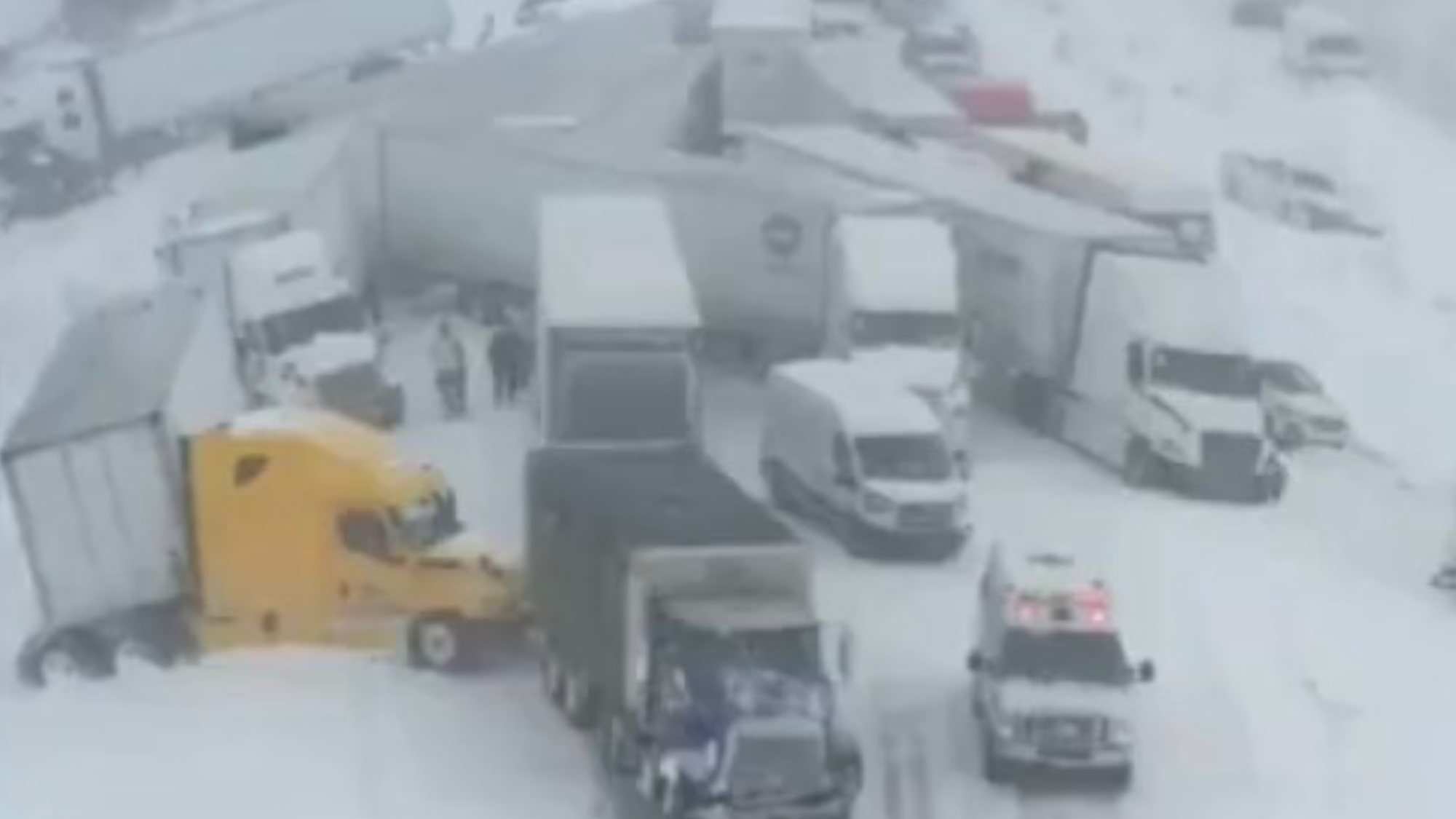
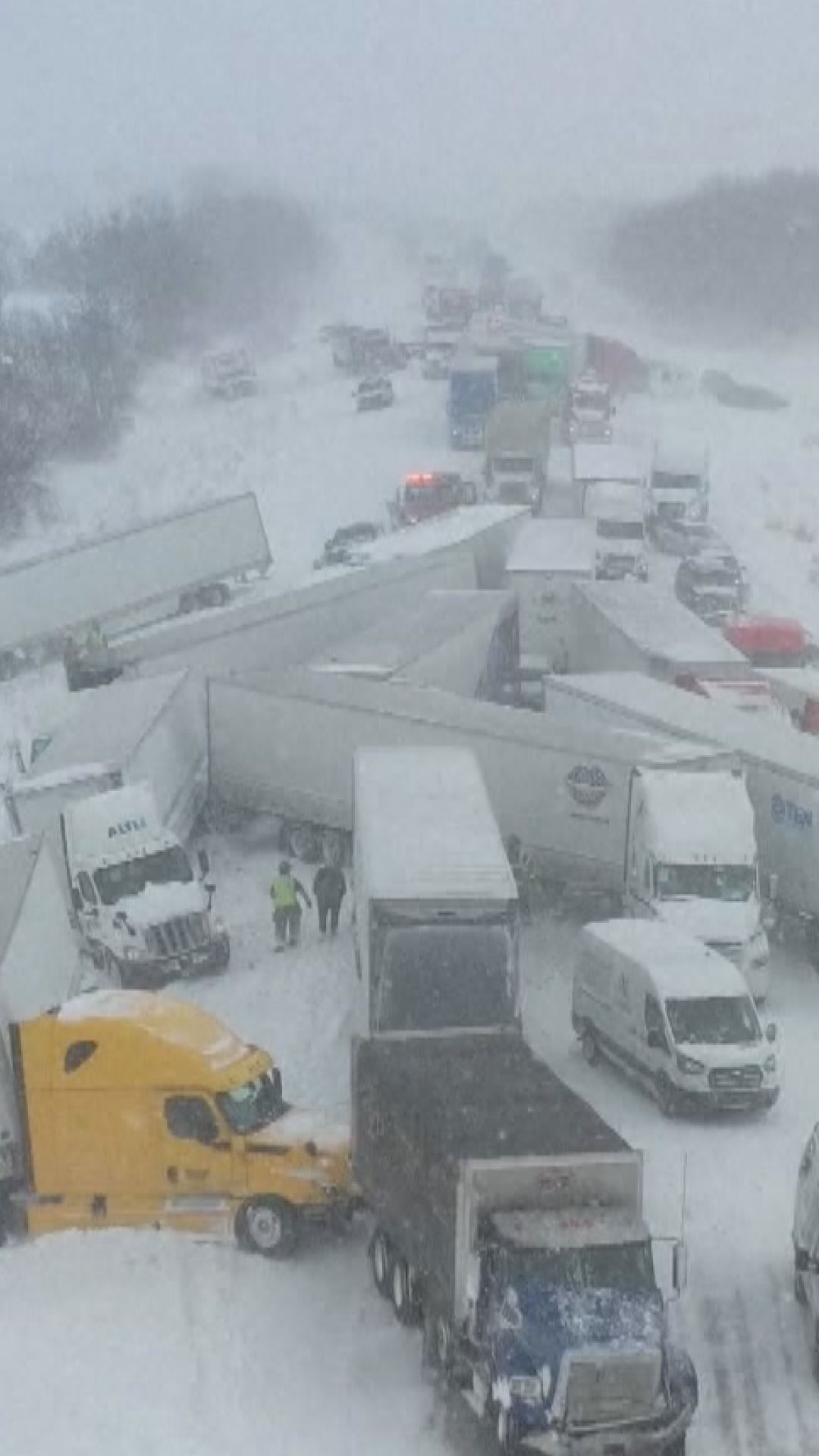
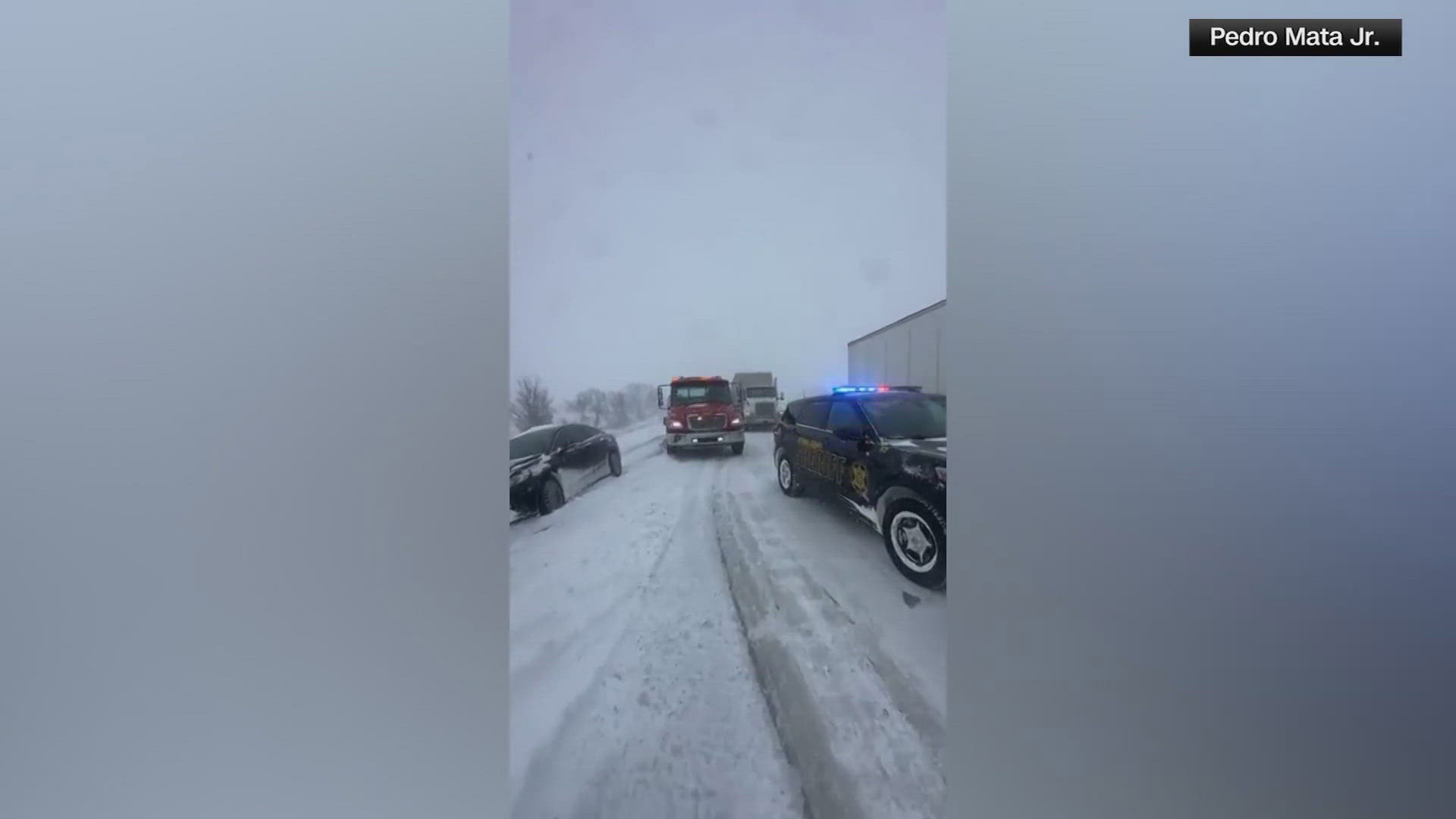
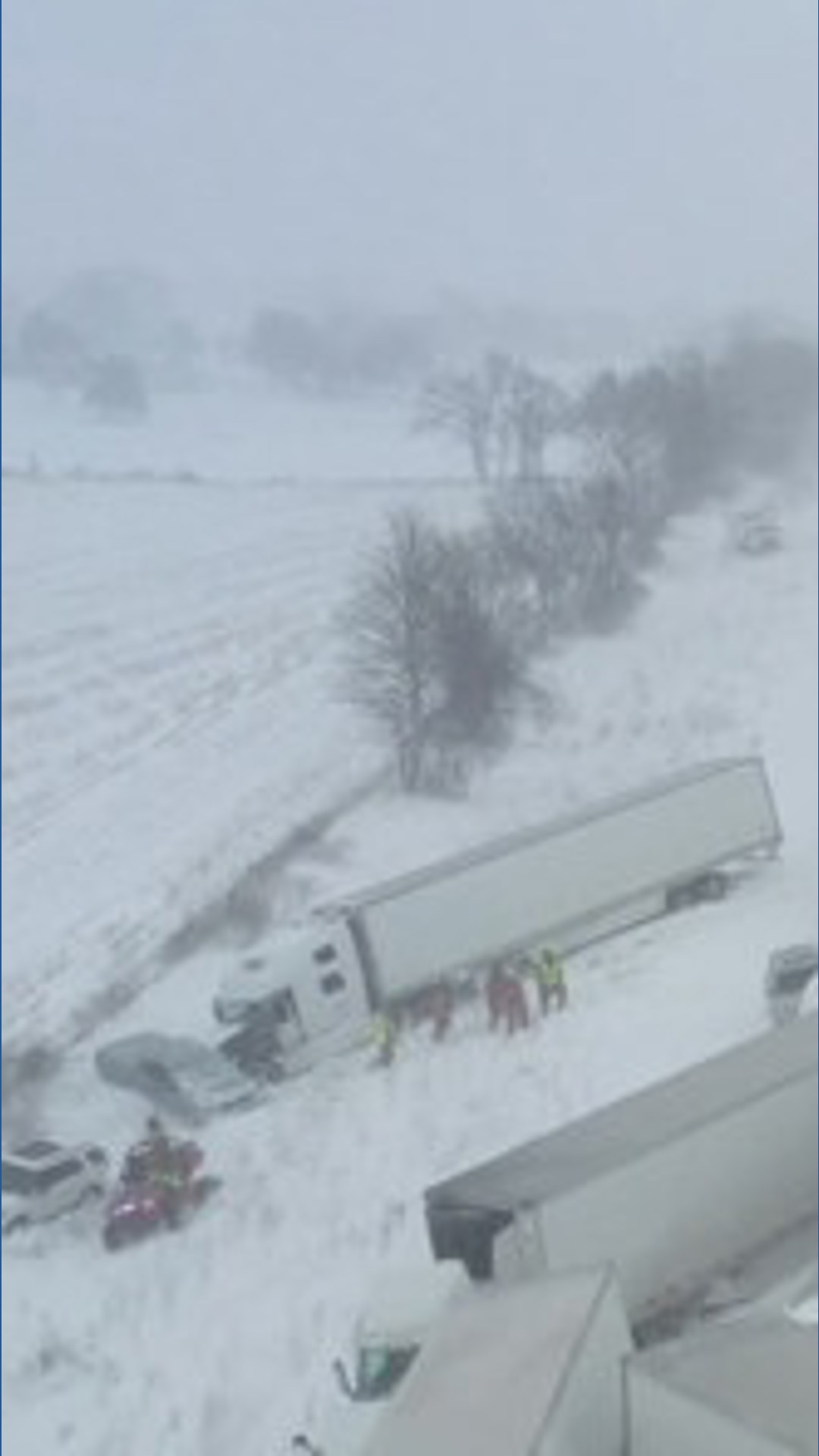
Massive multi-vehicle pileups on Michigan interstates represent some of the most dangerous winter driving hazards in North America. When sudden snowsqualls, lake-effect snow, and black ice converge, dozens of passenger cars and commercial vehicles can collide in seconds. Surviving the aftermath requires immediate defensive actions, clear risk assessment, and an understanding of Michigan's legal and insurance processes.
Understanding Michigan’s Mass Pileups: How Lake-Effect Snow Triggers Chain Reactions
Major interstates across Michigan—most notably the Interstate 94 (I-94), Interstate 96 (I-96), and Interstate 75 (I-75) corridors—are uniquely vulnerable to high-speed, multi-vehicle chain collisions. The primary meteorological driver behind these events is lake-effect snow. As cold Arctic air passes over the warm waters of Lake Michigan, it gathers moisture and heat, producing narrow, high-intensity bands of localized snowfall known as snowsqualls.
Mechanics of a Highway Snowsquall
- Cold Arctic Air
- Warm Lake Michigan
- Localized Snow Band
- Clear Highway (Dry Pavement)
- Sudden Zero Visibility ("Whiteout Wall")
- Hard Ice / Friction Loss At 65+ MPH
These snowsqualls create rapid, unpredictable drops in visibility—often referred to by state police as a "whiteout wall." A driver traveling at 65 or 70 miles per hour on relatively clear pavement can suddenly enter zero-visibility conditions within a distance of just a few hundred feet.
When visibility drops instantly, several physical factors combine to create a pileup:
- Friction Disparity: Temperatures near freezing often cause wet pavement to turn into slick black ice underneath freshly fallen snow, severely extending stopping distances.
- Speed Inconsistency: Vehicles ahead decelerate rapidly or collide, while vehicles behind continue entering the blinding snow band at highway speeds.
- Commercial Vehicle Momentum: Fully loaded tractor-trailers weighing up to 80,000 pounds require significantly more distance to stop on ice than passenger cars, creating catastrophic rear-end forces when traffic stops abruptly.
Once the initial two or three vehicles collide, incoming drivers have neither the sight distance nor the road traction necessary to stop. Within minutes, a minor collision can expand into a pileup involving 50 to 200 vehicles.
The Shocking Aftermath: Physical, Environmental, and Operational Chaos
The immediate aftermath of a 100-car crash resembles a complex disaster zone rather than a standard motor vehicle accident. The impact force of heavy trucks crashing into light passenger vehicles leads to extreme structural crumpling, often wedge-locking multiple vehicles together across all travel lanes and shoulders.
Hazards in a Mass Pileup Scene
- Structural Entanglement: Vehicles jammed together under trucks
- Thermal & Hazmat Risks: Fuel leaks, battery fires, cargo
- Secondary Impacts: Incoming traffic colliding at speed
- Medical Triage Obstacles: First responders blocked by wreckage
Thermal Hazards and Hazardous Cargo Spills
Mass pileups carry a severe risk of secondary explosions and chemical contamination. Heavy commercial vehicles involved in highway pileups frequently haul industrial chemicals, compressed gases, or highly flammable consumer goods. Liquid fuel spills from ruptured saddle tanks can ignite upon contact with hot exhaust components or electrical sparks. In high-profile incidents, such as the major I-94 pileups in southwestern Michigan, spilled hazardous cargo (such as formic acid or commercial fireworks) has required large-scale evacuation zones, delaying emergency rescue operations until hazmat teams could neutralize the scene.
Delayed Emergency Response
In standard traffic accidents, emergency medical services (EMS) establish a clear route to victims. In a 100-vehicle pileup stretched over half a mile of icy highway:
- Access Blockade: Emergency vehicles cannot drive through the packed wreckage or heavy snowdrifts.
- Triage Complexity: Paramedics must conduct on-foot triage across dozens of crushed passenger compartments, prioritizing life-threatening injuries under sub-zero temperatures.
- Hypothermia Risk: Stranded motorists faced with shattered windows, disabled heaters, and freezing winter winds quickly face ambient cold risks while awaiting extraction.
Key Safety Tips: How to Avoid Becoming Involved in a Pileup
Avoiding a chain-reaction crash begins long before approaching a snowstorm. By modifying driving tactics and leveraging environmental awareness, drivers can reduce their exposure to sudden whiteouts.
1. Monitor Weather and Highway Advisories
Before driving across Michigan during winter months, check condition reports provided by the Michigan Department of Transportation (MDOT) Drive Interactive Map. Pay strict attention to National Weather Service Snowsquall Warnings. Unlike standard winter storm watches, snowsquall warnings indicate localized, life-threatening drops in visibility and rapid freezing on roadway surfaces.
2. Extend Following Distance (The 8-to-10 Second Rule)
On dry pavement, a standard two-to-three-second following distance is sufficient. On winter highways, expand this distance to at least 8 to 10 seconds. This extra space provides the critical braking distance required if vehicles ahead begin sliding or braking unexpectedly.
3. Respond Correctly to Whiteout Conditions
If you hit a sudden wall of snow:
- Do Not Slam on the Brakes: Hard braking triggers instant traction loss and anti-lock brake system (ABS) lockup on ice, turning your vehicle into an uncontrollable projectile.
- Decelerate Gradually: Ease off the accelerator to slow down steadily while checking your rearview mirror for fast-approaching trailing vehicles.
- Turn On Hazard Lights Immediately: Flashers help drivers behind spot your vehicle through dense snow long before your standard taillights become visible.
- Stay in Your Lane: Avoid abrupt lane changes, which can launch your vehicle into unplowed slush, causing a loss of directional control.
What to Do If You Are Caught in a Chain-Reaction Pileup
If traffic comes to a sudden halt and collisions begin occurring around you, your immediate physical safety depends on split-second choices.
Impending Collision
- Safe Shoulder Clear?
- YES: Steer Clear & Exit Away from Traffic Lane
- NO: Stay in Vehicle, Keep Belt Buckled, Watch Rearview
- Trapped in Traffic:
- SAFE: Remain Buckled, Monitor Mirrors, Call Emergency
- FIRE: Evacuate to Guarded Barrier Away from Road
The Stay-in-Vehicle Rule vs. Evacuation
Safety experts and the Michigan State Police generally advise drivers to remain inside their vehicles with their seatbelts securely fastened, provided the car is not on fire or leaking fuel.
Vehicles provide a steel safety cage, airbags, and protection against high-speed secondary impacts. Disembarking on an active highway during a whiteout exposes pedestrians to fatal collisions from incoming heavy vehicles that cannot see individuals walking on the road.
Decision Matrix: Stay Inside vs. Evacuate
| Scenario / Condition | Primary Recommended Action | Critical Safety Steps |
|---|---|---|
| Trapped in cabin, no fire or fuel smell | Stay Inside Vehicle | Keep seatbelt fastened, turn on hazard lights, press brake pedal to show lights, monitor rearview mirror. |
| Vehicle struck, secondary impacts continuing | Stay Inside Vehicle | Lean head against headrest, brace body against seatback, keep hands on wheel; do not exit while crashes continue. |
| Vehicle on fire or severe fuel leak detected | Evacuate Immediately | Check blind spots, exit rapidly, move far off the roadway beyond guardrails, walk upstream from oncoming traffic. |
| Vehicle stopped safely on shoulder away from pileup | Conditional Evacuation / Stay | If deep ditch/guardrail offers cover off-road, exit away from lanes; otherwise, remain belted inside the cabin. |
Navigating the Aftermath: Michigan No-Fault Insurance and Multi-Vehicle Claims
Unraveling financial liability and medical coverage following a 100-car crash in Michigan requires understanding the state’s unique legal framework. Michigan operates under a No-Fault Auto Insurance System, governed by the Michigan Department of Insurance and Financial Services (DIFS).
Michigan No-Fault Claims Architecture
- Your Own PIP Policy: Pays Medical Expenses & Lost Wages (Regardless of Fault)
- Your Collision Policy: Covers Your Vehicle Damage (Broad / Standard Form)
- Mini-Tort Claim: Claim up to $3,000 from At-Fault Driver for Uninsured Damages
Personal Injury Protection (PIP)
Regardless of who initiated the multi-car pileup, your own insurance carrier pays for your medical treatment, emergency transport, and lost wages through your Personal Injury Protection (PIP) policy. You do not need to wait for law enforcement or insurance adjusters to assign fault among 100 different drivers before receiving medical compensation.
Property Damage and Collision Coverage
Physical damage to your vehicle is handled primarily through your own auto policy's collision coverage:
- Broad Form Collision: Your deductible is waived if you are determined to be less than 50% at fault for the crash.
- Standard Collision: You pay your agreed deductible regardless of fault.
The Michigan Mini-Tort Law
Under Michigan Compiled Laws § 500.3135, drivers who are found to be 50% or more at fault in an accident can be sued in small claims court for up to $3,000 in uninsured out-of-pocket vehicle repair costs (or deductible expenses).
Determining individual fault in a 100-car pileup can take insurance reconstruction experts, the Michigan State Police, and legal teams months to resolve. Detailed scene documentation—such as dashcam footage, immediate weather logs, and crash report numbers—is vital to proving your vehicle was stopped before being hit, protecting you from partial liability claims.
Proactive Preparation: Equipping Your Vehicle for Winter Emergencies
Surviving a major winter pileup often comes down to the emergency supplies carried inside your cabin. If stranded on a closed interstate for 6 to 12 hours while emergency crews clear a multi-vehicle scene, your car's winter kit is your primary defense against frostbite and hypothermia.
Essential Winter Emergency Car Kit Checklist
- Thermal Protection: Heavy wool blankets or thermal emergency sleeping bags, waterproof gloves, reflective thermal vests, and extra winter boots.
- Visibility Gear: LED road flares or battery-operated strobe beacons (traditional chemical flares can ignite spilled fuel on ice).
- Power & Communication: High-capacity portable battery power banks for mobile phones, along with a hand-crank emergency radio.
- Nourishment: Non-perishable, high-calorie protein bars and water stored in insulated containers to prevent freezing.
- Traction & Recovery: Compact folding shovel, bag of coarse cat litter or sand for tire traction, and a heavy-duty tow strap.
If you are stranded inside your car while awaiting rescue, run your engine for only 10 minutes per hour to conserve fuel and maintain heat. Ensure that the vehicle’s exhaust pipe is completely clear of snow accumulation to prevent deadly carbon monoxide gas from seeping into the cabin.
Frequently Asked Questions
Why are multi-car pileups so common on Michigan interstates?
Michigan’s geography creates extreme lake-effect snow bands off Lake Michigan, which cause sudden, localized drops in visibility (snowsqualls) and rapid road freezing. When high-speed interstate traffic encounters these invisible walls of snow without warning, drivers cannot stop in time, resulting in chain-reaction crashes.
Is it safer to stay in your car or exit during a highway pileup?
In almost all cases, it is safer to remain inside your vehicle with your seatbelt buckled. Your car’s metal frame and airbags offer substantial protection against incoming vehicles. Exiting puts you at severe risk of being struck as a pedestrian. Only exit if there is an active vehicle fire or toxic chemical spill.
How is fault determined in a 100-car pileup under Michigan insurance law?
Under Michigan’s No-Fault insurance system, your own insurer handles your medical bills through PIP and vehicle repairs through collision coverage. Determining third-party fault for mini-tort claims or serious injury lawsuits requires extensive investigations by crash reconstruction specialists, analyzing telemetry, dashcams, and physical impact marks.
What should I do immediately after surviving an initial pileup impact?
Turn on your hazard lights, keep your seatbelt fastened, verify that your cabin is free of fuel smells or smoke, and call 911 if possible. Monitor your rearview mirror for approaching vehicles, keep your hands on the wheel, and brace your head against the headrest to minimize whiplash from secondary collisions.
What is a Snowsquall Warning, and how differs it from a Winter Storm Warning?
A Snowsquall Warning is an urgent, short-duration alert issued by the National Weather Service for localized, sudden whiteouts accompanied by strong winds and rapid freezing. Unlike broad winter storm warnings that forecast high snow accumulations over many hours, snowsquall warnings indicate immediate, extreme hazards to highway drivers.
Recommended Next Steps for Michigan Winter Drivers
To protect yourself and your family on Michigan roads this winter:
- Check Weather and Road Maps Daily: Download the official MDOT Drive app and monitor National Weather Service updates before departing on long interstate trips along I-94, I-96, I-75, or I-131.
- Review Auto Insurance Policies: Confirm your policy includes Broad Form Collision coverage and adequate Personal Injury Protection (PIP) limits to protect your assets if involved in a multi-vehicle incident.
- Assemble a Winter Survival Kit: Store essential cold-weather gear, LED hazard beacons, and battery backup banks directly inside your passenger cabin, not locked under luggage in the trunk.
- Install Dedicated Winter Tires: Equip your vehicle with mountain-snowflake-certified winter tires to optimize stopping power on black ice during sudden braking situations.