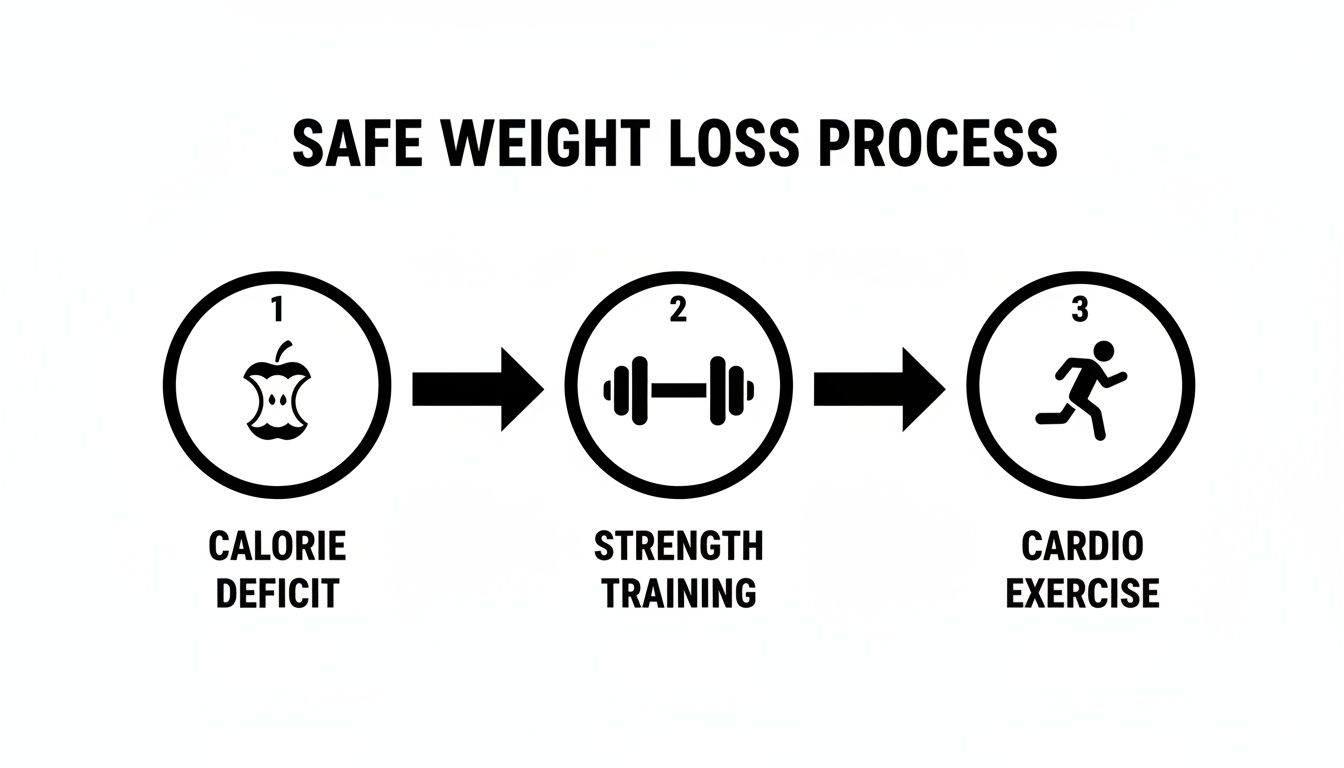
Achieving sustainable weight loss requires a dual-track approach: implementing high-impact physiological "tricks" to trigger initial fat loss and establishing metabolic habits to prevent weight regain. By focusing on protein leverage, resistance training, and hormonal regulation through sleep and stress management, you can optimize your body’s composition while maintaining long-term metabolic health.
The Foundation of Sustainable Fat Loss
Before diving into specific strategies, it is essential to distinguish between weight loss and fat loss. Rapid weight loss often involves the depletion of glycogen stores and water weight, but lasting results require the oxidation of adipose tissue while preserving lean muscle mass. As of 2026, clinical consensus emphasizes that the most successful individuals do not just "diet"; they alter their biological set point through consistent lifestyle interventions.
Medical clearance is a prerequisite for any aggressive weight-loss protocol, particularly for individuals with underlying metabolic conditions or those taking medication for blood pressure or blood glucose. Establishing baseline metrics—including body fat percentage, waist circumference, and resting metabolic rate (RMR)—provides a more accurate map of progress than the scale alone.
1. Prioritize Protein Leverage and the Thermic Effect
One of the most effective ways to accelerate fat loss is to increase protein intake to approximately 1.6 to 2.2 grams per kilogram of goal body weight. Protein has the highest Thermic Effect of Food (TEF), meaning your body expends significantly more energy (20–30%) digesting and processing protein compared to carbohydrates (5–10%) or fats (0–3%).
Beyond the caloric burn of digestion, protein is the primary driver of satiety. It triggers the release of peptide YY (PYY) and glucagon-like peptide-1 (GLP-1), hormones that signal fullness to the brain, while simultaneously suppressing ghrelin, the "hunger hormone." In 2026, nutritional science continues to support the "Protein Leverage Hypothesis," which suggests that humans will continue to consume food until their protein requirements are met, making high-protein diets a natural defense against overeating.
2. Implement Progressive Resistance Training
While cardiovascular exercise burns calories during the activity, resistance training is the key to keeping weight off. Lifting weights or performing high-intensity bodyweight exercises prevents the muscle wasting that often accompanies caloric deficits. Muscle tissue is more metabolically active than fat tissue; the more lean mass you carry, the higher your resting metabolic rate.
Furthermore, resistance training induces Excess Post-exercise Oxygen Consumption (EPOC). This "afterburn" effect keeps the metabolism elevated for up to 48 hours after a session as the body works to repair muscle fibers. For those looking to lose weight fast, a split of three to four sessions per week focusing on compound movements (squats, deadlifts, presses) provides the greatest metabolic stimulus.
3. Optimize Sleep for Hormonal Regulation
Sleep is often the missing link in weight loss journeys. Chronic sleep deprivation (less than seven hours per night) disrupts the delicate balance of leptin and ghrelin. When you are sleep-deprived, leptin (the fullness signal) drops, and ghrelin (the hunger signal) spikes, leading to intense cravings for high-calorie, ultra-processed foods.
Research from the National Institutes of Health has consistently shown that individuals who sleep adequately lose more fat and less muscle than those who are sleep-restricted, even when caloric intake is identical. In 2026, sleep hygiene—limiting blue light exposure, maintaining a cool room temperature, and adhering to a consistent circadian rhythm—is considered a primary metabolic intervention rather than just a recovery tool.
4. Leverage High-Volume, Low-Calorie Density Foods
To lose weight without feeling deprived, you must master the concept of volume eating. This involves consuming large quantities of foods that have low caloric density but high water and fiber content. Vegetables like spinach, zucchini, cauliflower, and bell peppers allow you to fill your stomach, triggering mechanoreceptors that signal fullness to the brain, without exceeding your energy targets.
The following table illustrates the disparity in energy density and how shifting toward high-volume options facilitates a deficit:
| Food Category | Calories per 100g (Approx) | Satiety Level | Recommended Frequency |
|---|---|---|---|
| Leafy Greens | 15–25 | High (due to volume) | Daily (Unlimited) |
| Non-Starchy Vegetables | 30–50 | High | Daily (3+ servings) |
| Lean White Fish/Poultry | 110–160 | Very High | 2–3 times daily |
| Whole Grains/Legumes | 110–140 | Moderate | 1–2 servings daily |
| Refined Fats (Oils/Butter) | 700–900 | Very Low | Minimal/As needed |
| Ultra-Processed Snacks | 400–600 | Low | Avoid during fat loss |
5. Increase Non-Exercise Activity Thermogenesis (NEAT)
While structured workouts are vital, they typically only account for 5% of total daily energy expenditure. NEAT, which includes walking, fidgeting, standing, and household chores, can account for up to 15–30% of daily burn. Increasing your step count from 5,000 to 10,000 steps per day can create a caloric deficit equivalent to a small meal.
In the 2026 workplace, the use of standing desks and walking meetings has become a standard recommendation for weight maintenance. Small, intentional movements throughout the day prevent the metabolic slowdown associated with sedentary behavior and help maintain insulin sensitivity.
6. Focus on Fiber for Gut Health and Satiety
Fiber is a non-digestible carbohydrate that slows gastric emptying, keeping you fuller for longer. Specifically, viscous fiber (found in oats, flaxseeds, and beans) forms a gel-like substance in the gut that can reduce appetite and calorie absorption.
Furthermore, a high-fiber diet supports a diverse gut microbiome. Emergent studies analyzed in 2026 indicate that specific strains of gut bacteria are associated with leaner body compositions. Aim for at least 30 grams of fiber per day from whole-food sources to optimize both digestion and fat oxidation.
7. Strategic Hydration and Pre-Loading
Water is essential for lipolysis, the process by which the body breaks down fats for energy. Dehydration can impair kidney function, which in turn places a heavier burden on the liver, the primary organ responsible for fat metabolism.
A proven "trick" for immediate results is drinking 500ml of water 30 minutes before every meal. This practice has been shown to reduce caloric intake during the meal by increasing gastric distension. Additionally, replacing all sugar-sweetened beverages with water or herbal teas eliminates "liquid calories" that do not trigger satiety centers in the brain.
8. Manage Cortisol and Stress Levels
Chronic stress leads to elevated levels of cortisol, a steroid hormone that promotes visceral fat storage, particularly in the abdominal region. Cortisol also increases cravings for "comfort foods" that are typically high in sugar and fat.
Effective weight loss in 2026 incorporates stress-reduction techniques such as breathwork, meditation, or nature walks. Reducing the psychological burden of a diet by allowing for moderate flexibility (the 80/20 rule) also helps prevent the "binge-restrict" cycle that leads to weight regain.
9. Utilize Time-Restricted Feeding (TRF)
Time-restricted feeding, a form of intermittent fasting, involves consuming all daily calories within a specific window (e.g., 10:00 AM to 6:00 PM). This approach is not magic; it works primarily by naturally reducing the opportunities for late-night snacking and improving insulin sensitivity.
By giving the body a longer "fasted" period, insulin levels remain low for a duration sufficient to allow the body to access stored fat for fuel. TRF also aligns eating patterns with the body’s internal circadian clock, which can improve metabolic efficiency and sleep quality.
10. Implement Mindful Eating and Sensory Specific Satiety
The speed at which we eat significantly impacts how much we consume. It takes approximately 20 minutes for satiety signals to travel from the gut to the brain. By eating slowly and without distractions (like phones or television), you allow these signals to register, often resulting in consuming less food before feeling full.
Additionally, understanding Sensory Specific Satiety can prevent overeating. This phenomenon explains why we often have "room for dessert" despite being full from a main course—the brain craves a new flavor profile. Limiting the variety of highly palatable flavors in a single meal can help regulate appetite naturally.
Transitioning to Long-Term Weight Maintenance
Losing weight is a biological challenge, but keeping it off is a behavioral one. The "rebound effect" occurs when individuals return to old habits after reaching a goal weight. To avoid this, you must transition from a "weight loss phase" to a "maintenance phase" by slowly increasing calories (reverse dieting) until you reach your new maintenance level.
Consistent self-monitoring is one of the strongest predictors of long-term success. According to data from the National Weight Control Registry, successful maintainers typically weigh themselves at least once a week and maintain a high level of physical activity.
Frequently Asked Questions
Can I lose weight without doing any exercise?
Yes, weight loss is primarily driven by a caloric deficit, which can be achieved through diet alone. However, losing weight without exercise often results in a loss of muscle mass, which lowers your metabolism and makes it much harder to keep the weight off in the long term.
Is it possible to target "belly fat" specifically with these tricks?
Spot reduction—losing fat in one specific area by exercising that area—is a myth. Fat loss occurs systemically throughout the body. However, managing cortisol levels and improving insulin sensitivity through the methods mentioned above can specifically help reduce visceral (belly) fat over time.
How much water should I drink for weight loss?
While individual needs vary based on activity level and climate, a general guideline is 3 to 4 liters per day for men and 2 to 3 liters for women. Using water to "pre-load" before meals is more effective for weight loss than simply drinking large amounts at random times.
Are "cheat meals" helpful or harmful?
Occasional high-calorie meals can provide a psychological break and may temporarily boost leptin levels. However, calling them "cheat meals" can create an unhealthy relationship with food. A better approach is "structured flexibility," where 10-20% of your calories come from foods you enjoy, regardless of their nutritional density.
Why does my weight loss plateau after a few weeks?
Plateaus are a natural part of metabolic adaptation. As you lose weight, your body requires fewer calories to function, and your NEAT often subconsciously decreases. To break a plateau, you may need to slightly increase your activity levels or further refine your caloric intake.
Your Next Steps for Lasting Results
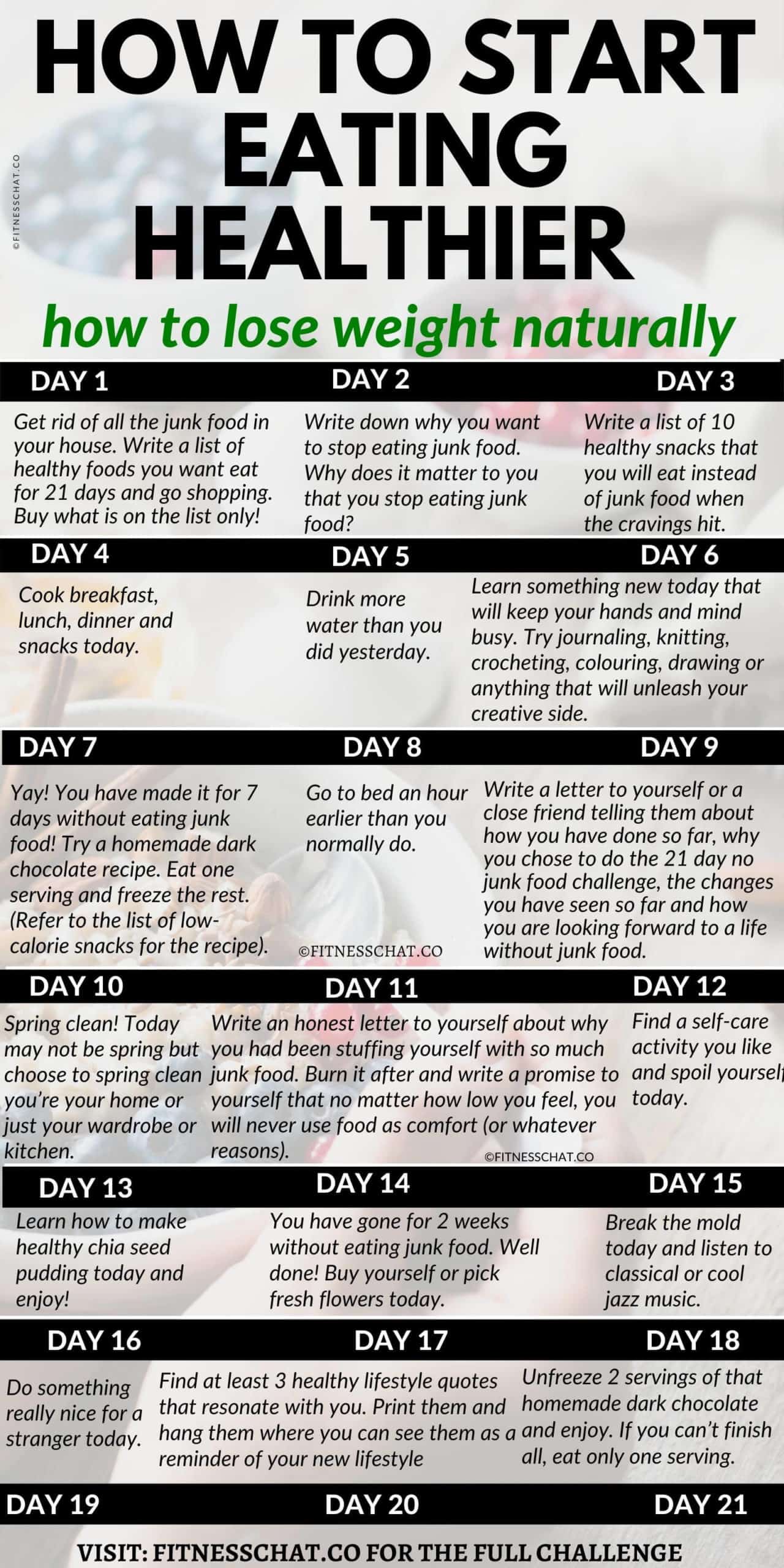
To begin, do not attempt to implement all ten tricks simultaneously. Start by focusing on Protein and Sleep for the first 14 days. Once these become habitual, introduce Resistance Training and High-Volume Eating. By layering these science-backed strategies, you build a sustainable lifestyle rather than a temporary fix. Monitor your progress through non-scale victories—such as improved energy, better clothing fit, and increased strength—to maintain motivation for the journey ahead in 2026 and beyond.