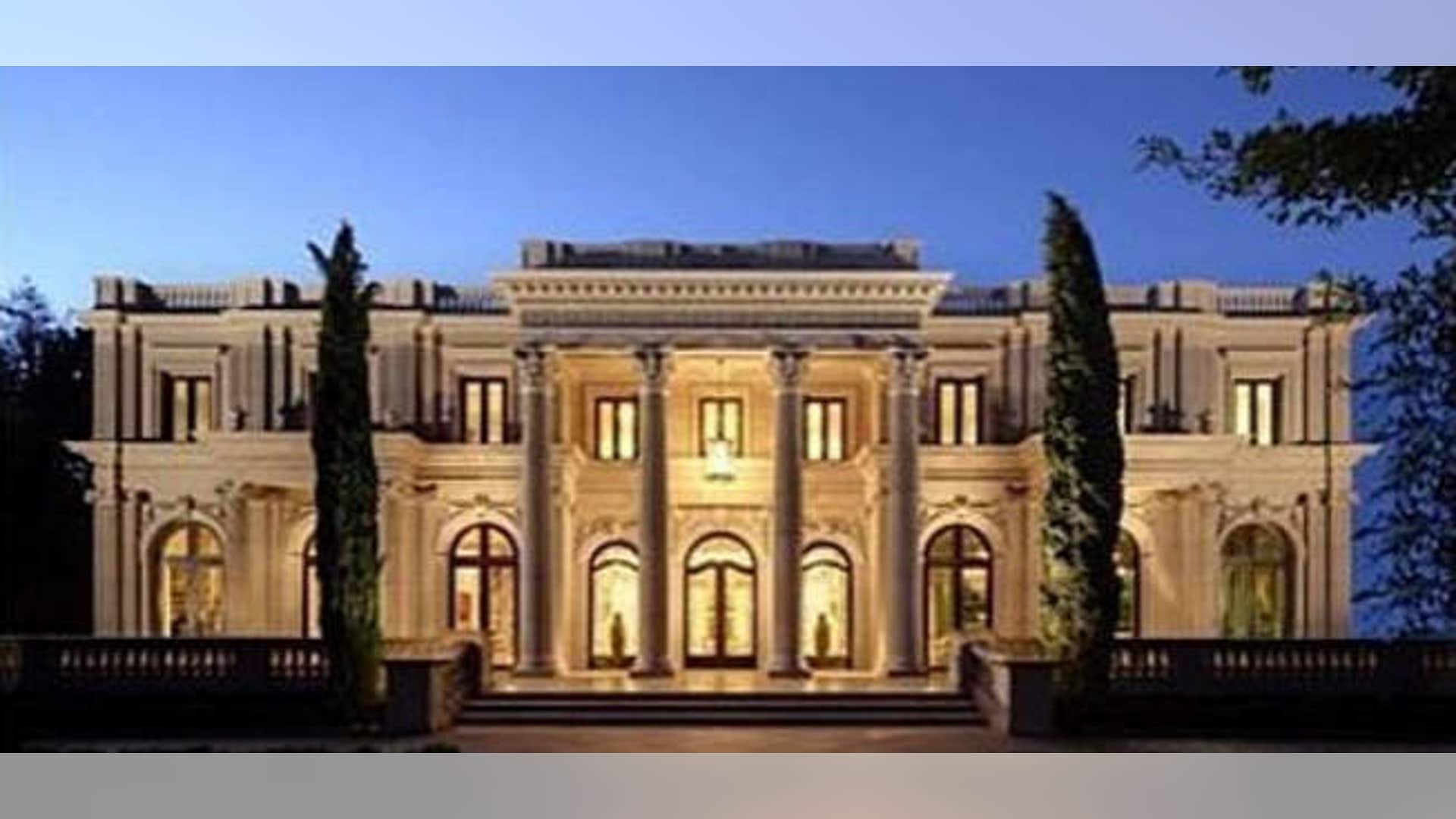
As of 2026, the American luxury real estate market remains dominated by ultra-exclusive estates in Bel Air, Palm Beach, and Manhattan’s Billionaires' Row. These properties, often priced between $150 million and $250 million, represent the pinnacle of architectural achievement, offering unrivaled privacy, bespoke wellness centers, and historic provenance for the world's elite.
The State of Ultra-Luxury Real Estate in 2026
The landscape of the $100 million-plus residential market has shifted significantly over the last few years. While the "mega-mansion" boom of the early 2020s focused on sheer size and "Instagrammable" amenities, the 2026 market prioritizes security, self-sufficiency, and historical significance. Wealthy buyers are no longer just looking for a home; they are seeking a "legacy asset" that can withstand economic volatility.
In 2026, the inventory of these trophy properties is tighter than ever. Supply-side constraints in prime coastal locations like Malibu and the Hamptons have pushed valuations to record highs. Furthermore, the rise of "off-market" listings—properties sold through private networks without ever hitting a public portal—means that the most expensive homes for sale often require a verified net worth statement just to view the marketing materials. This tour explores the most prominent publicly and semi-publicly listed estates currently defining the American architectural zenith.
1. Casa Encantada, Bel Air, California
Historically one of the most expensive listings in the United States, Casa Encantada continues to command a staggering valuation in 2026. Built in the 1930s by architect James E. Dolena and later revitalized by Peter Marino, this H-shaped estate sits on over eight acres of prime Bel Air land.
The property is a masterclass in Art Deco and 18th-century French design. It features approximately 40,000 square feet of living space, including a professional-grade screening room, a formal dining room with hand-painted murals, and a primary suite that rivals the size of most suburban homes. Its position overlooking the Bel-Air Country Club provides a natural barrier of privacy that is increasingly rare in Los Angeles.
2. Central Park Tower Penthouse, New York City
Perched atop the tallest residential building in the world, the Central Park Tower Penthouse remains a focal point of Manhattan luxury. In 2026, this "mansion in the sky" spans three floors (129 through 131) and offers 360-degree views of New York City, stretching from the Atlantic Ocean to the Hudson River.
The residence features over 17,500 square feet of interior space and a massive 1,400-square-foot terrace. The architectural feat here is the structural engineering required to minimize sway at such heights while maintaining floor-to-ceiling glass walls. The building itself offers residents access to the Central Park Club, which includes a private restaurant helmed by Michelin-starred chefs and a 60-foot outdoor pool.
3. Tarpon Island, Palm Beach, Florida
Tarpon Island is the only private island in Palm Beach, accessible only by a private bridge or boat. This 2.1-acre man-made island was significantly redeveloped to feature a colonial-style mansion that blends 1930s aesthetics with modern hurricane-resistant technology.
The property includes a massive main house, a guest house, and a tennis pavilion. With over 1,300 feet of water frontage, the estate offers two docks capable of hosting superyachts. In the 2026 market, Tarpon Island is a prime example of the "compound" trend, where buyers seek a fully enclosed ecosystem that provides absolute seclusion from the mainland.
4. The Manor, Holmby Hills, California
Commonly known as "Candyland" due to its association with the Spelling family, The Manor remains a titan of the Los Angeles market. At approximately 56,000 square feet, it is larger than the White House. The estate sits on 4.7 acres and features a French chateau-style design.
The Manor is famous for its specialized rooms, including a bowling alley, a humidity-controlled silver storage room, and a massive wine cellar. In 2026, the home’s value is driven not just by its size, but by its placement in the "Platinum Triangle" (Bel Air, Holmby Hills, and Beverly Hills), where land value alone accounts for a significant portion of the asking price.
5. Mylestone, Southampton, New York
In the Hamptons, Mylestone represents the ultimate oceanfront retreat. This modern estate spans eight acres between Lake Agawam and the Atlantic Ocean. The design focuses on "indoor-outdoor" living, utilizing massive glass sliders that disappear into the walls to merge the living room with the dunes.
The property features 500 feet of ocean frontage and a private boardwalk. Inside, the 15,000-square-foot home includes eleven bedrooms, a double-height entry hall, and a customized wellness wing with a sauna, steam room, and cold plunge—amenities that have become mandatory for $100M+ listings in 2026.
6. The Penthouse at 220 Central Park South, New York City
While Central Park Tower offers height, 220 Central Park South offers the prestige of Robert A.M. Stern’s "New Classical" architecture. The penthouse units here are rarely listed publicly, but they remain among the most expensive properties in America.
The building is clad in Alabama silver shadow limestone, giving it a timeless feel that contrasts with the glass towers of 57th Street. The high-floor units provide perfectly centered views of Central Park, which is considered the "gold standard" of New York real estate. Ownership in this building is famously difficult, requiring extensive vetting by the board.
7. 1080 Chestnut St Penthouse, San Francisco, California
San Francisco’s luxury market has seen a resurgence in 2026, particularly in the Russian Hill neighborhood. The penthouse at 1080 Chestnut offers a unique 360-degree view of the Golden Gate Bridge, Alcatraz, and the Bay Bridge.
Unlike the sprawling estates of Southern California, this property focuses on vertical luxury. It features a modern, minimalist interior designed to highlight the views through floor-to-ceiling windows. The integration of "smart home" technology—controlling everything from air filtration to lighting via AI-driven systems—is a hallmark of this high-tech residence.
8. The Bradbury Estate, Bradbury, California
Located in the guard-gated community of Bradbury Estates, this property often flies under the radar compared to its Westside counterparts. However, its scale is undeniable. Situated on a promontory with views of the San Gabriel Mountains and the city lights, the estate features a Palladian-style mansion.
The home is notable for its use of rare materials, including French limestone and hand-carved wood. It includes a 3-D theater, a 2,000-bottle wine cellar, and a subterranean firing range. In 2026, the Bradbury Estate appeals to buyers seeking massive acreage and extreme security outside the high-traffic areas of Los Angeles.
9. Carbon Beach "Billionaire's Beach" Compound, Malibu, California
Malibu’s Carbon Beach remains one of the most expensive stretches of sand in the world. Compounds here often consist of multiple contiguous lots. In 2026, a prominent listing on Carbon Beach features a main residence designed by a Pritzker Prize-winning architect, focusing on brutalist concrete and teak wood to withstand the salt-air environment.
The primary draw of Carbon Beach is the proximity to the water; many homes are built directly over the sand. Private courtyards with lap pools and integrated security systems make these homes highly desirable for tech moguls and celebrities.
10. La Bellucia, Palm Beach, Florida
A historic landmark designed by Marion Sims Wyeth in 1920, La Bellucia is a prime example of the Mediterranean Revival style. The estate covers roughly 3.8 acres and offers nearly 300 feet of direct ocean frontage.
The 2026 valuation of La Bellucia is bolstered by its historic status, which provides certain tax benefits but also limits the types of renovations that can be performed. This makes it a "purist’s" estate, attracting buyers who value architectural integrity and Palm Beach history over modern flashy amenities.
Comparative Overview of the 2026 Top Listings
The following table compares key metrics for these top-tier properties to help understand the diversity of the $100M+ market.
| Property Name | Location | Est. Price (2026) | Square Footage | Key Unique Feature |
|---|---|---|---|---|
| Casa Encantada | Bel Air, CA | $195M - $250M | 40,000 | 8-acre park-like grounds |
| Central Park Tower PH | New York, NY | $175M - $195M | 17,500 | Highest residential terrace |
| Tarpon Island | Palm Beach, FL | $180M - $210M | 21,000 | Only private island in Palm Beach |
| The Manor | Holmby Hills, CA | $155M - $165M | 56,000 | Larger than the White House |
| Mylestone | Southampton, NY | $160M - $175M | 15,000 | Dual water frontage (Ocean & Lake) |
| 220 CPS Penthouse | New York, NY | $150M+ | Varies | Preeminent NYC board reputation |
| Carbon Beach Compound | Malibu, CA | $120M - $150M | 10,000+ | Direct beach-to-door access |
| La Bellucia | Palm Beach, FL | $130M - $145M | 12,000 | Historic Wyeth-designed landmark |
| 1080 Chestnut PH | San Francisco, CA | $90M - $110M | 6,000 | 360-degree Bay & Bridge views |
| Bradbury Estate | Bradbury, CA | $80M - $100M | 30,000 | Mountain-view promontory site |
Key Features Defining $100M+ Mansions in 2026
To command a nine-figure price tag in the current market, a property must offer more than just bedrooms and bathrooms. Several "non-negotiable" features have emerged as the standard for ultra-luxury living.
Advanced Security and Privacy
Physical security has evolved into "integrated defense." This includes biometric access points, signal-shielded "safe rooms" with independent life-support systems, and sophisticated drone-detection software. Privacy is managed through architectural "blind spots" and strategic landscaping that prevents long-lens photography from neighboring hillsides.
Wellness and Longevity Suites
The standard home gym has been replaced by comprehensive wellness centers. These suites often include hyperbaric oxygen chambers, cryotherapy tanks, medical-grade IV infusion stations, and sensory deprivation tanks. In 2026, buyers view their home as a tool for health optimization.
Sustainability and Autonomy
High-end buyers are increasingly concerned with self-sufficiency. This includes industrial-grade water filtration systems, massive solar arrays with battery backup (Tesla Megapack scale), and even indoor hydroponic gardens that can provide fresh produce year-round.
The Logistics of Acquiring Trophy Real Estate
Purchasing a home at this level is a complex financial and legal maneuver. It is rarely a simple transaction between two individuals.
- Verification of Funds: Before a tour is even scheduled, the buyer’s representatives must provide a "Proof of Funds" or a letter from a major financial institution verifying the ability to close the transaction.
- The NDA Layer: Almost all parties involved—from the buyer and seller to the staging crew and photographers—are required to sign strict Non-Disclosure Agreements (NDAs).
- Entity Purchasing: Most properties are purchased through a Limited Liability Company (LLC) or a trust to keep the owner’s name off public records. This adds a layer of complexity to the title insurance and tax planning process.
- Due Diligence: The inspection process for a 50,000-square-foot home is exhaustive. It involves structural engineers, moisture detection specialists, and cybersecurity experts to ensure the home’s digital infrastructure is secure.
How to View These Homes
Public "open houses" do not exist for properties in this price bracket. To see these homes, one must be a qualified buyer represented by a high-net-worth real estate specialist. However, high-quality digital "mansion tours" and cinematic drone footage have become the primary way the public—and prospective buyers—interact with these properties initially.
Potential Investment Risks
While these homes are seen as stable assets, they come with astronomical carrying costs. Taxes, insurance, and a full-time staff (which can include estate managers, chefs, and security details) can cost the owner between 1% and 3% of the home's value annually. In the 2026 market, the "liquidity" of these assets is low; it can take two to three years to find the right buyer for a $200 million property.
FAQ
How do I get a private tour of one of these mansions?
Private tours are strictly reserved for "qualified buyers." This usually requires your real estate attorney or wealth manager to provide a bank-signed document proving you have the liquid assets to cover the purchase price. Casual enthusiasts are generally limited to the high-production video tours released by luxury brokerages.
Are these properties good investments in 2026?
These are considered "passion assets" rather than traditional investments. While they generally appreciate over decades, the high maintenance costs and limited buyer pool mean they are not easily liquidated. Their value lies in their uniqueness and the prestige of owning a "one-of-one" architectural piece.
Why is there such a large price gap between New York and California?
The price difference is often due to land value. In Los Angeles, you are paying for multiple acres of some of the most expensive dirt on earth. In New York, the value is derived from the "verticality" and the engineering cost of building ultra-luxury spaces hundreds of feet in the air, combined with the city's status as a global financial hub.
Do these homes come fully furnished?
Yes, most $100M+ homes are sold "turn-key." This means they include curated art collections, bespoke furniture, and even stocked wine cellars. Developers and sellers realize that at this level, the buyer wants the convenience of moving in immediately without a two-year interior design process.
What is the "carrying cost" of a $200 million home?
The annual carrying cost can range from $2 million to $6 million. This covers property taxes (which vary by state), specialized insurance policies, utilities, landscaping, and a professional estate management team.
Next Steps for Prospective Trophy Property Buyers
If you are navigating the ultra-high-net-worth real estate market in 2026, the first step is assembling a specialized team. This should include a real estate attorney who understands complex title structures, a tax advisor familiar with state-specific luxury taxes (such as Los Angeles' "Mansion Tax"), and a broker with a track record of handling nine-figure transactions. Begin by identifying your primary "use case"—whether it is a legacy family estate, a high-security compound, or a social-centric urban penthouse—to narrow down the geographic search to the appropriate coastal corridor.