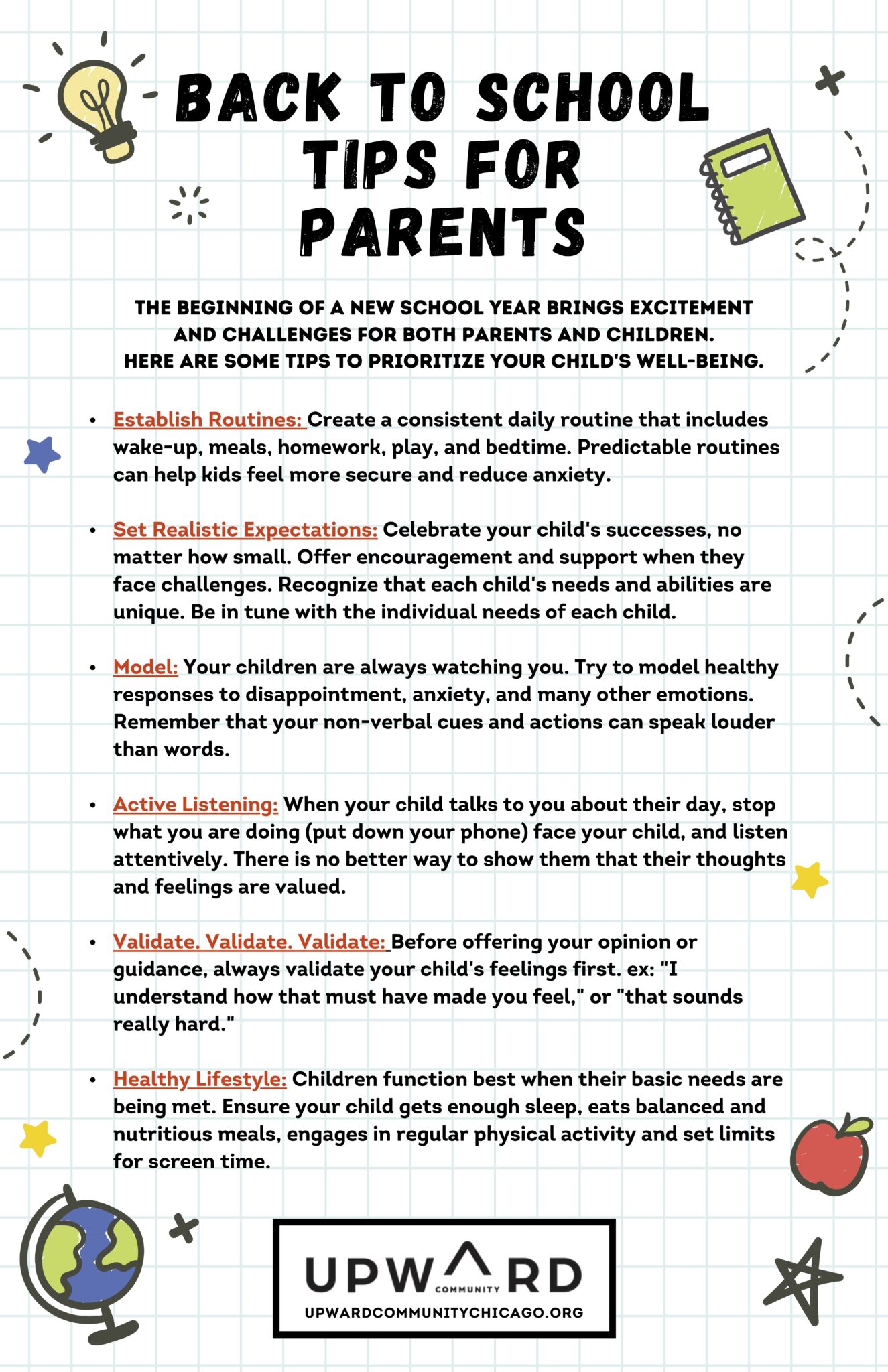
Transitioning back to an academic environment requires strategic planning, time management, and mental preparation, whether you are returning after a short break or transitioning from full-time employment. Achieving academic success and maintaining personal well-being depend on establishing consistent daily routines, acquiring the right learning tools, and engaging actively with course material from the very first week.
Understanding the Transition Phase and Establishing Objectives
Returning to school represents a major shift in daily routines, cognitive demands, and social environments. Before classes begin, acknowledge that the adjustment period requires deliberate effort. Establishing clear academic and personal objectives provides a framework for decision-making throughout the term. Write down specific goals for your GPA, skill development, and extracurricular participation, ensuring they are realistic and measurable.
Examine your motivations for pursuing this educational phase. Whether you are aiming for career advancement, licensure, or personal enrichment, keeping your primary objective visible helps sustain motivation when coursework intensifies. Aligning your daily tasks with these long-term goals prevents burnout and keeps distractions to a minimum.
Mastering Time Management and Calendar Organization
Time management forms the cornerstone of academic achievement. Without a structured schedule, assignments accumulate, and preparation for examinations becomes rushed and ineffective. Begin by acquiring a reliable digital calendar, a physical planner, or a hybrid system that synchronizes across all your devices.
Input all immovable commitments first, including class times, work shifts, family responsibilities, and commute windows. Once these baseline elements are established, block out dedicated study sessions for each course. A reliable guideline for higher education and intensive programs is to allocate two to three hours of independent study for every credit hour spent in the classroom.
- The Time-Blocking Method: Divide your day into specific chunks dedicated to singular tasks, such as reading course material, drafting essays, or reviewing notes.
- Weekly Reviews: Spend twenty minutes every Sunday evening reviewing the upcoming week to identify peak workload periods and adjust your schedule accordingly.
- Buffer Times: Build fifteen-minute transition buffers between scheduled tasks to account for unexpected delays or cognitive fatigue.
Designing a Dedicated and Ergonomic Study Environment
Your physical environment directly influences your focus, retention, and physical health. Studying from a bed or a high-traffic kitchen table often leads to distractions, poor posture, and inefficient learning. Designate a specific workspace dedicated entirely to academic tasks.
Ensure your study area features proper ergonomic support, adequate lighting, and minimal noise pollution. A supportive chair, a desk positioned at elbow height, and a computer monitor aligned with your eye level prevent repetitive strain injuries during long study sessions. Keep essential supplies—such as notebooks, pens, highlighters, and charging cables—within arm's reach to minimize interruptions.
| Feature | Optimal Setup | Suboptimal Setup |
|---|---|---|
| Seating | Adjustable ergonomic chair supporting lumbar curve | Soft couch or kitchen stool without back support |
| Lighting | Adjustable LED desk lamp combined with natural ambient light | Dim overhead lighting or direct glare on screens |
| Noise Level | Quiet space with noise-canceling headphones or ambient sound | High-traffic areas with household or street disruptions |
| Organization | Clear desk surface with immediate tools stored neatly | Cluttered workspace requiring constant item searches |
Utilizing Active Learning and Note-Taking Strategies
Passive reading—simply scanning text from start to finish—yields low information retention. To master complex subjects, implement active learning techniques that force your brain to process, synthesize, and apply information.
During lectures or textbook readings, avoid transcribing every word verbatim. Instead, use structured note-taking frameworks such as the Cornell method, which divides your page into notes, cues, and a summary section. Highlight core concepts, formulate questions in the margins, and translate complex theories into your own words.
Following every study session, review your notes within twenty-four hours to leverage the psychological spacing effect and move information from short-term memory into long-term retention. Create flashcards for terminology, map out conceptual diagrams for complex processes, and explain difficult topics aloud as if teaching them to a peer.
Building a Reliable Academic and Social Support Network
Education is rarely an isolated endeavor. Establishing a robust support network mitigates the stress associated with demanding coursework and provides crucial assistance when obstacles arise. Connect with your professors and teaching assistants during office hours early in the term; establishing this rapport ensures you feel comfortable seeking help when challenging assignments appear.
Form study groups with dedicated peers in your classes. Collaborative learning exposes you to alternative problem-solving strategies, fills gaps in your notes, and maintains accountability. Beyond academics, maintain open communication with family members and friends regarding your study schedule so they can support your goals and respect your focus time.
Prioritizing Physical Health, Sleep, and Nutrition
Cognitive performance is inextricably linked to physiological well-being. Sacrificing sleep and nutrition to gain extra study hours often backfires, leading to reduced concentration, slower processing speeds, and compromised immune function.
Aim for seven to nine hours of quality sleep each night. Consistent sleep schedules regulate circadian rhythms, enhancing memory consolidation that occurs during rapid eye movement (REM) sleep. Fuel your brain with balanced meals rich in complex carbohydrates, lean proteins, and healthy fats, while maintaining adequate hydration throughout the day. Incorporate physical activity into your weekly routine; even a brisk thirty-minute walk releases neurochemical transmitters that reduce stress and elevate cognitive function.
Embracing Digital Literacy and Utilizing Campus Resources
Modern educational environments rely heavily on digital platforms, learning management systems (LMS), and specialized software. Familiarize yourself with your institution's digital ecosystem—such as Canvas, Blackboard, or Moodle—during the first week of classes. Ensure your hardware meets all technical specifications required for your coursework, and back up all academic files to a secure cloud storage provider.
Furthermore, educational institutions offer a wealth of underutilized resources designed to support student success. Familiarize yourself with the library's research databases, writing centers, tutoring services, and mental health counseling offices. Utilizing these professional services early prevents minor academic struggles from developing into major hurdles.
Developing Financial Resilience and Budgeting Wisely
Managing the financial aspects of returning to school is essential for reducing stress and maintaining focus on your studies. Tuition, textbooks, technology, and living expenses require careful financial planning.
Create a comprehensive semester budget that accounts for all fixed and variable expenses. Explore cost-saving strategies for course materials, such as renting textbooks, purchasing verified used copies, or utilizing open-educational resources provided by your institution. Track your spending diligently using personal finance applications or spreadsheets to ensure your financial resources last throughout the academic term.
Practicing Adaptability and Resilience in the Face of Setbacks
Even with meticulous planning, unexpected challenges will arise. A difficult examination grade, a misunderstood assignment prompt, or unexpected personal obligations can disrupt your academic rhythm. Cultivating resilience allows you to view these setbacks as temporary data points rather than permanent failures.
When an obstacle occurs, perform a constructive post-mortem analysis. Identify the specific factors that contributed to the shortfall—such as inadequate preparation time, conceptual misunderstanding, or time management lapses—and adjust your strategy accordingly. Flexibility and a growth mindset enable you to pivot quickly and maintain forward momentum.
Maintaining Long-Term Balance and Preventing Burnout
The final essential strategy for a successful return to school is recognizing the importance of sustainable pacing. Treating education as a marathon rather than a sprint prevents the exhaustion that frequently leads to mid-semester burnout.
Schedule non-academic downtime into your calendar just as you schedule study blocks. Engage in hobbies, spend time with supportive individuals, and disconnect entirely from digital devices and coursework for designated periods each week. Protecting your personal well-being ensures you maintain the mental clarity and enthusiasm required to complete your educational journey successfully.
Maximizing Your Return to School
To ensure a smooth transition and maintain momentum throughout your educational journey, focus your immediate efforts on establishing your workspace, organizing your digital and physical calendars, and identifying key institutional resources. Review your syllabus for each course during the first week, note major assignment deadlines, and begin implementing active study habits immediately. Taking these deliberate steps early sets a strong foundation for sustained academic performance.