Achieving a glowing, dewy complexion requires a strategic blend of humectants to draw moisture into the skin and occlusives to lock it in. The best hydrating products for 2026 utilize multi-molecular hyaluronic acid, polyglutamic acid, and bio-fermented ceramides to repair the skin barrier while providing an immediate, luminous, and light-reflective finish.
Understanding the Science of Dewy Hydration
To achieve the "dewy" look that has dominated skincare trends into 2026, one must distinguish between skin oiliness and skin hydration. Dewiness is the result of high water content in the stratum corneum (the outermost layer of the skin), which allows light to reflect evenly off the surface. When skin is dehydrated, it becomes rough and "scattering" to light, leading to a dull, matte appearance.
The biological process of maintaining this moisture involves three types of ingredients:
- Humectants: These molecules, such as glycerin, hyaluronic acid, and urea, act like magnets to pull water from the atmosphere or deeper layers of the dermis into the epidermis.
- Emollients: These are lipids and oils that fill the gaps between skin cells, smoothing the texture and providing that signature "glow."
- Occlusives: These create a physical barrier on the skin's surface to prevent transepidermal water loss (TEWL), ensuring the hydration provided by humectants does not evaporate.
In 2026, the industry has shifted toward "biocompatible hydration," where products use fermented actives and microbiome-friendly ingredients to ensure the skin can maintain its own moisture levels more effectively over time.
Top 10 Hydrating Products for 2026
The following products have been selected based on their ingredient efficacy, formulation stability, and ability to deliver a non-greasy, reflective finish suitable for various skin types.
1. Laneige Water Bank Blue Hyaluronic Cream
Laneige has long been a leader in hydration technology, and their 2026 iteration of the Water Bank series remains a gold standard. The "Blue" hyaluronic acid in this formula refers to a micro-sized molecule that has undergone a double-fermentation process. This smaller molecular weight allows for deeper penetration into the skin layers compared to standard HA. This cream is particularly effective for those with normal to dry skin who want a "glass skin" effect without the heaviness of traditional balms.
2. SkinCeuticals Hydrating B5 Gel
A favorite among dermatologists, this serum is a minimalist’s dream. It combines high concentrations of sodium hyaluronate with vitamin B5 (panthenol). Vitamin B5 is essential for skin repair, making this product an excellent choice for individuals using active ingredients like retinoids or vitamin C, which can sometimes cause surface dehydration. Its oil-free, clear texture makes it an ideal "hydration booster" that can be layered under any moisturizer.
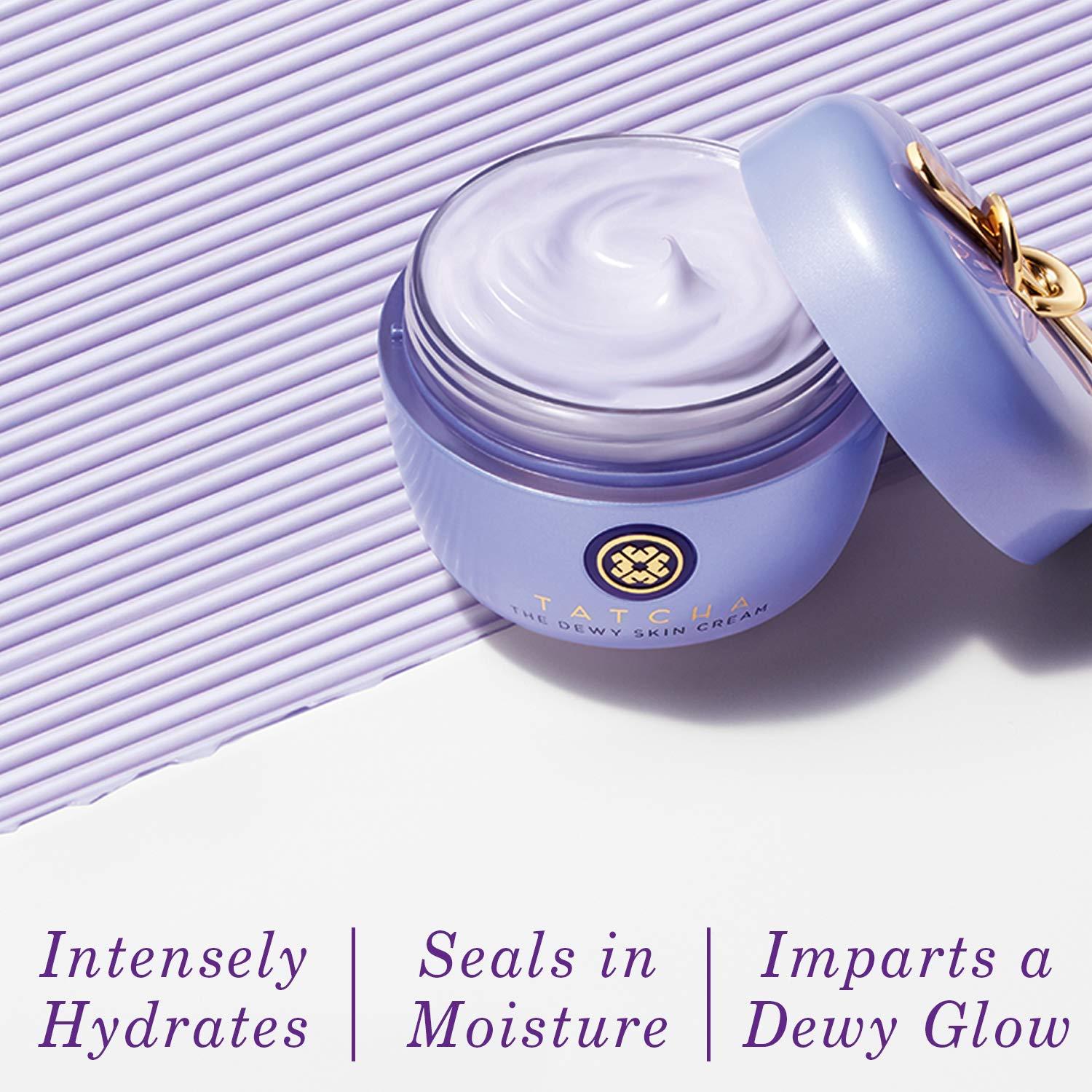
3. Tatcha The Dewy Skin Cream
Specifically formulated to replicate the luminous look of Japanese "mochi" skin, this cream utilizes purple rice extract and a proprietary complex of green tea, rice, and algae. The inclusion of botanical oils gives it a rich, emollient feel that reflects light beautifully. It is best suited for dry skin types or for use as a night cream to wake up with a plumped, hydrated visage.
4. The Ordinary Hyaluronic Acid 2% + B5 (Refined Formula)
For those seeking efficacy without the luxury price tag, The Ordinary remains a staple. The 2026 refined formula includes pro-vitamin B5 and several forms of hyaluronic acid (low, medium, and high molecular weights). This ensures that hydration is distributed across multiple depths of the skin. To avoid the "tackiness" sometimes associated with HA serums, it is recommended to apply this to damp skin.
5. Rhode Barrier Restore Cream
Helmed by the "glazed donut" aesthetic, this cream focuses heavily on barrier repair. It contains a blend of fatty acids, shea butter, and squalane. By reinforcing the skin's natural lipid barrier, it ensures that moisture is trapped within the skin for longer periods. It provides a natural, healthy sheen that looks like skin rather than makeup, making it a perfect base for "no-makeup" days.
6. COSRX Advanced Snail 96 Mucin Power Essence
Snail secretion filtrate has remained a cult favorite into 2026 due to its unique ability to provide intense hydration and skin repair simultaneously. With 96% snail mucin, this essence is rich in glycoproteins and hyaluronic acid. It has a slightly "stringy" texture that absorbs quickly, leaving the skin feeling incredibly soft and "bouncy." It is particularly effective for soothing irritation and redness.
7. Dr. Jart+ Ceramidin Skin Barrier Moisturizing Cream
If your skin feels "tight" or shows signs of flaking, the Ceramidin line is the solution. It utilizes a 5-Cera Complex (five different types of ceramides) to rebuild a damaged skin barrier. While many hydrating products focus only on water, this cream focuses on the "mortar" between skin cells. In 2026, this formula has been updated to include ectoin, an extremolyte that protects skin cells from environmental dehydration.
8. Paula’s Choice Hyaluronic Acid Booster
This is a concentrated serum designed to be mixed into other products or used alone. What sets it apart is the inclusion of ceramides and yeast extract, which help the skin synthesize its own hyaluronic acid. It is a highly "intelligent" formula that adapts to the skin's needs, providing hydration without clogging pores, making it the best choice for oily but dehydrated skin.
9. La Roche-Posay Hyalu B5 Serum
Targeting sensitive skin, this serum combines pure hyaluronic acid, vitamin B5, and madecassoside (derived from Centella Asiatica). Madecassoside is a potent anti-inflammatory that helps plump the skin by supporting collagen synthesis. It is an excellent clinical-grade option for those who need to address fine lines caused by dehydration while maintaining a gentle touch.
10. Glow Recipe Plum Plump Hyaluronic Cream
This cream utilizes three types of plum extracts (Kakadu, Illawarra, and Burdekin) which are naturally high in antioxidants and vitamin C. Combined with five weights of hyaluronic acid, it provides a "burst" of hydration upon application. The texture is a whipped gel-cream that feels cooling and light, making it the premier choice for humid climates where a heavy cream would feel suffocating.
Comparative Overview of Hydrating Products
The table below provides a quick reference for selecting the product best suited to your specific needs and skin type based on 2026 market data.
| Product Name | Primary Skin Type | Key Hydrator | Finish | Best For |
|---|---|---|---|---|
| Laneige Water Bank | Normal/Dry | Blue Hyaluronic Acid | Dewy/Glowy | Long-lasting moisture |
| SkinCeuticals B5 Gel | All Types | Sodium Hyaluronate | Natural | Layering under makeup |
| Tatcha Dewy Cream | Dry/Mature | Purple Rice Extract | High Shine | Redness and dullness |
| The Ordinary HA 2% | All Types | Multi-weight HA | Matte-Satin | Budget-friendly hydration |
| Rhode Barrier Cream | Normal/Sensitive | Squalane/Peptides | Luminous | Skin barrier repair |
| COSRX Snail Mucin | Oily/Acne-Prone | Snail Secretion Filtrate | Bouncy/Dewy | Texture improvement |
| Dr. Jart+ Ceramidin | Very Dry | 5-Cera Complex | Velvet-Dewy | Repairing flakiness |
| Paula’s Choice Booster | Oily/Combination | HA & Ceramides | Weightless | Targeted hydration |
| La Roche-Posay B5 | Sensitive | HA & Vitamin B5 | Plump | Anti-aging/Soothing |
| Glow Recipe Plum | Combination | Plum/Polyglutamic Acid | Fresh/Dewy | Lightweight plumping |
The Role of Ingredients in Achieving Luminous Skin
When scanning labels for hydrating products, it is helpful to understand the specific role of modern ingredients. In 2026, the focus has moved beyond simple moisture to "cellular signaling" and "barrier integrity."
Polyglutamic Acid (PGA): Often found in newer formulations like the Glow Recipe Plum Plump, PGA is a powerhouse that can hold up to four times more moisture than hyaluronic acid. While HA works in the deeper layers, PGA forms a thin, breathable film on the surface to lock in moisture and give an immediate "filter-like" glow.
Glycerin: Often overlooked because it is an older ingredient, glycerin remains one of the most effective humectants available. According to the American Academy of Dermatology, glycerin helps to improve skin barrier function and mechanical properties. It is often the second or third ingredient in high-quality hydrating creams because of its reliability.
Ceramides: These are lipid molecules found naturally in the skin. A "dewy" look cannot be sustained if the skin has "leaks." Ceramides act as the glue that keeps skin cells together, preventing water from escaping. For a long-term glow, incorporating a ceramide-rich product like the Dr. Jart+ or Rhode cream is essential.
How to Layer Products for Maximum Glow
The order of application is just as important as the products themselves. Applying a thick oil before a water-based serum will prevent the serum from ever reaching your skin cells.
- Cleanse Gently: Use a non-foaming, pH-balanced cleanser. Stripping the skin of its natural oils during cleansing makes it much harder to achieve a dewy look later.
- Apply to Damp Skin: Never dry your face completely. Humectants like hyaluronic acid need water to "grab" onto. Applying them to bone-dry skin in a dry environment can actually draw moisture out of your skin.
- Thin to Thick: Apply your most watery products first (essences and serums) and your thickest products last (creams and oils).
- The "Seal": If you have extremely dry skin, consider a final step of a face oil or an occlusive balm like La Roche-Posay Cicaplast to ensure the hydration stays locked in overnight.
Common Mistakes When Seeking Hydrated Skin
Many users struggle to achieve a dewy look despite using expensive products. This often stems from a few common procedural errors:
- Over-Exfoliating: While removing dead skin cells is necessary for a smooth surface, over-using acids (AHA/BHA) destroys the skin barrier. A damaged barrier cannot hold water, leading to skin that looks "shiny" (tight and plasticky) rather than "dewy" (supple and hydrated).
- Ignoring Humidity Levels: In very dry climates, humectants can struggle. If you live in an arid region, using a humidifier in your bedroom can significantly improve the performance of your hydrating skincare.
- Inconsistency: Hydration is a daily requirement. The skin's moisture levels fluctuate based on diet, sleep, and weather. Consistent application of humectants is required to maintain the "plump" look of the cells.
FAQ: Hydrating Face Products
What is the difference between dry and dehydrated skin?
Dry skin is a skin type characterized by a lack of natural oils (lipids). Dehydrated skin is a skin condition characterized by a lack of water. You can have oily skin that is also dehydrated, which often results in skin that feels tight but looks shiny. Hydrating products target dehydration by adding water, while moisturizing products target dryness by adding oil.
Can I use these products if I have acne-prone skin?
Yes, but you must choose carefully. Acne-prone individuals should look for "non-comedogenic" labels and oil-free formulations. Products like the COSRX Snail Mucin or SkinCeuticals B5 Gel provide intense hydration without using heavy oils that might clog pores. In fact, properly hydrating acne-prone skin can sometimes reduce oil production, as the skin no longer feels the need to overcompensate for dryness.
How long does it take to see results from hydrating products?
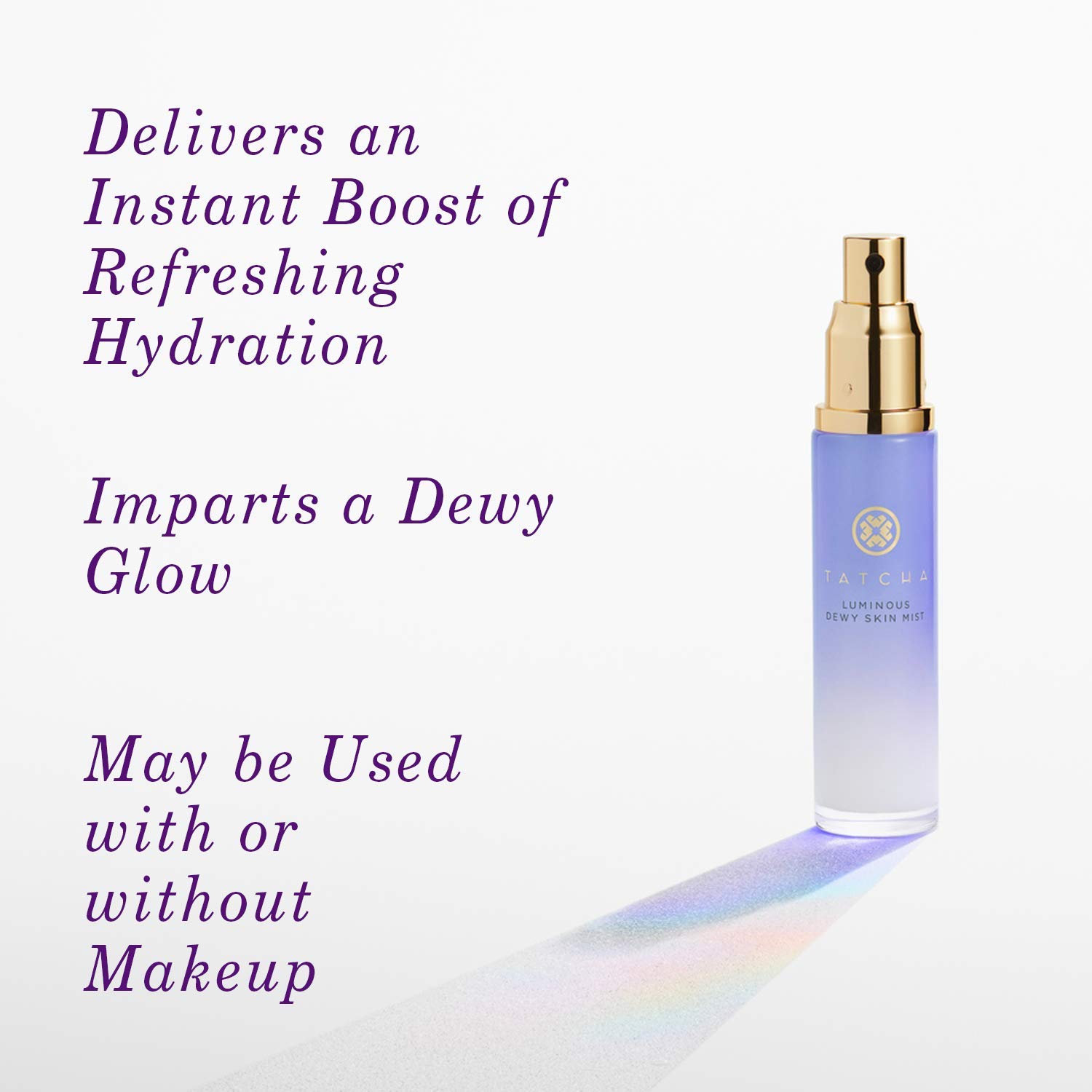
While some products like Tatcha or Laneige provide an immediate cosmetic glow due to their light-reflective ingredients, true cellular hydration takes time. You will typically see an improvement in skin bounce and a reduction in fine lines within 2 to 4 weeks of consistent use, as the skin barrier begins to repair itself.
Should I use hyaluronic acid every day?
For most skin types, hyaluronic acid is safe and beneficial for daily use, both morning and night. However, it must be paired with an emollient or occlusive cream to "trap" the moisture. Using a high-concentration HA serum alone without a moisturizer over it can lead to increased dryness, especially in low-humidity environments.
Practical Recommendation for Starting Your Routine
If you are new to a dedicated hydration routine, start by adding a single high-quality humectant serum, such as The Ordinary Hyaluronic Acid 2% + B5 or SkinCeuticals Hydrating B5 Gel, to your existing regimen. Apply this to a damp face after cleansing and follow immediately with your favorite moisturizer. Observe how your skin reacts over 48 hours to ensure no sensitivity occurs. Once your skin is accustomed to the increased hydration, you can introduce more specialized creams like the Laneige Water Bank for that specific 2026 "dewy" finish. Consistency and barrier protection are the two most important factors in maintaining a healthy, luminous complexion year-round.