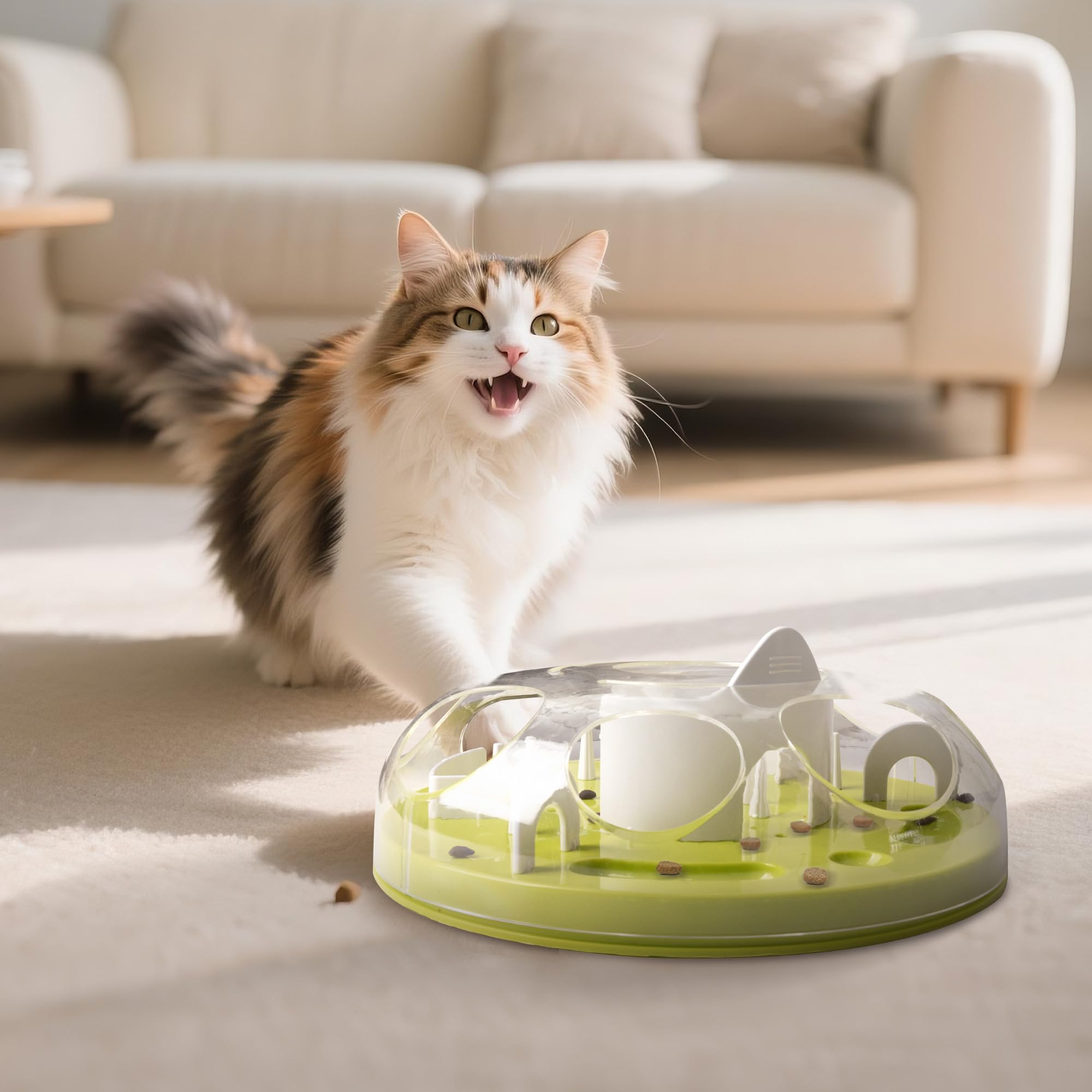
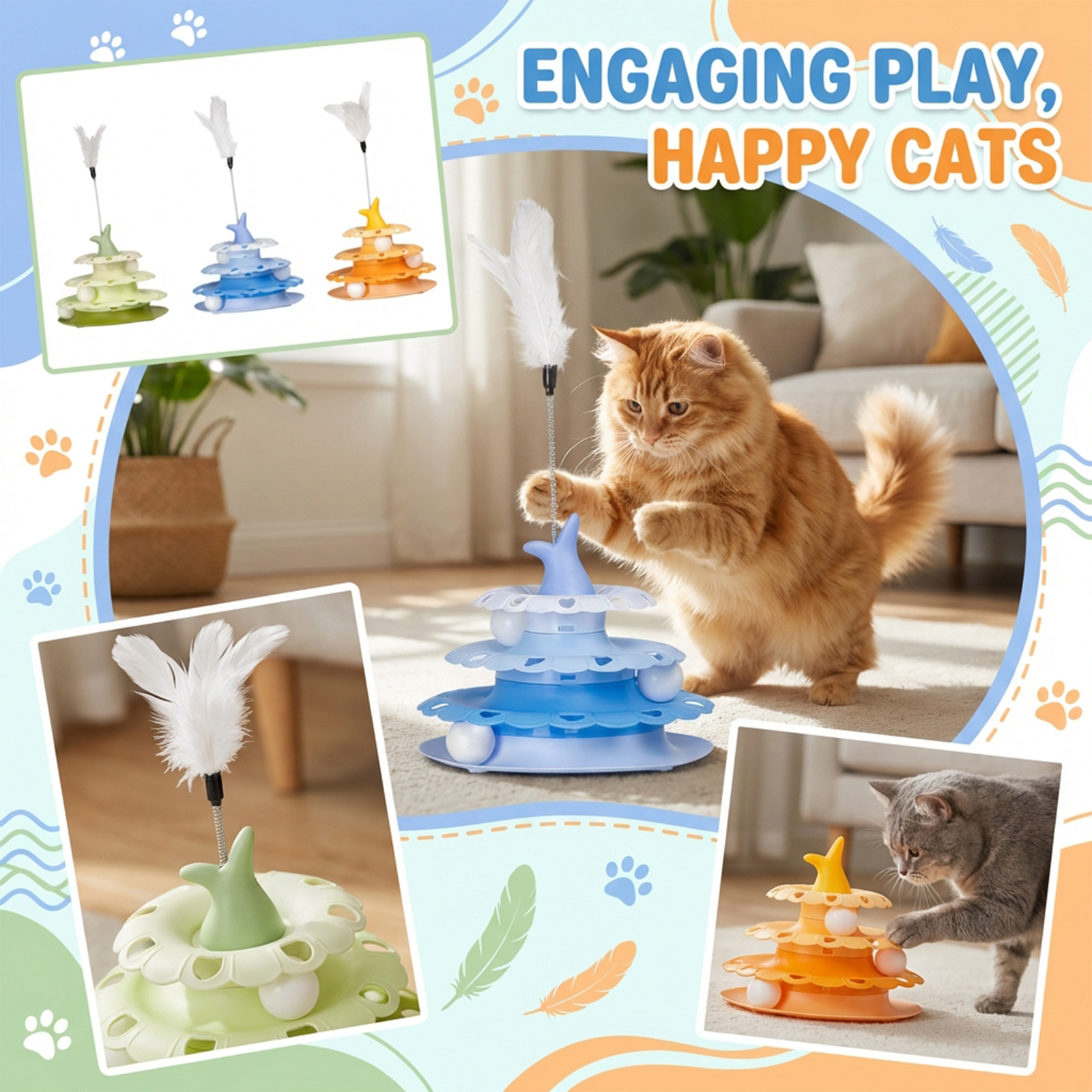
Cat enrichment toys are essential tools designed to stimulate a feline’s natural hunting, foraging, and stalking instincts, preventing boredom-related behavioral issues. The most effective options for 2026 include strategic food puzzles like the Trixie Activity Center, interactive wands like Da Bird, and scent-based stimulators that encourage cognitive engagement and physical activity.
Understanding Feline Enrichment: The Biological Necessity
To understand why enrichment toys are vital, one must first look at the ethology of the domestic cat (Felis catus). Despite their status as pampered household companions, cats remain biologically wired as apex predators. In the wild, a significant portion of a cat’s waking hours is spent in the "predatory sequence": searching, stalking, pouncing, and killing. When this sequence is truncated by a sedentary indoor lifestyle, cats often develop "displacement behaviors," such as over-grooming, inter-cat aggression, or destructive scratching.
Enrichment is not merely about "fun"; it is a clinical requirement for animal welfare. Environmental enrichment refers to the provision of stimuli that allow an animal to express species-typical behaviors. For cats, this means providing outlets for their high-speed bursts of energy and their complex problem-solving abilities. As of 2026, veterinary behaviorists emphasize that cognitive enrichment—toys that make a cat "think" for their reward—is just as important as physical exercise.
Key Criteria for Selecting Enrichment Toys
When evaluating the best enrichment toys, owners should look beyond aesthetics. High-quality toys are judged on four primary metrics: safety, durability, engagement type, and ease of maintenance.
- Safety: Avoid toys with small, detachable parts that could be swallowed. Strings, ribbons, and feathers should be securely attached and inspected regularly for fraying.
- Durability: Cats have powerful jaws and sharp claws. Materials like heavy-duty BPA-free plastic, high-denier canvas, and natural sisal are preferred.
- Engagement Type: Does the toy encourage physical movement (active play) or cognitive problem-solving (passive enrichment)? A balanced environment requires both.
- Washability: Since many enrichment toys involve food or saliva, they must be easy to sanitize to prevent bacterial growth.
The 10 Best Cat Enrichment Toys for 2026
The following list represents the gold standard in feline enrichment, selected for their ability to cater to different sensory needs and predatory instincts.
1. Doc & Phoebe’s Indoor Hunting Feeder
This system replaces the traditional food bowl with "mice" that owners hide around the house. It addresses the "foraging" aspect of the predatory sequence. By forcing the cat to hunt for their meals, it reduces the risk of "scarf and barf" syndrome and provides low-intensity exercise throughout the day. This feeder is widely recommended by the American Association of Feline Practitioners as a primary method for environmental optimization.
2. Trixie Pet Products 5-in-1 Activity Center
This is the ultimate cognitive challenge. It features five different modules—globes, pegs, alleys, tongues, and tunnels—each requiring a different tactile approach to retrieve treats. It is particularly effective for highly intelligent breeds like Siamese or Bengals who require significant mental heavy lifting to remain calm.
3. Go Cat Da Bird Wand Toy
Widely considered the industry standard for wand toys, Da Bird uses a unique swivel mechanism and aerodynamically aligned feathers that mimic the sound and flight pattern of a real bird. This triggers the cat’s "high-intensity stalking" instinct. It is an essential tool for structured play sessions that end in a "kill" (a high-value treat) to complete the predatory cycle.
4. PetSafe SlimCat Interactive Feeder
A budget-friendly but highly effective tool, this treat-dispensing ball is adjustable to different kibble sizes. It encourages the cat to bat the ball around to release food. For overweight cats, this toy is a critical component of weight management programs, as it turns mealtime into a physical activity.
5. Yeowww! Catnip Banana
While it appears simple, the Yeowww! Banana is renowned for using 100% organic, flower-top catnip with no fillers. The heavy-duty cotton twill is designed to withstand "bunny kicking," a defensive behavior where cats use their powerful hind legs to rake their prey. This provides a necessary outlet for aggressive play.
6. SnugglyCat The Ripple Rug
The Ripple Rug is an "activity mat" made from recycled plastic bottles. It consists of two layers: a non-slip base and a top layer with holes that can be reshaped into tunnels and burrows. It provides a variable environment where cats can hide, stalk, and hunt for hidden toys, catering to their need for environmental novelty.
7. PetFusion Ambush Interactive Cat Toy
This electronic toy features a "feather" that pops out of one of six holes in a random pattern. It utilizes the cat's visual tracking skills and rewards quick reflexes. Unlike many electronic toys that can be predictable, the Ambush’s randomized algorithm keeps cats engaged for longer durations.
8. Nina Ottosson Buggin’ Out Puzzle
Designed by the famous pet puzzle creator, this toy requires cats to slide "leaves" and rotate "pegs" to find hidden rewards. It is categorized as a Level 2 difficulty puzzle, making it ideal for cats that have already mastered basic food balls and are ready for more complex sequential tasks.
9. Potaroma Electric Flopping Fish
This toy combines visual stimulation with tactile feedback. It features a motion sensor that triggers a realistic flopping motion when the cat touches it. The 2026 version includes a rechargeable battery and a scent pouch for silvervine, a potent alternative for cats who do not respond to traditional catnip.
10. Catit Senses 2.0 Food Tree
The Food Tree is a vertical feeder that requires the cat to reach through side openings to move kibble down through various tiers until it falls into the base. It challenges the cat’s fine motor skills and spatial reasoning. The adjustable top allows owners to increase the difficulty as the cat becomes more proficient.
Comparative Analysis of Top Enrichment Toys
| Toy Name | Primary Purpose | Difficulty Level | Durability | Best For |
|---|---|---|---|---|
| Indoor Hunting Feeder | Foraging/Weight | Low | Medium | Boredom prevention |
| Trixie Activity Center | Cognitive/Tactile | High | High | Intelligent breeds |
| Go Cat Da Bird | Stalking/Aerobic | N/A (Owner led) | Medium | Daily exercise |
| PetSafe SlimCat | Foraging/Activity | Low | High | Overweight cats |
| Yeowww! Banana | Aggression Outlet | Low | Very High | Bunny kicking |
| The Ripple Rug | Environmental | Variable | High | Multi-cat homes |
| Ambush Interactive | Visual Tracking | Medium | Medium | High prey drive |
| Buggin’ Out Puzzle | Problem Solving | High | High | Food-motivated cats |
| Electric Flopping Fish | Sensory/Tactile | Low | Medium | Solo play |
| Catit Food Tree | Fine Motor Skills | Medium | High | Slowing down eaters |
The Role of Scent and Sound in Feline Stimulation
Enrichment is often focused on sight and touch, but olfactory (scent) and auditory (sound) stimulation are equally potent. Cats have an olfactory system that is significantly more advanced than that of humans, featuring roughly 200 million scent receptors.
Silvervine (Actinidia polygama) and Valerian root are often more effective than catnip for a larger percentage of the feline population. Integrating these scents into toys can re-engage a cat with an object they have previously grown bored with. Furthermore, some high-end enrichment toys in 2026 utilize "ultrasonic" sound chips that emit frequencies only audible to cats, mimicking the high-pitched squeaks of rodents. These subtle cues can keep a cat in an "active alert" state, which is a healthy form of mental engagement.
Safety Guidelines and Maintenance for Enrichment Devices
Even the best-engineered toy can become a hazard if not maintained. Mechanical toys with batteries should be inspected for compartment integrity; leaking alkaline batteries are highly toxic if a cat manages to chew through the casing.
For wand toys, the most common injury involves the ingestion of "linear foreign bodies" (strings or wires). These can cause life-threatening intestinal plication, where the intestines bunch up like a curtain on a rod. Owners must store wand toys in a closed cabinet when not in use. According to the AVMA, early detection of toy-related issues—such as sudden lethargy or vomiting—is crucial for positive medical outcomes.
Additionally, toys used for food delivery must be cleaned with pet-safe detergents. Plastic toys can develop microscopic scratches that house Salmonella or E. coli, particularly if used with raw or wet food. Transitioning to ceramic or stainless steel puzzles where possible, or replacing plastic ones annually, is recommended for long-term health.
Strategy for Effective Enrichment: The Power of Toy Rotation
A common mistake cat owners make is leaving every toy available at all times. This leads to "habituation," a phenomenon where the cat’s brain stops responding to the stimulus because it has become a permanent, unchanging part of the landscape.
To maintain the high-value status of enrichment toys, implement a rotation schedule:
- Divide and Conquer: Split your toy collection into three or four batches.
- Weekly Swap: Only allow access to one batch at a time, swapping them every Sunday.
- The "Prey" Finish: When using interactive toys like wands, always end the session by letting the cat "catch" a physical toy or a treat. This prevents the psychological frustration that can occur with laser pointers, where the cat never feels the satisfaction of the "kill."
Frequently Asked Questions
How often should I engage my cat with enrichment toys?
Ideally, cats should have two to three 10-15 minute active play sessions per day, supplemented by passive enrichment (like food puzzles) that is available throughout their waking hours. These sessions should ideally occur around the cat's natural peak activity times, which are dawn and dusk (crepuscular behavior).
Can enrichment toys help with inter-cat aggression?
Yes. Enrichment can reduce "redirected aggression," where a cat's frustration from boredom is taken out on a housemate. By providing individual outlets for their predatory drives, the overall tension in a multi-cat household often decreases. It is important to provide enough toys so that cats do not feel the need to compete for resources.
My cat is a "senior"; are these toys still appropriate?
Senior cats still require mental stimulation, but their physical limitations must be considered. Focus on Level 1 puzzles or scent-based enrichment that doesn't require jumping or high-speed running. Toys like the Trixie Activity Center are excellent for seniors as they can be used while the cat is sitting or lying down.
Are DIY enrichment toys as effective as commercial ones?
In many cases, yes. A cardboard box with holes cut into it or a toilet paper roll filled with kibble and folded at the ends can provide excellent foraging enrichment. However, commercial toys often provide greater durability and more complex "randomization" that is difficult to replicate with household items.
Creating a Comprehensive Enrichment Plan
The best approach to feline enrichment is a holistic one. Do not rely on a single toy to meet all your cat's needs. Instead, create a "play ecosystem" that includes a variety of sensory inputs. Start by replacing the food bowl with a combination of the PetSafe SlimCat ball and the Indoor Hunting Feeder. Follow this with daily 15-minute sessions using the Da Bird wand to burn off pent-up energy. Finally, provide environmental variety with the Ripple Rug and rotating scent-based toys. By addressing the cat's biological drive to hunt and solve problems, you will foster a calmer, healthier, and more satisfied feline companion.