The 007 film series is the longest-running continuous cinematic franchise in history, focusing on the exploits of British Secret Service agent James Bond. Produced primarily by Eon Productions, the series spans over sixty years, beginning with 1962’s Dr. No and evolving through multiple lead actors and cultural shifts.
The Foundations of the James Bond Franchise
The 007 film series owes its existence to the literary creations of Ian Fleming, a former naval intelligence officer who penned twelve novels and two short-story collections featuring the character. While the films often deviate significantly from the source material, the core identity of James Bond—a sophisticated, lethal, and resourceful "00" agent with a license to kill—remains rooted in Fleming’s 1950s and 60s prose.
The cinematic journey began when producers Albert R. "Cubby" Broccoli and Harry Saltzman formed Eon Productions. Their partnership secured the filming rights to most of Fleming’s works, setting the stage for a production style characterized by high-budget action, exotic locations, and cutting-edge practical effects. Since its inception, Eon has remained a family-run entity, with Barbara Broccoli and Michael G. Wilson currently overseeing the franchise's direction.
As of 2026, the series is recognized not just for its longevity but for its ability to adapt. From the Cold War tensions of the 1960s to the post-9/11 geopolitical complexities explored in the 21st century, the 007 films serve as a mirror to contemporary anxieties and technological advancements. The franchise's survival is largely attributed to its "re-casting" strategy, allowing the character to be rejuvenated for new generations without requiring a complete narrative reset, until the explicit reboot seen in 2006’s Casino Royale.
A Chronological Evolution of the Bond Actors
The portrayal of James Bond has been defined by distinct eras, each reflecting the personality of the lead actor and the cinematic trends of the time. While the character's core traits persist, each performer brought a unique interpretation to the role of 007.
The Sean Connery and George Lazenby Era (1962–1971)
Sean Connery established the cinematic blueprint for Bond. His portrayal combined rugged masculinity with a refined, dangerous edge. Connery starred in the first five films, defining essential elements like the "Bond theme," the focus on gadgets, and the confrontation with the criminal syndicate SPECTRE. After a brief hiatus, during which George Lazenby took the mantle for the emotionally complex On Her Majesty's Secret Service (1969), Connery returned for one final Eon-produced film, Diamonds Are Forever (1971).
The Roger Moore Era (1973–1985)
Roger Moore brought a lighter, more humorous touch to the series. His tenure coincided with the rise of the blockbuster era, and the films became increasingly grand in scale, often incorporating elements from other popular genres, such as blaxploitation (Live and Let Die) and space opera (Moonraker). Moore remains the actor with the longest continuous service, appearing in seven official films over twelve years.
The Timothy Dalton and Pierce Brosnan Era (1987–2002)
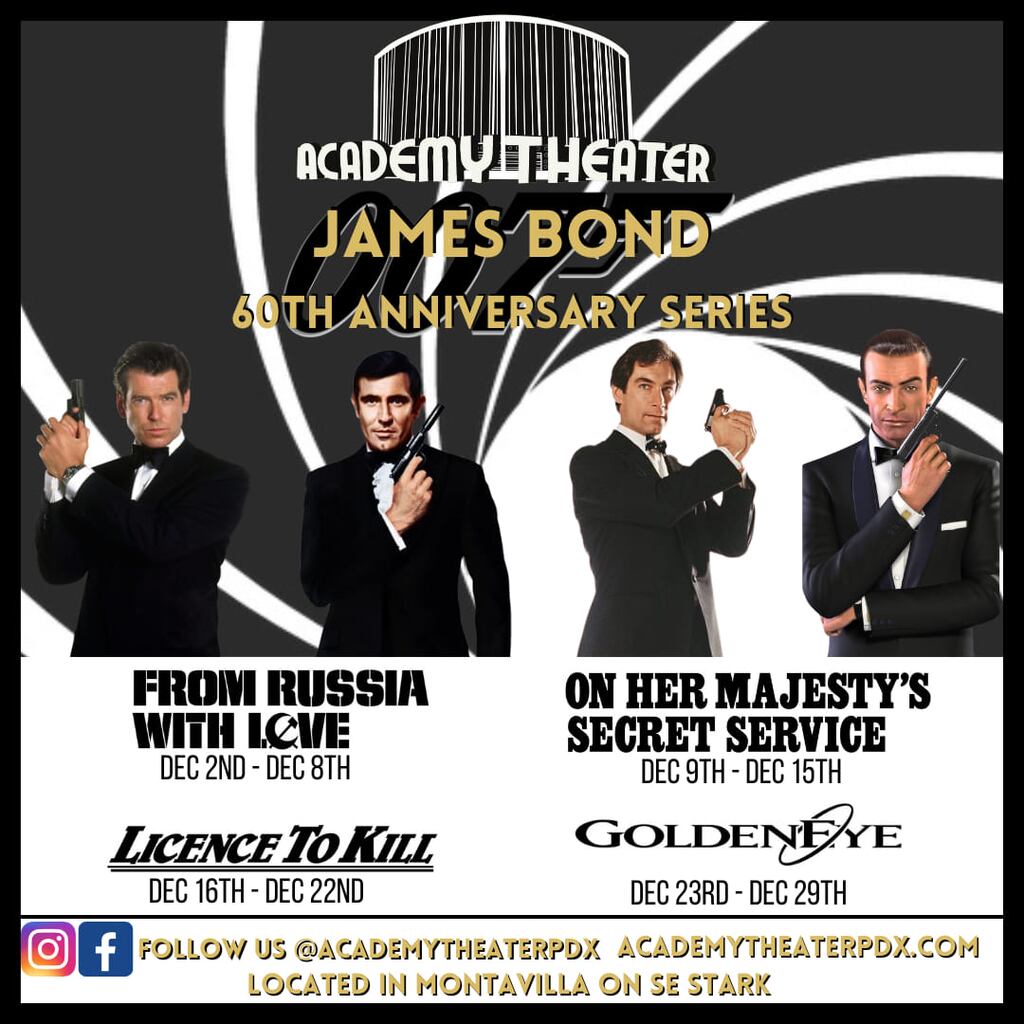
Timothy Dalton attempted a return to the "Fleming Bond"—a darker, more serious, and psychologically driven character. Although his two films, The Living Daylights and Licence to Kill, were ahead of their time in terms of grit, they paved the way for future interpretations. Following a legal hiatus in the early 90s, Pierce Brosnan took over, successfully blending Connery’s coolness with Moore’s charm. Brosnan’s era was a massive commercial success, revitalizing the franchise for the post-Cold War world.
The Daniel Craig Era (2006–2021)
Daniel Craig’s tenure marked the first true reboot of the series. Casino Royale stripped away the camp and invisible cars, focusing on Bond’s origin and his emotional vulnerability. This era introduced a serialized narrative structure, where events in one film directly impacted the next, culminating in the definitive conclusion of his character arc in No Time to Die. As of 2026, the search for the seventh actor to lead the franchise remains a central topic of discussion in the film industry, as the production team looks to define the "next Bond" for a new decade.
Behind the Scenes: Production, Distribution, and Ownership
The production of the 007 series is a complex interplay of creative control and corporate distribution. While Eon Productions maintains total creative authority over the films, the distribution rights have shifted over the decades. For much of its history, United Artists and later MGM served as the primary distributors.
A significant shift occurred in the early 2020s when Amazon acquired MGM. This acquisition brought the 007 catalog under the umbrella of Amazon Studios. However, the unique contract held by the Broccoli family ensures that the theatrical experience remains a priority. Unlike many contemporary franchises that have pivoted heavily toward streaming-only content, the 007 series continues to emphasize large-scale global theatrical releases.
The technical production of a Bond film is an immense undertaking. The franchise is famous for its "Unit" system, particularly the Second Unit, which handles the complex stunt work and action sequences. Names like Vic Armstrong and Remy Julienne became legendary within the industry for their work on Bond sets. Furthermore, the aesthetic of the series was largely defined by production designer Ken Adam, whose iconic sets—such as the volcano base in You Only Live Twice—set the standard for cinematic villain lairs.
The Quintessential Elements: Music, Gadgets, and Villains
A 007 film is recognized by a specific set of recurring motifs that have become cultural touchstones. These elements are not merely window dressing; they are integral to the franchise’s identity and commercial appeal.
- The Music: The "James Bond Theme," originally composed by Monty Norman and arranged by John Barry, is one of the most recognizable pieces of music in the world. John Barry's orchestral scores defined the "Bond sound"—heavy brass, lush strings, and suspenseful arrangements. Additionally, the tradition of the "Bond Theme Song" has seen contributions from legends like Shirley Bassey, Paul McCartney, Adele, and Billie Eilish.
- The Gadgets and Q Branch: The character of Q (Quartermaster) provides the technological edge Bond needs to survive. From the lethal Aston Martin DB5 to the magnetic watch in Live and Let Die, gadgets represent the series' fascination with technology.
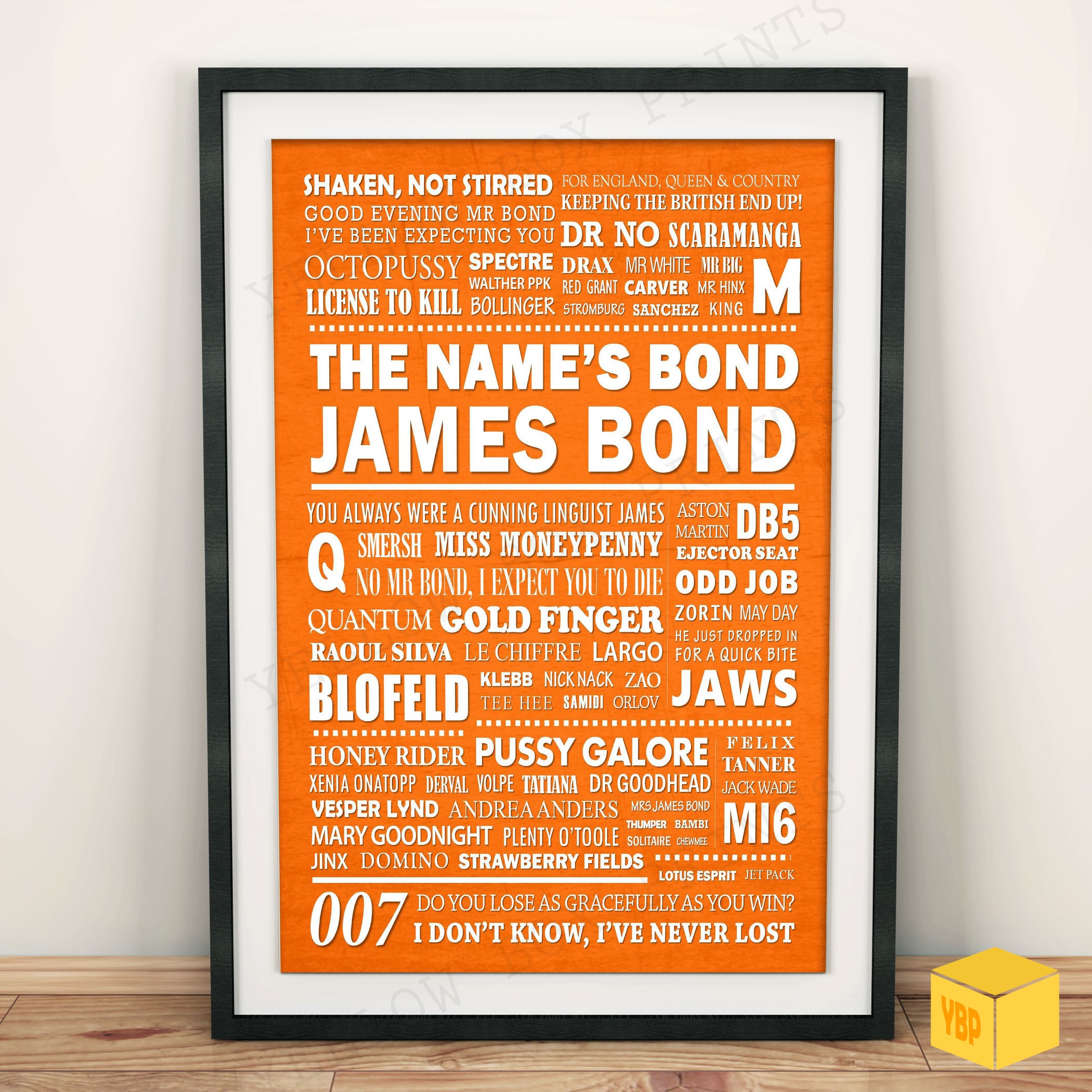
- The Villains and Henchmen: A Bond film is often only as good as its antagonist. Iconic villains like Ernst Stavro Blofeld, Auric Goldfinger, and Raoul Silva provide the ideological and physical threat. These are often accompanied by memorable henchmen, such as Jaws or Oddjob, who provide a physical challenge that Bond must overcome through ingenuity rather than brute force.
Comparing the Bond Actor Eras
The following table provides a high-level comparison of the different eras within the Eon Productions series, focusing on the tenure and output of each lead actor.
| Actor | Tenure | Official Films | Debut Film | Final Film |
|---|---|---|---|---|
| Sean Connery | 1962–1967, 1971 | 6 | Dr. No | Diamonds Are Forever |
| George Lazenby | 1969 | 1 | On Her Majesty's Secret Service | On Her Majesty's Secret Service |
| Roger Moore | 1973–1985 | 7 | Live and Let Die | A View to a Kill |
| Timothy Dalton | 1987–1989 | 2 | The Living Daylights | Licence to Kill |
| Pierce Brosnan | 1995–2002 | 4 | GoldenEye | Die Another Day |
| Daniel Craig | 2006–2021 | 5 | Casino Royale | No Time to Die |
Note: This table excludes non-Eon films such as the 1967 spoof "Casino Royale" and the 1983 independent production "Never Say Never Again".
Critical Reception and Cultural Legacy
The 007 film series has had a profound impact on the action and spy genres. Before Bond, spy films were often grim, low-key affairs. The "Bond formula" introduced a level of spectacle, travelogue-style cinematography, and escapism that influenced everything from Mission: Impossible to the Bourne series and even the Kingsman films.
Critically, the series has fluctuated. Films like From Russia with Love, Goldfinger, and Skyfall are frequently cited by organizations such as the British Film Institute as masterpieces of British cinema. Others have been criticized for being products of their time, particularly regarding the depiction of gender and ethnicity. However, the modern era (specifically the Craig films) has made concerted efforts to address these criticisms by introducing more complex female characters—such as M (Judi Dench) and Vesper Lynd (Eva Green)—and exploring Bond’s own obsolescence in a digital world.
The franchise's cultural legacy is also cemented by its marketing and brand partnerships. The association with luxury brands like Omega, Aston Martin, and Bollinger has made James Bond a lifestyle icon as much as a cinematic one. In 2026, the 007 brand remains a multi-billion dollar asset, proving that the character’s appeal transcends mere film history.
How to Navigate the 007 Catalog in 2026
For new viewers or those looking to revisit the series, there are two primary ways to approach the 007 film series. Given the length of the franchise, a strategic approach can enhance the viewing experience.
- The Release Order: This is the most common method. Starting with Dr. No and ending with No Time to Die allows the viewer to see the evolution of film technology, social norms, and the character’s development over six decades.
- The Actor-Specific Marathons: Because each actor's era is somewhat self-contained (with the exception of the Craig era), many fans prefer to watch all films by a specific actor. For example, watching the Brosnan films provides a snapshot of the 1990s action aesthetic, while the Craig films offer a continuous 15-year narrative arc.
FAQ
Why is the series called 007?
The "00" prefix indicates that James Bond has a "license to kill" in the line of duty, a discretionary power granted to the elite agents of the British Secret Intelligence Service (MI6). The number "7" is simply his identifier within that elite group.
Are all James Bond films made by the same company?
Most "official" Bond films are produced by Eon Productions. However, due to complex licensing history regarding the novel Casino Royale and the film Thunderball, two non-Eon films exist: the 1967 Casino Royale (a parody) and 1983’s Never Say Never Again (starring Sean Connery but produced independently).
Which James Bond film is the most successful?
In terms of unadjusted global box office, Skyfall (2012) remains the highest-grossing film in the franchise, surpassing $1.1 billion. When adjusted for inflation, Thunderball and Goldfinger remain among the most attended films in cinematic history.
Who is the "current" James Bond in 2026?
Following the conclusion of Daniel Craig's tenure in 2021, the role has been vacant. As of 2026, Eon Productions has been in the process of selecting and announcing a successor, though the focus has remained on ensuring the script and direction for the 26th film are established before a formal casting reveal.
Where can I watch the 007 films?
As of 2026, the majority of the 007 catalog is available through Amazon Prime Video due to the MGM acquisition. However, licensing deals vary by region, and the films are frequently rotated across various premium cable networks and physical media releases (4K Ultra HD and Blu-ray).
Starting Your Journey with the 007 Series
If you are new to the franchise, the best entry point depends on your cinematic preferences. For those who enjoy classic cinema and the foundations of the genre, Goldfinger (1964) is the quintessential Bond film. If you prefer modern, high-stakes drama with intense character development, Casino Royale (2006) is the ideal starting point. Regardless of where you begin, the 007 film series offers a unique window into the history of action cinema and the enduring appeal of the world's most famous secret agent.