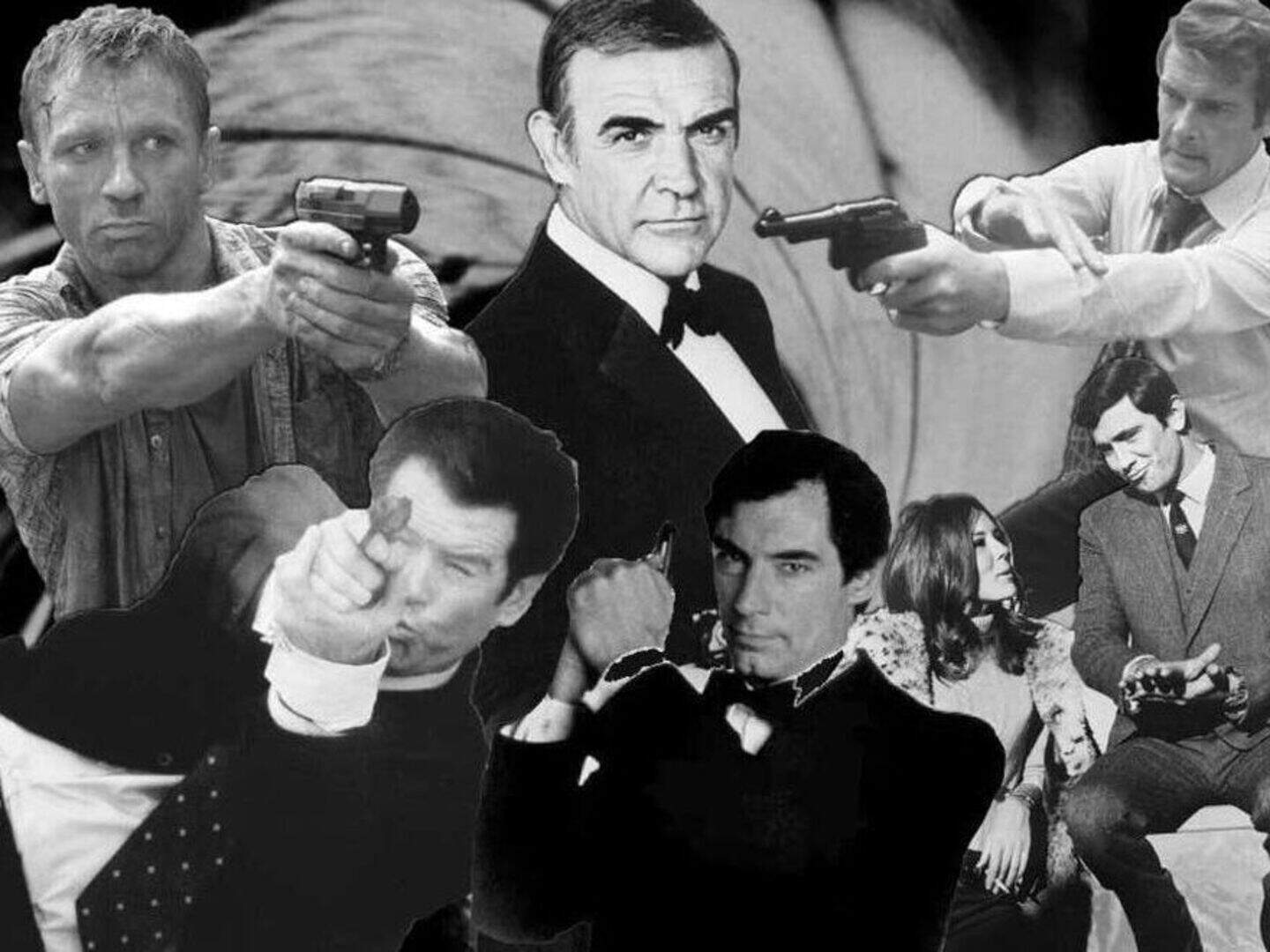
To watch the James Bond 007 films in their most logical sequence, viewers generally follow the release order of the 25 official Eon Productions movies, starting with Dr. No (1962) and ending with No Time to Die (2021). Alternatively, viewers may watch by actor eras or focus on the Daniel Craig reboot continuity for a serialized experience.
Navigating the world of James Bond can be surprisingly complex for a franchise that has spanned over six decades. Unlike modern cinematic universes that rely on strict linear continuity, the 007 series has historically operated on a "floating timeline." For much of its history, the films were episodic, allowing different actors to step into the role of the world's most famous secret agent without resetting the entire narrative. However, the introduction of Daniel Craig in 2006 changed this dynamic, introducing a hard reboot and a serialized story arc that requires a specific viewing order.
As of 2026, the franchise consists of 25 "official" films produced by Eon Productions and two "unofficial" films produced by other studios. Understanding the distinction between these productions and the different ways to categorize the films is essential for any viewer looking to tackle the marathon.
The Official Eon Productions Release Order
The most common and arguably most rewarding way to watch the 007 films is in the order they were released to theaters. This approach allows the viewer to witness the evolution of the action genre, the changing political landscape of the Cold War and beyond, and the technological advancements in filmmaking—from the practical stunts of the 1960s to the digital effects of the 21st century.
The Sean Connery Era (1962–1967, 1971)
Sean Connery defined the cinematic James Bond, moving the character from the pages of Ian Fleming's novels to the silver screen. His era established the "Bond Formula": the gadgets, the megalomaniacal villains, the exotic locations, and the iconic musical themes.
- Dr. No (1962) – The introduction of Bond, set in Jamaica.
- From Russia with Love (1963) – A classic Cold War spy thriller.
- Goldfinger (1964) – The film that solidified the franchise's tropes, including the Aston Martin DB5.
- Thunderball (1965) – A massive underwater spectacle.
- You Only Live Twice (1967) – Bond travels to Japan to thwart a space-based plot.
- Diamonds Are Forever (1971) – Connery’s final official return, set in Las Vegas.
The George Lazenby Interlude (1969)
Following Connery's initial departure, Australian model George Lazenby took over for a single film.
- On Her Majesty's Secret Service (1969) – Often cited by fans and directors (like Christopher Nolan) as one of the best in the series, this film offers a more vulnerable, human Bond who actually gets married.
The Roger Moore Era (1973–1985)
Roger Moore brought a lighter, more humorous touch to the role. During his twelve-year tenure, the films became increasingly grand and often leaned into the campy sensibilities of the 1970s and 80s.
- Live and Let Die (1973) – Bond enters the world of voodoo and Caribbean drug lords.
- The Man with the Golden Gun (1974) – A duel between Bond and an elite assassin.
- The Spy Who Loved Me (1977) – Considered the pinnacle of the Moore era.
- Moonraker (1979) – Bond goes to space to capitalize on the Star Wars craze.
- For Your Eyes Only (1981) – A grounded, more realistic return to espionage.
- Octopussy (1983) – A complex plot involving a circus and a nuclear threat.
- A View to a Kill (1985) – Moore’s final outing, featuring Christopher Walken as the villain.
The Timothy Dalton Era (1987–1989)
After Moore, the franchise took a darker turn with Timothy Dalton. He portrayed Bond as a gritty, brooding professional, much closer to the character found in Ian Fleming's original novels.
- The Living Daylights (1987) – A high-stakes defection story.
- Licence to Kill (1989) – A personal vendetta story that was the first Bond film to receive a PG-13 (12 in the UK) rating for its violence.
The Pierce Brosnan Era (1995–2002)
Following a six-year legal hiatus, Pierce Brosnan revitalized the franchise for the post-Cold War era. His films combined the grit of Dalton with the charm of Connery.
- GoldenEye (1995) – A massive hit that proved Bond was still relevant after the fall of the Soviet Union.
- Tomorrow Never Dies (1997) – A critique of the modern media landscape.
- The World Is Not Enough (1999) – A complex oil-pipeline conspiracy.
- Die Another Day (2002) – A high-tech, though often criticized, 40th-anniversary celebration.
The Daniel Craig Era (2006–2021)
Daniel Craig’s tenure represents the only true serialized continuity in the series. His films tell a complete story arc from Bond’s first mission as a 00-agent to his final resolution.
- Casino Royale (2006) – The origin story.
- Quantum of Solace (2008) – A direct sequel to Casino Royale.
- Skyfall (2012) – An exploration of Bond’s past and M’s legacy.
- Spectre (2015) – The introduction of the overarching villainous organization.
- No Time to Die (2021) – The conclusion of the Craig era.
Summary Table of Official 007 Films
| Year | Title | Bond Actor | Primary Antagonist |
|---|---|---|---|
| 1962 | Dr. No | Sean Connery | Julius No |
| 1963 | From Russia with Love | Sean Connery | Ernst Stavro Blofeld (SPECTRE) |
| 1964 | Goldfinger | Sean Connery | Auric Goldfinger |
| 1965 | Thunderball | Sean Connery | Emilio Largo |
| 1967 | You Only Live Twice | Sean Connery | Ernst Stavro Blofeld |
| 1969 | On Her Majesty's Secret Service | George Lazenby | Ernst Stavro Blofeld |
| 1971 | Diamonds Are Forever | Sean Connery | Ernst Stavro Blofeld |
| 1973 | Live and Let Die | Roger Moore | Dr. Kananga / Mr. Big |
| 1974 | The Man with the Golden Gun | Roger Moore | Francisco Scaramanga |
| 1977 | The Spy Who Loved Me | Roger Moore | Karl Stromberg |
| 1979 | Moonraker | Roger Moore | Hugo Drax |
| 1981 | For Your Eyes Only | Roger Moore | Aristotle Kristatos |
| 1983 | Octopussy | Roger Moore | Kamal Khan / General Orlov |
| 1985 | A View to a Kill | Roger Moore | Max Zorin |
| 1987 | The Living Daylights | Timothy Dalton | General Koskov / Brad Whitaker |
| 1989 | Licence to Kill | Timothy Dalton | Franz Sanchez |
| 1995 | GoldenEye | Pierce Brosnan | Alec Trevelyan |
| 1997 | Tomorrow Never Dies | Pierce Brosnan | Elliot Carver |
| 1999 | The World Is Not Enough | Pierce Brosnan | Elektra King / Renard |
| 2002 | Die Another Day | Pierce Brosnan | Gustav Graves |
| 2006 | Casino Royale | Daniel Craig | Le Chiffre |
| 2008 | Quantum of Solace | Daniel Craig | Dominic Greene |
| 2012 | Skyfall | Daniel Craig | Raoul Silva |
| 2015 | Spectre | Daniel Craig | Ernst Stavro Blofeld |
| 2021 | No Time to Die | Daniel Craig | Lyutsifer Safin |
The Chronological Continuity of the Daniel Craig Era
While the first 20 films can be viewed as standalone adventures with only loose references to past events (such as Bond visiting his wife's grave in For Your Eyes Only), the Daniel Craig films function as a five-part epic. If you are a newcomer who prefers modern storytelling, watching just these five in order provides a cohesive narrative.
- Prerequisites: It is highly recommended to watch Casino Royale first, as the character of Vesper Lynd and the emotional trauma Bond experiences in that film drive his motivations throughout the subsequent four movies.
- Serialized Elements: Quantum of Solace picks up mere minutes after Casino Royale. Spectre retcons many of the previous villains as members of the titular organization, and No Time to Die provides the definitive closure for this version of James Bond.
Unofficial James Bond Films
There are two Bond films that are not part of the official Eon Productions canon. These exist due to complex legal disputes regarding the rights to certain Ian Fleming stories, specifically the novel Thunderball.
- Casino Royale (1967): A satirical, psychedelic comedy starring David Niven as an older James Bond. It features multiple characters named James Bond and is not intended to be part of the main series.
- Never Say Never Again (1983): Sean Connery returned to the role in this independent production, which is essentially a remake of Thunderball. It was released in the same year as Roger Moore’s Octopussy, creating a "Battle of the Bonds" at the box office.
For most viewers, these are considered "bonus" films and are not necessary for understanding the 007 film order or lore.
Common Viewing Strategies and Recommendations
Depending on your available time and interest level, there are several ways to approach the 007 film order:
The Completist Marathon (Release Order)
This is the standard 25-film journey. It is a significant time commitment, requiring approximately 50 hours of viewing time. This path is best for those interested in film history and the evolution of cultural icons.
The Actor-Based Binge
Many fans prefer to watch by actor. If you enjoy gritty 80s action, start with Timothy Dalton. If you prefer witty, lighter adventures, start with Roger Moore. This allows you to experience the specific "flavor" each actor brought to the role without the fatigue of a 25-film run.
The "Best Of" Selection
For those with limited time, watching the "essentials" is a popular choice. A curated list often includes:
- From Russia with Love
- Goldfinger
- On Her Majesty's Secret Service
- The Spy Who Loved Me
- GoldenEye
- Casino Royale
- Skyfall
Frequently Asked Questions
Do I need to watch the James Bond movies in order?
For the first 20 films (Connery through Brosnan), you do not need to watch them in order, as they are largely episodic. However, the five Daniel Craig films (2006–2021) must be watched in order because they follow a continuous storyline and character arc.
Why is there a remake of Thunderball?
Never Say Never Again (1983) exists because Kevin McClory, who co-wrote the original story for the Thunderball novel with Ian Fleming, retained certain film rights. After a long legal battle, he was allowed to produce his own version of the story, independent of Eon Productions.
Which James Bond movie should I watch first?
If you want the quintessential classic Bond experience, start with Goldfinger. If you want a modern, high-intensity action movie that reintroduces the character for a contemporary audience, start with Casino Royale.
Is there a "Bond 26" in the 007 film order?
As of 2026, the 26th film is in the pre-production or development stages. Following the conclusion of Daniel Craig’s tenure in No Time to Die, the franchise is expected to undergo another reboot with a new actor, making No Time to Die the current final entry in the established order.
Are the Bond movies based on books?
Yes, Ian Fleming wrote 12 novels and two short-story collections. While the early films followed the plots of the books relatively closely, later films often used only the titles or specific characters, creating entirely original stories for the screen.
Next Steps for New Viewers
If you are ready to begin your journey through the 007 film order, the best next step is to decide between the classic route (starting with Dr. No) or the modern route (starting with Casino Royale). Most major streaming services offer the Bond collection, though they often rotate through different platforms. You can also find the "Ultimate Edition" Blu-ray or 4K sets, which provide the best visual quality and extensive behind-the-scenes documentaries that explain the making of each era. Once you have selected your starting point, focus on one actor's era at a time to appreciate the distinct style and tone they contributed to the longest-running film franchise in history.