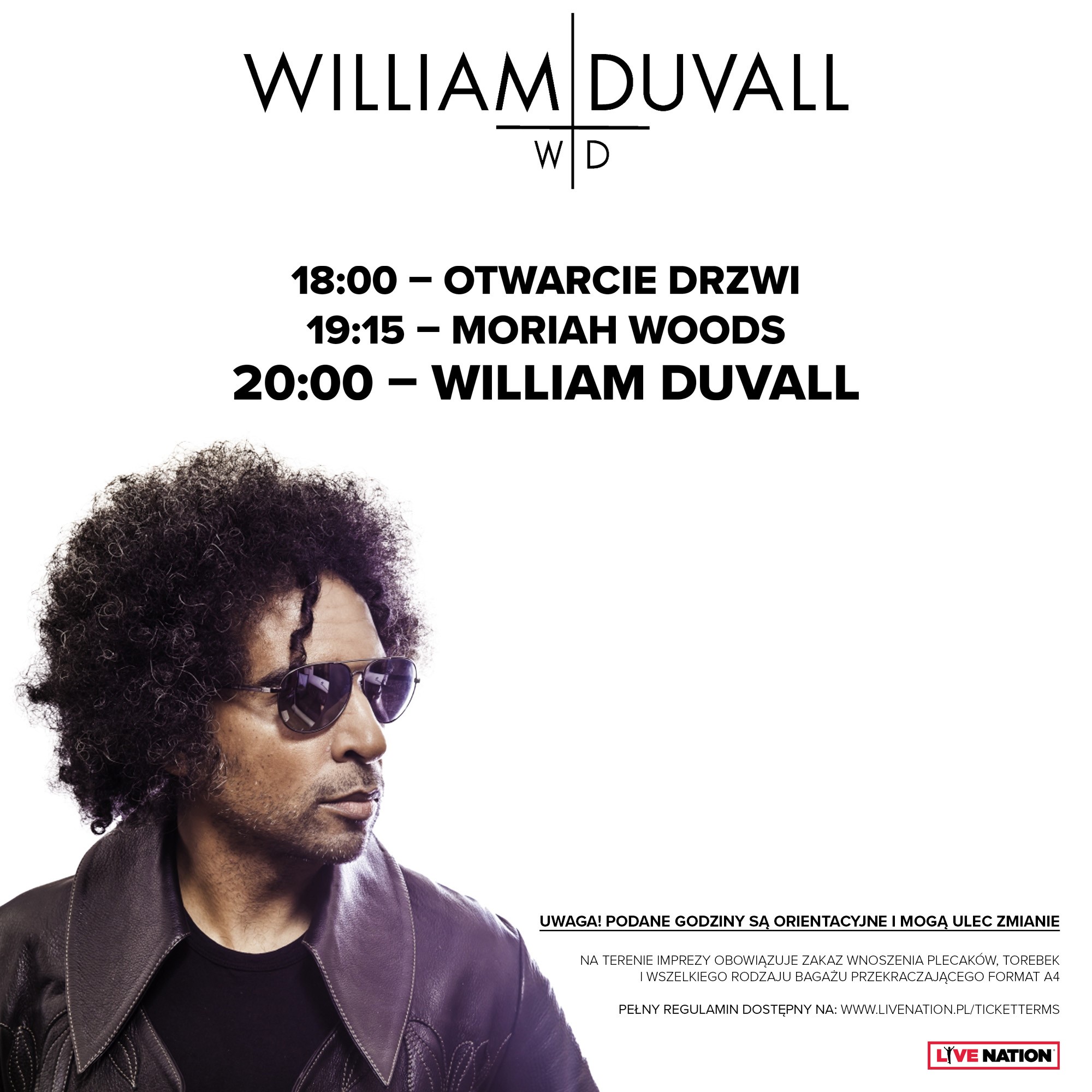
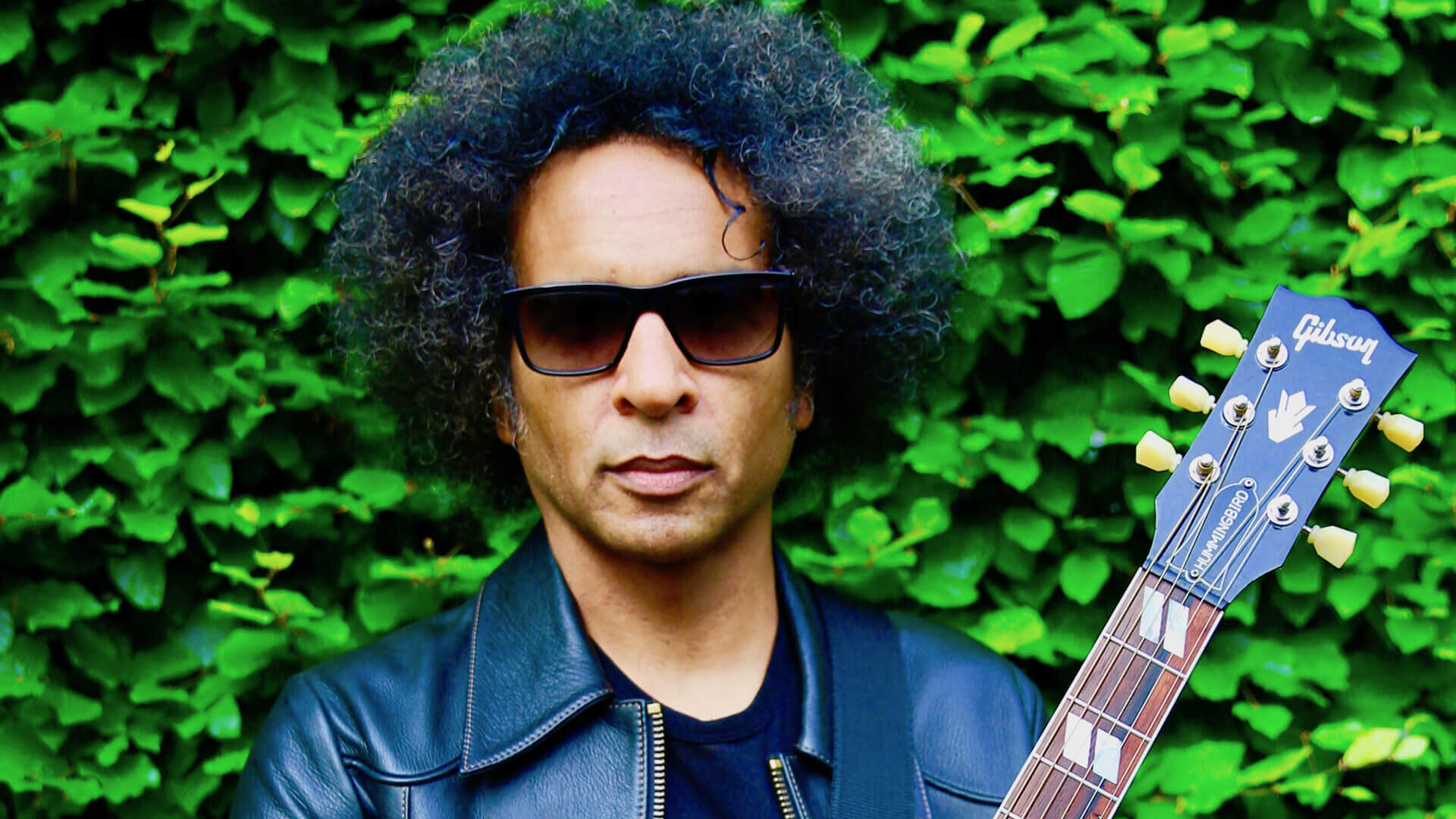
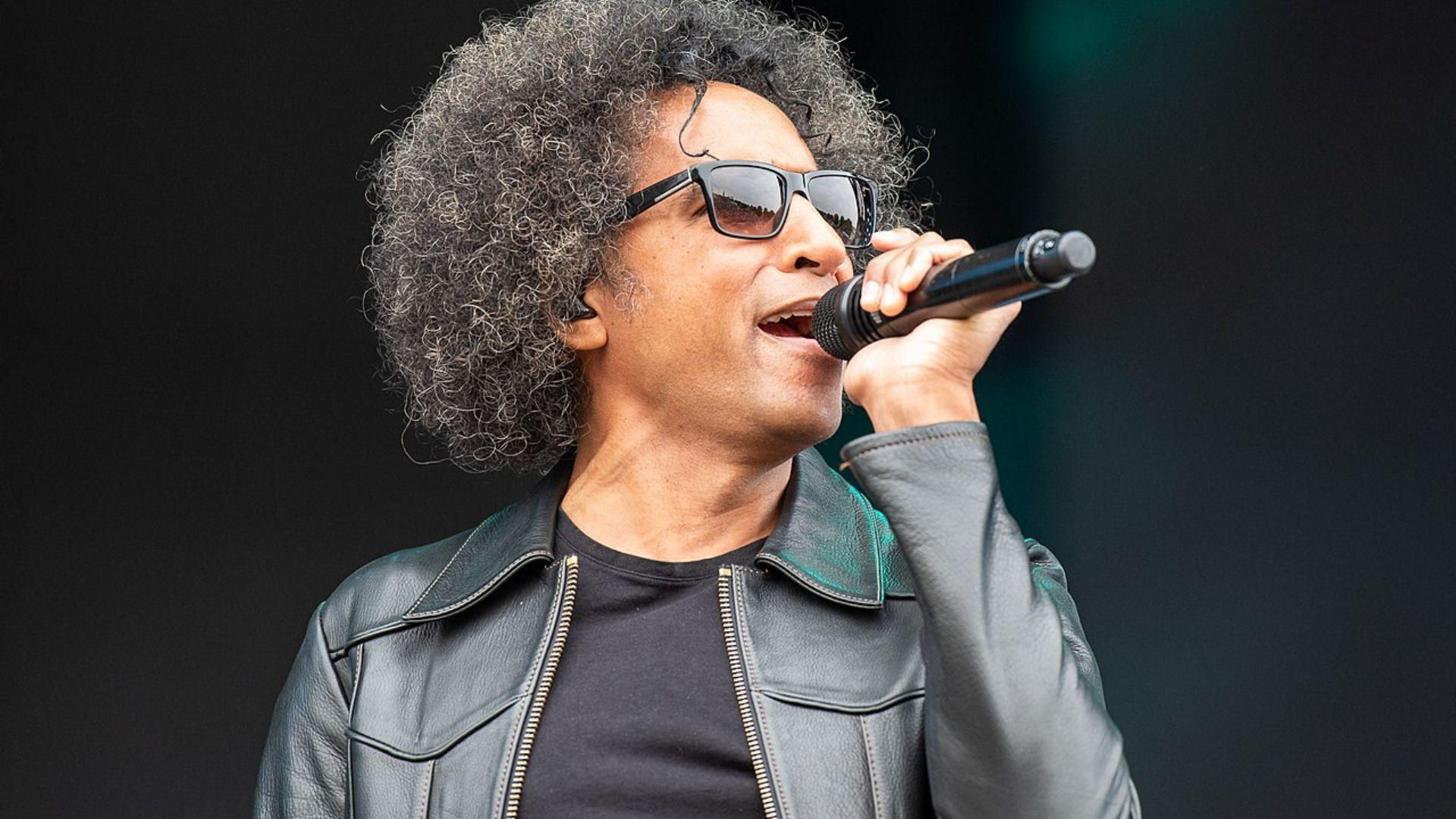
William DuVall is an American musician, singer, and songwriter who serves as the co-lead vocalist and rhythm guitarist for the iconic rock band Alice in Chains. Since joining the group in 2006, DuVall has been instrumental in the band’s second act, contributing to three studio albums that successfully honored the legacy of the late Layne Staley while forging a distinct, modern identity. His career spans over four decades, beginning in the seminal Atlanta hardcore punk scene and evolving through alternative rock and intimate solo performances.
The Formative Years: Neon Christ and the Atlanta Hardcore Scene
Long before he was a household name in the global rock circuit, William DuVall was a cornerstone of the underground punk movement in the American South. In 1983, at just 15 years old, DuVall co-founded Neon Christ, a hardcore punk band that would become a definitive voice in the Atlanta scene. During this era, DuVall was not only a performer but a community architect, helping to foster a DIY ethos that prioritized raw energy and social commentary over commercial viability.
The music of Neon Christ was characterized by its blistering speed and politically charged lyrics. DuVall’s role as the primary songwriter and guitarist established his reputation for complex, aggressive riffing. Though the band was short-lived, their influence persisted, eventually leading to a 2024 retrospective interest and various reissues that highlighted DuVall’s early mastery of the genre. This period was critical because it instilled in DuVall a "road warrior" mentality and a refusal to be pigeonholed into a single musical style.
Following Neon Christ, DuVall moved into more experimental territory with the band Madfly. This project signaled a shift toward alternative rock and glam influences, showcasing his ability to blend heavy rhythms with more melodic, accessible hooks. Madfly eventually evolved into Comes with the Fall, the band that would serve as the ultimate bridge to his future with Alice in Chains.
The Jerry Cantrell Connection and Comes with the Fall
The trajectory of William DuVall’s career changed irrevocably when he relocated to Los Angeles and formed Comes with the Fall in 1999. The band’s sound—a dark, sophisticated blend of heavy metal, psychedelia, and soul—caught the attention of Alice in Chains guitarist Jerry Cantrell. At the time, Cantrell was working on his solo masterpiece, Degradation Trip, and found in DuVall a kindred spirit and a vocalist capable of handling intricate vocal harmonies.
Comes with the Fall served as both the opening act and the backing band for Cantrell’s solo tours in 2001 and 2002. This period was a trial by fire for DuVall, as he was tasked with performing Alice in Chains classics alongside Cantrell. This collaborative experience allowed them to develop a unique vocal shorthand, characterized by the haunting, dissonant harmonies that had defined the Alice in Chains sound in the 1990s.
The chemistry between DuVall and Cantrell was built on mutual respect rather than a desire to replicate the past. While DuVall possessed the grit and power required for grunge anthems, he brought a rhythmic sensibility and a soulful vibrato that were entirely his own. This partnership laid the groundwork for the eventual reformation of Alice in Chains several years later.
Reanimating a Legend: Joining Alice in Chains
In 2006, the surviving members of Alice in Chains—Jerry Cantrell, Mike Inez, and Sean Kinney—made the monumental decision to reunite for a series of tribute shows and world tours. After the tragic passing of original vocalist Layne Staley in 2002, many fans believed the band’s story had ended. However, William DuVall’s inclusion provided a path forward that felt authentic rather than exploitative.
DuVall officially stepped into the role of co-lead vocalist and rhythm guitarist, a position he has held for twenty years as of 2026. His tenure is marked by three pivotal studio albums that redefined the band’s trajectory:
- Black Gives Way to Blue (2009): The comeback album that proved Alice in Chains could thrive in a new era. DuVall’s contributions on tracks like "Check My Brain" and "Last of My Kind" displayed his ability to command both heavy riffs and somber melodies.
- The Devil Put Dinosaurs Here (2013): A denser, more atmospheric record that leaned heavily into the sludgy, doom-inspired roots of the band. DuVall’s vocal interplay with Cantrell became even more seamless here.
- Rainier Fog (2018): A tribute to their Seattle roots, this album earned the band a Grammy nomination and solidified DuVall’s status as a permanent pillar of the group’s history.
The primary challenge DuVall faced was the inevitable comparison to Staley. He handled this with remarkable grace, never attempting to mimic Staley’s specific timbre but instead focusing on the emotional weight of the songs. By 2026, the "DuVall era" of Alice in Chains has lasted significantly longer than the original run, a testament to his resilience and talent.
Vocal Dynamics and Technical Performance
One of the most technically demanding aspects of William DuVall’s work is the execution of Alice in Chains’ signature vocal harmonies. Unlike many rock bands where the lead singer is the sole focus, Alice in Chains relies on a dual-vocal attack.
DuVall’s voice is typically classified as a powerful lyric baritone with a strong upper tenor extension. This allows him to cover the lower, grittier registers of the band’s catalog while hitting the piercing high notes required for songs like "Man in the Box" or "Would?"
The Harmonic Architecture
The "Alice sound" is defined by perfect fourths and fifths, as well as minor seconds that create a sense of tension and unease. DuVall’s ability to "lock in" with Jerry Cantrell’s voice is a matter of precise pitch control and vibrato synchronization. In a live setting, this requires immense vocal discipline, especially during grueling world tours.
| Career Milestone | Entity/Project | Primary Role | Key Contribution |
|---|---|---|---|
| 1983–1985 | Neon Christ | Guitarist/Songwriter | Atlanta Hardcore Pioneer |
| 1999–2005 | Comes with the Fall | Vocalist/Guitarist | Jerry Cantrell Collaboration |
| 2006–Present | Alice in Chains | Co-Lead Vocalist/Guitarist | Black Gives Way to Blue, Rainier Fog |
| 2016–Present | Giraffe Tongue Orchestra | Vocalist | Experimental Supergroup |
| 2019–Present | Solo Career | Vocalist/Multi-instrumentalist | One Alone (Acoustic Album) |
Solo Artistry and Creative Autonomy
Beyond the stadium-filling sound of Alice in Chains, William DuVall has maintained a robust solo career that explores his more intimate and eclectic musical interests. In 2019, he released his debut solo album, One Alone. This project was a stark departure from the wall of sound associated with his previous work, featuring nothing but DuVall’s voice and an acoustic guitar.
One Alone revealed a different facet of his musicianship—a bluesy, folk-influenced style that highlighted his storytelling capabilities. The success of the album and the subsequent "Live-In-Studio Nashville" (2022) recordings demonstrated that DuVall did not need the machinery of a legendary band to command an audience’s attention.
In 2026, DuVall continues to balance these solo endeavors with his duties in Alice in Chains. He often describes his solo work as a "necessary purification," allowing him to explore themes of loss, redemption, and personal history that might not fit the specific aesthetic of a grunge-metal ensemble.
Technical Specifications: Guitars and Gear
William DuVall is an accomplished guitarist whose style blends the aggressive down-tuning of the Seattle sound with the precision of hardcore punk and the soul of 70s rock. His choice of equipment reflects this versatility.
- Framus Signature Models: DuVall has a long-standing relationship with Framus. His signature "Talisman" model is a semi-hollow body guitar that combines the warmth of a classic blues guitar with the sustain required for heavy rock.
- Gibson Les Pauls: He is frequently seen using various Gibson Les Paul Customs, often in silverburst or ebony finishes, which provide the thick, mahogany-driven tone essential for the Alice in Chains rhythm tracks.
- Amplification: To achieve his signature "growl," DuVall utilizes a combination of Friedman and Bogner amplifiers. These boutique amps are known for their high-gain clarity, allowing individual notes within complex chords to remain audible even under heavy distortion.
His technical approach to the guitar is often underrated because of his prominent role as a vocalist. However, in Alice in Chains, he provides the necessary rhythmic bedrock that allows Jerry Cantrell to weave intricate lead lines.
Legacy and Impact as of 2026
As we look at William DuVall’s career from the vantage point of 2026, his legacy is one of successful transition and artistic integrity. He did not merely "replace" a legend; he helped a brotherhood survive a tragedy. His presence allowed Alice in Chains to continue creating relevant music that resonates with both old fans and a new generation of listeners who discovered the band in the streaming era.
DuVall’s journey from the tiny punk clubs of Atlanta to the headlining slots at major festivals is a blueprint for longevity in the music industry. He has remained relevant by staying true to his roots while embracing the heavy responsibilities of his role in one of rock’s most storied institutions.
Frequently Asked Questions
When did William DuVall join Alice in Chains?
William DuVall officially joined Alice in Chains in 2006. He initially performed with the band during a series of reunion shows and a world tour before the group decided to record new material together, leading to the 2009 release of Black Gives Way to Blue.
Is William DuVall the lead singer of Alice in Chains?
Yes, he is the co-lead vocalist. Alice in Chains is unique in that it features two lead voices. DuVall shares vocal duties with founding guitarist Jerry Cantrell, often harmonizing or trading lead lines throughout their songs.
What was William DuVall's band before Alice in Chains?
Immediately prior to Alice in Chains, DuVall led the band Comes with the Fall. Earlier in his career, he was a member of the hardcore punk band Neon Christ and the alternative rock group Madfly.
Does William DuVall play guitar in Alice in Chains?
Yes, DuVall serves as the rhythm guitarist for the band. His addition allowed Alice in Chains to perform more complex arrangements live, as he handles the rhythm parts while Jerry Cantrell focuses on lead guitar and solos.
What is William DuVall's solo album called?
His debut solo album, released in 2019, is titled One Alone. It is an all-acoustic record that focuses on his vocals and songwriting in a stripped-down, intimate setting.
Recommendation for New Listeners
For those looking to understand the breadth of William DuVall’s contribution to rock music, the best starting point is the Alice in Chains album Black Gives Way to Blue. It serves as the perfect introduction to his vocal chemistry with Jerry Cantrell. For a deeper look at his personal artistry, the acoustic solo record One Alone provides a clear view of his vocal range and emotive power without the distraction of heavy instrumentation.