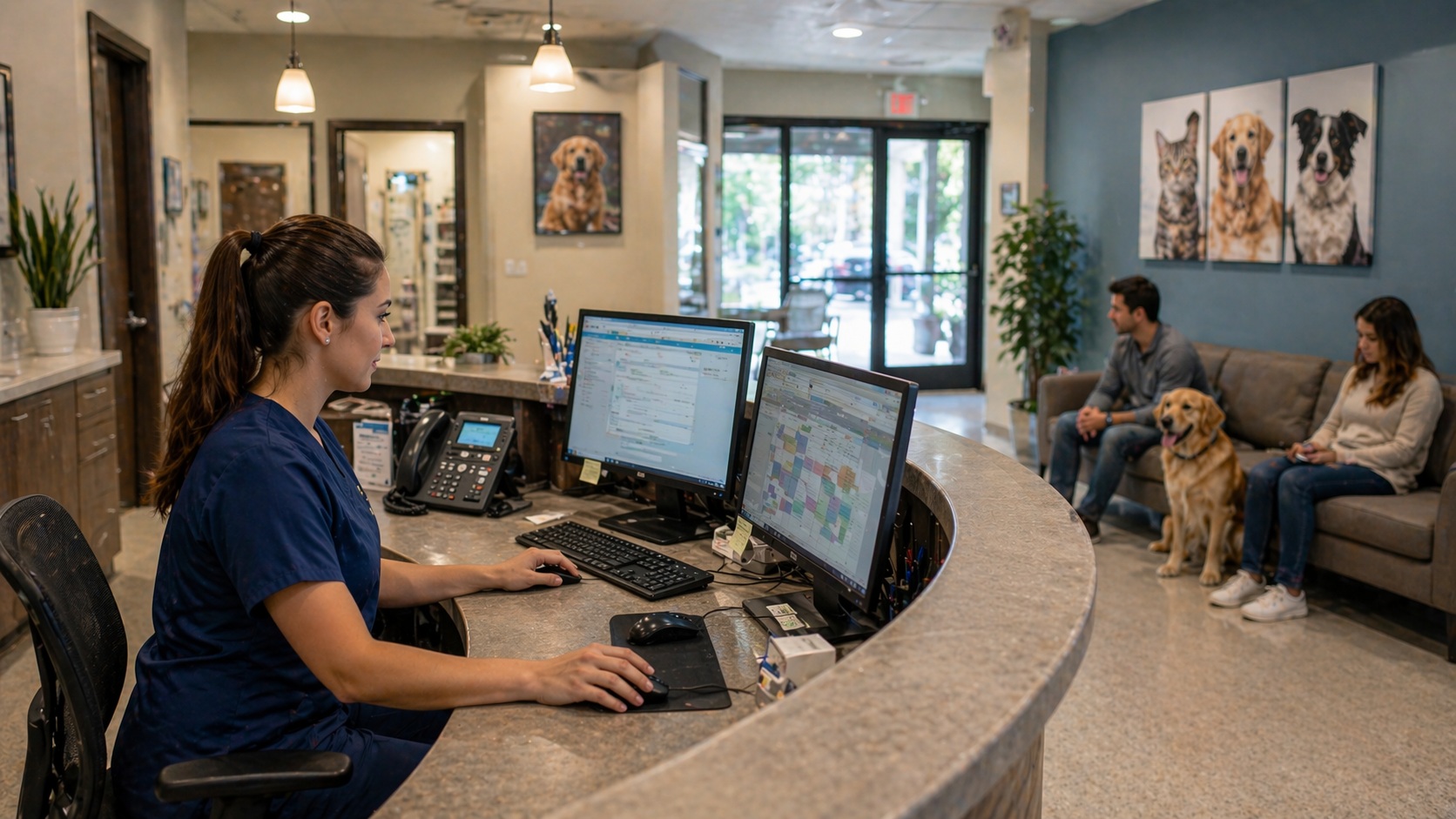
Willamette Animal Hospital, located in the heart of Salem, Oregon, remains a cornerstone of the Mid-Willamette Valley’s veterinary infrastructure as we move through 2026. This facility is distinct from the Willamette Veterinary Hospital in Corvallis; this guide focuses exclusively on the Salem-based Willamette Animal Hospital (Commercial St SE), specializing in a hybrid model of high-volume general practice and accessible urgent care services.
As veterinary medicine continues to evolve in 2026, Willamette Animal Hospital has integrated advanced diagnostic technologies and expanded its capacity to address the growing pet population in Marion County. For pet owners navigating the complexities of modern animal healthcare, understanding the specific operational protocols, service tiers, and financial landscapes of this institution is essential for ensuring optimal outcomes for domestic companions.
The 2026 Veterinary Landscape in Salem
The veterinary industry in 2026 is characterized by a high demand for specialized urgent care and a shift toward "Fear-Free" certified environments. Willamette Animal Hospital has adapted to these trends by implementing streamlined triage systems and digital-first client communication tools. In the current regional economy, where Salem serves as a hub for both urban and surrounding rural pet owners, the hospital acts as a critical link between primary care and specialized surgical intervention.
Operating as a multi-doctor practice, the facility balances the preventive needs of puppies, kittens, and seniors with the unpredictable nature of acute illness. This dual-purpose model is particularly vital in 2026, as several smaller clinics in the Keizer and Turner areas have shifted toward appointment-only wellness models, leaving Willamette Animal Hospital to absorb a significant portion of the region's same-day medical needs.
Comprehensive Service Tiers and Clinical Specializations
The clinical architecture of Willamette Animal Hospital is divided into three primary categories: Preventive Wellness, Advanced Diagnostics/Surgery, and Urgent Care.
1. Preventive and Wellness Care
Wellness in 2026 goes beyond annual vaccinations. The hospital utilizes age-specific protocols that include:
- Bi-Annual Senior Screenings: Utilizing AI-enhanced blood chemistry analyzers to detect early-stage renal failure and metabolic shifts up to 18 months earlier than 2023 standards.
- Genetic Profiling: Integration of breed-specific genetic markers to tailor nutritional and activity plans for high-risk breeds (e.g., German Shepherds, French Bulldogs).
- Immune-Protocol Management: Tailored vaccination schedules based on the specific micro-climates of the Willamette Valley, focusing on Leptospirosis and Bordetella strains prevalent in 2026.
2. Surgical Excellence and Advanced Imaging
The surgical suite at Willamette Animal Hospital has been upgraded to handle complex soft-tissue and orthopedic procedures.
- Minimally Invasive Procedures: Adoption of laparoscopic techniques for routine spays and biopsies, significantly reducing recovery time.
- Digital Radiography and Ultrasonography: 2026-grade imaging systems that allow for real-time consultation with board-certified radiologists via tele-medicine links.
- Dental Operatory: Full-mouth digital dental X-rays are now standard for all professional cleanings, ensuring sub-gingival pathology is addressed before it causes systemic health issues.
3. Urgent Care and Walk-In Services
Unlike a standard 24-hour ER, Willamette Animal Hospital’s urgent care model is designed for stabilization and treatment of non-life-threatening but time-sensitive conditions.
- Triage Priority: Patients are seen based on medical urgency rather than arrival time.
- Stabilization Capabilities: High-flow oxygen therapy, IV fluid resuscitation, and acute pain management protocols.
Comparative Service Analysis: 2026 Standards
The following table outlines how Willamette Animal Hospital compares to standard regional clinics and high-level specialty centers in the 2026 market.
| Service Feature | Standard Local Clinic | Willamette Animal Hospital | Regional Specialty/ER |
|---|---|---|---|
| Operating Hours | Mon-Fri, 8 am - 5 pm | Extended 7-Day Access | 24/7/365 |
| Urgent Care Triage | Rarely Available | Primary Focus | High Priority |
| Advanced Imaging | Basic X-Ray | Digital X-Ray + Ultrasound | CT / MRI / Fluoroscopy |
| Surgery Type | Routine Only | Routine + Complex Soft Tissue | Neuro / Specialized Ortho |
| On-site Pharmacy | Limited | Comprehensive 2026 Formulary | Full Critical Care Pharmacy |
| New Patient Intake | Often Restricted | Actively Accepting | Emergency Only |
Financial Framework and Insurance Integration
Navigating the costs of veterinary care in 2026 requires a clear understanding of accepted payment modalities and the role of pet insurance. Willamette Animal Hospital maintains strict transparency regarding its fee schedules to prevent the "billing shock" often associated with urgent care.
Accepted Insurance Carriers
The hospital works with major 2026 insurance providers, allowing for streamlined claim processing. It is important to note that most plans in 2026 operate on a reimbursement model, though some direct-pay options are emerging.
- Trupanion: Often supports direct-pay at this facility, reducing out-of-pocket costs at checkout.
- Nationwide & PetFirst: Standard reimbursement protocols apply.
- Lemonade & Pumpkin: Integration with digital apps for rapid claim filing.
Payment Assistance Programs
Recognizing the economic pressures of 2026, Willamette Animal Hospital accepts several third-party financing options:
- CareCredit: Preferred for long-term promotional financing on surgical procedures.
- Scratchpay: Used primarily for urgent care visits with flexible, non-hard-credit-check options.
- In-House Wellness Plans: Many pet owners in Salem have transitioned to monthly subscription models offered by the hospital to spread the cost of preventive care over 12 months.
Expert Financial Insight for 2026: While the hospital provides estimates for all procedures, pet owners should maintain an emergency fund of at least $1,500 for urgent care visits. In 2026, the average cost for an urgent care stabilization and diagnostic workup in the Pacific Northwest ranges from $600 to $1,200, depending on the required imaging and laboratory tests.
The Patient Journey: A Step-by-Step Guide to Your Visit
For those visiting Willamette Animal Hospital in 2026, the process is designed to be efficient and data-driven.
- Pre-Arrival Digital Check-In: Use the hospital’s mobile interface to submit symptoms, current medications, and arrival time. This places your pet in the digital triage queue.
- Initial Triage Assessment: Upon arrival at the Commercial St SE facility, a veterinary technician performs a physical assessment (TPR—Temperature, Pulse, Respiration) to determine urgency.
- The Consult: Veterinary surgeons and GPs utilize tablet-based displays to show owners diagnostic results, such as digital X-rays or bloodwork trends, ensuring clear communication.
- Treatment and Stabilization: Pets requiring hospitalization are moved to the monitored ward, while outpatient cases proceed to the pharmacy for 2026-standard medication dispensing (including long-acting injectables that replace many oral pills).
- Post-Operative/Discharge Follow-up: All clients receive a digital discharge summary and a scheduled follow-up call or video-link check-in within 48 hours.
Navigating the Challenges: Pros and Cons
Every veterinary facility has its strengths and operational constraints. In 2026, the following factors define the experience at Willamette Animal Hospital.
Pros
- Accessibility: Open seven days a week, providing a safety net when other clinics are closed.
- Breadth of Care: The ability to handle everything from a routine 16-week-old puppy exam to an emergency bloat (GDV) surgery.
- Technological Edge: Investment in 2026-standard diagnostics reduces the need for referrals to distant specialty centers in Portland.
- Community Roots: Deeply integrated into the Salem community with a history of treating multiple generations of local pets.
Cons
- Wait Times: Due to the urgent care model, non-emergency wait times can fluctuate significantly, especially on weekends.
- Volume: As a high-traffic hospital, the environment can be busy, which may be stressful for highly reactive or anxious pets.
- Cost vs. General Practice: Prices for urgent care/walk-in slots are higher than scheduled wellness appointments at smaller boutique clinics.
Frequently Asked Questions (2026 Edition)
Does Willamette Animal Hospital require an appointment for urgent care? No, the hospital operates a walk-in/triage system for urgent needs, though calling ahead is highly recommended to check current wait times. For routine wellness, such as vaccinations and physicals, scheduled appointments are required to ensure dedicated time with the veterinarian.
Is Willamette Animal Hospital a 24-hour emergency room? No, while they offer extended hours and weekend care, they are not a 24/7 facility in 2026. For midnight emergencies in the Salem area, patients are typically referred to the 24-hour specialty centers in Tualatin or Corvallis.
How does the hospital handle aggressive or highly anxious pets? Willamette Animal Hospital follows "Fear-Free" protocols, which may include "happy visits," pheromone diffusers, and the use of pre-visit pharmaceuticals (PVPs) to lower stress levels. For extreme cases, they offer sedation-assisted exams to ensure the safety of both the pet and the medical team.
Are payment plans available directly through the hospital? Direct in-house billing is generally not offered; however, the hospital is fully integrated with CareCredit and Scratchpay. They also offer structured Wellness Plans that allow owners to pay for a year’s worth of preventive care in monthly installments.
Does the hospital treat exotic pets like reptiles or birds? In 2026, Willamette Animal Hospital primarily focuses on canine and feline medicine. For avian or exotic emergencies, it is best to contact a specialized exotic practitioner in the Marion County area, although they may offer initial stabilization for exotics in extreme life-threatening situations.
Conclusion and Strategic Recommendations
Willamette Animal Hospital continues to set the benchmark for versatile veterinary care in Salem, Oregon. For pet owners in 2026, the key to a successful relationship with this facility lies in utilizing their wellness plans for routine care while leveraging their robust urgent care infrastructure when crises arise.
If you are a new resident of the Willamette Valley, establishing a file at this hospital before an emergency occurs is a prudent move. Ensure your pet’s digital records are updated and your insurance direct-pay settings are configured. In the high-demand environment of 2026, being a prepared pet owner allows the medical team at Willamette Animal Hospital to focus on what they do best: providing high-level, compassionate clinical care.