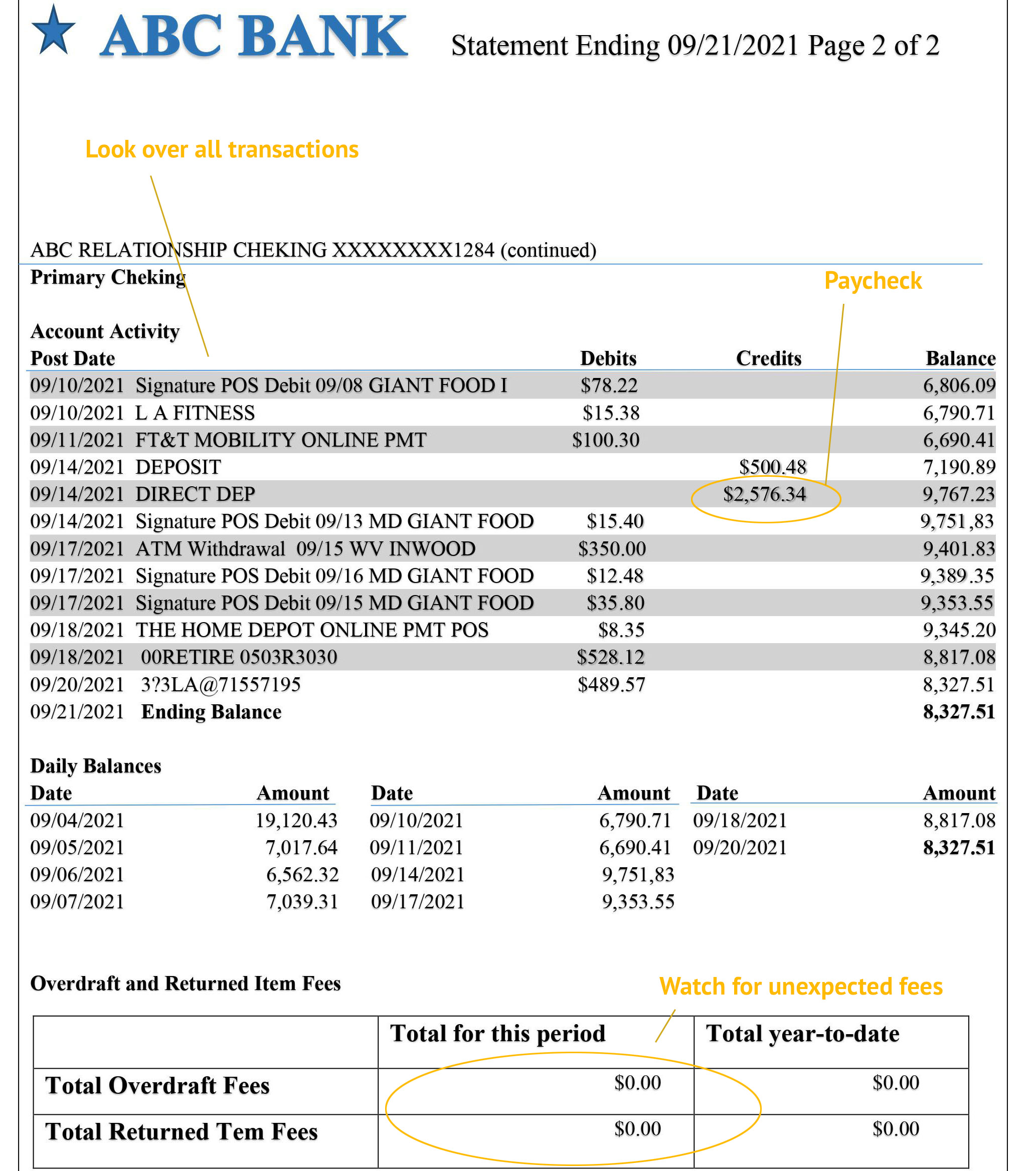
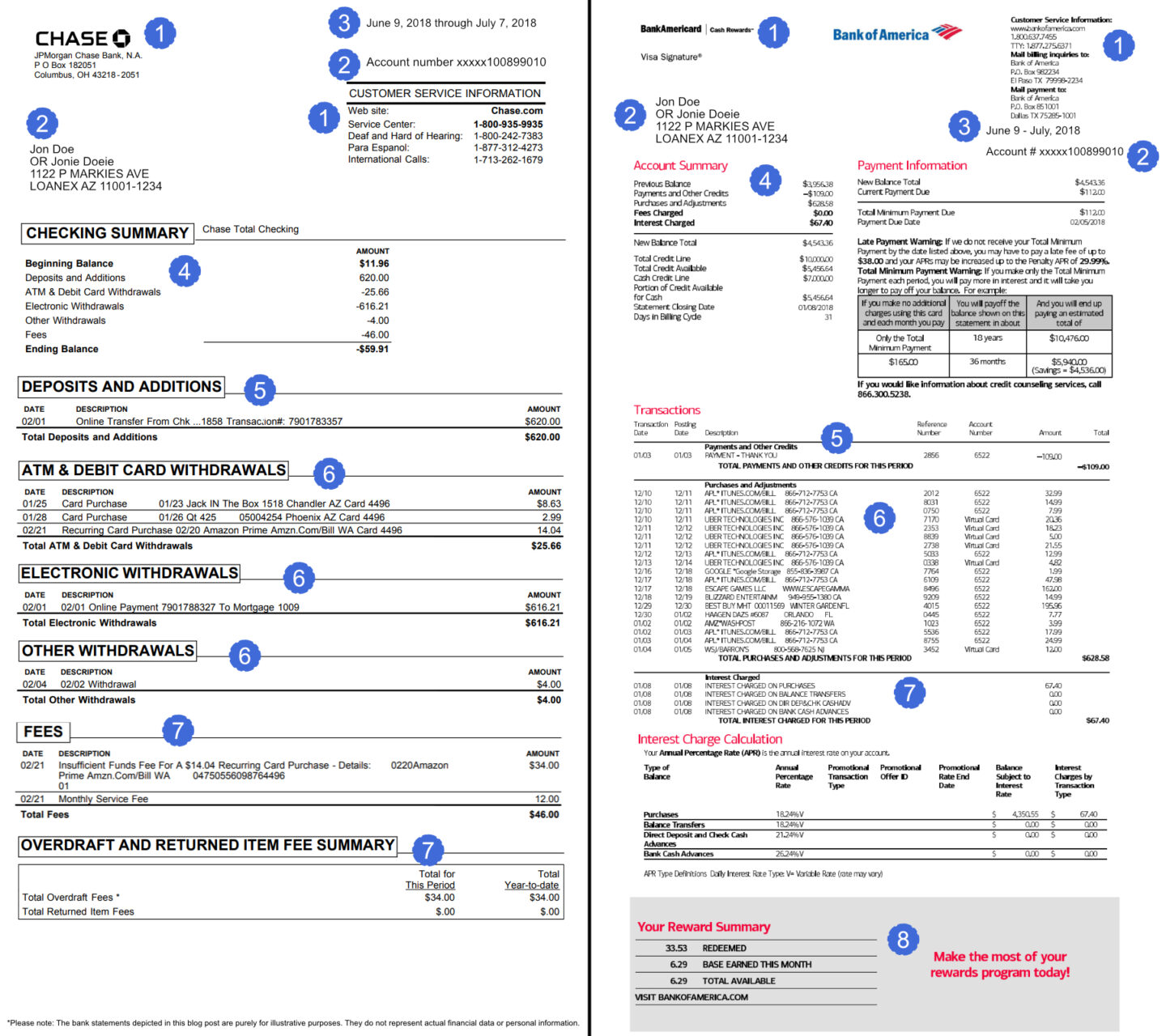
The appearance of "Visa Provisioning Service" on a bank statement typically indicates that a Visa card has been added to a digital wallet—such as Apple Pay, Google Pay, or Samsung Pay—or that a merchant has verified a card’s validity for a recurring subscription. It is a security-focused communication between the payment network and the issuing bank rather than a permanent fee or charge.
Decoding the Visa Provisioning Service Line Item in 2026
As we navigate the sophisticated financial landscape of 2026, the way our banking institutions communicate security protocols has become more transparent, yet certain technical descriptors still cause confusion for consumers. When you see a "Visa Provisioning Service" entry on your mobile banking app or monthly statement, you are witnessing the "handshake" between your physical card and a digital payment ecosystem.
Provisioning is the technical term for the process of protecting your credit or debit card data by replacing it with a unique digital identifier known as a "token." In 2026, with the universal adoption of EMVCo 3.0 standards, this process is more frequent and more secure than ever before. It ensures that your actual 16-digit card number is never stored on a merchant’s server or within your smartphone’s hardware. Instead, the provisioning service creates a device-specific token that is useless to hackers if intercepted.
Why a $0.00 or $1.00 Charge Appears
The most common concern regarding Visa Provisioning Service is the accompanying dollar amount, which is almost always $0.00 or a temporary $1.00 hold. This is not a purchase. It is a "status check" or a "zero-dollar verification" used by the Visa network to ensure that the account is active, the card hasn't been reported lost or stolen, and the CVV/expiration details are correct.
In the current 2026 banking environment, these entries serve three primary purposes:
- Digital Wallet Integration: When you tap your phone to a new POS terminal or add your card to a wearable device (like a smartwatch), the Visa Provisioning Service triggers a check to link the device's Secure Element to your bank account.
- Subscription Validation: Large-scale service providers (e.g., streaming platforms, automated toll services, or AI-assistant subscriptions) use this service to verify payment methods before a billing cycle begins.
- Credential Updates: If your bank has issued a digital-first card update, the provisioning service may automatically run a check to transition your old tokens to your new account parameters without interrupting your saved payments.
The Technical Lifecycle of a Provisioning Request
To understand why this appears on your statement, it is helpful to look at the underlying technology that powers Visa’s 2026 security infrastructure. The process involves four distinct entities: the Cardholder, the Merchant/Wallet Provider, the Visa Token Service (VTS), and the Issuing Bank.
Phase 1: The Token Request When you initiate a "Add Card" sequence on your device, the wallet provider sends an encrypted request to Visa. This request includes your account details but does not store them locally.
Phase 2: Network Validation Visa receives the request and identifies it as a provisioning event. At this moment, the "Visa Provisioning Service" descriptor is generated. Visa checks its global database for any fraud flags associated with the device or the account.
Phase 3: The Zero-Dollar Authorization Visa sends a signal to your bank. The bank performs a real-time check of your available credit or balance. If the account is in good standing, the bank approves the "zero-dollar" transaction. This is what you see on your pending transactions list.
Phase 4: Token Deployment Once approved, a unique digital token is "provisioned" to your device. This token is restricted to that specific phone or watch. From this point forward, the "Visa Provisioning Service" entry will usually disappear from your statement within 24 to 72 hours, as it never settles as a final charge.
Comparing Provisioning Events vs. Fraudulent Charges
Distinguishing between a legitimate security check and a potential threat is vital for financial health in 2026. Use the following table to analyze the entries on your statement.
| Feature | Visa Provisioning Service | Unauthorized Fraudulent Charge |
|---|---|---|
| Transaction Amount | Typically $0.00 or $1.00 | Any amount (often small then large) |
| Status | Always stays "Pending" or disappears | Moves from "Pending" to "Posted" |
| Trigger Event | Adding a card to a wallet or a new app | No action taken by the cardholder |
| Frequency | Occurs once per device/service setup | May repeat or show different merchants |
| Merchant Name | Listed as "VISA PROVISIONING" | Listed as a specific store or service |
| Impact on Balance | No actual impact on available funds | Reduces available credit or cash |
Critical Security Warning: When to Worry
While 99% of "Visa Provisioning Service" entries are benign, there is a specific scenario in 2026 where this indicates a high-level security breach. If you see this entry on your statement and you have NOT recently performed any of the following actions, you must contact your bank immediately:
- Purchased a new smartphone, tablet, or smartwatch.
- Added your card to a new app (Uber, Amazon, etc.).
- Signed up for a free trial of a subscription service.
- Received a replacement card from your bank.
If none of these apply, it is possible that a bad actor has obtained your card details and is attempting to "provision" your card to their device. In 2026, fraudsters prioritize adding stolen cards to digital wallets because digital wallet transactions often bypass traditional "Card Not Present" (CNP) security filters at the point of sale.
The Evolution of Visa Security Standards in 2026
The banking industry in 2026 has moved toward a "Zero-Trust" architecture. This means that every time your card is "touched" by a digital service, a provisioning event occurs. This is a massive improvement over the older systems used in 2024 or 2025, where card data was often stored in "clear text" on merchant servers.
The 2026 Visa Core Rules now mandate that all digital service providers must use the Visa Token Service for recurring billing. This is why you may see more "Visa Provisioning" entries now than in previous years. It represents the industry-wide shift toward total tokenization.
Managing Your Digital Footprint
To maintain control over your provisioned devices and "Visa Provisioning Service" events, follow these expert-level management steps:
- Audit Your Digital Wallet: Once a month, open the "Wallet" app on your devices and remove any cards you no longer use. This revokes the token and prevents unnecessary provisioning pings.
- Enable Transaction Alerts: Set your banking app to send a push notification for every transaction, including $0.00 authorizations. This allows you to catch an unauthorized provisioning attempt the second it happens.
- Review "Linked Devices" in Banking Apps: Most major banks (Chase, Bank of America, Wells Fargo, etc.) now have a "Security" or "Connected Devices" section in their mobile app. This section lists every device that has been provisioned with your card. If you see an iPhone or Android device you don't recognize, you can "De-provision" it with a single click.
Frequently Asked Questions
Does Visa Provisioning Service affect my credit score?
No, it does not affect your credit score. Because these are "non-financial" transactions used for identity and security verification, they do not constitute a hard inquiry or a change in your credit utilization ratio. They are internal network messages that are briefly visible to the consumer.
How long does the $1.00 hold stay on my account?
In 2026, most banks clear these holds within 24 to 48 hours. However, depending on the merchant's processing bank, it can occasionally take up to 5 business days. The funds are never actually removed from your account; they are simply "reserved" to ensure the account is valid.
Can I block Visa Provisioning Service entries?
You cannot block the service itself without disabling your ability to use digital wallets or online subscriptions. The service is a core requirement of the Visa network's security protocol. If you wish to avoid these entries, you would need to use physical cash or a non-tokenized payment method, which is significantly less secure.
Why did I get a Visa Provisioning alert for a card I haven't used in months?
This often happens when a merchant you have a "Card on File" with (like a gym or a utility company) updates their payment gateway to the 2026 security standards. They are automatically converting your stored card number into a secure token, which triggers a provisioning event.
Is Visa Provisioning Service the same as a "Merchant Ping"?
Technically, yes. A "Merchant Ping" is the informal name for an Account Name Inquiry (ANI). The Visa Provisioning Service is the formal network name for the specific type of ping used during the tokenization process.
What should I do if the charge is for more than $1.00?
If you see "Visa Provisioning Service" and the amount is $10.00, $50.00, or any significant sum, this is an error or a fraudulent attempt to disguise a theft. Legitimate provisioning service entries are never used for actual commerce. Contact your bank's fraud department immediately to dispute the charge.
Conclusion and Final Advice
The "Visa Provisioning Service" is a hallmark of the advanced security measures protecting your wealth in 2026. While the technical nomenclature can be startling when viewed on a bank statement, it is a sign that the Visa Token Service is working to hide your sensitive data from potential thieves.
As a best practice, always cross-reference the timing of a provisioning entry with your own activities—such as setting up a new phone or updating a subscription. If the timing aligns, you can rest assured that your account is being secured. If the entry appears out of nowhere, treat it as a critical warning and contact your financial institution to secure your account and issue a new card number. Stay vigilant, use the security tools provided by your bank's 2026 mobile interface, and embrace the protection that tokenization offers.