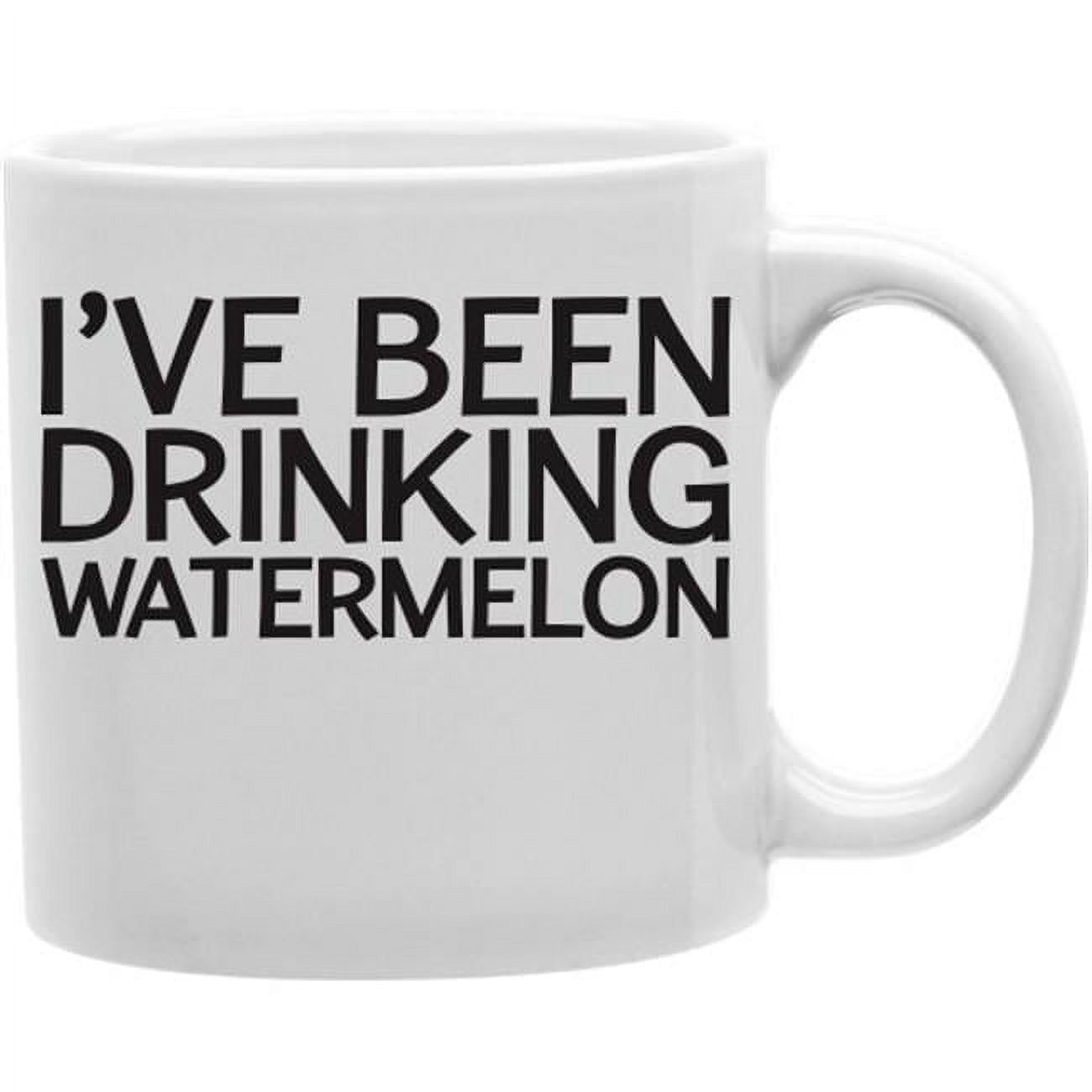
The phrase "I’ve been drinking watermelon" is primarily a colloquial, humorous expression used to describe the consumption of beverages containing watermelon juice or flavoring. It often serves as a playful way to highlight a refreshing, hydrating, or health-conscious choice, or it may refer to specific viral trends, song lyrics, or marketing campaigns involving watermelon-flavored products.
Origins and Cultural Context
The emergence of this specific phrasing usually stems from the intersection of social media trends and the popularity of watermelon-infused drinks. In modern digital culture, users often document their dietary choices, and watermelon—a fruit celebrated for its high water content and association with summer—frequently becomes the focus of "aesthetic" or health-conscious posts.
When someone says, "I’ve been drinking watermelon," they are almost never referring to a literal extraction of liquid from a whole fruit in the traditional sense. Instead, they are shorthand for consuming watermelon water, watermelon juice, or commercial beverages marketed with watermelon as a primary ingredient. This phrasing mimics more serious lifestyle declarations (such as "I've been drinking green tea" or "I've been drinking protein shakes"), utilizing the fruit’s name to imply a commitment to a specific flavor profile or health benefit.
Linguistic Evolution and Social Media Impact
The phrase functions as a synecdoche, where the part (the watermelon) represents the whole (the specific beverage). As with many internet-era expressions, the phrasing is intentionally slightly awkward or "cute," which increases its shareability. By framing it this way, the speaker creates a lighthearted atmosphere, often signaling that they are participating in a trend—such as a detox challenge, a summer cooling trend, or simply experimenting with new flavor profiles in their daily hydration habits.
In many instances, this phrase is used in the context of:
- Detox and Hydration Trends: Influencers and wellness creators often promote watermelon juice as a natural hydrator.
- Summer Branding: Beverage companies frequently release limited-edition watermelon flavors during the warmer months, leading consumers to adopt the phrasing when discussing these products.
- Music and Pop Culture: Occasionally, short phrases like this gain traction because they resemble lyrics or catchphrases from social media audio clips, which are then repurposed by users in their own content.
Nutritional Significance of Watermelon Beverages
To understand why this phrase carries a positive connotation in wellness circles, one must examine the actual properties of watermelon. Watermelon is approximately 92% water, making it a popular subject for discussions regarding hydration and electrolyte replenishment.
When consumers choose to "drink watermelon," they are typically accessing these nutritional components:
- L-citrulline: An amino acid that has been studied for its potential role in muscle recovery and blood flow.
- Antioxidants: Watermelon contains lycopene, a carotenoid pigment that gives the fruit its red color and is recognized for its antioxidant properties.
- Essential Vitamins: The fruit provides modest amounts of Vitamin A and Vitamin C, both of which are central to common dietary goals.
However, consumers should be aware that commercial watermelon drinks often contain added sugars, preservatives, or artificial flavorings that may negate the natural benefits of the fruit. Distinguishing between raw, cold-pressed watermelon juice and highly processed beverages is essential for those adopting this habit for health-related reasons.
Evaluating Watermelon Beverage Types
When you decide to "drink watermelon," you encounter a spectrum of product types. Understanding these differences helps in selecting the product that matches your specific health or taste goals.
| Beverage Type | Preparation Method | Primary Benefit | Potential Drawback |
|---|---|---|---|
| Fresh Pressed | Macerated/Juiced fruit | Maximum nutrient density | High price, short shelf life |
| Infused Water | Soaked fruit slices | Low calorie, subtle flavor | Minimal nutrient extraction |
| Commercial Nectar | Puree/Concentrate mix | Convenient, consistent taste | Often high in added sugar |
| Carbonated Water | Flavor essence/extract | Refreshing, zero calorie | Lack of real fruit vitamins |
Practical Considerations for Consumers
If you are adopting the habit of drinking watermelon, keep the following operational and health considerations in mind. These steps ensure you are maximizing the benefit of the trend while avoiding common pitfalls.
1. Assessing Added Ingredients
Always check the ingredient label. If the first ingredient is high-fructose corn syrup or if the sugar content per serving exceeds natural expectations, the beverage acts more as a soda than a fruit-based health drink.
2. Temperature and Storage
Freshly pressed watermelon juice is highly perishable. Because it lacks preservatives, it should be kept refrigerated at or below 40°F (4°C) and consumed within 48 to 72 hours. If you notice a change in odor or a bubbling texture, discard the liquid immediately, as the high sugar content makes it a prime environment for rapid fermentation.
3. Serving Sizes and Glycemic Impact
While watermelon is hydrating, it contains natural sugars (fructose). For individuals managing blood glucose levels, moderation is key. Drinking large quantities of watermelon juice may lead to a more rapid glucose spike than eating the whole fruit, due to the removal of the fiber found in the pulp.
Troubleshooting Common Misunderstandings
Occasionally, users may be searching for this phrase because they have encountered it in a specific artistic or non-literal context. If you encounter the phrase in a song lyric or a piece of visual art, it may be a metaphor for:
- The "Summer Vibe": Using the fruit as a symbol for leisure, relaxation, and ease.
- Innocence or Youth: Often depicted in media as a nostalgic summertime treat.
If you are confused by a specific post or video, look for visual cues—such as a bright pink color or a specific brand logo—which usually clarify the intent. If no such cues exist, the phrase is likely being used as a personal, subjective expression of preference.
Frequently Asked Questions
Is drinking watermelon juice the same as eating the fruit?
No. Eating the whole fruit provides the benefit of dietary fiber, which slows down the absorption of sugars into the bloodstream. Juicing removes this fiber, which alters the digestive impact and glycemic response compared to consuming the whole fruit.
Can drinking watermelon help with dehydration?
Watermelon is highly effective for hydration because it is mostly water and contains potassium, a vital electrolyte. It can be a beneficial supplement to water intake, especially after physical exertion, though it should not replace plain water as your primary source of hydration.
Why do some watermelon drinks taste different from the fruit?
Most store-bought drinks use "natural flavors" or extracts derived from the rind or synthesized to mimic the aroma of the fruit. These often emphasize the "candy" notes of watermelon rather than the earthy, subtle sweetness of the fresh flesh.
Should I be concerned about the sugar content?
Yes, if you are purchasing processed juices. Always compare the sugar grams per serving on the label. If you are making the drink at home by blending the fruit, you are consuming natural fruit sugars, which are generally preferable to added refined sugars.
Next Actions for Enthusiasts
If you want to integrate watermelon beverages into your lifestyle, start by purchasing a whole, seedless watermelon. Use a high-powered blender to liquefy the fruit and strain it through a fine-mesh sieve or cheesecloth to achieve a smooth consistency. By preparing it at home, you maintain total control over ingredients and temperature.
To refine your experience, consider adding a sprig of fresh mint or a squeeze of lime juice. These additions enhance the natural flavor profile without the need for artificial sweeteners. If you prefer the convenience of store-bought options, look for labels that explicitly state "100% juice, no added sugar" and prioritize products kept in the refrigerated section of the grocery store, as these are generally less processed than shelf-stable varieties.