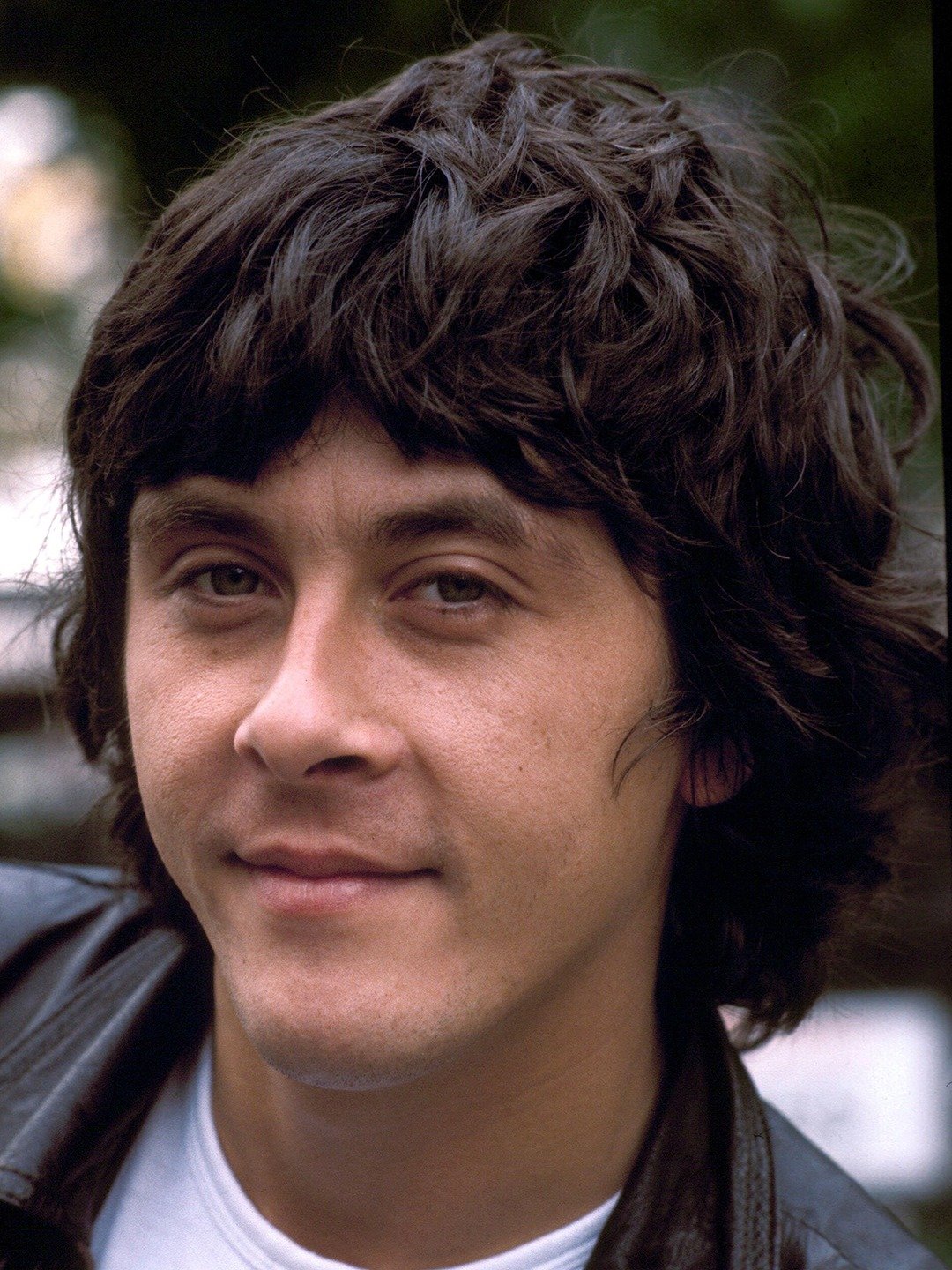
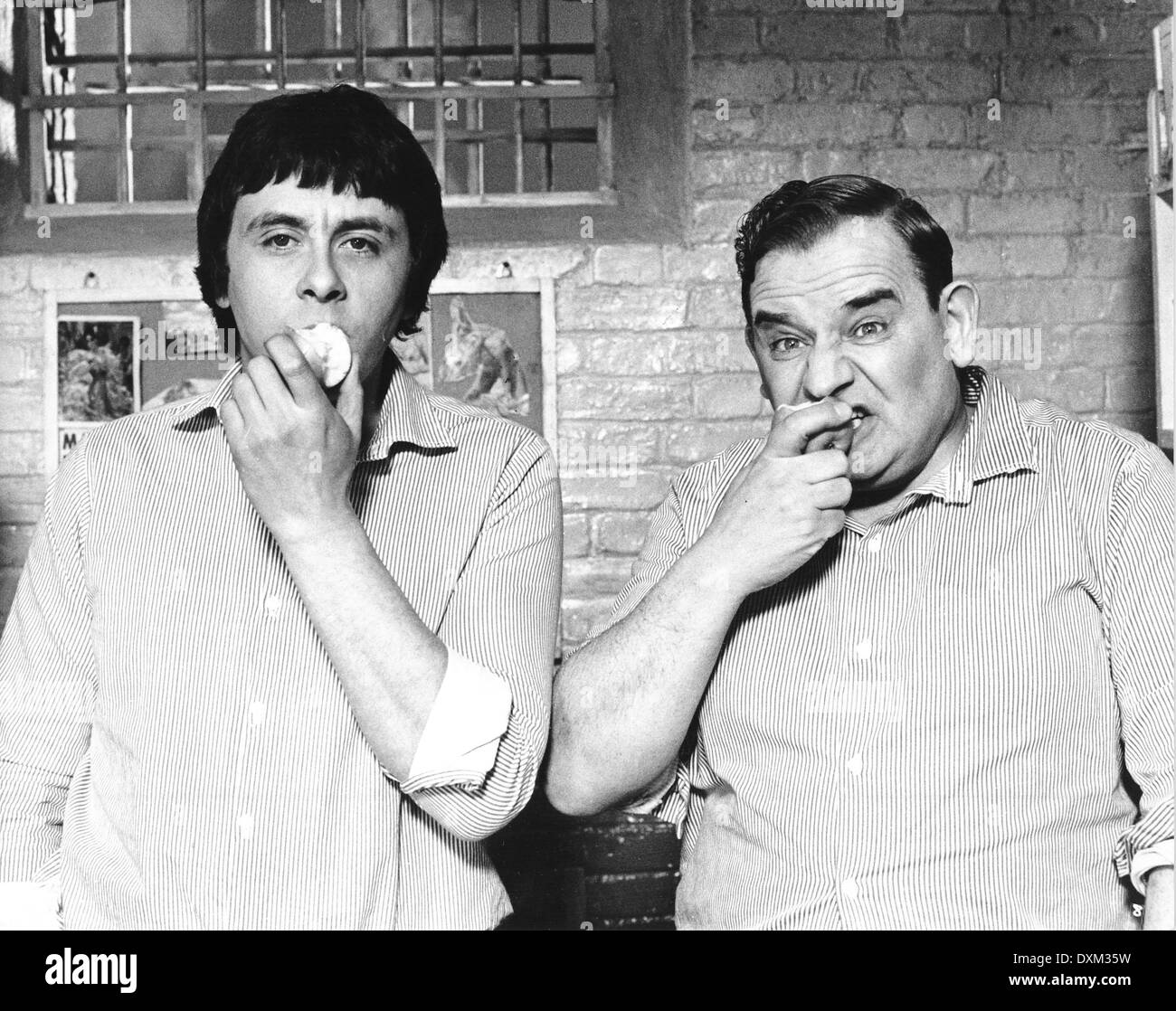
Richard Beckinsale died on March 19, 1979, from a sudden and fatal heart attack, medically categorized as myocardial infarction due to ischemic heart disease. He was 31 years old at the time of his death. His passing was an unexpected event that occurred while he was asleep at his home in Sunningdale, Berkshire, leaving a significant impact on the British television industry.
Understanding the Clinical Context of the Event
To understand what caused the premature death of such a prominent young actor, one must look at the nature of ischemic heart disease. Myocardial infarction occurs when blood flow to a section of the heart muscle is blocked, typically by a blood clot or the narrowing of the coronary arteries. In the case of Richard Beckinsale, the condition was undiagnosed and manifested suddenly.
At the time of his death in 1979, public awareness and diagnostic screening for heart conditions in younger, seemingly healthy adults were significantly less advanced than the protocols utilized in 2026. Ischemic heart disease is often the result of atherosclerosis—the buildup of plaque in the arteries—which can progress silently for years before causing a catastrophic event. Because Beckinsale displayed no prior outward symptoms, his death is frequently cited in medical history as an example of the suddenness with which cardiovascular disease can affect individuals who do not fit the traditional demographic profile of a cardiac patient.
Career Impact and Legacy
Richard Beckinsale had established himself as one of Britain’s most beloved sitcom actors during the 1970s. His work on Porridge, where he played the character Lennie Godber, and Rising Damp, where he portrayed Alan Moore, cemented his status as a master of both comedic timing and empathetic performance.
His sudden death sent shockwaves through the production teams of the era. At the time, he was actively filming the sitcom Bloomers. The production was subsequently canceled following his passing, as the loss of its lead actor rendered the show's continuation impossible. His death marked a profound shift in how the industry viewed the fragility of its stars, leading to a somber period of reflection among his contemporaries, including his close friend and co-star Ronnie Barker.
Comparison of Cardiovascular Risk Factors
While the medical understanding of heart disease has evolved since 1979, the fundamental physiological risks remain consistent. The following table outlines the factors that contribute to ischemic heart disease and how they are viewed in a modern diagnostic context.
| Risk Factor Category | Historical View (1979) | Modern Clinical View (2026) |
|---|---|---|
| Genetic Predisposition | Poorly understood for youth | High-priority screening via genomic markers |
| Diagnostic Access | Limited to reactive care | Advanced lipid panels and CT calcium scoring |
| Physical Manifestation | Often asymptomatic until event | Aggressive monitoring of subclinical indicators |
| Lifestyle Influence | General awareness | Quantifiable tracking of metabolic markers |
The Role of Sudden Cardiac Arrest in Young Adults
The term "sudden cardiac death" is often used to describe events like the one that took Richard Beckinsale. In individuals under the age of 40, such deaths are frequently attributed to underlying, undiagnosed structural or electrical heart abnormalities. While ischemic heart disease is the most common cause in older populations, it can occasionally present in younger adults due to accelerated arterial blockage.
In the decades since 1979, medical institutions have shifted toward a more proactive approach. Today, cardiologists emphasize the importance of identifying family history and lifestyle factors long before an event occurs. For the average person, the lesson of Beckinsale’s death serves as a reminder that cardiovascular health is not determined solely by age or visible physical fitness.
Misconceptions and Clarity
Over the years, various rumors circulated regarding the cause of his death. Because he was so young and appeared physically vibrant, some public speculation erroneously suggested external causes or lifestyle factors that did not align with the coroner’s report. Official records and the findings of the coroner were definitive: the actor died of natural causes related to a coronary heart attack.
It is important for those researching his life to distinguish between the tragic facts of his medical condition and the tabloid speculation that often follows the sudden death of a celebrity. The coroner’s verdict at the time provided the necessary closure for his family and the public, confirming that his passing was a tragic, unpredictable medical occurrence.
Remembering His Contribution to Television
Beckinsale’s impact is best measured by the longevity of his work. In 2026, many of the programs he starred in remain staples of classic British television. His ability to portray vulnerable yet likable characters allowed him to transcend the typical limitations of the sitcom format.
His daughters, Samantha and Kate Beckinsale, have both pursued acting careers, and they have often spoken about the void left by his absence. His legacy is not merely one of tragedy, but one of immense talent that was curtailed too early. The industry’s respect for his body of work is evidenced by the continuous reruns and critical acclaim his performances receive nearly half a century later.
Frequently Asked Questions
Was Richard Beckinsale ill before he died?
No. There were no prior reports of illness, and he did not show symptoms of heart disease. His death was sudden and unexpected, which is why it shocked the public and the entertainment industry in 1979.
Did lifestyle factors play a role in his passing?
While lifestyle factors can influence the risk of heart disease, it is impossible to retroactively determine the specific causes for an individual who died nearly 50 years ago. Medical professionals emphasize that even individuals with seemingly healthy habits can have undiagnosed, underlying arterial issues.
How did the public react to his death?
The public reaction was one of profound sadness and disbelief. Given his age and his status as a rising star in popular sitcoms, his death was widely covered by the British media, and it sparked a nationwide conversation about the unpredictability of health.
Why is his death still discussed today?
His death remains a frequent topic of discussion because he was at the peak of his career and his talent was widely recognized as being of a rare caliber. His life is often used as a historical marker for how the public perceives sudden loss and the vulnerability of those in the public eye.
Is there a hereditary link to his condition?
Medical experts generally agree that cardiovascular health has a strong genetic component. While his specific medical history was not made public in detail, modern medicine recognizes that family history is a primary indicator for screening in relatives of those who have experienced sudden cardiac events.
Recommended Next Actions
If you are interested in exploring the life and career of Richard Beckinsale, the best approach is to revisit his body of work through official streaming platforms or DVD archives. Watching his performances in Porridge provides the best context for his talent and why his loss was felt so deeply by the nation. For those concerned about their own cardiovascular health, the most practical step is to consult with a primary care physician to assess your risk factors and inquire about modern diagnostic testing, such as blood pressure monitoring, cholesterol checks, and, if indicated, professional cardiac evaluation.