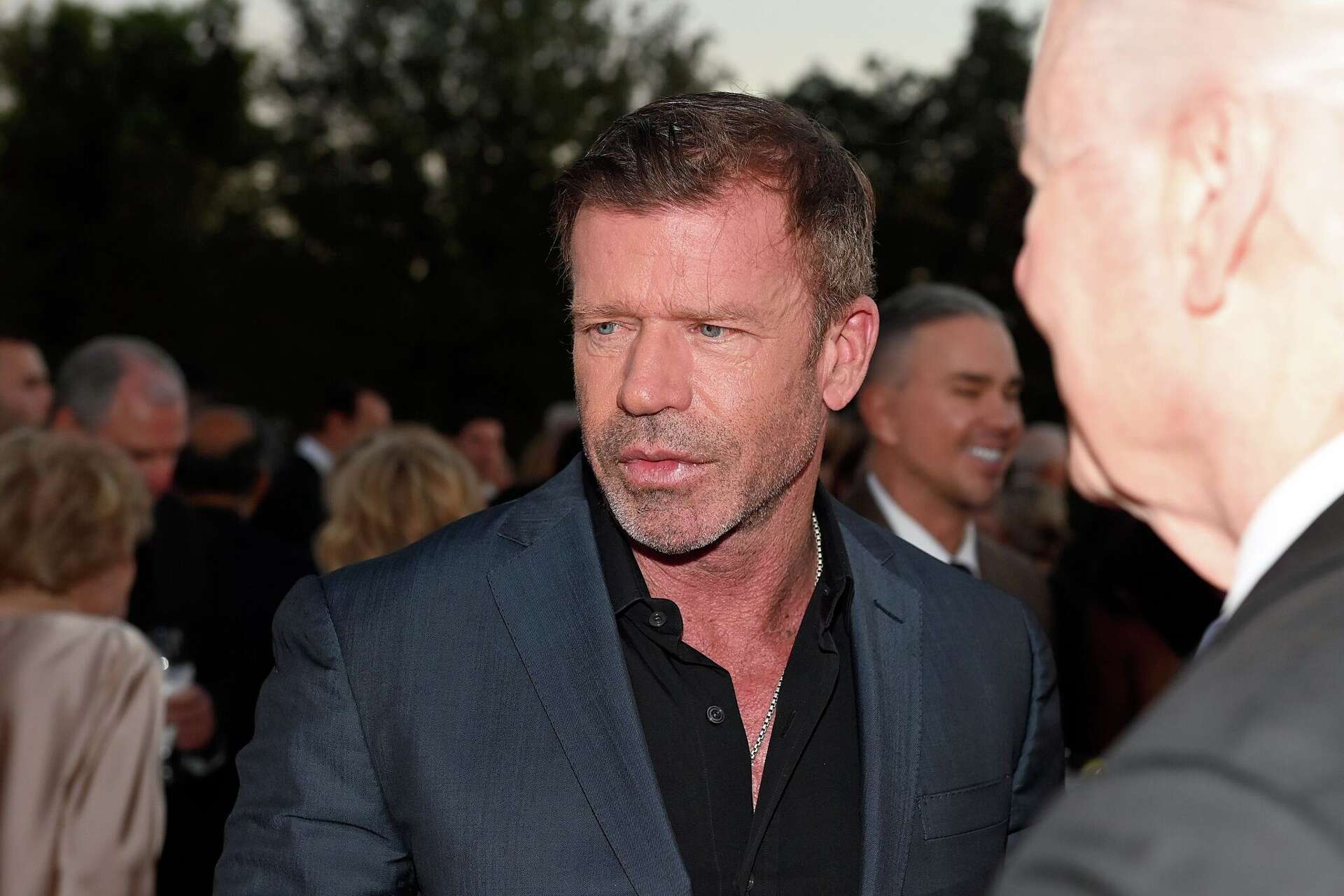
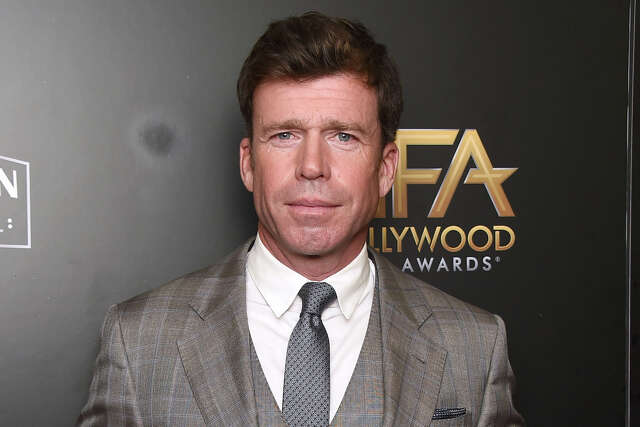
Taylor Sheridan, the acclaimed writer, director, and creator of the Yellowstone universe, maintains a highly private life regarding his personal religious beliefs. While his creative work frequently explores themes of morality, loyalty, legacy, and the harsh realities of the American West, he has not publicly identified with any specific religious denomination or expressed a personal faith, choosing instead to keep his spiritual life entirely separate from his professional persona.
The Intersection of Creative Themes and Personal Privacy
In the landscape of modern television and film, showrunners often become public figures whose personal lives are scrutinized alongside their creative output. For an artist like Taylor Sheridan, whose work—ranging from Hell or High Water and Wind River to the expansive Yellowstone and 1883—often centers on existential questions, the desire for privacy is a deliberate artistic and personal choice.
Sheridan’s storytelling often depicts characters who operate by their own internal moral codes, frequently situated in environments where traditional institutions, including organized religion, are either absent, ineffective, or secondary to the immediate demands of survival. Despite this, he has never attributed these narrative choices to a personal theological background. In interviews and industry profiles, Sheridan tends to focus his discourse on the technical aspects of screenwriting, the cultural history of the American West, and the structural challenges of production. This disciplined separation ensures that his audience engages with his characters' arcs without the potential bias of the author’s personal convictions.
The Cultural Representation of the American West
One reason the question of Sheridan's religion arises is the prominence of faith-based symbols in his settings. The American West has a deep-rooted historical relationship with various denominations, from the mission-driven history of the Southwest to the varying Protestant traditions that moved with westward expansion.
In his writing, Sheridan uses the landscape as an active participant rather than a mere backdrop. When characters in his projects occasionally reference divine intervention or struggle with questions of justice and the afterlife, these moments are framed as reflections of the characters' specific regional and cultural contexts. By avoiding explicit religious messaging, Sheridan preserves the ambiguity of his characters' motivations. For the viewer, this creates a vacuum that allows the story to resonate across a diverse spectrum of religious and secular audiences, as the struggles presented—power, land, and survival—are fundamentally human rather than sectarian.
Comparative Analysis of Narrative Contexts
To better understand how Sheridan manages thematic depth without leaning on specific religious frameworks, it is helpful to contrast his work with projects that explicitly utilize faith as a central engine.
| Narrative Approach | Primary Focus | Role of Religion/Faith |
|---|---|---|
| The Sheridan Model | Internal Morality & Legacy | Generally absent or background context; characters follow personal codes. |
| The Traditional Western | Good vs. Evil | Often features clergy as moral anchors or symbols of encroaching civilization. |
| The Theological Drama | Divine Intervention | Faith is a primary driver of plot, conflict, and resolution. |
| The Neo-Western Noir | Existentialism | Secular focus; justice is sought within broken systems rather than through faith. |
As shown in the table above, Sheridan’s work aligns most closely with the Neo-Western and existentialist traditions. His narratives emphasize the consequences of human action. In the absence of a stated religious framework, these consequences are treated with high gravity, placing the weight of morality squarely on the shoulders of the protagonists.
The Public Persona of the Showrunner
In contemporary media, creators who do not openly discuss their private lives are often subjected to speculation. However, Sheridan’s trajectory from a working actor—known for his role as David Hale in Sons of Anarchy—to a prolific writer-director, has been defined by a focus on "the work." His public appearances are generally professional, centered on the collaborative nature of filmmaking and the specific demands of his production company, Bosque Ranch.
By maintaining this boundary, Sheridan has successfully avoided the traps of political or religious labeling. In the entertainment industry, where personal brand is often tied to advocacy or public confessionals, this silence acts as a protective measure for his creative autonomy. It allows him to write characters with varied, sometimes conflicting, worldviews without those characters being perceived as mouthpieces for the author’s personal religious identity.
Addressing Common Inquiries Regarding Sheridan’s Background
Because Sheridan’s life and work are so widely discussed, fans and critics often search for information that might clarify his perspective on life, ethics, and tradition. Below are some of the most relevant inquiries regarding this topic.
Does Taylor Sheridan's portrayal of Indigenous spirituality imply a specific faith?
No. Sheridan often consults with tribal representatives to ensure the respectful portrayal of cultural practices, particularly in Wind River and 1883. These depictions are intended to reflect the lived reality and historical struggles of the characters, rather than any personal theological interest on the part of the showrunner.
Are the moral struggles in Yellowstone linked to a religious upbringing?
There is no public record of such a link. The moral dilemmas in Yellowstone are typically rooted in the "land-first" philosophy of the Dutton family. The conflicts involve legacy, family preservation, and political maneuvering, which are treated as secular, practical challenges rather than religious ones.
Has Taylor Sheridan ever spoken about his personal faith in interviews?
Throughout his career, Sheridan has remained consistent in keeping his private life private. His interviews are almost exclusively focused on the mechanics of his scripts, the challenges of filming in remote locations, and the evolution of the television industry. He has not provided public statements regarding his religious orientation.
How does the lack of explicit religious messaging affect the appeal of his shows?
The omission of specific religious content is likely a factor in the broad, cross-demographic appeal of his work. By centering on universal themes like family loyalty, the ethics of power, and the endurance of human will, his stories become accessible to viewers regardless of their individual religious or secular backgrounds.
Practical Guidance for Researching Public Figures
For those interested in the personal lives of writers and directors, it is important to distinguish between public record and speculation. In the case of public figures who do not volunteer information about their private religious lives, the lack of information should be considered an intentional boundary.
- Prioritize Official Sources: Rely on primary interviews, industry trade publications, and authorized biographies.
- Beware of Speculative Content: Many sites generate content based on search queries rather than verified facts. If a source cannot cite a primary quote, it is likely conjecture.
- Analyze the Work as Independent: Treat the creative content—the dialogue, character motivations, and themes—as an artistic expression that does not necessarily reflect the author's personal life or private religious stance.
Focusing on the Creator’s Intent
The most accurate way to engage with Taylor Sheridan’s work is to prioritize the content of his stories over the desire to categorize the man behind them. Sheridan’s craft is defined by his ability to capture the nuance of human conflict within the framework of the American landscape. Whether he holds personal religious views or is entirely secular is a detail he has kept out of the public domain, and his work continues to function effectively without that information.
For viewers seeking to understand the "why" behind the intense, moralistic, and often violent worlds he creates, the answer lies in the text of his scripts. His characters act, they suffer, and they endure, all within a moral universe that Sheridan constructs for each specific project. By respecting the boundary he has set regarding his private life, audiences can better appreciate the depth and complexity of the narratives he delivers, focusing on the human stories rather than the search for a personal theological profile.