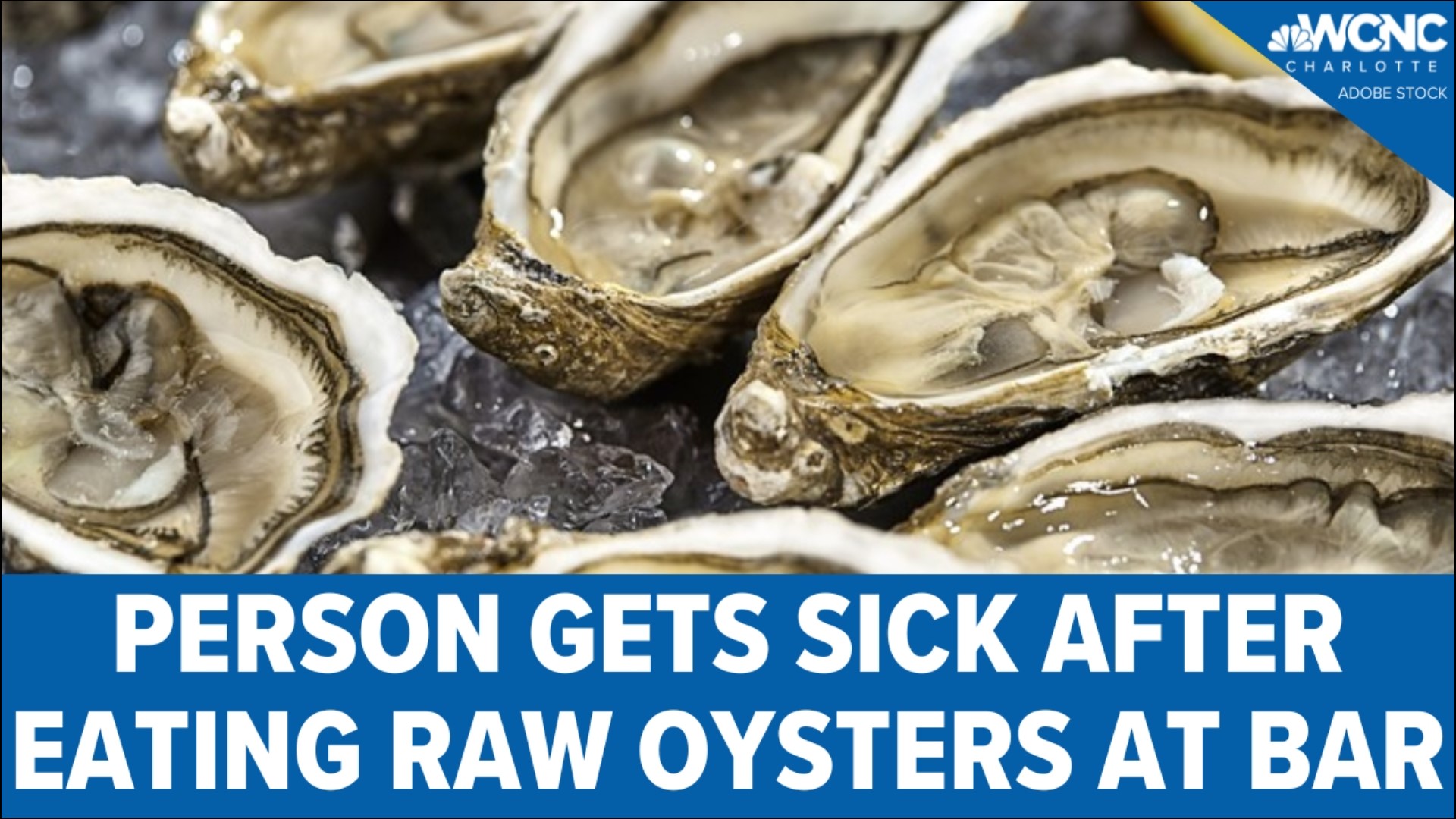
Eating a "bad" oyster—one contaminated with pathogens or toxins—can cause symptoms ranging from mild gastroenteritis to life-threatening septicemia. Common reactions include nausea, vomiting, abdominal cramps, and diarrhea, appearing within 12 to 48 hours. While most cases resolve with hydration, infections from Vibrio vulnificus require immediate medical intervention due to high mortality rates.
Oysters are filter feeders, meaning they process large volumes of water to obtain nutrients. In this process, they naturally concentrate viruses, bacteria, and toxins present in their environment. In 2026, as coastal water temperatures continue to shift, the prevalence of certain pathogens has become a focal point for public health agencies. Understanding the difference between a "spoiled" oyster (one that has died and decomposed) and a "contaminated" oyster (one that looks and smells fresh but harbors invisible pathogens) is critical for consumer safety.
Primary Pathogens: Understanding Vibrio and Norovirus
The most frequent causes of illness from raw or undercooked oysters are biological pathogens. Unlike spoilage bacteria, which produce a foul odor or "off" appearance, these pathogens are often undetectable by sight, smell, or taste.
Vibrio Species
The Vibrio genus contains several species that thrive in warm, brackish coastal waters.
- Vibrio parahaemolyticus: This is the most common cause of Vibrio infection (vibriosis). It typically results in watery diarrhea, often accompanied by abdominal cramping, nausea, vomiting, fever, and chills. Most healthy individuals recover within three to five days without antibiotic treatment.
- Vibrio vulnificus: This is a significantly more dangerous pathogen. While rarer than V. parahaemolyticus, it can cause necrotizing fasciitis (flesh-eating disease) if it enters a wound, or primary septicemia if ingested by high-risk individuals. It is estimated that one in five people infected with V. vulnificus die, often within a day or two of becoming ill.
Norovirus
Norovirus is a highly contagious virus often referred to as "stomach flu," though it is unrelated to influenza. It frequently enters oyster beds through contaminated water runoff or improper waste disposal. Because oysters concentrate the virus in their tissues, even a small amount of contamination can cause an outbreak. Symptoms include sudden, projectile vomiting and watery diarrhea. Norovirus is particularly difficult to eradicate because it can survive freezing temperatures and is relatively resistant to heat compared to many bacteria.
Recognizing Symptoms: Timelines and Red Flags
The onset and duration of symptoms provide vital clues regarding the specific pathogen involved. While most foodborne illnesses follow a predictable path, oyster-borne diseases have specific "red flags" that necessitate emergency care.
Incubation Periods
- Rapid Onset (30 minutes to 6 hours): Usually indicates chemical toxins or pre-formed bacterial toxins.
- Standard Onset (12 to 48 hours): The typical window for Vibrio and Norovirus.
- Delayed Onset (weeks): Specific to Hepatitis A, which can have an incubation period of 15 to 50 days.
Mild vs. Severe Symptoms
A "mild" case involves standard gastrointestinal distress: stomach cramps, nausea, and loose stools. These are generally managed with oral rehydration salts and rest. However, severe symptoms require immediate hospitalization. These include a high fever that does not break, persistent vomiting that prevents hydration, bloody stools, or the appearance of purple/bluish skin lesions. The latter is a hallmark of Vibrio vulnificus septicemia and is a medical emergency.
Marine Toxins and Shellfish Poisoning
In addition to bacteria and viruses, oysters can harbor natural toxins produced by microscopic algae (phytoplankton). These events are often associated with "red tides" or Harmful Algal Blooms (HABs). Unlike bacteria, these toxins are heat-stable; cooking the oyster does not make it safe to eat.
- Diarrhetic Shellfish Poisoning (DSP): Caused by okadaic acid. It leads to rapid onset of nausea and diarrhea. While uncomfortable, it is rarely life-threatening.
- Amnesic Shellfish Poisoning (ASP): Caused by domoic acid. In severe cases, it can lead to permanent short-term memory loss, seizures, or death.
- Paralytic Shellfish Poisoning (PSP): Caused by saxitoxins. This is a severe condition that affects the nervous system, potentially leading to respiratory paralysis within 24 hours of ingestion.
Public health departments in 2026 employ rigorous monitoring of water columns to close oyster beds when toxin levels rise, but illicit harvesting or "recreational" foraging in closed areas remains a primary risk factor for these poisonings.
Risk Data and Statistical Trends
Statistical data from the Centers for Disease Control and Prevention (CDC) and the European Food Safety Authority (EFSA) highlight the persistent nature of oyster-related illnesses. In the United States, Vibrio infections have shown a steady increase over the last decade, largely attributed to rising sea surface temperatures.
| Pathogen/Condition | Annual U.S. Est. Cases | Fatality Rate | Primary Risk Season |
|---|---|---|---|
| Vibrio parahaemolyticus | 45,000 | <1% | May – October |
| Vibrio vulnificus | 100 – 200 | ~25% (overall) | Year-round (Warmest months peak) |
| Norovirus (Shellfish-linked) | 15,000 - 20,000 | Very Low | Winter (November – March) |
| Shellfish Toxins (PSP/ASP) | <50 (Reported) | Variable | Spasmodic Algal Blooms |
The data indicates that while Norovirus is responsible for a large volume of cases, the morbidity associated with Vibrio species is the primary concern for clinicians. In 2026, surveillance data suggests that the "Vibrio season" has extended by approximately 20 days compared to 20th-century averages due to the warming of northern waters, such as the Chesapeake Bay and the Pacific Northwest.
High-Risk Groups and Vulnerabilities
A "bad" oyster may cause only minor discomfort in a healthy adult but can be fatal to others. Susceptibility is not uniform, and certain underlying conditions significantly increase the risk of severe outcomes.
- Liver Disease: This is the single greatest risk factor for Vibrio vulnificus. Individuals with cirrhosis, hepatitis, or hemochromatosis have elevated levels of iron in their blood. Vibrio bacteria thrive on iron, allowing them to multiply at an exponential rate, leading to rapid septic shock.
- Immunocompromised Status: Those undergoing chemotherapy, living with HIV/AIDS, or taking immunosuppressant drugs (such as those for autoimmune disorders or organ transplants) lack the immune response necessary to contain bacterial spread.
- Reduced Stomach Acid: Individuals taking proton pump inhibitors (PPIs) or antacids have a higher risk, as stomach acid is one of the body's first lines of defense against ingested pathogens.
- Diabetes and Chronic Kidney Disease: These conditions impair the body’s ability to heal and fight off systemic infections.
Prevention, Handling, and Safety Protocols
To minimize risk, consumers and food handlers must follow established safety protocols. Many common "remedies" for eating raw oysters are scientifically unfounded. For instance, adding hot sauce (Tabasco) or lemon juice to a raw oyster does not kill Vibrio or Norovirus; the acidity and capsaicin levels are far too low to affect pathogens embedded in the oyster's tissue.
Selection and Storage
Oysters should be purchased from reputable dealers who can provide tags indicating the harvest date and location. Fresh, live oysters should have tightly closed shells. If a shell is open, tap it; if it does not close immediately, the oyster is dead and should be discarded. Keep oysters chilled at or below 40°F (4°C). Avoid "cross-contamination" by keeping raw shellfish away from other foods.
The Importance of Cooking
The only sure way to eliminate pathogens like Vibrio and Norovirus is thorough cooking. According to FDA guidelines, oysters should be cooked to an internal temperature of 145°F (63°C) for at least 15 seconds.
- Boiling: Boil until the shells open, then continue boiling for another 3 to 5 minutes.
- Steaming: Once the water is steaming, cook for 4 to 9 minutes.
- Frying/Baking: Ensure the meat reaches the 145°F threshold.
Is the "R Month" Rule Still Valid?
The old adage "only eat oysters in months with an 'R'" (September through April) was originally intended to avoid the warm-weather months when bacteria proliferate and oysters spawn. While modern refrigeration and stricter harvesting regulations make year-round consumption safer, the data shows that Vibrio cases still peak in the warmer "non-R" months. However, Norovirus outbreaks are actually more common in the winter, meaning there is no "zero-risk" season for raw shellfish.
How do I know if an oyster is bad before eating it?
A bad oyster often stays open and will not close when tapped, indicating it is dead. It may also have a strong, sulfurous, or "fishy" odor rather than a fresh, salty scent. However, oysters contaminated with Vibrio or Norovirus usually look, smell, and taste perfectly normal.
Can you get "flesh-eating" bacteria from eating an oyster?
Yes. Vibrio vulnificus can cause necrotizing fasciitis. While this most commonly occurs when an open wound is exposed to contaminated seawater, it can also develop systemically after ingestion, particularly in individuals with liver disease or weakened immune systems.
What should I do if I think I have oyster poisoning?
Monitor your symptoms closely. If you experience mild diarrhea, focus on hydration with electrolyte drinks. If you develop a high fever, chills, a skin rash, or persistent vomiting, seek medical attention immediately. Inform the healthcare provider that you recently consumed raw shellfish to expedite testing for Vibrio.
Does freezing oysters kill the bacteria?
No. Freezing does not reliably kill Vibrio or Norovirus. While it may reduce the number of active bacteria, it does not make raw oysters safe for high-risk individuals. Only heat (cooking) is an effective kill-step.
Immediate Actions and When to See a Doctor
If you suspect you have consumed a bad oyster, the first 24 hours are critical for monitoring. For healthy individuals, the primary goal is preventing dehydration. Small, frequent sips of water, broth, or oral rehydration solutions are more effective than drinking large amounts at once. Avoid anti-diarrheal medications like loperamide unless directed by a doctor, as these can sometimes slow the transit of toxins out of your system.
Seek emergency medical care if you experience:
- Symptoms of sepsis: Confusion, rapid heart rate, or extreme shivering.
- Skin changes: Any new redness, swelling, or blistering on the legs or arms.
- Duration: Symptoms that last longer than 48-72 hours without improvement.
- Severe dehydration: Inability to keep fluids down, dark urine, or extreme dizziness.
In 2026, medical providers are increasingly using rapid molecular testing (PCR) to identify seafood pathogens within hours. Early diagnosis of Vibrio vulnificus can be the difference between a successful recovery and a fatal outcome, as the bacteria can double in population every 10 to 20 minutes under ideal conditions in the human body.