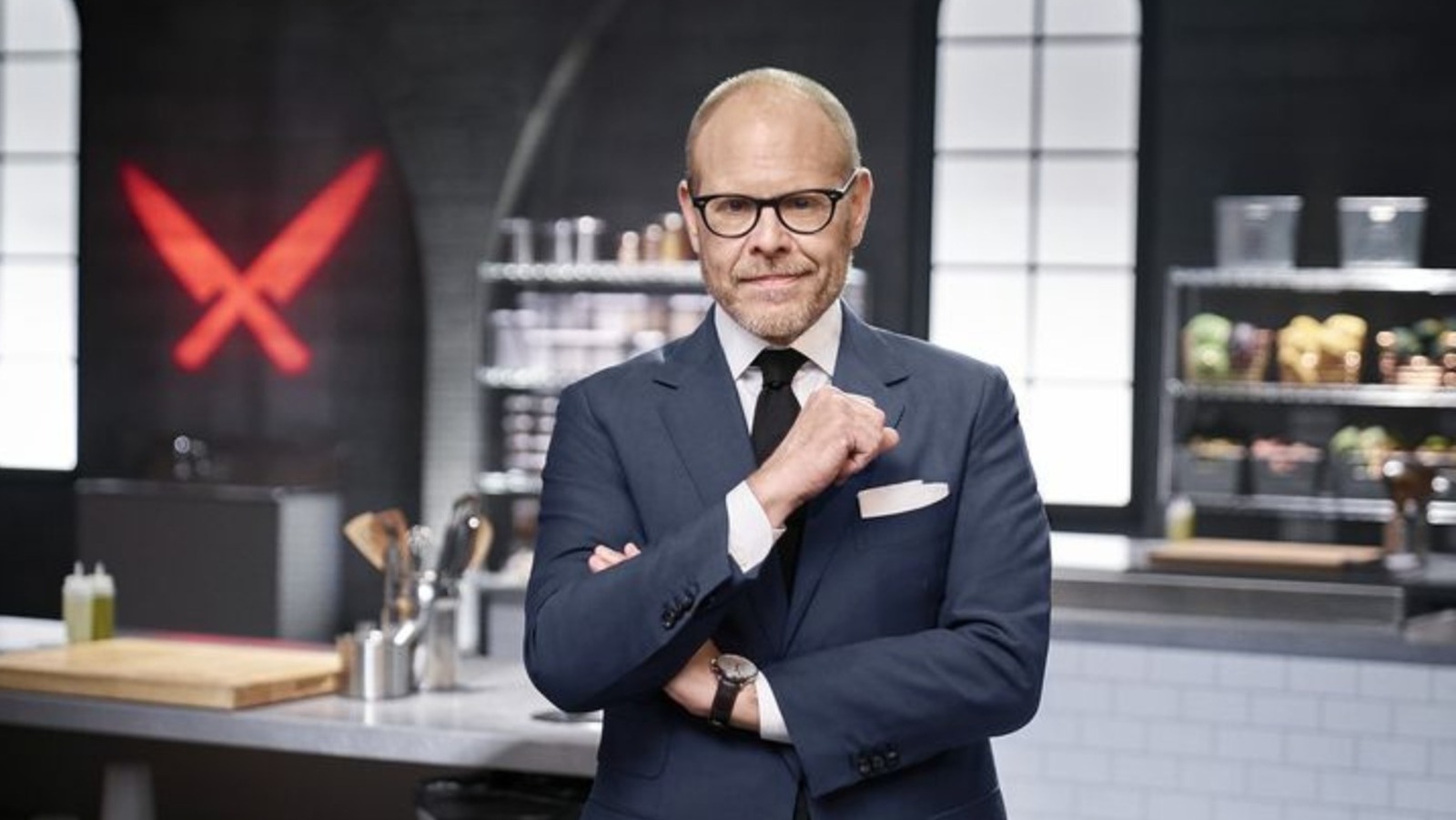
The Iron Chef franchise, which originated as a Japanese television program in 1993, concluded its primary run of domestic and international iterations due to changing production priorities, shifting viewer habits, and the natural conclusion of contractual cycles between producers and rights holders. While the brand has seen various revivals, its status as a staple of appointment television waned as streaming platforms altered the consumption of culinary competition content.
The Origins of the Kitchen Stadium
The legend of Iron Chef began on Fuji Television in Japan. Premiering in 1993, Ryōri no Tetsujin (The Iron Men of Cooking) introduced a revolutionary concept to the culinary world: a high-stakes, timed competition where chefs battled against a resident roster of culinary masters. The show was characterized by its theatrical flair, the eccentric persona of Chairman Kaga, and the intense, often grueling nature of the cooking.
Unlike standard cooking programs of the 1990s, Iron Chef focused on the visceral experience of the kitchen. The introduction of the "Secret Ingredient"—a specific food item that the challenger and the Iron Chef had to incorporate into every dish—forced creativity under extreme duress. This format became the blueprint for the genre of modern televised cooking competitions, emphasizing the transition of the chef from a professional artisan to a competitive performer.
The Expansion into the North American Market
The international appeal of the Japanese series led to the creation of Iron Chef America by the Food Network. Following a series of specials and an initial pilot, the American version premiered in 2005. It retained the core tenets of the original Japanese series, including the iconic Kitchen Stadium set, the dramatic Chairman’s intro, and the panel of judges.
Iron Chef America served as a cornerstone of the Food Network’s prime-time lineup for over a decade. It propelled several chefs, such as Bobby Flay, Mario Batali, and Cat Cora, into household-name status. The success of this iteration established a distinct cultural footprint, transforming the concept of a "celebrity chef" into a competitive athlete. However, as the industry matured, the novelty of the static "challenge" format faced competition from reality-based culinary shows that emphasized personality and narrative arcs over technical cooking prowess alone.
Factors Contributing to the Show's Conclusion
The cessation of Iron Chef as a consistent, ongoing series was not the result of a single event but rather a convergence of operational and strategic shifts.
- Format Fatigue: By the mid-2010s, the culinary television landscape had become saturated. Networks shifted toward docuseries and high-stakes survival-style cooking competitions (such as Top Chef or Chopped), which allowed for more sustained character development than the single-episode format of Iron Chef.
- Contractual and Legal Complexities: Maintaining the rights to the Iron Chef format required complex international licensing agreements. As ownership of the intellectual property evolved, the logistics of production became increasingly difficult to harmonize across global territories.
- Production Costs: Iron Chef was an expensive production. The high-quality food ingredients, the size of the cast and crew, and the requirement for specialized lighting and camera setups made it a significant financial investment compared to lower-cost, high-volume reality television shows.
- Changing Viewer Demographics: The shift toward on-demand streaming meant that the traditional linear model—where viewers tuned in at a specific hour to see a battle—lost its advantage. Networks transitioned to content that functioned better in binge-watching cycles or shorter social-media-friendly clips.
Comparing Culinary Competition Formats
To understand why Iron Chef transitioned from a dominant force to a historical touchstone, it is helpful to compare it to the models that superseded it.
| Format Characteristic | Traditional Iron Chef | Modern Culinary Reality Shows |
|---|---|---|
| Primary Goal | Technical mastery and speed | Character drama and personal narrative |
| Judging Focus | Taste and adherence to ingredient | Personality, growth, and story arc |
| Duration | Single-episode, standalone | Multi-episode seasonal arcs |
| Production Scale | High (elaborate studio set) | Variable (location or studio) |
| Core Appeal | The "Battle" spectacle | The "Journey" of the contestants |
The Legacy of the Iron Chef Brand
Though the original series and its major domestic iterations are no longer actively producing new episodes on a standard schedule, the influence of the franchise remains embedded in modern television. The "Secret Ingredient" trope, the panel of expert judges, and the rapid-fire editing style were all pioneered or perfected by the Iron Chef team.
In 2022, Netflix attempted a modern revival with Iron Chef: Quest for an Iron Legend. This iteration utilized updated visual effects and a broader, global competitive pool. While this series served as a nod to the legacy, it underscored the reality that Iron Chef is now treated as a prestige brand or a limited-event spectacle rather than the weekly, year-round engine it was in the mid-2000s.
Frequently Asked Questions
Was Iron Chef cancelled due to low ratings?
No, the show’s conclusion was not a direct result of low ratings. Instead, it was a strategic decision to align with evolving network programming priorities. As the cost of production rose and viewer habits shifted toward long-form narrative series, the traditional "battle" format became less sustainable as a primary programming anchor.
Will there be future seasons of Iron Chef?
The Iron Chef brand remains an active piece of intellectual property. While there is no current announcement regarding a consistent weekly series, the format is frequently licensed for special events, streaming limited series, or international co-productions. The likelihood of a permanent return to the weekly broadcast model remains low due to current industry economic models.
Who owns the rights to the Iron Chef series?
The intellectual property is held by Fuji Television, which originated the program. Any version of the show produced outside of Japan, such as Iron Chef America, operates under a specific licensing agreement with the parent company. These agreements often have defined expiration dates and terms regarding the scope of production.
Why is the show referred to as a "cultural phenomenon"?
The show is credited with changing how food is perceived on screen. Before Iron Chef, cooking shows were largely instructional. Iron Chef positioned cooking as a high-intensity sport, which directly paved the way for the modern "foodie" culture and the professionalization of the celebrity chef archetype.
Can I watch all original episodes of Iron Chef?
Availability depends on your region and current streaming rights agreements. Because the show spanned different versions and decades, the archives are fragmented across various streaming services and physical media releases. Always check your local digital distribution platforms to verify current licensing in your territory as of 2026.
Next Steps for Fans of the Series
If you are looking to revisit the Iron Chef experience or find similar content, start by verifying which versions are legally available on your preferred streaming platforms. Given the scattered nature of the rights, searching by the specific title—such as Iron Chef America or the original Ryōri no Tetsujin—in your service’s search bar is the most effective way to identify current availability. For those interested in the history of the show, interviews with the original producers, such as those published in retrospective culinary journals or long-form media analysis sites, offer the most accurate factual accounts of the production challenges faced during its peak.