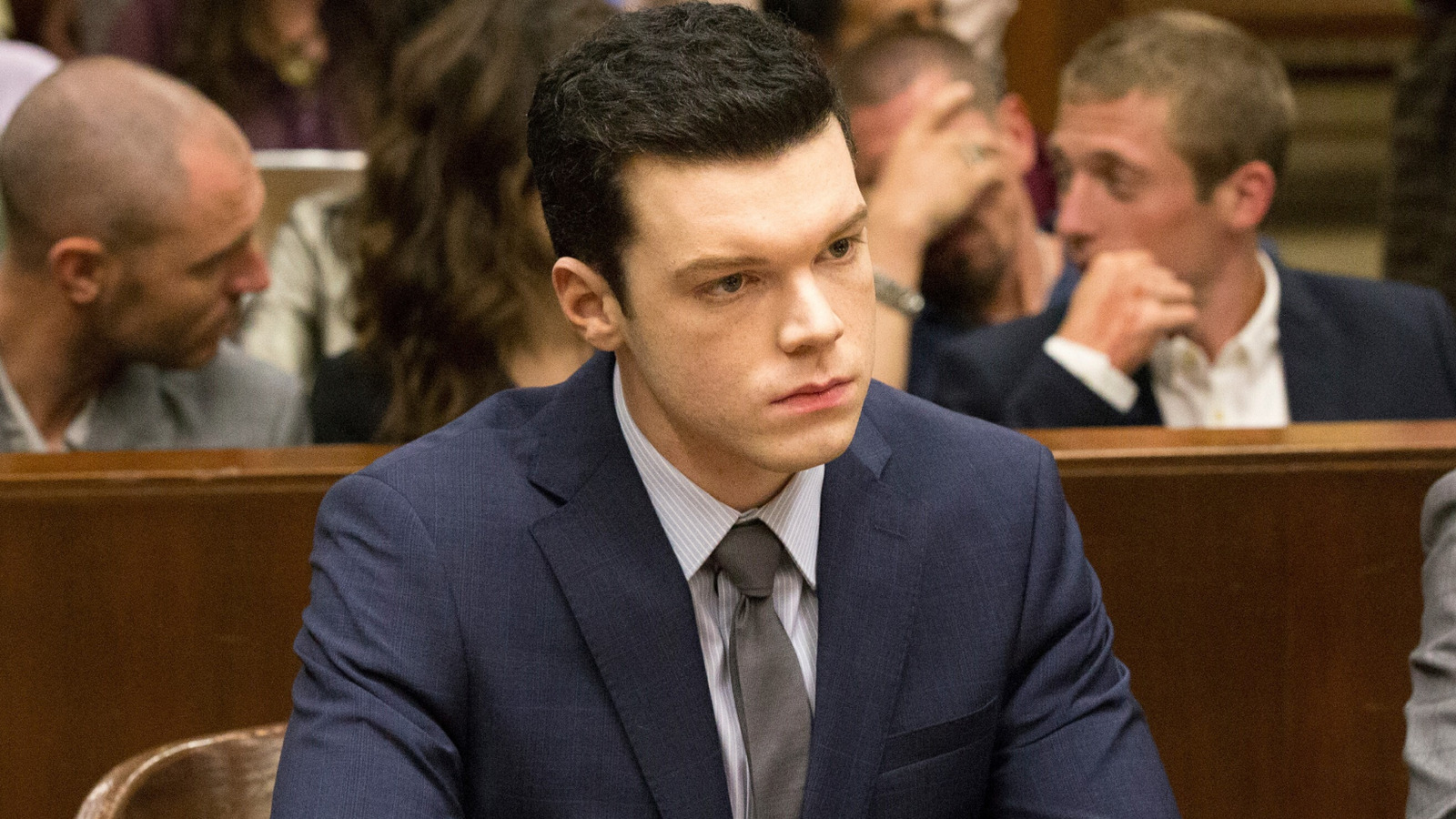
Cameron Smith-Clarke, the young participant from the popular reality television series Supernanny, became a notable figure in early 2000s pop culture due to his appearance on the show’s inaugural season. Unlike many reality television stars who seek sustained fame, Cameron and his family returned to private life following the broadcast, leading to long-standing public curiosity regarding his adulthood and current whereabouts.
The Context of Supernanny’s First Season
Supernanny premiered in the United Kingdom in 2004 and quickly migrated to the United States, becoming a cultural phenomenon. The series followed British nanny Jo Frost as she traveled to households experiencing significant behavioral challenges with their children. Each episode was designed to demonstrate specific disciplinary techniques, such as the "naughty step" or "sleep training" methods, which were revolutionary for mainstream television audiences at the time.
Cameron Smith-Clarke appeared in the first season of the UK version. His episode focused on the challenges his parents faced in managing his behavior, a narrative arc common to the show’s format. The production aimed to showcase a transformation in family dynamics over the course of a few weeks, relying on the contrast between the initial "chaos" and the post-intervention "order." As of 2026, the legacy of these episodes remains, primarily preserved through streaming platforms and social media clips, which continue to drive interest in the long-term outcomes of the children featured in the series.
The Reality of Reality Television Participants
The primary reason for the enduring questions surrounding Cameron Smith-Clarke stems from the nature of early 2000s reality television. Unlike modern social-media-driven celebrities, participants in the mid-2000s were rarely prepared for the digital permanence of their appearances. In many cases, families who participated in Supernanny were motivated by a genuine desire for professional guidance rather than a pursuit of notoriety.
Once the cameras stopped rolling and the episode aired, the production contract typically concluded, leaving the families to resume their normal lives. Because Cameron was a minor during the filming of the episode, his privacy remained a priority for his parents. This protectionist approach explains the lack of public updates; the family intentionally moved away from the spotlight to ensure that Cameron could grow up without the constant association with his televised childhood behavior.
Distinguishing Fact From Speculation
In the age of social media, misinformation regarding former reality stars often spreads quickly. Speculative forums and social media threads frequently attempt to identify "current status" updates based on public records, often confusing common names or misinterpreting old news. As of 2026, there are no verified public accounts, professional profiles, or official statements confirming the specific adult career or location of Cameron Smith-Clarke.
It is important for viewers to differentiate between verifiable data—such as air dates, network production credits, and the established methodologies of Jo Frost—and conjecture found on gossip-oriented websites. When searching for information on former child participants, the absence of public engagement from the individual is a strong indicator of a chosen life of privacy. Following the conventions of media ethics, respected journalists and biographers maintain that individuals who were featured as minors in reality productions have a right to navigate their adult lives outside the scope of their childhood broadcast.
Understanding the Methodology of Supernanny
To understand why viewers remain so interested in Cameron Smith-Clarke, one must understand the lasting influence of the Supernanny format. The show introduced millions of households to structured parenting strategies that prioritized consistency and emotional regulation.
| Feature | Description |
|---|---|
| Primary Method | The Naughty Step (Time-out) |
| Focus | Consistency, Routine, and Clear Boundaries |
| Broadcast Era | 2004–2011 (Original Run) |
| Legacy | Standardized early-childhood behavioral intervention |
| Participant Status | Mostly private, post-show non-celebrity status |
The efficacy of these techniques has been debated by child psychologists for decades. Critics often point to the "staged" nature of reality editing, while proponents argue that the core tenets of the show—specifically the importance of parental calm and clear communication—remain valuable. This ongoing debate about the "right way" to raise children contributes to the continued relevance of the show’s archive, keeping participants like Cameron in the collective memory of the audience.
The Ethics of Childhood Fame in Media
The question "what happened to" is an artifact of the parasocial relationship between viewers and television subjects. Because Supernanny invited viewers into the most intimate aspects of domestic life, the audience felt a sense of familiarity with the children involved. However, the child’s participation was entirely involuntary, mediated by parental consent.
In 2026, there is an increased cultural awareness regarding the ethics of filming minors for entertainment. Many former reality television stars from the 2000s have spoken out about the long-term psychological impacts of having their "difficult" childhood moments broadcast to a global audience. While Cameron Smith-Clarke has not publicly contributed to this conversation, the general trajectory of his peers suggests that the silence from former participants is often a deliberate, healthy choice to establish autonomy and identity independent of a televised persona.
How to Evaluate Reality TV Retrospectives
When encountering articles or videos claiming to provide "updates" on participants from older shows, consumers should apply basic verification standards:
- Check for Primary Sources: Does the article cite an interview with the person, an official public record, or a verified social media account? If the content relies on "internet rumors," it is likely unverified.
- Verify Timestamps: Ensure that information is current. Many articles are recycled with updated titles (e.g., "Where are they now in 2026?") without containing any new, factual information.
- Identify Intent: Is the content produced by an entertainment news organization, or is it a click-driven blog? High-quality reporting avoids invading the privacy of individuals who have clearly chosen to avoid public life.
Moving Forward: Understanding the Privacy of Former Stars
It is common for viewers to feel a sense of closure when they learn the outcome of a story they watched years ago. However, in the case of Cameron Smith-Clarke, the most accurate answer is that he has successfully transitioned into a private life. The lack of public information is not a mystery to be solved, but a boundary to be respected.
For those interested in the Supernanny phenomenon, the focus is best placed on the techniques utilized by Jo Frost or the sociological impact of early 2000s reality television, rather than the personal lives of the children who were filmed. As of 2026, the archives of the series continue to serve as a resource for historical and educational analysis, but they do not serve as a roadmap for the ongoing personal lives of those who participated.
Frequently Asked Questions
Did Cameron Smith-Clarke ever return to television?
There is no public or professional record of Cameron Smith-Clarke pursuing a career in television or media after his appearance on Supernanny. He has remained outside of the entertainment industry, choosing not to leverage his childhood appearance for public fame.
Why do people keep asking what happened to him?
The interest is driven by the parasocial nature of reality television. Because viewers watched intimate, often challenging moments from his childhood, they feel a narrative connection to him and desire a "happy ending" or update to his story.
Is there a "Where Are They Now" segment for Supernanny?
While media outlets periodically attempt to compile "Where Are They Now" features on various reality shows, these are rarely sanctioned or participated in by the subjects themselves. Most participants, including those from the first season, prefer to remain private.
Are the methods shown on Supernanny still considered effective?
Many of the core tenets, such as the use of time-outs and establishing firm routines, remain widely used in child psychology, though modern experts often emphasize adding more focus on emotional validation alongside the behavioral discipline shown in the series.
What is the best way to respect the privacy of reality stars?
The best approach is to refrain from active searching for personal social media profiles or private contact information. Engaging with the content as a historical piece of media rather than attempting to track the real-world movements of former child participants is the most ethically sound practice.
Next Steps for Researching Reality Television History
If you are interested in the broader impact of reality television on families, consider reviewing academic journals on media studies or psychological analyses of child exposure in the digital age. These resources offer a more profound understanding of the industry than personal inquiries into individual participants. If you are specifically researching the history of Supernanny, focus your attention on the production notes and public statements made by the host, Jo Frost, who has provided extensive interviews regarding the show's methodologies and the evolution of parenting advice since 2004.