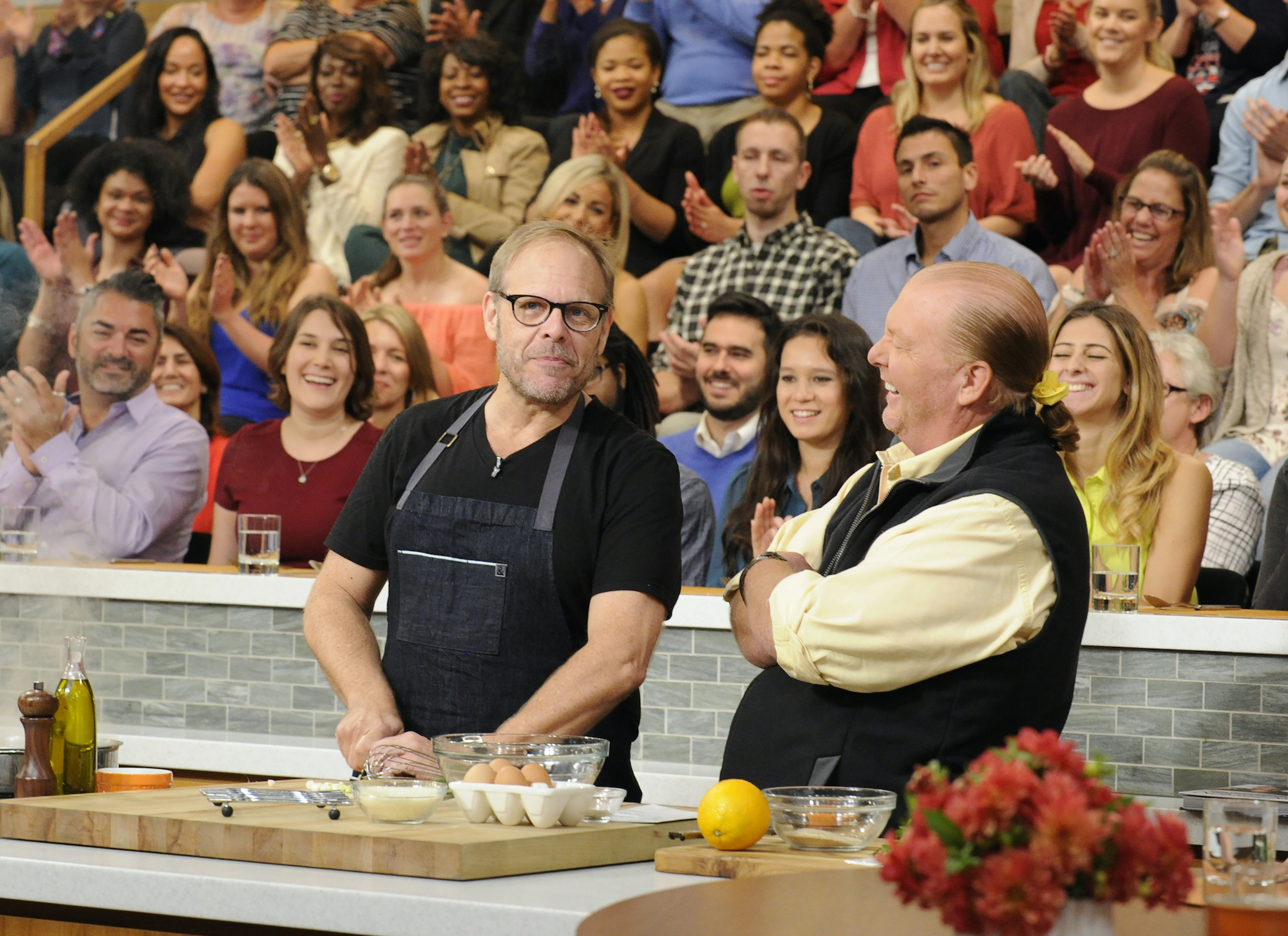
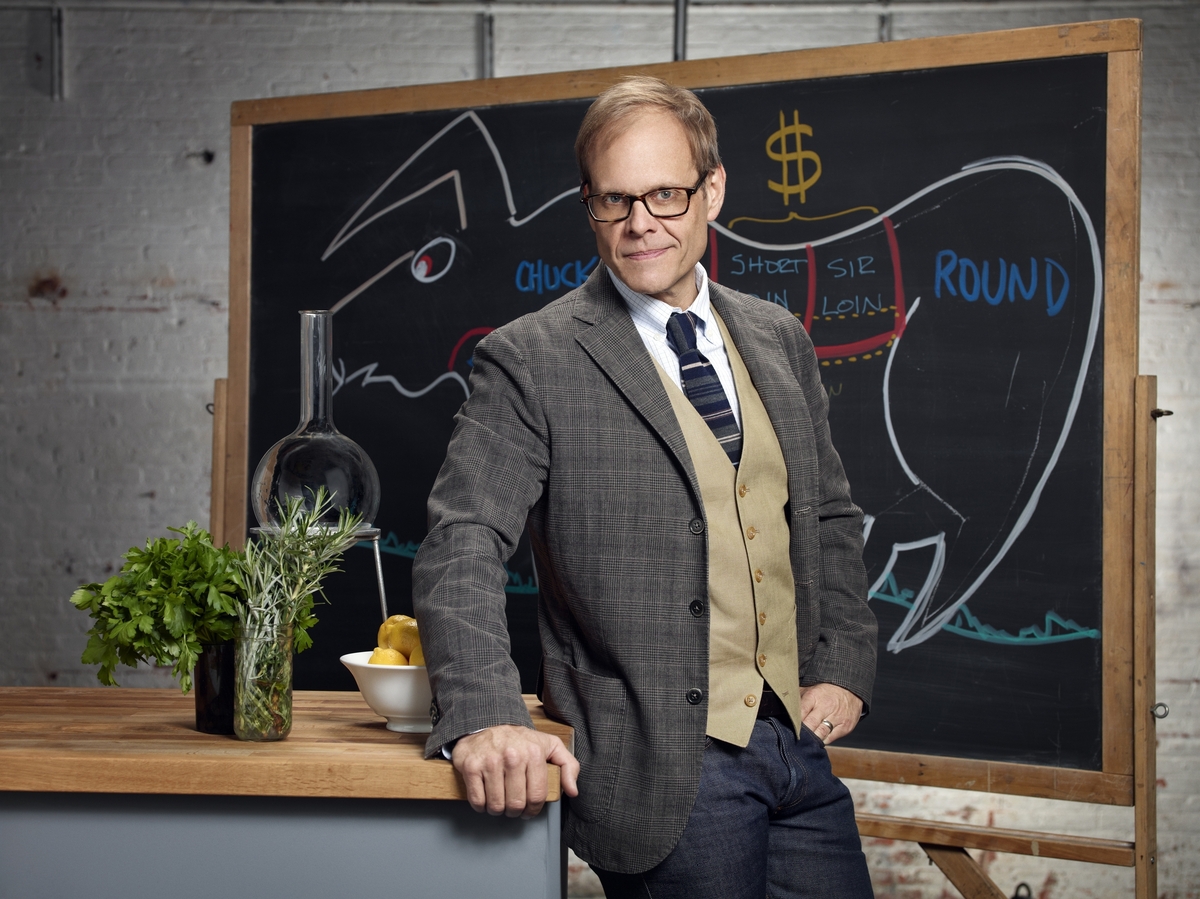
Alton Brown remains a central figure in culinary media, having transitioned from his iconic role as the host of Good Eats to a multifaceted creator, author, and independent producer. While he maintains a collaborative relationship with the Food Network—occasionally returning for specific projects and specials—he has shifted his professional focus toward digital independence, live touring, and long-form intellectual content rather than maintaining a permanent, exclusive broadcast presence on the channel.
Defining the Relationship: A Strategic Transition
To understand what happened to Alton Brown on Food Network, one must view his trajectory not as a departure or a dismissal, but as a career evolution. Brown’s tenure on the network defined an era of "culinary science" programming. His flagship show, Good Eats, which premiered in 1999, fundamentally changed the landscape of educational cooking television. Over the following two decades, he served as a host, judge, and commentator for various high-profile programs, including Iron Chef America, Cutthroat Kitchen, and Chopped.
By the late 2010s, Brown began to prioritize his autonomy. He increasingly leaned into live stage performance—which allowed for a more direct connection with his audience—and independent digital ventures. His "exit" from the network was never a formal severance; rather, it was a move away from the traditional, rigid production cycle of cable television toward a model that allowed him more creative control over the intellectual property he produces.
The Cultural Impact of Good Eats and Its Successors
The primary reason for the persistent interest in Brown's status is the profound impact of Good Eats. By explaining the chemistry, physics, and history behind food, Brown elevated the standard for cooking shows. This intellectual approach fostered a deeply loyal audience that viewed him as an educator as much as an entertainer.
When the network moved toward a more reality-based, competition-heavy programming schedule, the tone of Brown’s contributions changed. Shows like Cutthroat Kitchen leaned into the chaos of the kitchen environment rather than the precision of the laboratory. While these programs were commercial successes, they represented a shift in the network's identity that diverged from the instructional focus that originally defined Brown’s partnership with Food Network.
Current Professional Focus in 2026
In 2026, Alton Brown operates with a high degree of agency. He has pivoted toward several core pillars:
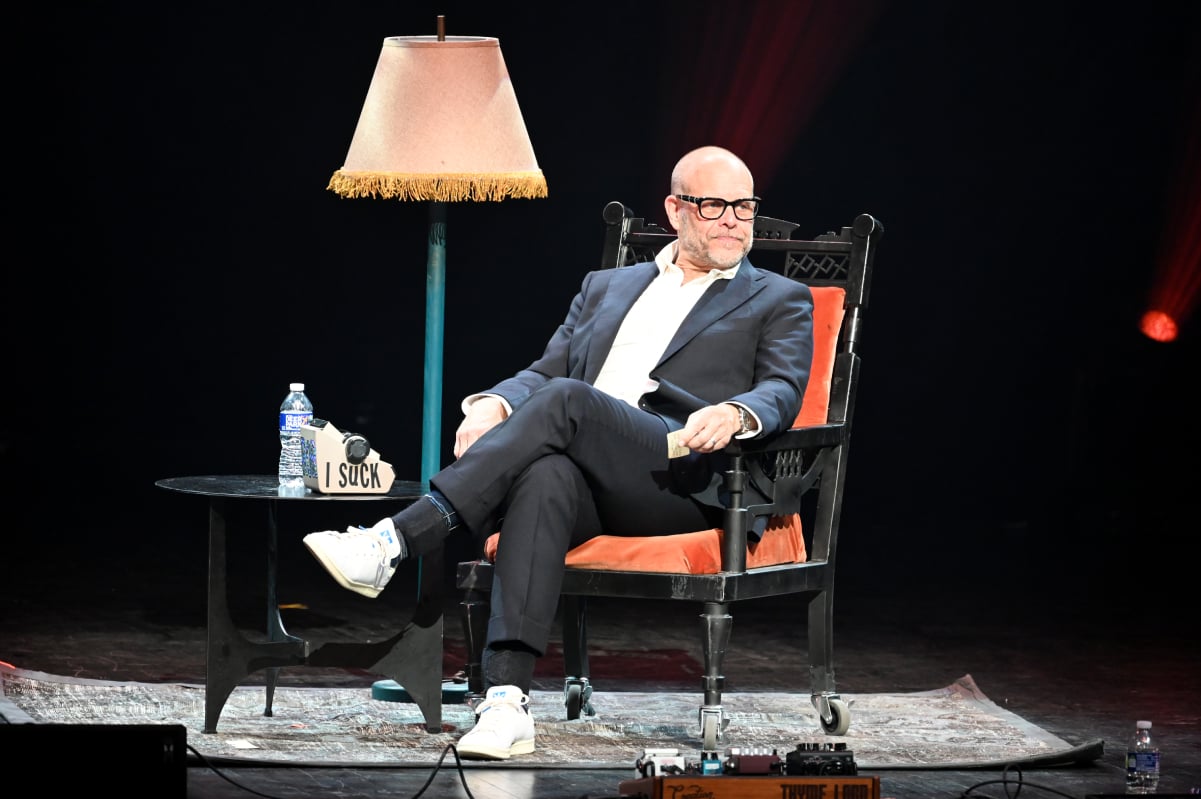
- Live Touring: Brown has successfully monetized his brand through large-scale, multi-city stage tours that combine culinary experiments, music, and audience participation. These events are independent of network oversight.
- Independent Publishing: He continues to write and release books that catalog his culinary philosophy, ensuring he retains full ownership of his intellectual output.
- Digital Content: Through his own channels and modern media platforms, he produces content that does not adhere to the constraints of the 30-minute television format, allowing for deeper dives into complex techniques.
Despite these independent ventures, Brown remains a "friend of the brand." He occasionally appears on Food Network for legacy-based programming or specific events where his presence aligns with the network's strategic goals.
Comparison of Programming Models
The following table illustrates the shift in the types of content Brown has prioritized throughout his career, highlighting why his role on Food Network has evolved.
| Program Type | Focus | Primary Goal | Relationship to Network |
|---|---|---|---|
| Good Eats | Science & Chemistry | Education | Core Production |
| Cutthroat Kitchen | Competition & Chaos | Entertainment | Talent/Host |
| Live Stage Tours | Experiential | Personal Connection | Independent |
| Digital Media | Deep-dive Instruction | Niche Education | Self-Produced |
Addressing Misconceptions About "Leaving"
There is a common perception in media circles that a host must either be a permanent employee of a network or have been "fired." In the case of professional talent like Alton Brown, the reality is far more fluid. Talent of his caliber often moves into a "consultant" or "independent creator" status.
Food Network, like many cable entities, has seen a transition toward shorter-form, high-velocity content, while Brown has moved toward long-form, evergreen content that sustains interest over decades. This is not a conflict, but a divergence of business models. Brown continues to maintain amicable public relations with the network, often engaging in promotional crossovers when it serves both parties' interests.
The Role of Creative Control
For a creator who has spent decades building a specific "brand" of intellectual culinary instruction, the primary requirement for any ongoing work is creative autonomy. Television networks operate on strict demographic data, production budgets, and advertising requirements. These constraints often clash with the desire to perform long-form, complex demonstrations that may not fit a traditional 22-minute runtime (excluding commercials).
By moving his creative center outside the network, Brown regained the ability to dictate the length, tone, and subject matter of his content. He is no longer tethered to the "network voice," which allows him to cater directly to his long-standing, intellectually curious fan base.
Frequently Asked Questions
Did Alton Brown get fired from Food Network?
No. There is no evidence or record of Alton Brown being fired from the network. His professional transition represents a shift in his business model toward independent production and live performance rather than a termination of his contract by the network.
Will Alton Brown ever return to Food Network?
Brown has not left the network permanently in a legal or professional sense. He has appeared on the network periodically for special events and continues to be associated with the brand’s history. Future appearances depend entirely on the alignment of specific project goals between his independent production company and the network.
Why is there less of Alton Brown on television today?
The landscape of food media has changed significantly. In 2026, audience attention is fragmented across streaming platforms, social media, and live events. Brown has followed the audience to these platforms, choosing mediums that allow for more creative depth than traditional cable television currently provides.
Does Alton Brown still own the rights to his shows?
The ownership rights of his television programs, such as Good Eats, generally rest with the production companies and the network that funded them. By transitioning to independent work, Brown is building a new catalog of intellectual property that he owns and controls fully, avoiding the licensing issues of his earlier television career.
How does Alton Brown make money now?
His revenue is diversified across multiple streams: ticket sales from his live national tours, revenue from his published books and digital products, and production fees for independent content creation. This diversification makes him less dependent on traditional broadcast television salaries.
Next Steps for Fans of His Work
To follow the most accurate and up-to-date information regarding his projects, followers should look toward his official website and verified social media channels. Unlike the broadcast era, where information was disseminated through television commercials and network press releases, his 2026 footprint is decentralized. If you are looking for his specific instructional content, prioritize his independent books and digital archives, which represent his most current and unfiltered culinary perspective.