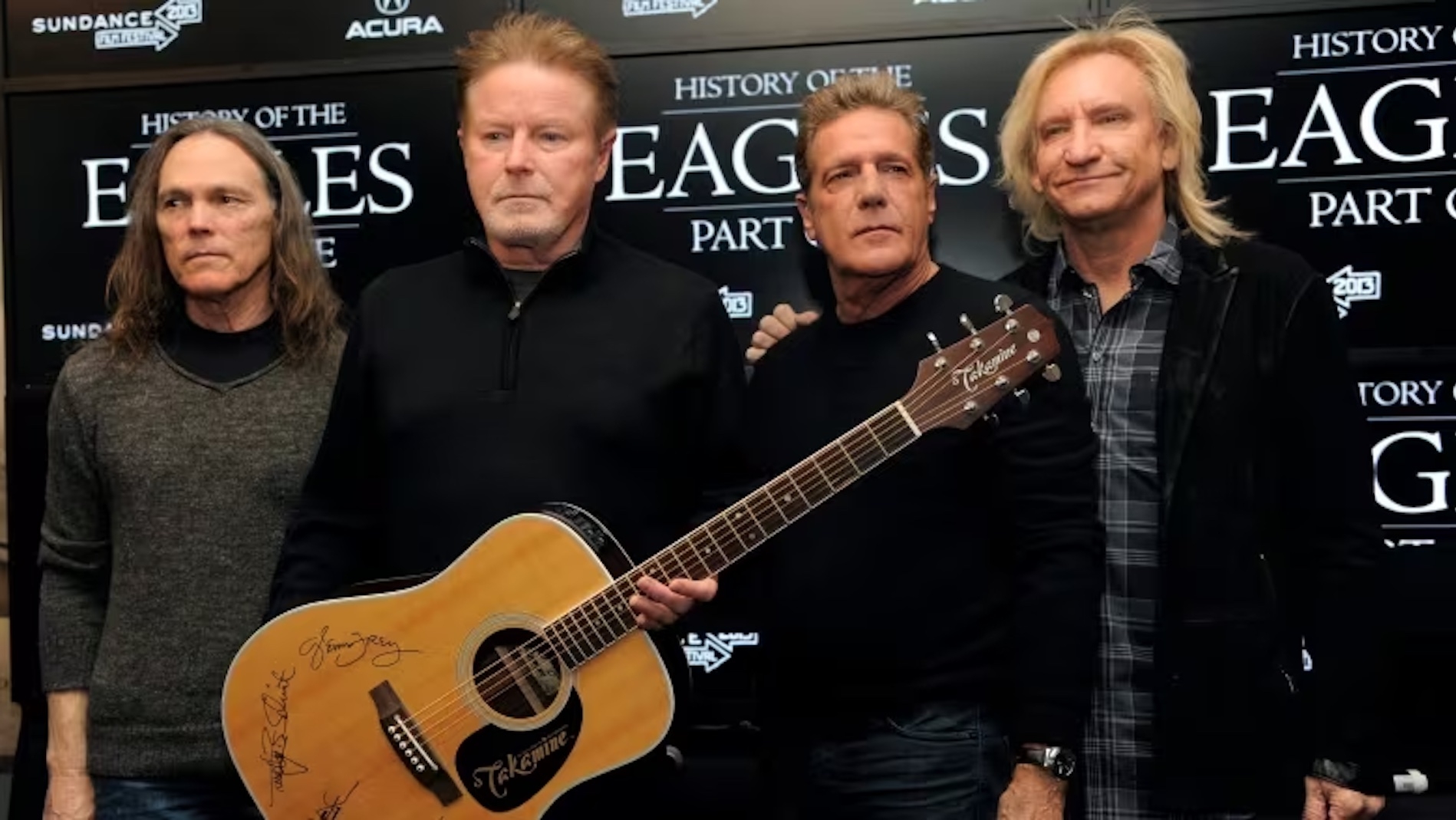
The Eagles, one of the most commercially successful bands in history, saw the passing of their founding member and guitarist, Glenn Frey, on January 18, 2016. Frey, who co-founded the group in 1971 and was a primary songwriter, died at the age of 67 due to complications from rheumatoid arthritis, acute ulcerative colitis, and pneumonia. While the band has featured various members since its inception, Glenn Frey is the only founding member to have passed away.
The Role of Glenn Frey in the Eagles
Glenn Frey was not merely a performer within the Eagles; he was a foundational architect of the "California sound" that defined the 1970s. Alongside Don Henley, Frey formed the core songwriting partnership that produced the band's most iconic hits, including "Take It Easy," "Desperado," and "Hotel California." His influence extended beyond composition; as a guitarist, vocalist, and keyboardist, his versatility allowed the band to navigate the transition from country rock to a more sophisticated, hard-edged pop-rock sound.
Frey’s death marked a profound shift for the organization. As a founding member, his departure necessitated a complex evaluation of the band's future, leading to a period of uncertainty regarding whether the group could continue to record or tour. His career was marked by a specific work ethic and attention to production detail that characterized the band's output throughout their studio albums, including Eagles, On the Border, and One of These Nights.
Details Surrounding the Passing
The health struggles that led to Glenn Frey’s death were serious and multifaceted. Reports confirmed that his passing occurred at the Columbia University Medical Center in New York City. The combination of medical complications—rheumatoid arthritis, acute ulcerative colitis, and pneumonia—was exacerbated by the side effects of medications used to treat these conditions over a long period.
The medical context of his passing serves as a reminder of the toll that intensive touring and long-term health management can take on high-profile performers. The band had postponed several public appearances in late 2015 to allow for a major surgery that Frey required, which ultimately led to the complications that proved fatal. His passing was officially announced by the Eagles through their management and representatives, ending months of speculation regarding his health status.
Comparison of Founding and Long-term Eagles Members
The Eagles have experienced numerous lineup changes since their formation in 1971. When discussing the members of the Eagles, it is helpful to distinguish between the founding era and the expanded iterations of the group.
| Member Name | Status/Role | Tenure |
|---|---|---|
| Glenn Frey | Founder, Guitar/Vocals | 1971–1980, 1994–2016 |
| Don Henley | Founder, Drums/Vocals | 1971–1980, 1994–Present |
| Bernie Leadon | Founder, Guitar/Mandolin | 1971–1975 |
| Randy Meisner | Founder, Bass/Vocals | 1971–1977 |
| Joe Walsh | Guitar/Vocals | 1975–1980, 1994–Present |
| Don Felder | Guitar/Vocals | 1974–1980, 1994–2001 |
| Timothy B. Schmit | Bass/Vocals | 1977–1980, 1994–Present |
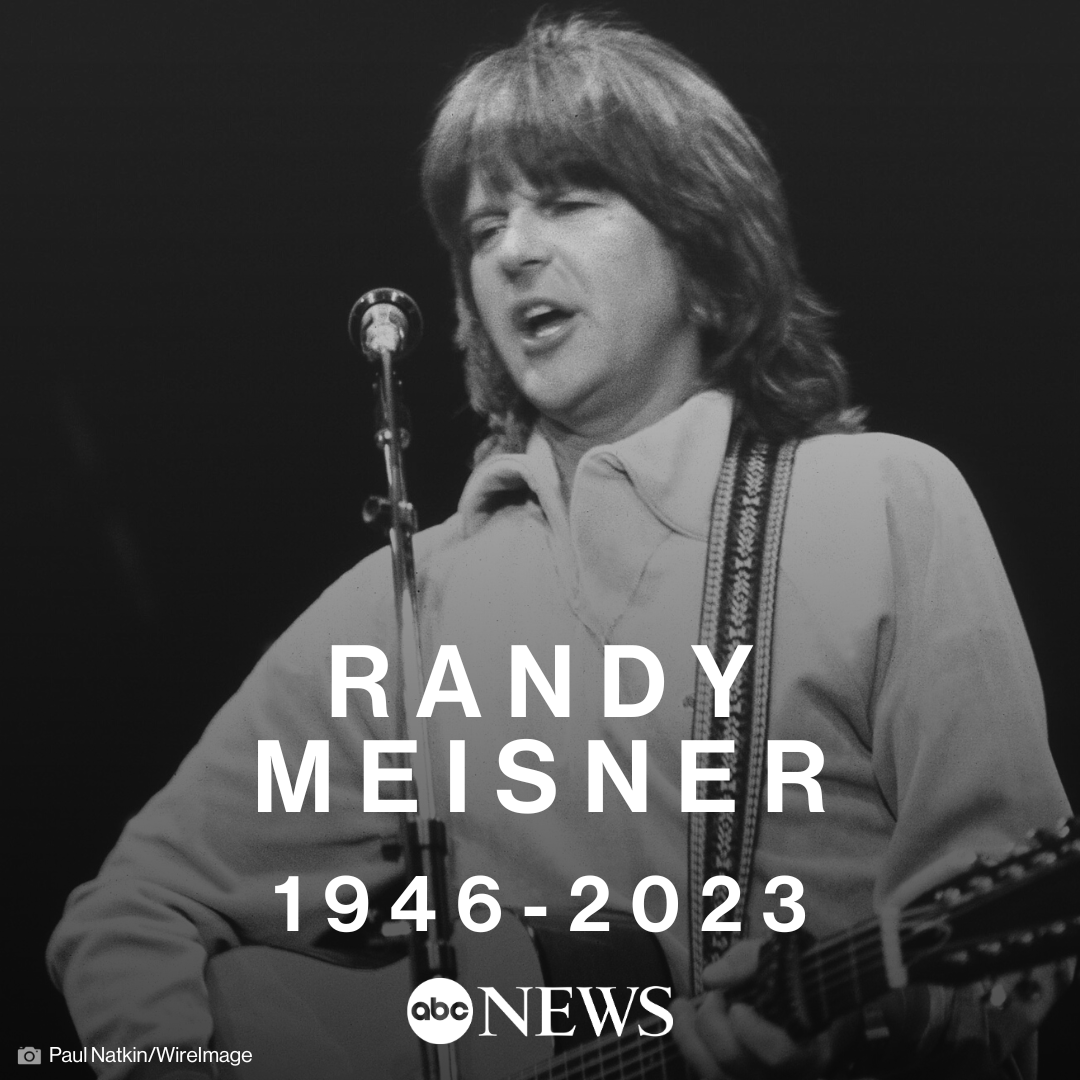
The table above illustrates the core members who contributed to the band's height of popularity in the 1970s. While other members have passed away since, such as Randy Meisner in 2023, Glenn Frey remains the sole founding member to have died.
The Continuity of the Eagles Legacy
Following the death of Glenn Frey, the remaining members faced the question of how to honor his memory while maintaining the group’s professional obligations. The band eventually decided to continue performing, eventually bringing in Deacon Frey—Glenn’s son—to participate in their tours as a vocalist and guitarist. This decision allowed the organization to maintain a familial connection to its origins while honoring the music that Glenn Frey had been instrumental in creating.
The continuity of the band also relies on the ongoing stewardship of their catalog. Don Henley, as the other primary architect of the Eagles, has taken a lead role in managing the band's legacy, protecting their intellectual property, and ensuring that the high production standards set in the 1970s are upheld in live performances and archival releases.
Impact on Music History
Glenn Frey’s death prompted a massive outpouring of tributes from the music industry, highlighting his role as a bridge between the folk-rock movement and mainstream arena rock. His contributions are often cited in the context of the band’s commercial dominance; with albums like Their Greatest Hits (1971–1975) holding records for the highest-selling album in the United States for many years, his influence on the industry is measurable both in cultural relevance and financial terms.
The legacy of the Eagles is inextricably linked to the specific creative chemistry between Frey and Henley. This partnership was characterized by a meticulous approach to song structure, vocal layering, and harmonic composition. Understanding the loss of Glenn Frey requires acknowledging that the "Eagles sound" was as much about his specific vision as it was about the individual talents of the other members.
Frequently Asked Questions
Did any other founding members of the Eagles die?
Yes. While Glenn Frey was the first founding member to pass away, founding bassist and vocalist Randy Meisner also died in July 2023. However, regarding the specific question of the primary loss that redefined the band's core structure in 2016, Glenn Frey is the individual most commonly identified.
Was the band active at the time of Glenn Frey’s death?
Yes. The Eagles were in the midst of an extensive touring career and had recently concluded the "History of the Eagles" tour, which spanned several years and documented the rise and evolution of the band. His illness forced the cancellation of planned appearances, leading to the eventual announcement of his passing.
Who replaced Glenn Frey in the Eagles?
The Eagles did not look for a direct "replacement" for Glenn Frey in the sense of hiring a new songwriter to fill his specific vacancy. Instead, the band eventually recruited his son, Deacon Frey, to perform his father’s vocal parts and guitar lines during live tours, maintaining the integrity of the original arrangements.
What was the cause of Glenn Frey’s death?
Glenn Frey died from complications associated with rheumatoid arthritis, acute ulcerative colitis, and pneumonia. These conditions were managed over a prolonged period with medications that can compromise the immune system, leading to severe respiratory complications during his final hospitalization.
How did the band decide to continue after 2016?
The decision to continue was made by the surviving members, primarily Don Henley, Joe Walsh, and Timothy B. Schmit, along with management. They viewed the continuation of the band as a way to preserve the legacy of the music and satisfy the sustained demand from fans, provided they could honor the original sound.
Next Steps for Following the Eagles' History
For those interested in the historical documentation of the band, the primary source remains the 2013 documentary History of the Eagles. It provides the most comprehensive, band-authorized look at their formation, the internal conflicts that led to their 1980 breakup, and their eventual reunion.
If you are researching the financial or catalog legacy of the band, official press releases from the band’s representative label or the Recording Industry Association of America (RIAA) provide the most accurate data on album certifications and sales figures. To track current tour information or band status in 2026, rely solely on the band’s verified official digital platforms to avoid misinformation regarding lineup changes or concert dates.