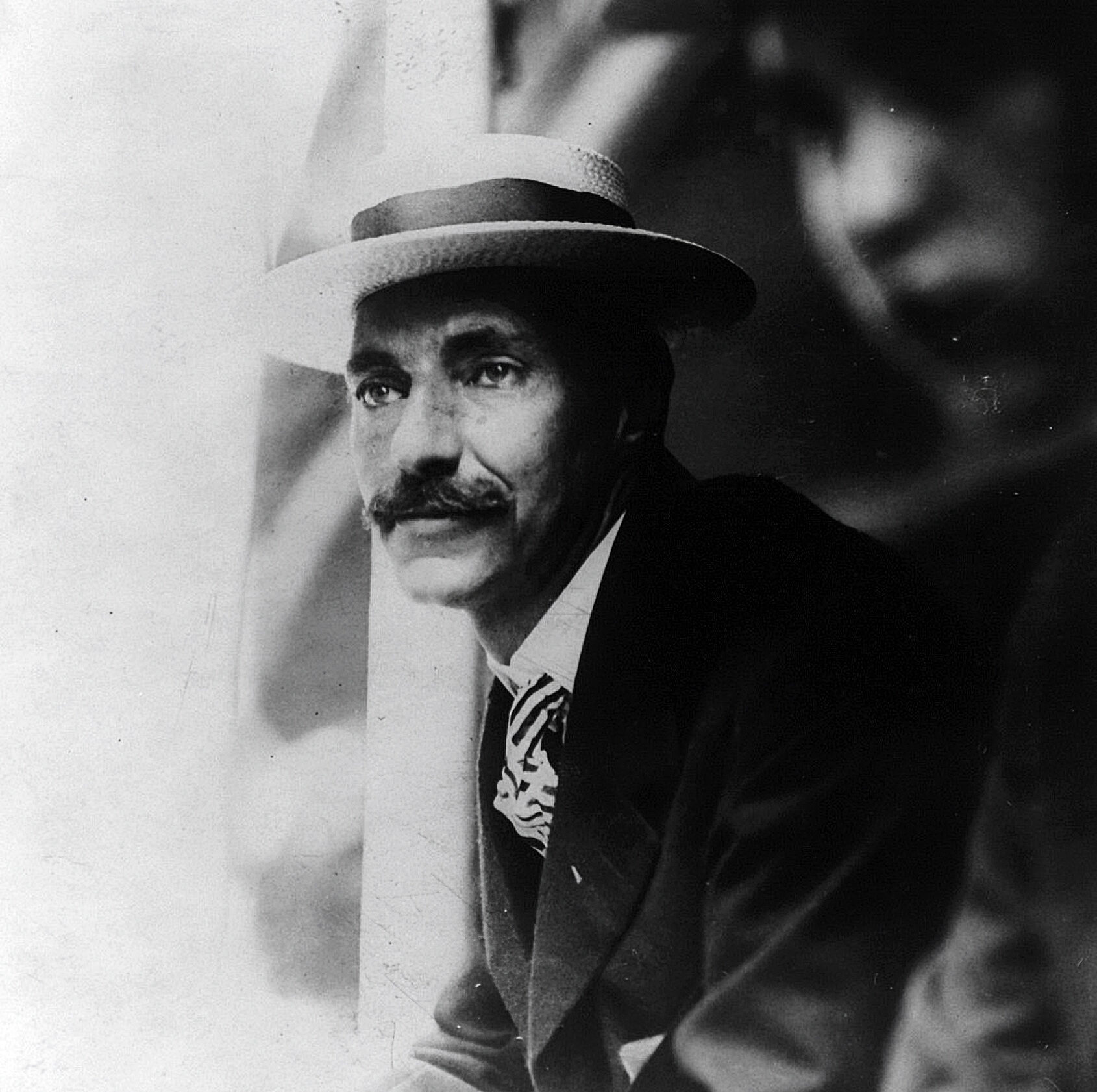
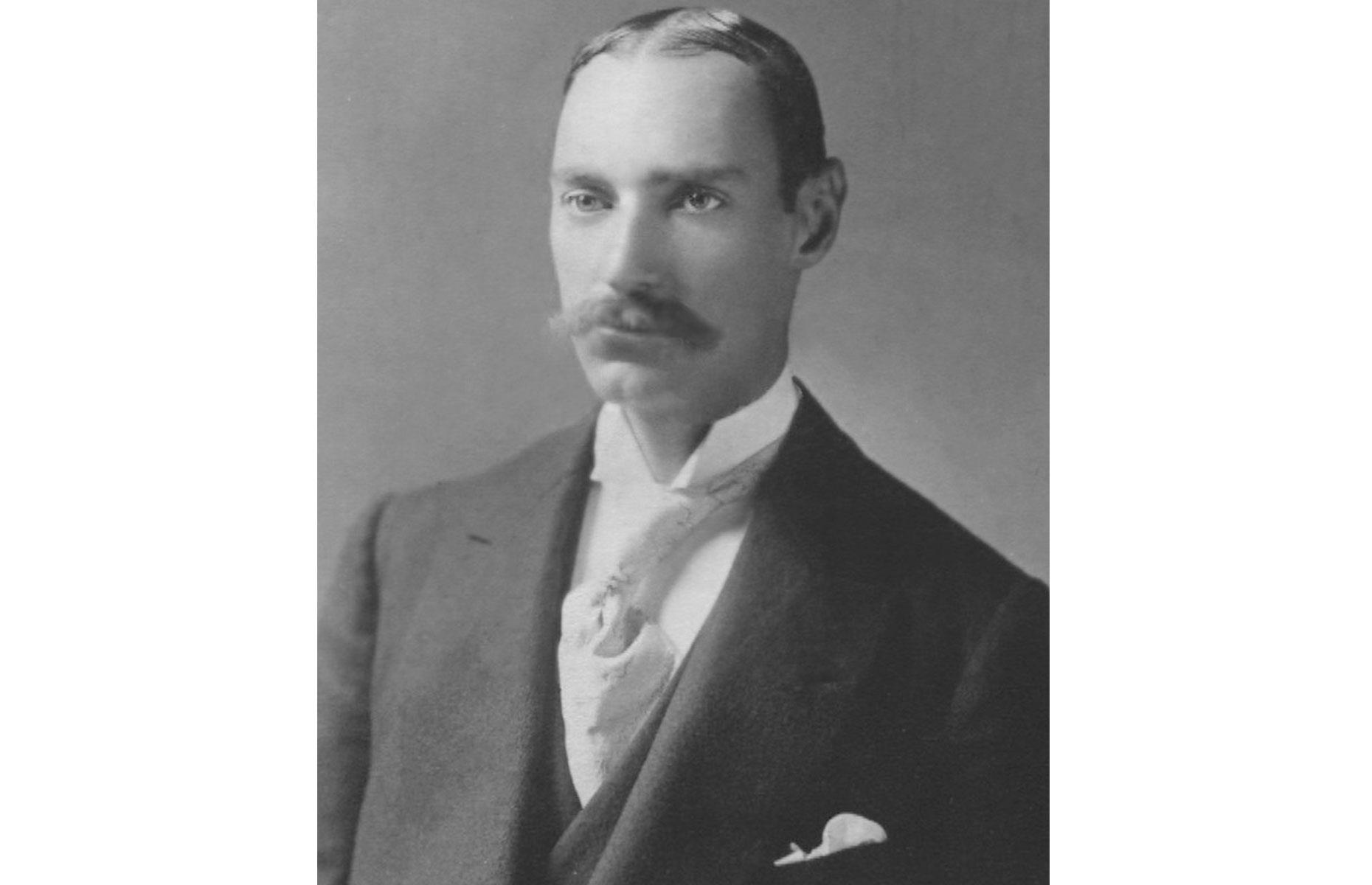
Colonel John Jacob Astor IV was the specific member of the prominent Astor family who perished aboard the RMS Titanic during its maiden voyage in April 1912. As a businessman, inventor, and lieutenant colonel in the Spanish-American War, he was widely considered the wealthiest passenger on the ship, making his loss one of the most publicized tragedies of the disaster.
The Background of John Jacob Astor IV
John Jacob Astor IV (born July 13, 1864) was the great-grandson of the patriarch John Jacob Astor, the German-American fur trader who established the family’s immense fortune. By the early 20th century, the Astor family name was synonymous with American industrial wealth, real estate holdings in New York City, and significant social influence.
John Jacob Astor IV distinguished himself not only through the management of the family’s estate—which included the construction of the Astoria Hotel, later combined with the Waldorf Hotel to create the iconic Waldorf-Astoria—but also through his interest in science and technology. He held several patents, including a bicycle brake and a pneumatic machine for road improvement. Furthermore, he authored a science fiction novel titled A Journey in Other Worlds in 1894, which explored futuristic technology and planetary exploration.
The Titanic Journey and Circumstances
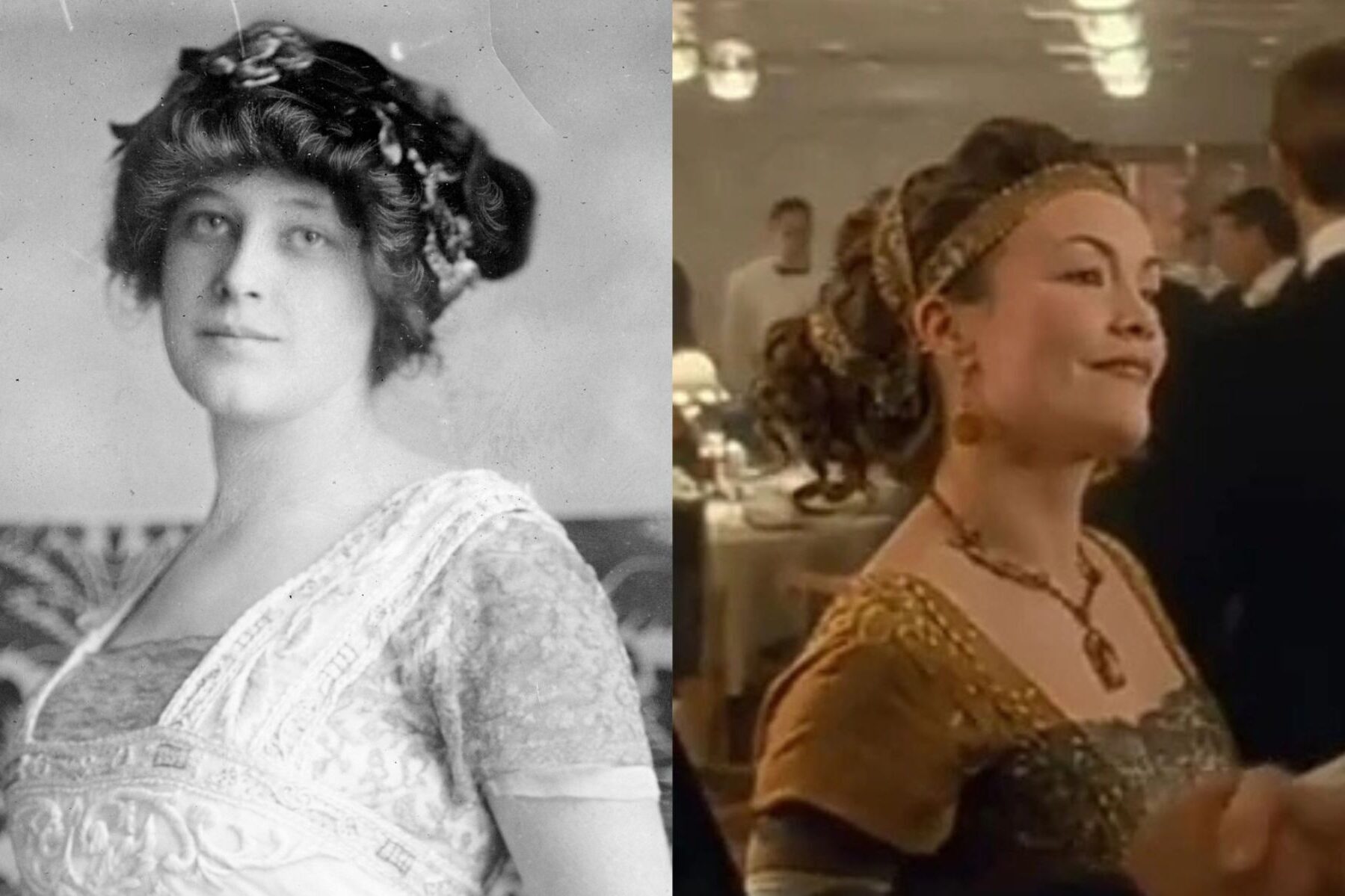
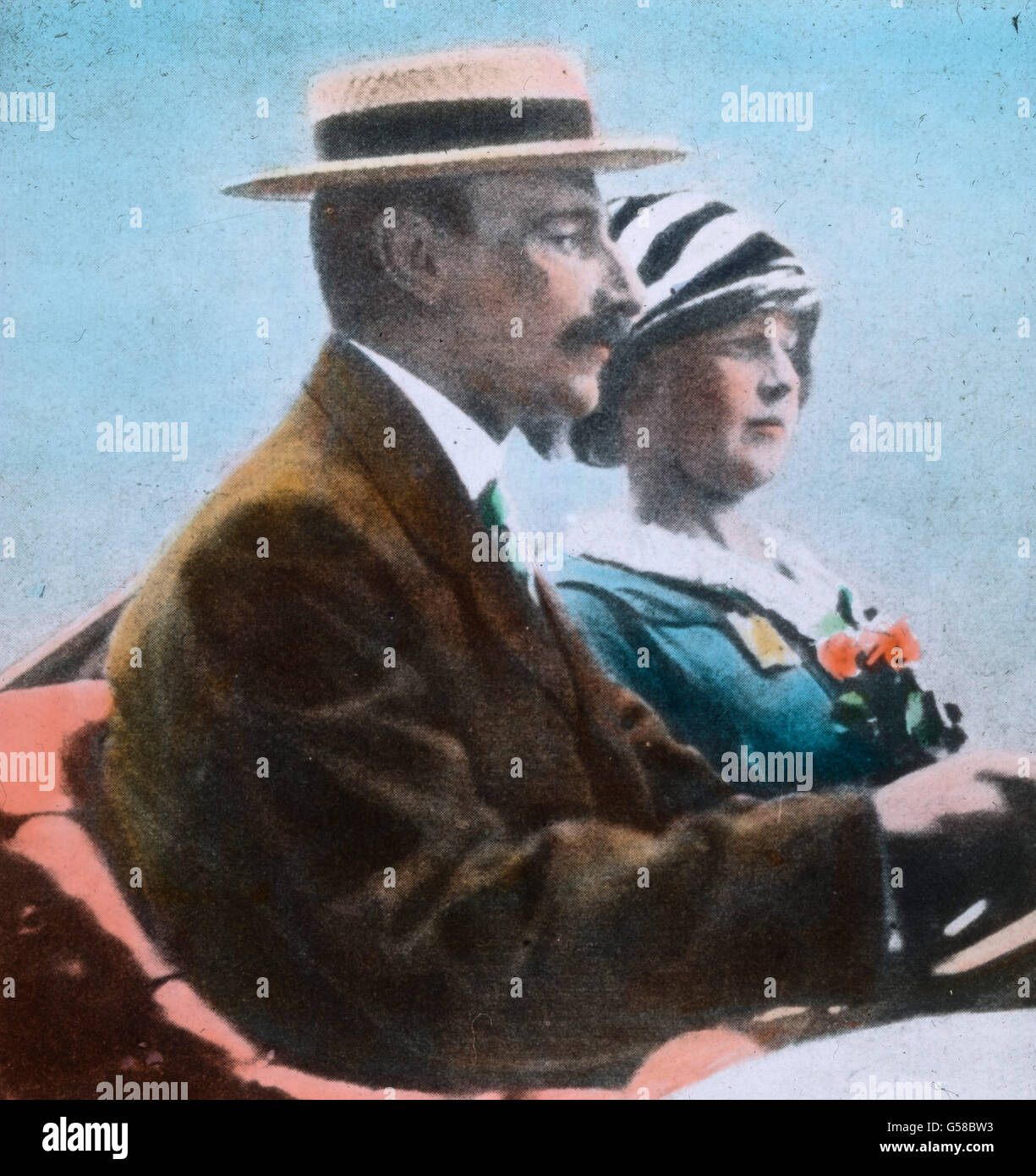
In 1912, Astor was 47 years old and returning to the United States from an extended honeymoon in Europe. He was accompanied by his second wife, Madeleine Talmage Force, who was nineteen years old and pregnant at the time. The couple had married in September 1911 in a controversial union that defied the social norms of the New York elite, prompting them to spend significant time abroad to avoid the intense media scrutiny of the era.
They boarded the RMS Titanic at Cherbourg, France, on April 10, 1912, occupying some of the ship's most luxurious first-class accommodations. For passengers of their status, the ship represented the pinnacle of maritime engineering and opulence. However, when the ship struck an iceberg at 11:40 p.m. on April 14, the voyage took a tragic turn.
The Final Hours: A Detailed Account
Following the collision, Astor was informed of the danger by Captain Edward Smith. He remained notably calm throughout the evacuation process, according to survivor testimonies. He assisted his wife into Lifeboat 4 and reportedly inquired if he could join her due to her "delicate condition." Upon being informed by Second Officer Charles Lightoller that no men were permitted in the boats while women and children remained on deck, Astor stepped back, did not attempt to force his way into a boat, and reportedly lit a cigarette, standing aside to allow others to pass.
Historical records suggest he was last seen on the starboard boat deck. His body was eventually recovered from the Atlantic by the cable ship Mackay-Bennett on April 22, 1912. He was identified by the initials sewn into his clothing and his gold pocket watch, which remains a significant artifact in maritime history. He was later interred in the Trinity Church Cemetery in Manhattan.
Financial and Social Impact of the Loss
The death of John Jacob Astor IV sent shockwaves through the financial and social sectors of the United States. His death left a massive power vacuum in the family’s real estate and business empire. His son, Vincent Astor, inherited a significant portion of the fortune and subsequently took a more active role in the family’s charitable and business ventures.
The tragedy also highlighted the stark class divisions present on the vessel. While 1,500 people perished, the loss of a figure as prominent as Astor provided the public and the press with a focal point for the tragedy. It served as a stark reminder that even those with immense wealth and influence were subject to the same risks as the steerage passengers when faced with the catastrophe of the sinking.
Comparative Perspective on First-Class Passengers
The following table summarizes the stature of key individuals aboard the RMS Titanic, placing Astor's presence within the context of the ship's elite passengers.
| Passenger Name | Known Status | Fate |
|---|---|---|
| John Jacob Astor IV | Multi-millionaire businessman | Perished |
| Benjamin Guggenheim | Mining magnate | Perished |
| Isidor Straus | Co-owner of Macy's | Perished |
| J. Bruce Ismay | Chairman of White Star Line | Survived |
| Margaret "Molly" Brown | Socialite/Philanthropist | Survived |
This comparison highlights that while some high-profile individuals survived, many of the era's most powerful men followed a code of chivalry that arguably influenced their decision to remain on board as the ship went down.
Legacy and Historical Preservation
Since the disaster in 1912, the name Astor has remained inextricably linked to the Titanic. In 2026, historians and researchers continue to analyze the manifests and personal effects of the passengers to maintain an accurate record of the event. The Waldorf-Astoria, which Astor helped develop, stands as a architectural monument to the era of wealth and innovation he represented.
Beyond his death, the investigation into the sinking led to significant changes in maritime law. The creation of the International Convention for the Safety of Life at Sea (SOLAS) in 1914 was a direct response to the inadequate safety protocols displayed during the Titanic’s final hours. Regulations regarding lifeboat capacity, wireless telegraphy equipment, and passenger safety drills were overhauled, ensuring that the legacy of those lost—including Astor—led to lasting improvements in global ocean travel safety.
Frequently Asked Questions
Was John Jacob Astor IV the only member of his family on the Titanic?
Yes, he was the only member of the Astor family aboard the RMS Titanic. His wife, Madeleine, was also on board and survived the sinking, eventually being rescued by the RMS Carpathia.
How did the sinking of the Titanic affect the Astor estate?
The sinking triggered massive legal and financial adjustments. His son, William Vincent Astor, inherited the majority of the fortune. The transition of this wealth played a role in the continuation of the family's influence in New York City real estate throughout the 20th century.
Did John Jacob Astor IV try to escape on a lifeboat?
Evidence suggests Astor followed the "women and children first" protocol. When he was denied entry into a lifeboat, he reportedly stepped aside quietly, never attempting to board against orders, despite his stature and resources.
What happened to Astor’s body after the sinking?
His body was recovered by the crew of the Mackay-Bennett, a vessel chartered to recover victims. He was identified by the personal effects found on his person, including a gold watch and expensive jewelry, and he was returned to New York for burial at Trinity Church Cemetery.
Are there any remaining personal effects of John Jacob Astor IV in 2026?
Several items, including his pocket watch and cuff links, have been preserved by family members and historians. These items are occasionally featured in maritime exhibitions detailing the history of the Titanic and the lives of its most prominent passengers.
Next Steps for Researching Titanic History
For those interested in further investigating the life of John Jacob Astor IV or the technical specifications of the Titanic, it is recommended to consult the archives maintained by the National Archives and Records Administration (NARA) in the United States or the British National Archives. Additionally, the Titanic Historical Society provides extensive collections of verified passenger data and investigative reports. When reviewing historical documents, ensure they are dated and attributed to reputable organizations to avoid the proliferation of myths surrounding the disaster.