Venice Finance refers to a specialized segment of wealth management and project finance centered on high-value asset protection and historical real estate investment within the Venetian jurisdiction. It primarily addresses the unique fiscal, regulatory, and conservation-related requirements for managing capital and property in an area where heritage preservation laws significantly influence financial liquidity, tax obligations, and long-term asset development strategies.
The Economic Landscape of Historical Venice
The financial environment in Venice is dictated by the intersection of traditional European banking standards and the highly specific constraints imposed by the Italian Ministry of Culture and local authorities. Unlike standard urban real estate markets, property in Venice is subject to stringent vincoli architettonici (architectural constraints) that dictate every aspect of maintenance, renovation, and utility.
Investors participating in this niche must reconcile conventional financial performance metrics with the elevated operational costs of water-based logistics, specialized historical masonry, and recurring flood mitigation efforts. Financial planning here requires a long-term horizon; the liquidity of an asset is often tied to the historical preservation status of the property, which can either exponentially increase valuation or restrict the ability to perform structural modifications.
Navigating Regulatory and Tax Compliance
Financial operations involving Venetian assets require a robust understanding of both national Italian tax law and specific regional ordinances. The primary legal framework for property acquisition and maintenance is rooted in the Codice dei Beni Culturali e del Paesaggio. For private investors and corporate entities, the financial structure of a project must account for significant tax incentives designed to encourage the restoration of historical facades and interiors.
However, these incentives are rarely automatic. They require rigorous documentation, certified historical impact assessments, and adherence to material-specific guidelines. Failure to comply with these bureaucratic requirements can lead to heavy fines or the revocation of structural permits, effectively freezing the financial utility of the asset. Furthermore, international investors must navigate the complex interplay of bilateral tax treaties to ensure that capital gains or rental income generated within the Venetian lagoon are taxed efficiently without unnecessary double-taxation burdens.
Risk Assessment in Asset Protection
Risk management within Venice Finance differs substantially from mainland European markets due to the environmental and structural variables inherent to the city. The primary financial risks are categorized into three distinct domains:
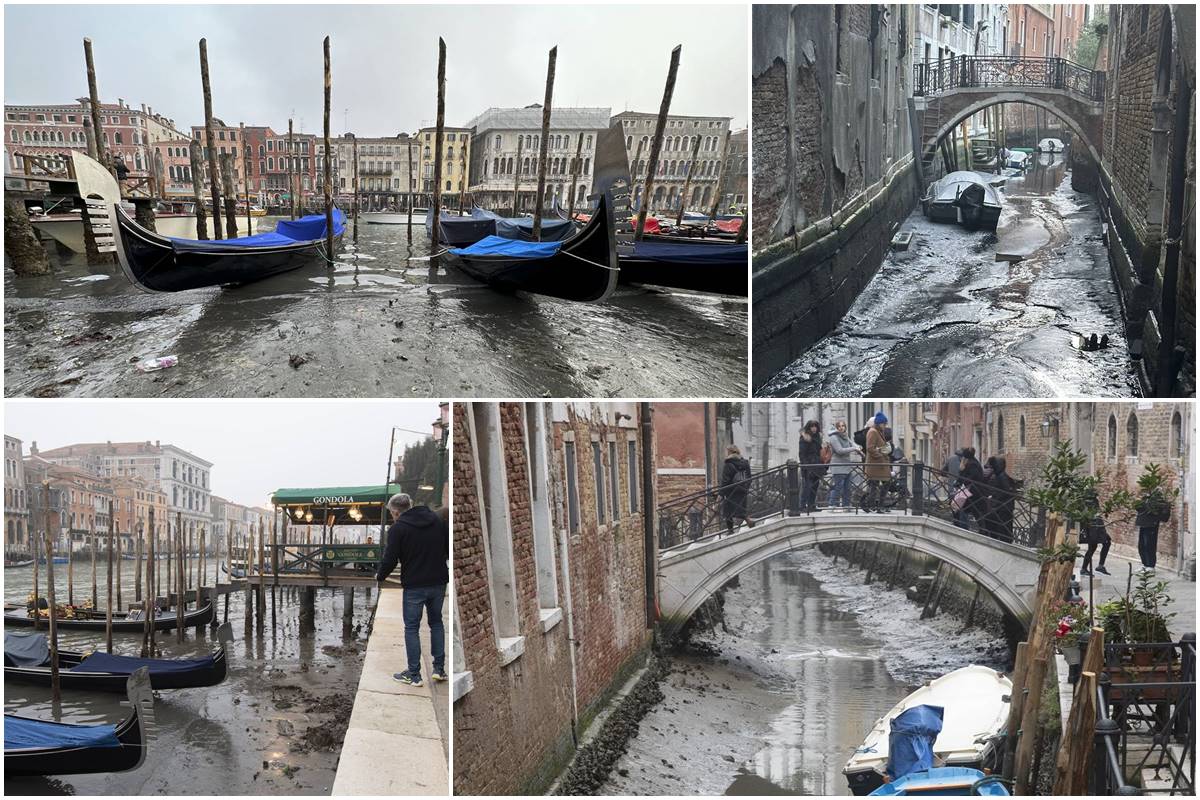
- Environmental Volatility: The management of flood events (Acqua Alta) is a constant variable. Financial risk mitigation involves investing in advanced automated barrier systems or elevated infrastructure, which represent significant capital expenditures but are essential for insurance eligibility and asset preservation.
- Operational Logistics: The absence of road access necessitates the use of waterborne transport for all building materials, labor, and waste removal. These logistical constraints inflate the operating budget of any restoration or development project by 30% to 50% compared to mainland benchmarks.
- Regulatory Flux: Changes in local tourism policies or municipal zoning updates can impact the feasibility of short-term rental models, a primary revenue stream for many residential assets.
Comparison of Investment Vehicles and Strategies
When evaluating financial entry into the Venetian market, stakeholders often choose between different structural approaches. The choice often depends on whether the goal is capital appreciation through restoration or long-term yield through high-end hospitality or residential leasing.
| Investment Vehicle | Typical Liquidity | Management Complexity | Primary Objective |
|---|---|---|---|
| Direct Property Ownership | Low | Very High | Long-term capital growth |
| Real Estate Holding Company | Moderate | High | Tax efficiency and liability split |
| Restoration/Development Fund | Low | High | Asset appreciation via value-add |
| Hospitality Management Contract | High | Moderate | Operational cash flow |
Direct ownership offers the most control but requires the investor to manage a local network of specialized artisans and legal consultants. Conversely, holding companies or managed funds allow investors to pool capital, shifting the burden of regulatory navigation to institutional managers who specialize in Italian cultural heritage properties.
Operational Prerequisites for Financial Engagement
Before initiating any financial transaction in Venice, institutional and private investors must satisfy a baseline of prerequisites to ensure the legitimacy and viability of the project.
First, a comprehensive Due Diligence Report is required. This report must go beyond standard title searches to include an analysis of existing historical preservation orders and any pending litigation regarding land boundaries or water rights. Secondly, the engagement of a tecnico abilitato—a specialized engineer or architect licensed to work with heritage structures—is a mandatory expense. These professionals serve as the interface between the financial backers and the local Superintendency of Archaeology, Fine Arts, and Landscape.
Finally, establishing a local banking relationship is critical. Italian banks often require local entity formation to facilitate the specific types of escrow arrangements common in Venetian real estate transfers. This process involves proving the provenance of funds and adherence to anti-money laundering (AML) regulations, which are strictly enforced in the context of high-value cultural assets.
Common Pitfalls in Venetian Financial Planning
The most frequent error observed in Venice Finance is the underestimation of the timeline required for permits and authorizations. Standard financial modeling often assumes the construction or renovation cycles common to mainland urban centers. In Venice, the permitting process for even minor exterior work can span 12 to 24 months.
Another frequent failure point is the assumption of insurance coverage. Many standard policies provide limited protection against water damage caused by tidal events. Investors must secure bespoke policies that specifically cover Acqua Alta damages and the unique costs associated with structural subsidence. Relying on generic policies often leaves investors exposed to catastrophic losses during extreme tide events.
Frequently Asked Questions
What are the main tax incentives for property restoration in Venice?
The Italian tax code provides substantial deductions for the maintenance and restoration of buildings designated as having historical or artistic interest. These incentives can cover a significant percentage of certified restoration costs, provided the work is approved by the regional Superintendency and documented by certified professionals.
Why is logistics a major factor in Venetian financial planning?
Venice lacks road infrastructure, meaning all goods, waste, and personnel must travel by canal. This adds a "logistical premium" to all financial forecasts, as labor and material costs are significantly higher due to the reliance on specialized barges, water taxis, and manual labor for transport through narrow canals.
Can non-EU citizens invest in Venetian real estate?
Yes, non-EU citizens can invest, but they must verify the existence of reciprocal treaties between Italy and their home country regarding property ownership. Additionally, the process of opening local bank accounts and navigating the bureaucratic requirements necessitates the assistance of a locally licensed legal representative.
How does flooding affect the insurance valuation of an asset?
Flooding is considered a high-risk factor, and insurance premiums for ground-floor assets are significantly higher than for upper-story properties. Valuation models must subtract the cost of high-level insurance coverage or the capital investment required for waterproof sealing and pumping systems to remain competitive.
Recommended Next Actions
For those considering an entry into this market, the priority must be the assembly of a specialized local advisory team. Do not rely on generalist real estate or financial advisors. You must secure a team consisting of a Venetian-based notaio (notary) to handle the legal transfer of title, a tecnico to evaluate the structural integrity and historical constraints, and a financial advisor familiar with Italian cross-border tax implications. Before committing capital, obtain a formal preliminary assessment from the local Superintendency to determine exactly which modifications are legally permissible for your target asset.