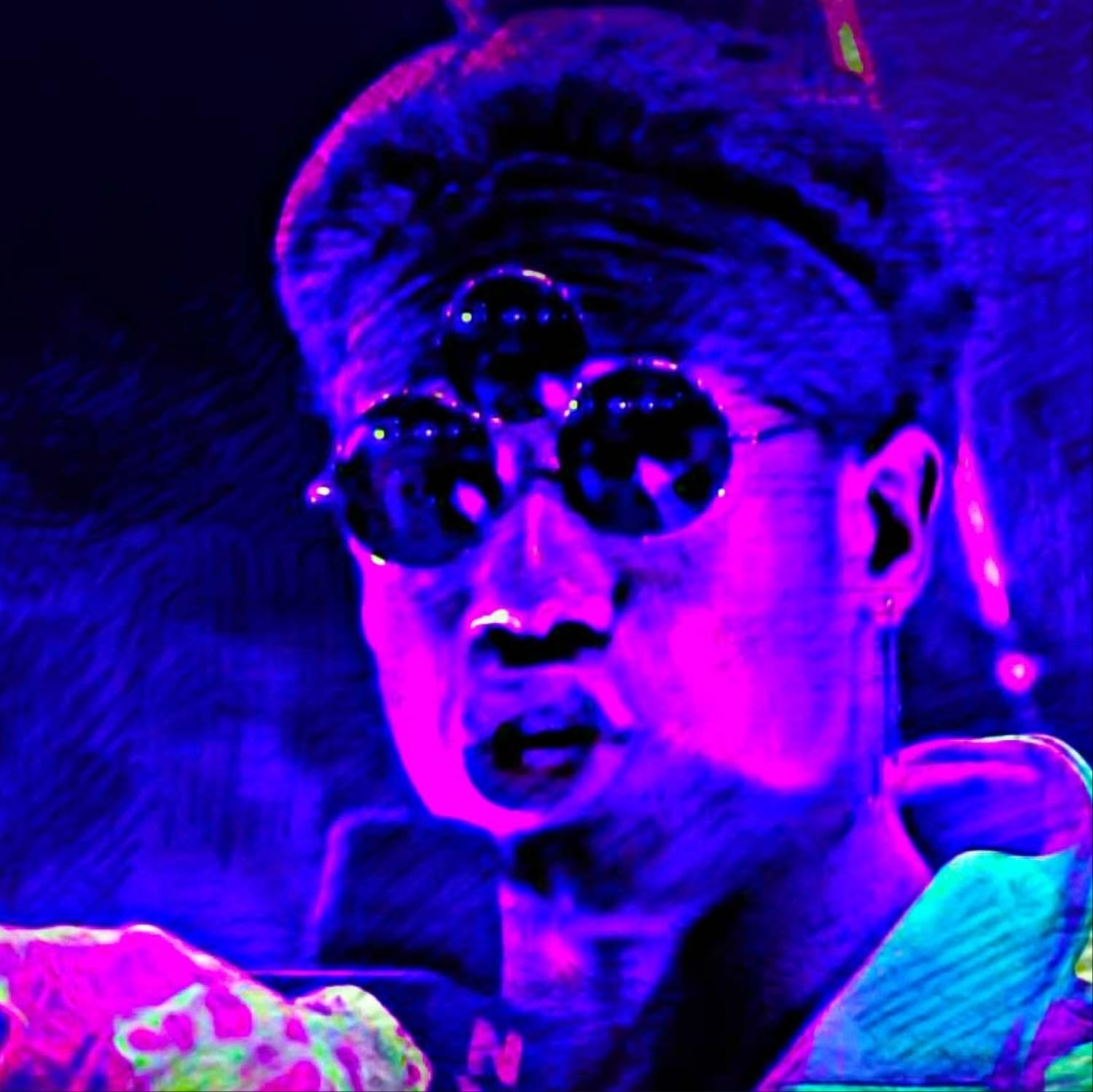
The public persona of the Velveteen Dream, the professional wrestling character portrayed by Patrick Clark Jr., stands as a complex study in character-driven storytelling within the sports entertainment industry. Emerging during his tenure in WWE’s NXT brand, the character utilized themes of androgyny, psychological manipulation, and aesthetic flair, effectively bridging the gap between classic wrestling villainy and modern performance art.
The Genesis of the Persona in NXT
The Velveteen Dream character was introduced in 2017 as a deliberate evolution of Patrick Clark Jr.’s previous work in the independent wrestling circuit. The concept relied on a heavy homage to the flamboyant style of 1980s pop icons, most notably Prince. By adopting a character that leaned into theatricality, the persona challenged traditional "macho" tropes frequently found in professional wrestling.
The character’s identity was characterized by a meticulous attention to visual presentation. From the ring gear—often featuring purple, gold, and tassels—to the deliberate mannerisms and catchphrases, the persona was designed to provoke a reaction from the audience. In the context of NXT’s developmental ecosystem, this allowed Clark to differentiate himself from the more "grounded" or "serious" athletes on the roster. The creative team leveraged this by pairing the character with high-profile storylines, including a breakout rivalry with Aleister Black that cemented the character's status as a credible main-event performer.
Artistic Influence and Narrative Structure
Central to the Velveteen Dream's impact was the fusion of performance art with athletic competition. Unlike traditional villains who relied on physical intimidation, the Dream relied on psychological dissonance. By refusing to conform to the established expectations of a wrestler, the character created a unique "in-ring" energy that was often described by critics as unpredictable.
The narrative arc of the character often revolved around themes of vanity and ego. This provided a flexible framework for the writers to oscillate between hero and villain roles based on the crowd's reaction. Because the audience found the character’s outlandish behavior both irritating and captivating, it resulted in a "tweener" dynamic—a wrestler who occupies the middle ground between a traditional protagonist and antagonist. This ambiguity was not merely a performance choice; it was a tactical tool used to maintain fan engagement throughout long-term feuds.
Evolution and Stylistic Markers
The persona underwent several shifts during its peak years, reflecting the character's evolving psychological state within the storyline. Early iterations focused on pure showmanship, while later versions incorporated more manipulative and condescending traits. These markers included:
- Visual Flair: The frequent use of personalized ring gear that paid tribute to pop culture figures, which served as a recurring visual motif.
- Theatrical Taunts: Using exaggerated, dance-like movements to disrupt the flow of an opponent’s attack.
- Segmented Storytelling: Utilizing pre-recorded promos that felt more like music videos or fashion editorials than standard wrestling interviews.
These elements were not merely aesthetic; they functioned as a barrier between the character and the "real" person, ensuring that the identity remained largely insulated from the scrutiny often faced by performers in the public eye.
Comparison of Performance Dynamics
The following table outlines the key differences between the Velveteen Dream persona and traditional character archetypes commonly found in professional wrestling.
| Feature | Velveteen Dream Persona | Traditional "Strongman" Archetype |
|---|---|---|
| Primary Appeal | Theatricality and Ambiguity | Physical Dominance |
| Reaction Sought | Fascination and Frustration | Respect and Fear |
| Primary Weapon | Psychological Manipulation | Strikes and Submission Holds |
| Visual Aesthetic | Glam-rock inspired, fluid | Industrial, utility-based |
| Role Archetype | Narcissistic Showman | Stoic Warrior |
The Impact of Public Perception and External Factors
By 2020 and into subsequent years, the distinction between the character's persona and the performer's off-screen reputation began to shift. In the professional wrestling industry, a performer's ability to maintain "kayfabe"—the simulation of a staged event as reality—often relies on the audience’s willingness to suspend disbelief. When external controversies or off-screen reports become the focal point of the discourse, the "Velveteen Dream" identity faced significant challenges in retaining its original, mystique-driven appeal.
The evolution of the character was eventually halted by shifts in internal organizational policies and the broader landscape of professional wrestling. By 2026, the persona is viewed retrospectively as a high-water mark for character development in the NXT brand, representing a period where the creative freedom of the developmental territory allowed for bolder, more experimental character archetypes.
Legacy and Influence on Modern Performers
The legacy of the Velveteen Dream is most visible in the way subsequent wrestlers have approached the "gimmick" side of the industry. Many newer performers have adopted the "theatrical intensity" pioneered by the character, realizing that audience investment is often higher when a character possesses a clearly defined, non-traditional visual identity.
The success of the persona demonstrated that audiences in the 2010s and early 2020s were hungry for characters that defied simple binary categorization. While the career of the performer behind the mask took a divergent path, the structural blueprint provided by the character remains a staple in wrestling training schools and developmental programs as a case study in how to build a persona that stands out in a crowded market.
Frequently Asked Questions
What was the core inspiration for the Velveteen Dream character?
The persona was primarily inspired by 1980s pop culture aesthetics, most notably the musical icon Prince. It also drew from the concept of the "glam" subculture, focusing on androgyny and high-fashion elements to contrast with the traditional, rugged aesthetic of professional wrestlers.
Was the Velveteen Dream considered a hero or a villain?
The character was a "tweener," meaning he existed in the gray area between hero and villain. This allowed the character to shift alignments depending on the story requirements, using his narcissism as an irritant for "good" wrestlers and his charisma as a draw for the audience.
How did the character maintain his identity?
The character maintained identity through consistent, stylized promos, specialized ring gear that changed for every major event, and a distinct lack of "sincere" communication with other wrestlers. This guarded, mysterious behavior was intentional, keeping the audience wondering about the character’s true motivations.
Why was the persona considered experimental for NXT?
At the time of his debut, NXT was heavily focused on a "workrate" era, where in-ring technical skill was prioritized over elaborate characters. By pushing a persona that was 90% character-work and 10% pure athleticism, the Velveteen Dream proved that fans could be just as invested in the "entertainment" portion of sports entertainment as the "sports" portion.
What is the current status of the Velveteen Dream identity?
As of 2026, the character is largely retired from active television, serving as a historical reference point for WWE’s developmental era. There is no active promotion or ongoing storyline associated with the persona, and it is viewed as a completed chapter in the developmental brand's history.
Strategic Next Steps for Understanding Character Evolution
To further understand the trajectory of character-based personas in sports entertainment, researchers and fans should examine the archival footage of NXT TakeOver events between 2017 and 2019. These events provide the clearest examples of how the Velveteen Dream persona interacted with different archetypes to generate crowd engagement. Focus on the progression of the character’s entrance music, ring attire, and the evolution of his interview segments, as these served as the primary vehicles for his narrative.