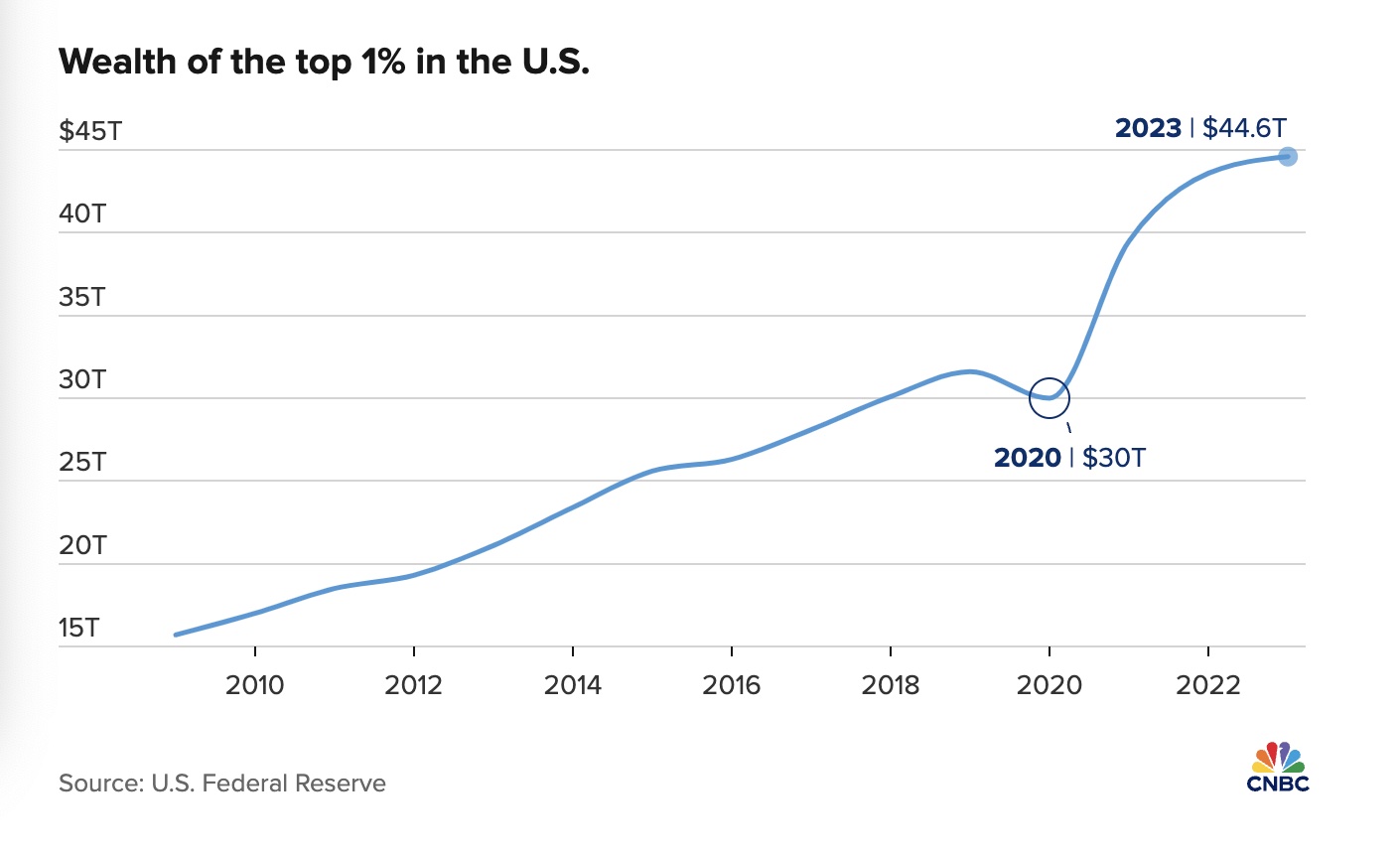
Wealth in the United States is defined by the aggregate value of household assets—including real estate, financial securities, business equity, and retirement accounts—minus all associated liabilities. Understanding the mechanics of American wealth requires examining how households build equity, how tax structures influence capital retention, and the regulatory environment that governs personal and institutional financial holdings as of 2026.
The Composition of Household Wealth
In the American economic context, wealth is rarely held as stagnant cash. Instead, it is typically distributed across a diverse portfolio of assets. For the average household, the primary driver of net worth is real estate equity. As of 2026, residential property remains the most significant component of household balance sheets for the majority of the population. However, high-net-worth individuals and institutional investors often derive a larger share of their wealth from equities, private equity, and fixed-income securities.
Liquid assets, such as savings accounts and money market funds, serve as a buffer against volatility. While these are essential for liquidity, they generally provide lower long-term returns compared to diversified portfolios of stocks and bonds. Understanding this distinction is crucial for wealth preservation, as inflation can erode the purchasing power of cash-heavy portfolios over time.
Regulatory Framework and Tax Implications
The accumulation and transfer of wealth in the United States are subject to a complex web of federal and state regulations. The Internal Revenue Service (IRS) oversees the taxation of wealth through various mechanisms, including capital gains taxes, income taxes on interest and dividends, and estate taxes.
For individuals seeking to grow or protect their wealth, utilizing tax-advantaged accounts is a standard practice. Vehicles such as 401(k) plans, Individual Retirement Accounts (IRAs), and Health Savings Accounts (HSAs) allow for tax-deferred or tax-free growth. Compliance with the limitations of these accounts—specifically annual contribution caps and withdrawal rules—is essential. Failure to adhere to these IRS guidelines can result in penalties that diminish the overall efficiency of an investment strategy.
Comparing Asset Classes for Wealth Accumulation
Different asset classes offer varying risk-reward profiles. Choosing the appropriate mix depends on an investor's timeline, risk tolerance, and specific financial objectives. The table below outlines the general characteristics of common asset classes in the current economic landscape.
| Asset Class | Risk Level | Liquidity | Primary Objective |
|---|---|---|---|
| Cash & Equivalents | Very Low | Very High | Capital preservation |
| Fixed Income (Bonds) | Low to Medium | High | Regular income |
| Real Estate | Medium | Low | Appreciation & Hedge |
| Public Equities | High | High | Capital growth |
| Private Equity/Venture | Very High | Very Low | Aggressive growth |
The Role of Debt in Wealth Management
Not all debt is treated equally in the American financial system. "Bad debt," typically high-interest consumer debt like credit cards, acts as a drag on wealth accumulation. Conversely, "good debt" is often leveraged to acquire assets that are expected to appreciate or provide cash flow, such as a mortgage for a primary residence or a business loan to expand revenue-generating operations.
Successful wealth management involves a disciplined approach to debt-to-income ratios. By maintaining low levels of high-interest debt, individuals preserve more of their income for deployment into investments. In 2026, with current interest rate environments impacting borrowing costs, the strategic use of leverage has become a critical skill for both individual investors and small business owners.
Estate Planning and Wealth Transfer
Wealth preservation extends beyond one's lifetime. Estate planning in the USA is a vital component of ensuring that assets are passed to heirs or philanthropic causes according to the owner's intent, while minimizing the tax burden on the estate. This process involves the establishment of trusts, wills, and beneficiary designations.
It is important to note that estate tax exemptions are subject to federal legislative changes. Working with qualified estate planning attorneys and certified financial planners is highly recommended to navigate these transitions. Proactive planning prevents assets from being tied up in probate, which can be both time-consuming and costly, potentially reducing the net value of the inheritance.
Common Obstacles to Wealth Retention
Even when wealth is successfully accumulated, it can be quickly eroded by common financial pitfalls. The most frequent errors include:
- Lack of Diversification: Concentrating too much wealth in a single asset or sector leaves the portfolio vulnerable to localized market shocks.
- Lifestyle Creep: As income increases, expenses often rise proportionally, preventing the consistent reinvestment required for compound growth.
- Over-reliance on Speculation: Attempting to time the market or chasing high-risk, unproven assets often leads to capital loss rather than wealth growth.
- Failure to Account for Inflation: Neglecting to adjust long-term investment strategies to account for the rising cost of living can lead to a decrease in real wealth.
Next Actions for Financial Optimization
To effectively manage your financial trajectory, begin by conducting a comprehensive audit of your current assets and liabilities. Establish a clear, documented financial plan that separates short-term liquidity needs from long-term wealth goals. Ensure your portfolio is balanced according to your risk tolerance and regularly review your accounts to confirm that you are maximizing the available tax-advantaged contribution limits for the current year. If your financial situation involves complex international holdings or significant business interests, seek professional guidance from licensed tax advisors or fiduciary financial planners to ensure ongoing compliance and strategic alignment.
Frequently Asked Questions
What are the primary tax-advantaged accounts in the USA?
The most common vehicles are 401(k) plans and IRAs, which allow for tax-deferred growth. Additionally, Health Savings Accounts (HSAs) provide a triple-tax advantage: contributions are tax-deductible, growth is tax-free, and withdrawals for qualified medical expenses are tax-free.
How does inflation affect long-term wealth?
Inflation reduces the purchasing power of your money over time. To maintain or increase wealth, the rate of return on your investments must exceed the rate of inflation. Holding excessive cash long-term often results in a loss of real value.
What is the difference between an asset and a liability?
An asset is anything with monetary value that you own, such as cash, real estate, or stocks. A liability is a financial obligation you owe, such as a mortgage, car loan, or credit card balance. Wealth is the positive difference between the two.
When should I consult a financial advisor?
You should consider consulting a professional when you reach a level of complexity in your finances that you cannot comfortably manage, such as navigating multi-generational estate planning, complex tax situations, or when you are approaching a major life transition like retirement.
Are there specific risks associated with real estate investment?
Yes, while real estate can be a hedge against inflation, it is illiquid and subject to market cycles, maintenance costs, and interest rate risks. Unlike stocks, you cannot sell small portions of a physical property, making it a "lumpy" asset that requires careful planning.