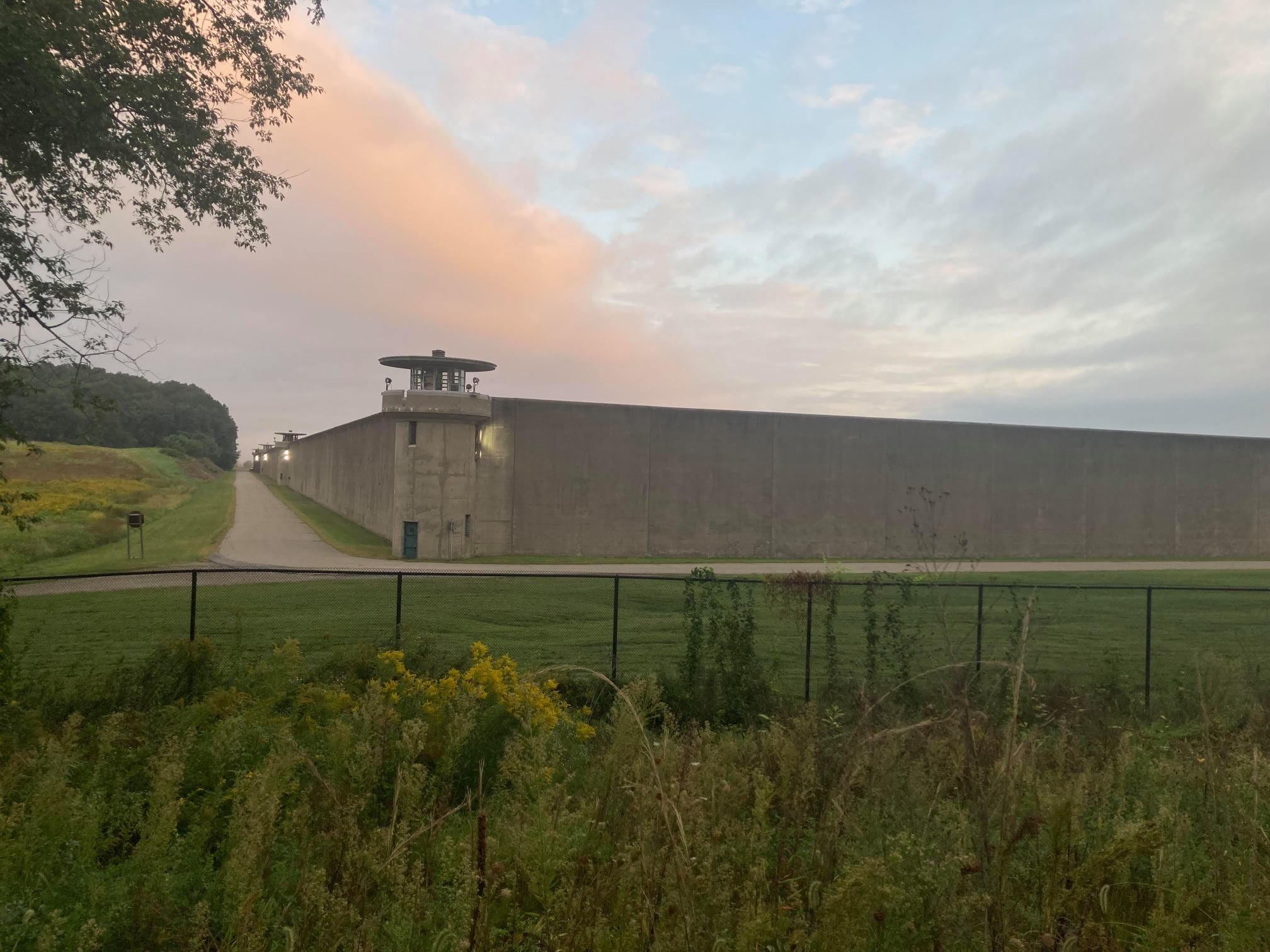
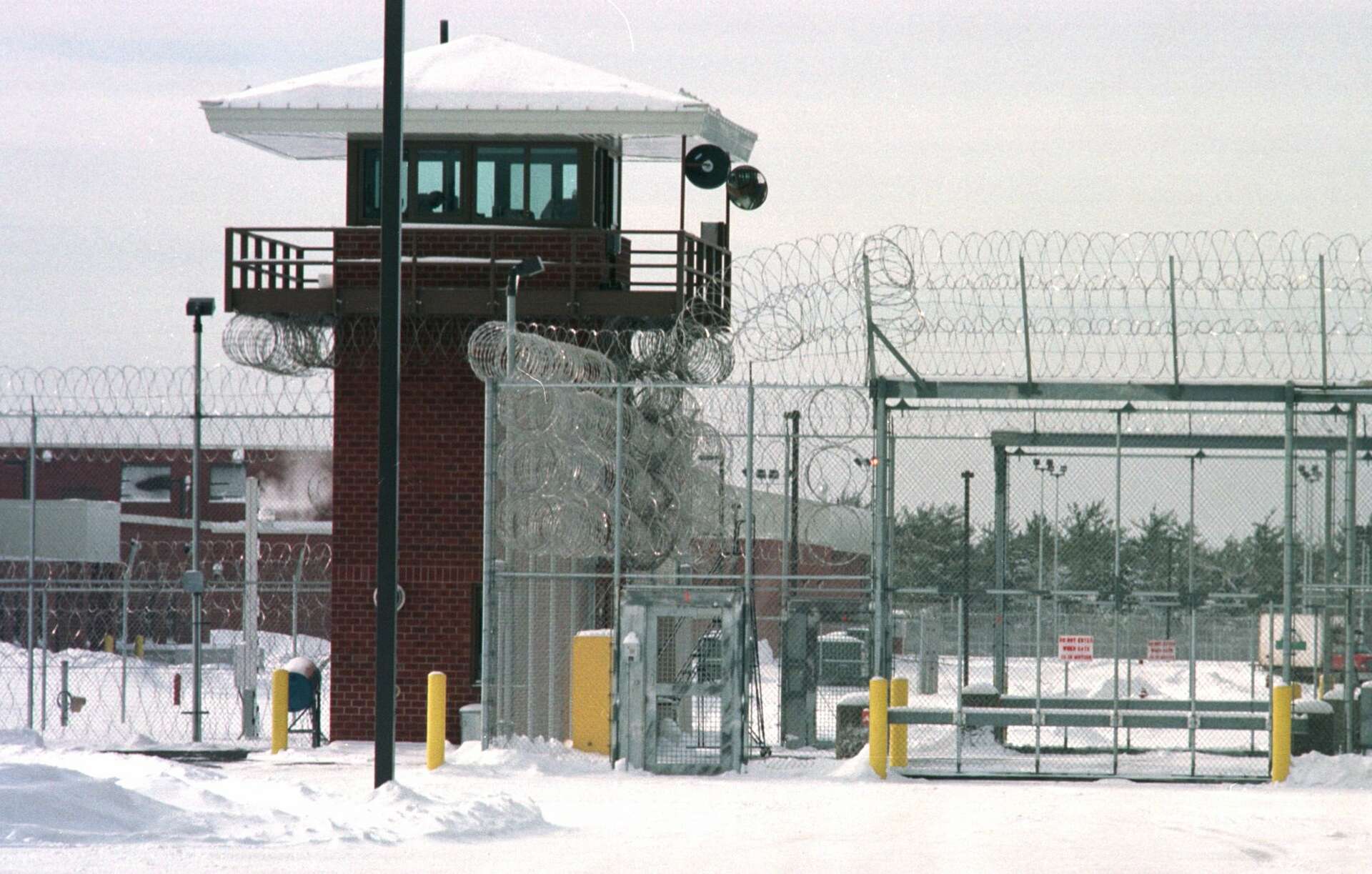
The term upstate prison refers to the collective correctional landscape in Upstate New York, managed by the New York State Department of Corrections and Community Supervision (DOCCS). This guide focuses on the operational, procedural, and logistical requirements for interacting with these facilities as of 2026.
Operational Framework of New York State Correctional Facilities in 2026
The New York State correctional system in 2026 emphasizes a transition toward rehabilitative programming while maintaining strict security protocols. Facilities are categorized by security levels, ranging from Minimum to Maximum, each with distinct operational guidelines regarding inmate correspondence, visitation, and financial support.
Understanding the specific classification of an upstate facility is the first step in navigating the system. Security levels dictate the frequency of searches, the availability of contact visitation, and the strictness of the contraband detection protocols currently in place across the state.
Essential Procedures for Visitor Access and Communication
Accessing an incarcerated individual requires adherence to the 2026 DOCCS visitor protocols. All potential visitors must be on the facility-approved visiting list. The vetting process has been digitized as of 2026, requiring prospective visitors to submit background information through the official state portal before scheduling a visit.
- Application Submission: Complete the visitor application via the official DOCCS website. Ensure all identity documentation is current.
- Background Verification: The state conducts a standard background check. Approval timelines typically range from 15 to 30 business days.
- Scheduling: Once approved, visits must be scheduled through the facility’s online reservation system. Same-day walk-ins are largely discontinued in 2026 to optimize facility management.
- Compliance: Upon arrival, visitors must adhere to the 2026 dress code and screening requirements, which include updated biometric identification scanners and electronic metal detection.
Financial Support and Commissary Protocols
Managing an inmate’s commissary account is a primary logistical concern for families. In 2026, the state has centralized the funding process through approved third-party digital payment platforms. These platforms allow for electronic transfers, which are processed more efficiently than traditional money orders.
- Digital Deposits: Use the official state-contracted provider to ensure funds clear within 24-48 hours.
- Spending Limits: Facilities enforce weekly spending caps to maintain equity within the prison population.
- Items Available: Commissary lists include essential hygiene products, stationery, food items, and occasionally authorized electronic devices for educational purposes.
Comparative Overview of Facility Operations
The following table summarizes the operational differences between various security classifications found in the upstate region.
| Facility Level | Visitation Frequency | Contact Policy | Primary Focus |
|---|---|---|---|
| Minimum | High | Generally Allowed | Work Release/Re-entry |
| Medium | Moderate | Limited/Supervised | Vocational Training |
| Maximum | Low | Non-Contact/Glass | Security/Long-term |
Addressing Legal Representation and Inmate Advocacy
Attorneys and legal representatives operating in 2026 must schedule visits through the facility’s administrative office rather than the standard visitor portal. Professional visits are granted broader leeway for confidential communication. Legal teams are encouraged to utilize the updated tele-conferencing suites provided by DOCCS to facilitate case management without requiring physical travel to remote upstate locations.
When representing an inmate, ensure that your bar registration and authorization forms are on file with the specific facility’s superintendent’s office. Failure to confirm these credentials in advance is the most common cause of denied access for legal counsel.
Rehabilitative Programs and Educational Metrics
As of 2026, the New York State prison system has expanded its partnership with public university systems to provide college-level coursework to inmates. Participation in these programs is often tied to an individual’s disciplinary record and security classification.
Educational Milestone Programs
Degree Pathways Inmates in select upstate facilities can now enroll in accredited Associate and Bachelor degree programs. These initiatives are designed to reduce recidivism rates by providing marketable skills.
Vocational Certification Trade programs in construction, culinary arts, and information technology are verified by state labor boards, allowing individuals to obtain certifications that are recognized by employers upon release.
FAQ: Common Inquiries Regarding Upstate Correctional Facilities
How do I locate an incarcerated individual in the upstate system? Use the DOCCS Inmate Lookup tool available on the official New York State government website by entering the individual's Department Identification Number (DIN) or their full legal name and date of birth. This database is updated daily to ensure 2026 accuracy.
What is the current policy on contraband and physical items? DOCCS maintains a zero-tolerance policy regarding unauthorized items. All packages must be sent through approved vendors; items sent from private residences are strictly prohibited to prevent the introduction of contraband.
Are video visits available in 2026? Yes, video visitation is now a standard feature, allowing families to schedule remote sessions. These sessions are monitored and must be booked through the state's central scheduling platform.
Can I send books or magazines to a facility? Books and magazines must be shipped directly from a recognized publisher or a major online retailer. They must be softcover only; hardcover books are generally rejected for security reasons.
What happens if a visit is cancelled by the facility? Facility-initiated cancellations usually stem from security lockdowns or environmental issues. The system will notify registered visitors via email or SMS, and you will be provided with priority rescheduling options.
How do I appeal a disciplinary action against an inmate? Legal appeals or administrative grievances must be filed through the Inmate Grievance Program (IGP). Each facility has a designated IGP supervisor who oversees the formal documentation and response process.
Expert Recommendations for Families and Stakeholders
For those navigating the complexities of the New York penal system, maintaining clear, concise communication is vital. Always keep a file of all digital receipts for commissary deposits and a log of all approved visitation sessions. If you encounter systemic issues or require specific assistance, the Office of the Ombudsman is the designated body for addressing concerns regarding facility conditions and adherence to state regulations.
Engagement with advocacy groups that focus on prison reform can also provide additional resources and support for families. As of 2026, these organizations often hold regional workshops to help families understand their rights and the procedural changes occurring within the upstate correctional network.
For further assistance, consult the latest edition of the New York State Inmate Handbook, which is updated annually to reflect changes in law, policy, and technology. If you are preparing for legal intervention, ensure your counsel has experience specifically with the New York correctional administrative courts.