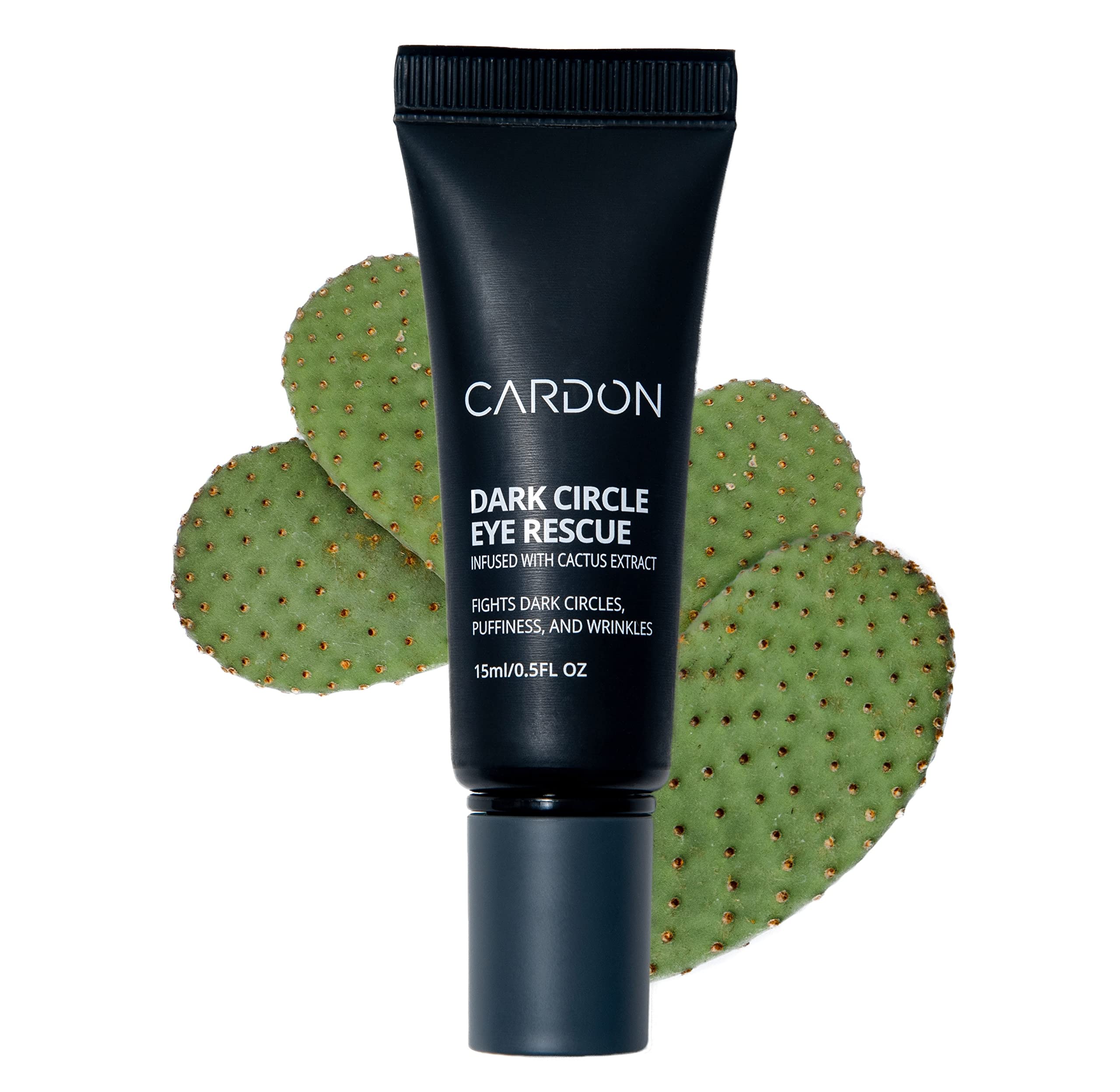
Selecting an effective under-eye cream for dark circles requires understanding the biological causes of discoloration, identifying active ingredients backed by dermatological research, and comparing product efficacy against budget constraints. While dark circles can be caused by genetics, lifestyle factors, or aging, targeted topical treatments can improve skin texture and reduce the appearance of pigmentation, provided expectations are aligned with the realistic limits of cosmetic chemistry.
Understanding the Causes of Under-Eye Dark Circles
To effectively choose a treatment, one must first identify the root cause of the discoloration. Under-eye darkness is rarely a single-factor issue; it is typically a combination of vascularity, hyperpigmentation, and structural changes in the face.
The skin around the eyes is the thinnest on the body, making it susceptible to showing the underlying network of blood vessels. When blood pools or stagnates in this area—often due to allergies, lack of sleep, or poor circulation—a blue or purple tint becomes visible through the translucent dermis. Conversely, hyperpigmentation results from an excess of melanin production, often triggered by sun exposure or chronic rubbing of the eyes, resulting in a brown or tan appearance. Finally, structural aging—such as the loss of collagen and the hollowing of the tear trough—creates a physical shadow that no cream can fully eliminate, as the issue is one of light and geometry rather than surface-level skin health.
Key Ingredients and Their Mechanisms
Top-tier eye creams utilize specific molecules designed to address these varying causes. When evaluating products, look for evidence-based ingredients that target either the pigment or the integrity of the skin barrier.
- Retinoids (Retinol, Retinyl Palmitate): These derivatives of Vitamin A are the gold standard for collagen production. By thickening the skin over time, they reduce the transparency that allows underlying blood vessels to show through. They also assist in cell turnover, helping to fade superficial hyperpigmentation.
- Vitamin C (L-Ascorbic Acid, Sodium Ascorbyl Phosphate): As a potent antioxidant, Vitamin C inhibits tyrosinase, the enzyme responsible for melanin production. It is primarily effective for dark circles caused by pigment rather than blood flow.
- Caffeine: This ingredient acts as a vasoconstrictor. By narrowing the blood vessels temporarily, caffeine reduces fluid buildup and puffiness, which can diminish the blue appearance of vascular dark circles.
- Hyaluronic Acid and Ceramides: These are essential for hydration. Dehydrated skin appears duller and thinner, exaggerating the appearance of dark circles. Plumping the skin with humectants creates a smoother surface that reflects light more effectively.
- Niacinamide (Vitamin B3): Known for its anti-inflammatory properties, niacinamide helps strengthen the skin barrier and can improve uneven skin tone by preventing the transfer of pigment to skin cells.
Pricing Structures in the Cosmetic Industry
The price of eye creams in 2026 varies significantly based on formulation stability, brand positioning, and ingredient concentration. It is a common misconception that higher prices equate to higher efficacy; in many cases, a premium price reflects luxury packaging, marketing spend, or proprietary delivery systems rather than more effective active ingredients.
"Drugstore" or mass-market options typically range from $15 to $35. These products often focus on hydration and basic antioxidant protection. "Clinical" or "Dermatologist-recommended" brands usually sit in the $40 to $80 range, often offering higher concentrations of actives and more rigorous stability testing. "Luxury" or "High-end" lines, which can exceed $150, frequently incorporate rare botanicals or sophisticated sensory profiles, though their impact on dark circles is often comparable to mid-range clinical formulas. Consumers should prioritize the concentration of active ingredients over the brand name when evaluating price-to-value ratios.
Comparative Overview of Top Rated Categories
The following table provides a comparison of how different ingredient categories address specific types of dark circles, helping you narrow down your search based on your primary concern.
| Ingredient Category | Primary Target | Mechanism | Best For |
|---|---|---|---|
| Caffeine | Vascularity | Vasoconstriction | Puffiness and blue-tinted shadows |
| Vitamin C | Hyperpigmentation | Melanin inhibition | Brown-tinted or sun-induced spots |
| Retinoids | Skin Texture | Collagen stimulation | Thin, aging skin showing blood vessels |
| Hyaluronic Acid | Dehydration | Barrier support | Dullness and fine line shadows |
| Peptides | Skin Elasticity | Protein support | Structural loss of firmness |
Selecting the Right Product for Your Needs
Before investing in a product, verify your skin's sensitivity. Ingredients like retinol can cause irritation, which leads to inflammation and potentially worsens pigmentation in some skin tones. If your skin is sensitive, start with a lower concentration or a product that pairs the active ingredient with a soothing agent like allantoin or bisabolol.
When shopping, ignore claims of "overnight results." Most active ingredients require at least 8 to 12 weeks of consistent daily application to show measurable changes in skin tone or collagen density. If you have structural hollows, topical creams may only offer marginal improvement. In these cases, consult a board-certified dermatologist to discuss clinical options such as dermal fillers or laser resurfacing, which provide mechanical solutions to shadows that skincare cannot address.
Managing Expectations and Practical Application
Consistency is the most critical factor in achieving results. Most eye creams should be applied to clean, dry skin using the ring finger, as it exerts the least pressure, preventing mechanical damage to the delicate eyelid area. Apply a pea-sized amount distributed between both eyes, tapping rather than rubbing to encourage absorption without stretching the skin.
It is also vital to use broad-spectrum SPF daily. Sun exposure is the primary culprit for worsening hyperpigmentation. Even if your eye cream contains potent brightening agents, they will be neutralized by the pigment-stimulating effects of UV radiation if you do not protect the area with a high-SPF mineral or chemical sunscreen.
Frequently Asked Questions
Can eye creams actually remove dark circles permanently?
No topical cream can permanently "remove" genetic dark circles or deep structural hollows. Most eye creams work by temporarily constricting blood vessels, hydrating the skin to smooth fine lines, or gradually brightening surface-level pigmentation. Once product use is discontinued, the effects typically subside over several weeks.
Is there a difference between face cream and eye cream?
Often, the difference is primarily formulation stability and fragrance concentration. Face creams are generally fine for the eye area provided they do not contain harsh exfoliants or high levels of fragrance that might sting. Eye-specific products are usually formulated to be more lightweight to prevent "milium" (small white bumps) and are rigorously tested for ocular irritation.
How do I know if my dark circles are genetic?
If your dark circles are present regardless of sleep quality, hydration levels, or stress, they are likely genetic. This often manifests as deep-set tear troughs or a higher concentration of melanin in the periorbital area. While skincare can help maintain the health of the skin, structural or deep-set genetic issues generally require cosmetic interventions for significant changes.
Should I apply my eye cream before or after my serum?
Generally, you should apply products from thinnest to thickest consistency. If your eye cream is a lightweight gel, apply it before a thicker cream. If your serum is for the face, be careful to avoid applying active face serums (like high-strength acids) directly to the eyelids, as the skin is significantly more reactive than the rest of the face.
Does sleep position affect dark circles?
Yes. Sleeping on your back with your head slightly elevated can prevent fluid from pooling in the under-eye area overnight, which helps reduce the appearance of morning puffiness and vascular-related darkness.
Recommended Next Steps
To address your dark circles, first determine the color of the shadow in natural light. If the area appears bluish, prioritize a caffeine-based eye cream. If the area is brown, seek out products containing Vitamin C or Niacinamide. Commit to a 90-day trial of your chosen product, applying it twice daily, and ensure you wear sunscreen every morning. If after three months of consistent use you see no improvement, consider a consultation with a dermatologist to determine if your concerns are structural or require medical-grade intervention.