Navigating the University of California, Riverside (UCR) campus efficiently requires a clear understanding of its physical layout, parking zone designations, and permit regulations for 2026. Whether you are a prospective student, a visiting faculty member, or attending a public event at the Toyota Arena or the UCR ARTS block, knowing where to park and how to read the official campus map saves time and avoids citations. This guide provides a comprehensive breakdown of UCR parking zones, digital mapping tools, permit structures, and enforcement protocols updated for the current academic year.
Decoding the Official UCR Interactive Campus Map
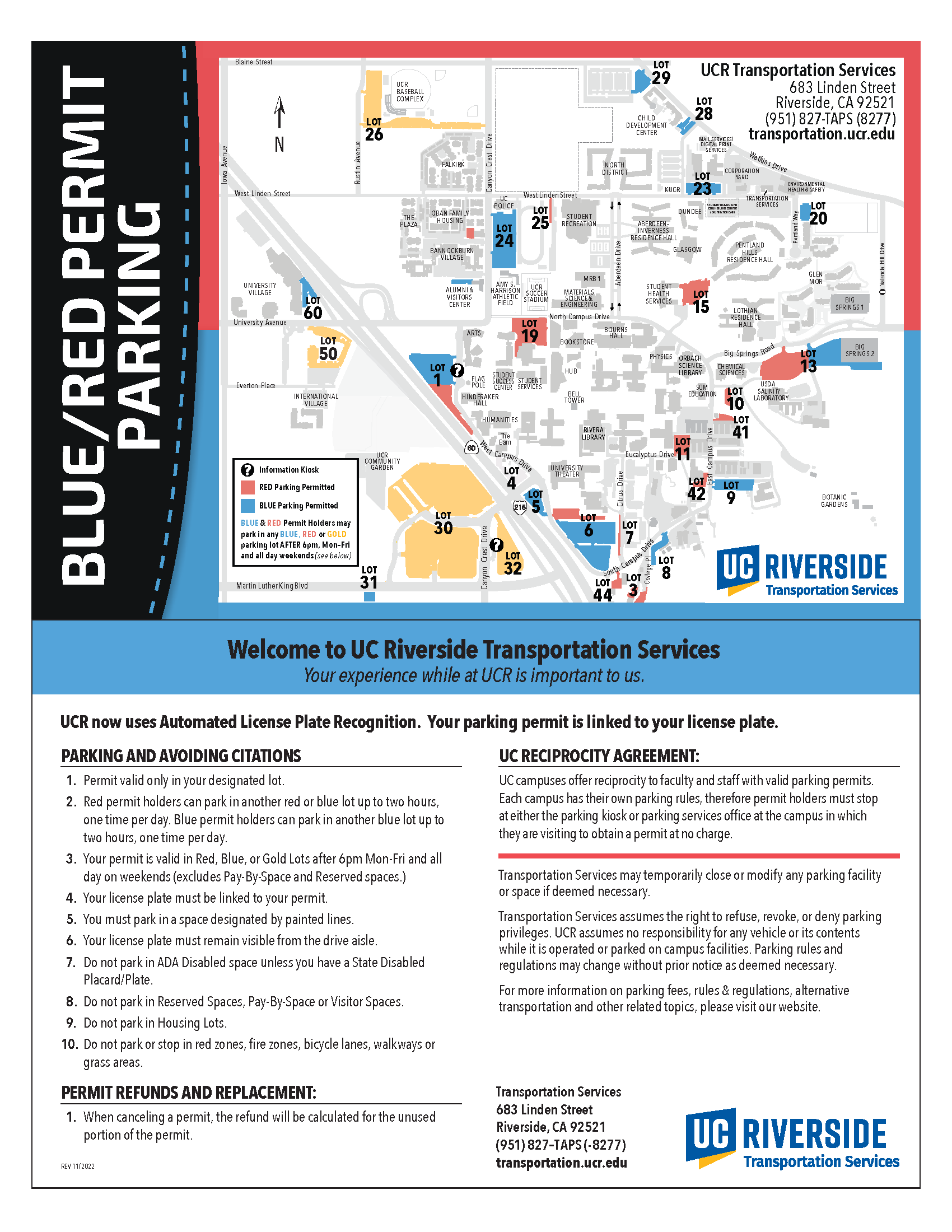
The physical expanse of UCR spans nearly 1,900 acres across two distinct sections: East Campus, which houses the historic core, academic buildings, and residential halls; and West Campus, home to agricultural research fields, newer athletic complexes, and commuter parking structures. Utilizing the digital campus map effectively requires recognizing key zoning overlays and geographic markers.
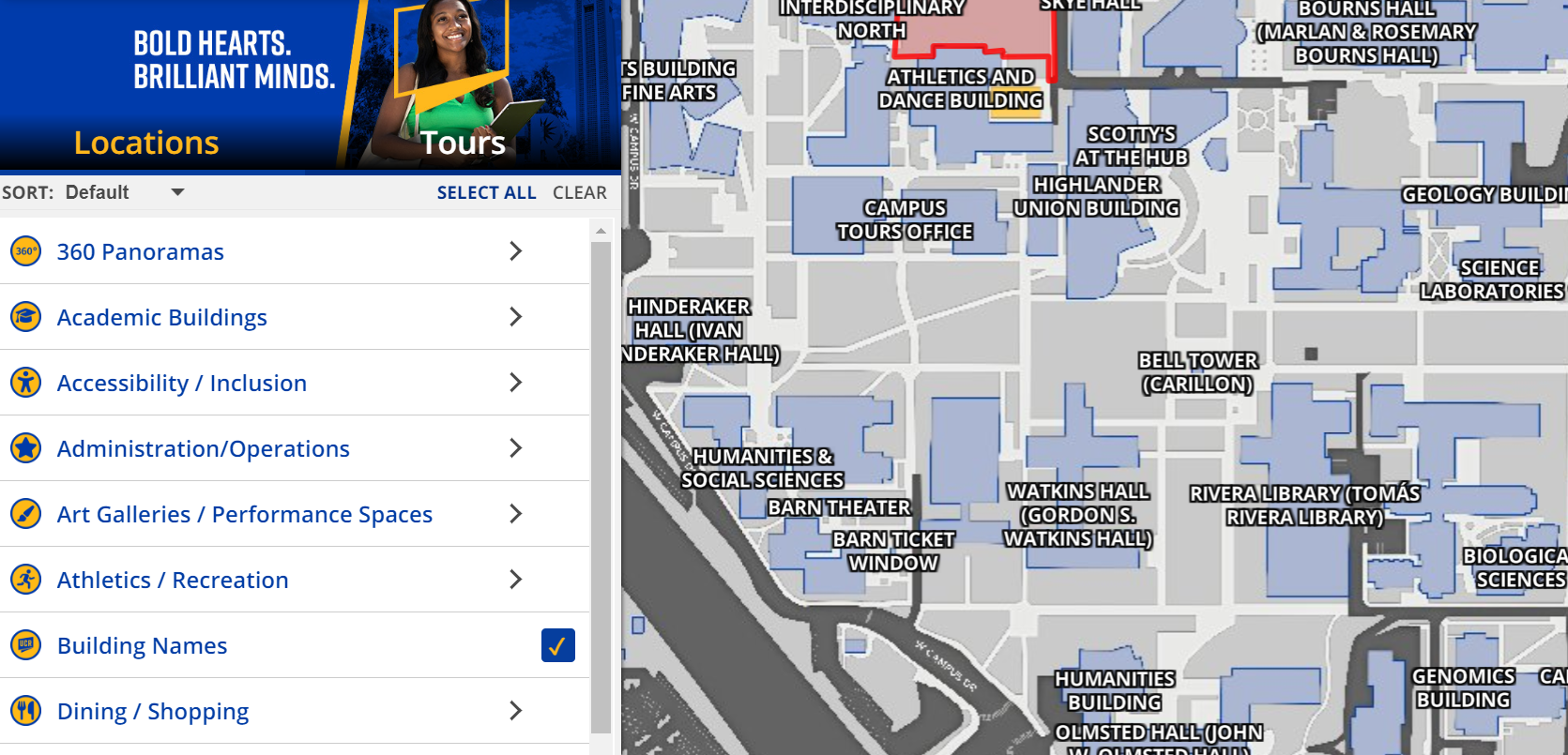
When accessing the digital mapping interface, users can toggle specific layers to filter locations by academic departments, accessible pathways, dining services, and designated parking lots. East Campus is dense and primarily pedestrian-focused, meaning vehicular traffic is heavily restricted near the Bell Tower and Rivera Library. Conversely, West Campus features expansive surface lots connected by dedicated campus shuttle routes.
- Primary Navigation Hubs: The Highlander Union Building (HUB) serves as the central landmark for East Campus, while the Student Recreation Center (SRC) anchors the southern athletic zone.
- Elevation and Terrain Markers: UCR is built into the foothills of the Box Springs Mountains. The eastern portion of the campus features notable inclines, making proper lot selection crucial for visitors with mobility considerations.
- Digital Integration: The official 2026 interactive map integrates real-time GPS positioning, allowing commuters to track their walking distance to specific lecture halls such as Sprouf Hall or Winston Chung Hall directly from their chosen parking stall.
2026 UCR Parking Zone Classifications and Permit Structures
Parking at UCR operates on a strict permit-by-plate system managed by Transportation Services. Physical hangtags have been completely phased out in favor of license plate recognition (LPR) technology. Vehicles parked on campus must have a valid permit associated with their registered license plate, or they must utilize paid hourly visitor parking options.
The campus categorizes its parking inventory into distinct color-coded zones. Understanding these classifications prevents accidental citations and ensures drivers select the lot that aligns with their affiliation status.
| Zone Classification | Target Audience | Primary Locations | Enforcement Hours |
|---|---|---|---|
| Gold Permits | Faculty, Staff, Senior Researchers | Lot 1, Lot 6, Lot 24, Deep Springs structures | Monday–Friday, 7:00 AM – 10:00 PM |
| Blue Permits | Commuter Students, Undergraduates | Lot 26, Lot 30, Lot 50 (West Campus) | Monday–Friday, 7:00 AM – 10:00 PM |
| Red Permits | Resident Students (Housing) | Pentland Hills, Lothian, Aberdeen-Inverness lots | 24 Hours Daily, 7 Days a Week |
| Visitor / Hourly | Campus Guests, Event Attendees | Pay Stations in Lots 1, 6, 24, and Structure 31 | Hourly or Daily Rates via Mobile App |
Daily Visitor Parking and Digital Payment Options
Visitors and occasional campus commuters can purchase daily or hourly parking through authorized mobile payment applications or physical pay stations located at major lots. The standard hourly rate for 2026 is set at $3.00 per hour, with a daily maximum capping out at $12.00 for standard visitor stalls.
- Mobile App Integration: Drivers can input their license plate and zone number directly into the designated campus parking app to pay remotely and extend parking sessions without returning to a physical kiosk.
- Pay-by-Plate Kiosks: Touchscreen kiosks accept major credit and debit cards. Users must enter their exact license plate characters; transposition errors can result in an automated citation from LPR enforcement vehicles.
- Grace Periods: Transportation Services allows a strict 15-minute grace period in visitor zones for active loading and unloading, provided the vehicle is not blocking fire lanes or ADA pathways.
Step-by-Step Guide to Finding and Accessing Parking on Game Days and Major Events
Special events, such as Commencement, Highlander athletic games, and large-scale concerts, alter standard parking operations. Navigating these high-traffic scenarios requires pre-planning and adherence to event-specific traffic routing protocols established by UCR Police and Transportation Services.
- Check the Event Calendar: Prior to arriving on campus, review the official UCR events calendar to identify potential road closures along West Linden Street, University Avenue, or Canyon Crest Drive.
- Pre-Purchase Event Permits: For ticketed campus events, visitors should purchase digital event parking concurrently with their ticket transaction to secure discounted rates and designated lot assignments.
- Follow Dynamic Digital Signage: Electronic message boards deployed along major campus arteries direct event traffic away from congested academic zones toward high-capacity lots like Lot 30 or the Pentland Hills staging areas.
- Utilize Campus Shuttles: When parked in remote West Campus lots for major events, follow designated pedestrian pathways to designated shuttle pickup zones to ensure timely transit to central event venues.
Event Parking Notice: Standard student and faculty permits may be temporarily invalid in specific event-adjacent lots during major university functions. Always verify directional signage upon entry to avoid having your vehicle relocated.
ADA Accessible Parking and Special Mobility Accommodations
UCR is fully compliant with the Americans with Disabilities Act (ADA), providing designated accessible parking stalls across all campus zones. Proper state-issued disability placards or license plates must be clearly displayed, and the vehicle must also be registered with UCR Transportation Services if parking on a long-term basis.
- Placard Requirements: State-issued placards must be visible on the rearview mirror or dashboard, with the registration matching the vehicle operator.
- Van-Accessible Stalls: Specialized stalls featuring extra clearance for wheelchair ramps are located adjacent to primary elevators in parking structures and near major academic complexes.
- Temporary Medical Permits: Students or staff experiencing temporary mobility impairments due to surgery or injury can obtain a temporary medical parking endorsement through UCR Student Health Services or Human Resources, paired with documentation from a licensed physician.
Comparative Analysis: Commuter Options versus Resident Parking Rules
Managing vehicles on a dense university campus involves balancing the needs of daily commuters against those of on-campus residents. The operational rules governing these two groups differ significantly.
| Operational Parameter | Commuter Students & Faculty | Resident Students |
|---|---|---|
| Primary Parking Footprint | Perimeter lots (Lot 26, Lot 30, West Campus) | Residential core lots adjacent to housing complexes |
| Overnight Parking Rights | Prohibited unless holding a specialized overnight add-on | Permitted 24/7 within assigned housing lot designations |
| Vehicle Relocation Protocols | Must vacate lots during designated sweep maintenance | Subject to periodic lot clearings for housing move-in events |
| Citation Appeal Window | 14 calendar days from citation issuance date | 14 calendar days from citation issuance date |
Frequently Asked Questions About UCR Map and Parking
Where is the best place to park for a first-time campus tour?
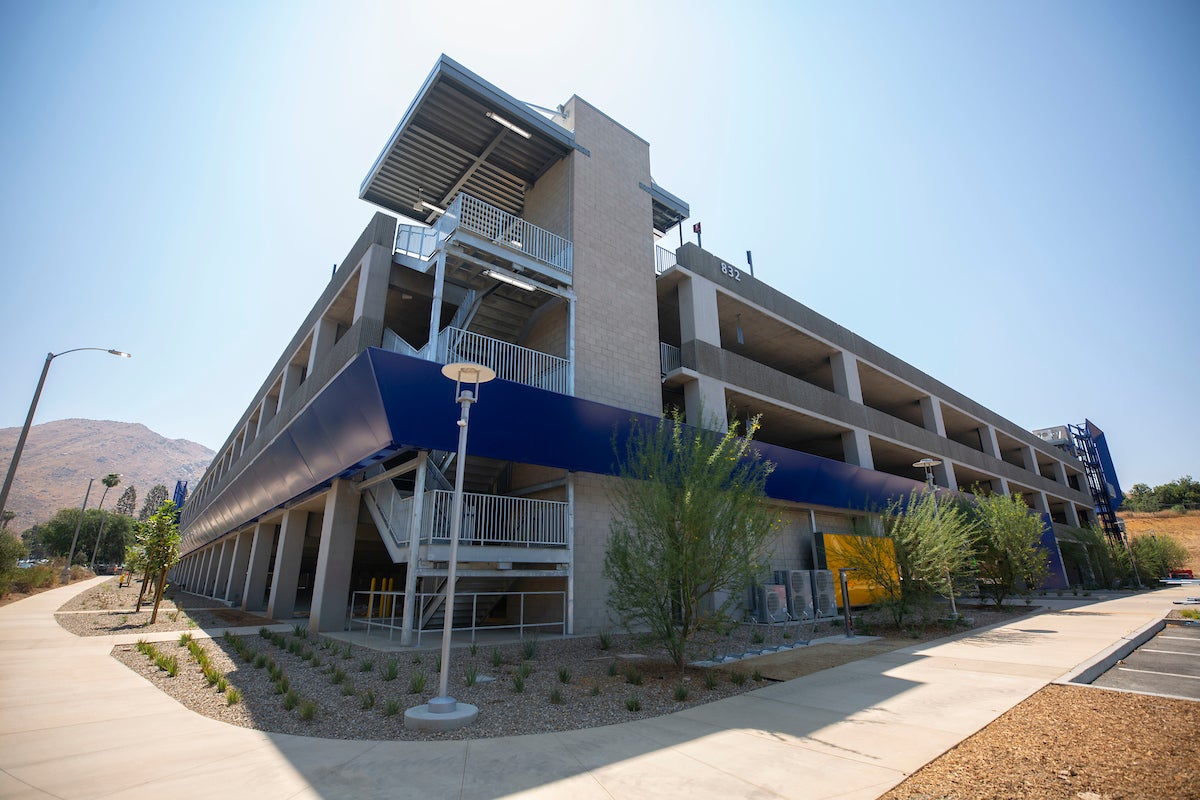
Visitors touring the campus should target Lot 1 or Parking Structure 31, as both are situated immediately adjacent to the Alumni & Visitors Center and the central academic core. Pay stations are available directly within these lots.
Are permits required on weekends at UCR?
Parking enforcement policies dictate that standard permit requirements are enforced Monday through Friday from 7:00 AM to 10:00 PM. Parking is generally unrestricted in standard blue and gold commuter stalls on weekends, unless specific lots are reserved for special ticketed events or athletic competitions.
What should I do if I receive a parking citation on campus?
Citations issued by UCR Transportation Services can be appealed online through the official parking portal within 14 calendar days of issuance. Do not ignore citations, as unpaid balances result in holds being placed on student registration accounts or DMV registration renewals for staff and community members.
Can I share my UCR parking permit with another student?
No. UCR parking permits are strictly non-transferable and are tied to a specific license plate registered in the digital database. Registering multiple vehicles to a single permit account is permitted, but only one vehicle associated with that permit may be parked on campus at any given time.
How do I access West Campus parking if the main gates are congested?
Commuters heading to West Campus lots can bypass central campus congestion by utilizing Iowa Avenue or MLK Boulevard to access University Avenue, entering via West Campus entry points directly from Blaine Street.
Securing Your UCR Parking Strategy
Navigating the physical layout of the University of California, Riverside is streamlined when utilizing up-to-date digital mapping tools and adhering strictly to 2026 permit guidelines. By identifying your destination on the interactive map ahead of time, verifying your zone classification, and utilizing digital payment apps, you ensure a seamless arrival on campus. Always review posted signage upon entering any campus lot to remain compliant with current enforcement schedules and maintain smooth transit flows across the entire UCR community.