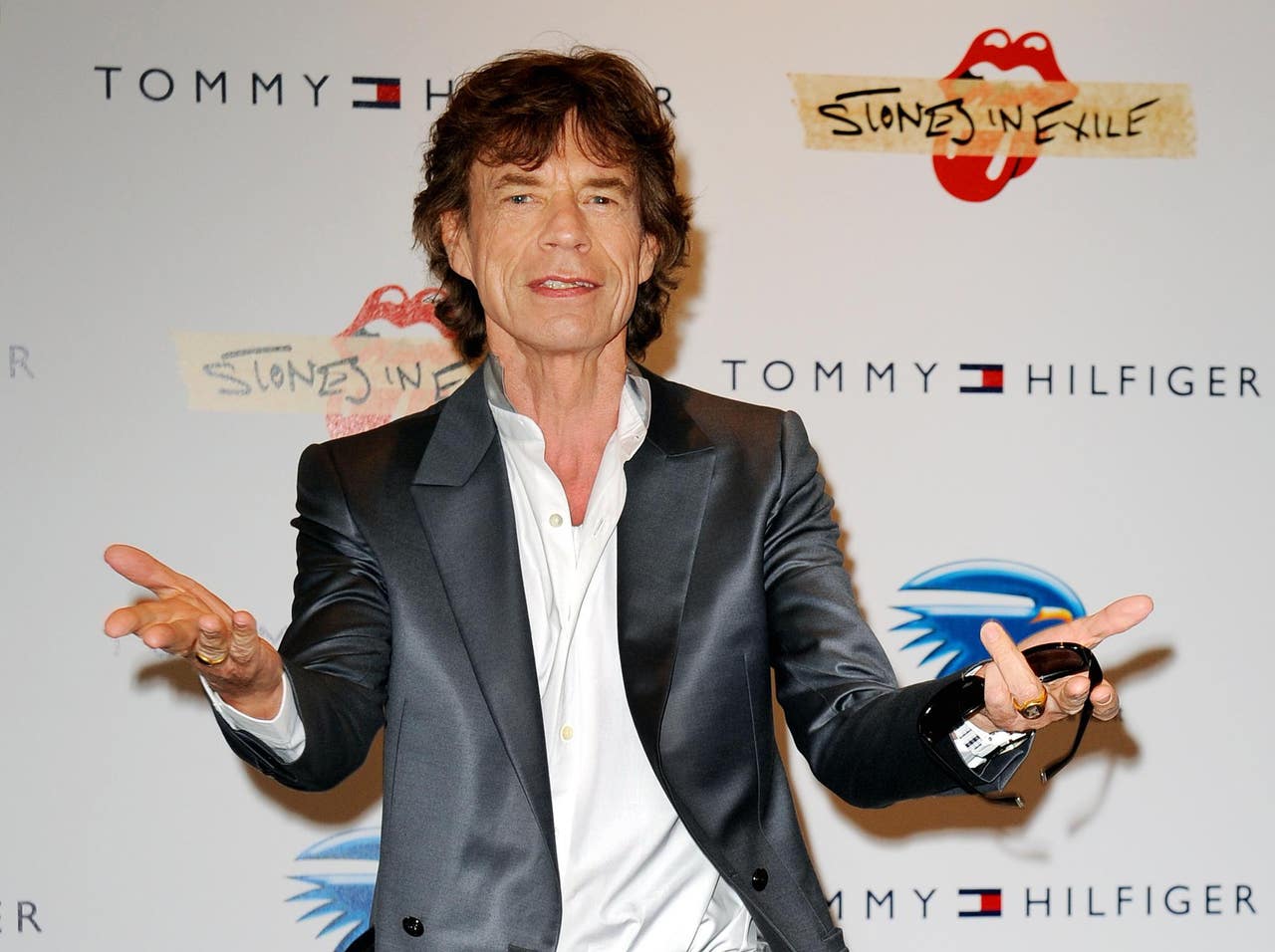
Mick Jagger is the legendary lead singer of The Rolling Stones, a primary architect of rock and roll culture, and one of the most enduring performers in music history. Since 1962, he has defined the role of the rock frontman through his songwriting partnership with Keith Richards, high-energy stagecraft, and shrewd business leadership.
The Formative Years and the Birth of The Rolling Stones
Born Michael Philip Jagger on July 26, 1943, in Dartford, Kent, Jagger’s early life did not immediately suggest the path of a counterculture icon. The son of a physical education teacher and a hairdresser, he was a successful student who eventually enrolled at the London School of Economics (LSE). However, his passion for American rhythm and blues—specifically the records of Muddy Waters, Howlin' Wolf, and Chuck Berry—diverted his trajectory from the corporate world to the stage.
The pivotal moment in his early life occurred in 1961 at the Dartford railway station, where he reconnected with childhood friend Keith Richards. Richards noticed the blues records Jagger was carrying, sparking a conversation that led to the formation of a musical partnership. By 1962, they joined Brian Jones, Bill Wyman, and Charlie Watts to form The Rolling Stones. Their early residency at the Marquee Club in London established them as the "anti-Beatles," offering a grittier, more dangerous alternative to the polished image of the Fab Four.
Jagger’s time at the LSE was not wasted; it provided him with a foundational understanding of business and finance that would later prove crucial. While other 1960s stars struggled with predatory contracts and financial mismanagement, Jagger eventually took control of the band’s business affairs, transforming The Rolling Stones into a global brand that has remained profitable and operational for over six decades.
Defining the Sound: The Glimmer Twins and Songwriting Mastery
The songwriting partnership between Mick Jagger and Keith Richards, often referred to by their pseudonym "The Glimmer Twins," is the engine behind the band’s longevity. Initially, the band focused on covering American blues and R&B standards. However, under the encouragement of manager Andrew Loog Oldham, Jagger and Richards began writing original material. Their first major success, "(I Can't Get No) Satisfaction" (1965), became a generational anthem and established Jagger as a premier lyricist.
Jagger’s lyrical themes often explored social alienation, sexual frustration, and the complexities of power. Unlike many of his contemporaries, Jagger’s delivery combined a distinctive English sensibility with the vocal mannerisms of Black American soul and blues singers. This "white soul" approach was not without controversy, but it allowed the band to bridge the gap between traditional blues and modern rock.
Throughout the late 1960s and early 1970s, the pair produced a string of albums—Beggars Banquet (1968), Let It Bleed (1969), Sticky Fingers (1971), and Exile on Main St. (1972)—that are widely considered the pinnacle of the rock genre. Jagger’s ability to pivot from the dark, occult-tinged "Sympathy for the Devil" to the country-inflected "Wild Horses" showcased a versatility that few frontmen could match. His role was not just as a singer, but as a conceptualist who understood how to package the band's sound for a changing cultural landscape.
Iconic Career Highlights and Discography
The career of Mick Jagger is marked by distinct eras, each characterized by his ability to adapt to new musical trends while maintaining the core identity of The Rolling Stones. In the 1970s, Jagger embraced the burgeoning disco and funk scenes, leading to hits like "Miss You" (1978). This adaptability ensured the band remained relevant while many of their peers faded into obscurity.
| Era | Key Albums | Defining Characteristics | Cultural Impact |
|---|---|---|---|
| 1962–1969 | Aftermath, Beggars Banquet | Blues-rock roots, counterculture rebellion. | Defined the "anti-Beatles" persona and 60s rock. |
| 1970–1981 | Sticky Fingers, Some Girls | Stadium rock mastery, funk/disco integration. | Established the "Greatest Rock and Roll Band" title. |
| 1982–1999 | Steel Wheels, Voodoo Lounge | Solo exploration and global touring machines. | Proved that rock bands could age into massive corporations. |
| 2000–2026 | A Bigger Bang, Hackney Diamonds | Legacy preservation and modern production. | Validated the viability of rock legends in the 21st century. |
In the 1980s, Jagger sought to establish himself as a solo artist, releasing She’s the Boss in 1985. While his solo career never eclipsed the success of the Stones, it allowed him to experiment with more contemporary pop and electronic sounds. Significant solo works like Wandering Spirit (1993) received critical acclaim and highlighted his ability to carry a project without Richards’ guitar work. In 2023, the band released Hackney Diamonds, their first album of original material in 18 years, which debuted at number one in multiple countries, proving that Jagger’s appeal remained potent well into his late 70s and early 80s.
Stage Presence and Physical Performance
Perhaps Jagger’s most significant contribution to rock music is the invention of the modern frontman archetype. Influenced heavily by the rhythmic movements of James Brown and the high-energy performances of Tina Turner, Jagger transformed the role from a stationary singer to a dynamic, athletic performer. His "strut" and expressive hand gestures became synonymous with the genre itself.
As of 2026, Jagger remains a marvel of physical endurance. Despite being 82 years old, his performance style has changed remarkably little since the 1970s. This longevity is often attributed to his rigorous fitness regimen, which includes running, dancing, and a specialized diet designed to sustain the demands of a two-hour stadium show. By treating himself as an elite athlete, Jagger has successfully defied the traditional expectations of aging in the entertainment industry.
His stagecraft also pioneered the use of massive video screens, elaborate stage sets, and inflatable props, which are now standard in stadium tours. The Rolling Stones’ "Steel Wheels" tour in 1989-1990 set the blueprint for the modern mega-tour, emphasizing high production values and corporate sponsorship. Jagger’s hand was in every aspect of these developments, ensuring that the band’s live shows were as much a visual spectacle as a musical event.
Cultural Impact, Business Acumen, and Legacy
Mick Jagger’s influence extends far beyond the confines of the recording studio. He was a central figure in the "Swinging London" scene of the 1960s and became a symbol of the decade’s social shifts. His 1967 arrest on drug charges and the subsequent "Who Breaks a Butterfly on a Wheel?" editorial in The Times marked a significant moment in the clash between the British establishment and the youth movement.
In 2003, Jagger was knighted for his services to music, a move that highlighted his transition from a rebellious outsider to a respected elder statesman of British culture. Despite this formal recognition, he has managed to maintain a degree of his "street fighting man" persona, continuing to release music that critiques social and political norms.
Beyond the arts, Jagger is recognized as one of the most successful businessmen in music. He was early to recognize the importance of intellectual property, touring logistics, and brand merchandising. Under his guidance, The Rolling Stones became one of the highest-grossing touring acts in history. His ability to balance artistic integrity with commercial reality is a model often studied in music business programs worldwide.
Frequently Asked Questions
What is the origin of the "Glimmer Twins" nickname?
The nickname originated during a cruise in the mid-1970s. An older couple on the ship kept asking Mick Jagger and Keith Richards for clues about their identities, to which they playfully replied they were the "Glimmer Twins." They eventually adopted the name as a production and songwriting credit on their albums, starting with It's Only Rock 'n' Roll in 1974.
How has Mick Jagger managed to maintain his voice for so long?
Jagger’s vocal longevity is the result of professional training and strict vocal hygiene. Early in his career, he sought advice from vocal coaches to ensure he was using his diaphragm correctly to avoid straining his vocal cords. He also avoids smoking and maintains a clean lifestyle during tours to ensure his "rock belt" and falsetto remain intact.
Did Mick Jagger ever act in films?
Yes, Jagger has a notable filmography. His most famous roles include Turner in the cult classic Performance (1970) and the lead in Ned Kelly (1970). He also appeared in Freejack (1992) and The Burnt Orange Heresy (2019). His cinematic work often plays on his real-life persona of a charismatic, somewhat enigmatic figure.
How did the 2023 album Hackney Diamonds impact his legacy?
Hackney Diamonds was a critical and commercial landmark because it proved the band could still produce vital, contemporary rock music in their ninth decade. It served as a tribute to late drummer Charlie Watts while introducing the band to a new generation of listeners, solidifying Jagger’s status as a performer who transcends generational boundaries.
What are some of Mick Jagger's most famous collaborations?
Beyond The Rolling Stones, Jagger has collaborated with a vast array of artists. Notable examples include "State of Shock" with Michael Jackson, "Dancing in the Street" with David Bowie, and his work with the supergroup SuperHeavy, which included Joss Stone, Dave Stewart, Damian Marley, and A.R. Rahman.
Monitoring the Legacy of a Rock Icon
For those looking to understand the full scope of Mick Jagger’s impact, it is essential to look beyond the hits and examine the business and cultural structures he helped build. As of 2026, the best way to engage with his ongoing legacy is through the official Rolling Stones portal, which provides verified updates on tours, archival releases, and digital experiences. Researchers and fans should also consult the Rock & Roll Hall of Fame for detailed historical exhibits on the band's induction and their influence on global music trends. To grasp the technical evolution of his career, reviewing the discography through high-fidelity remasters provides the best insight into the meticulous production standards Jagger has maintained for over half a century.