A tribute speech for Stephen Hawking’s funeral honoring the cosmos must bridge the gap between profound scientific achievement and the indomitable human spirit. It should celebrate his journey from a restricted physical existence to an intellectual life that spanned the edges of the universe, focusing on themes of light, time, and the "no-boundary" nature of the human mind.
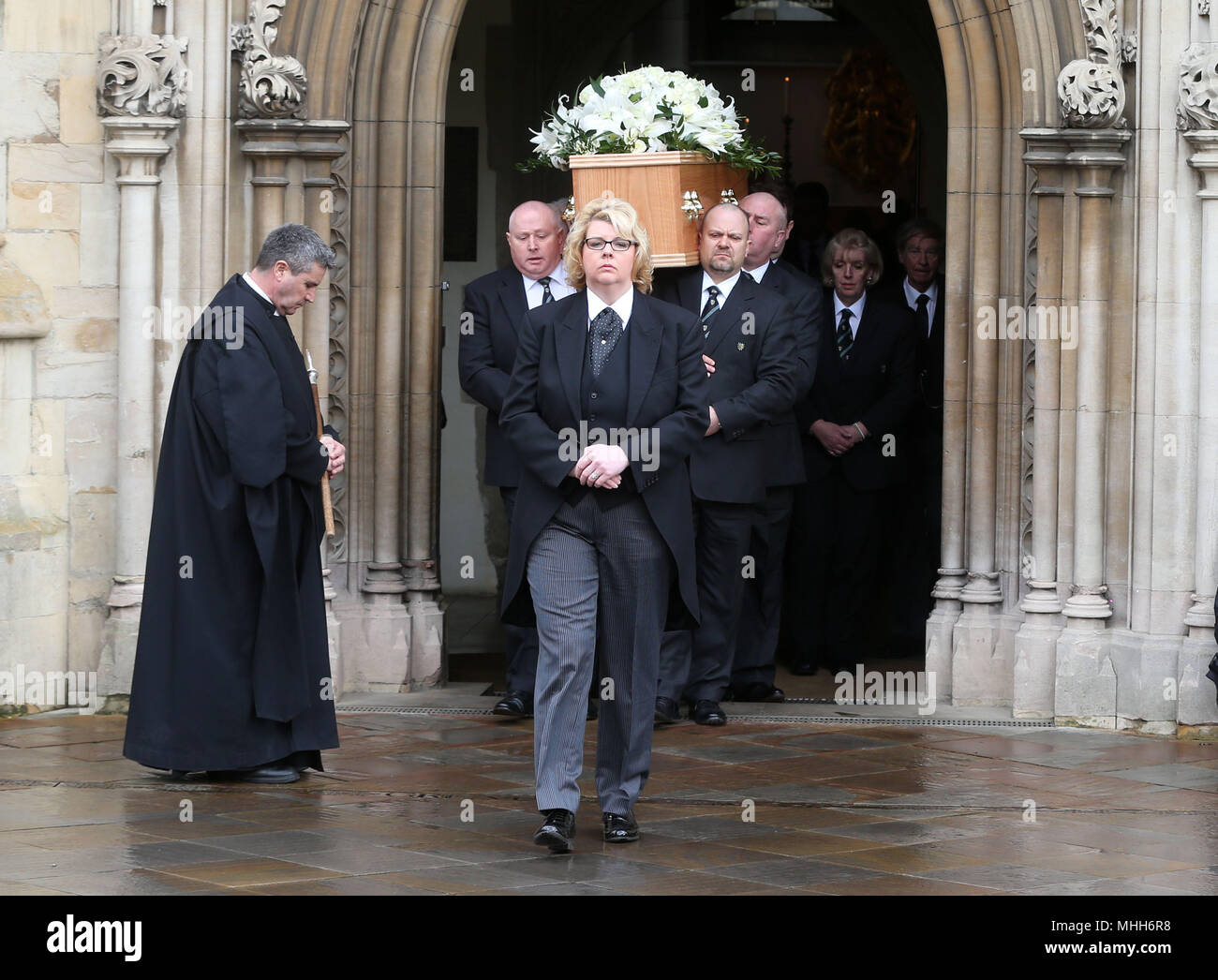
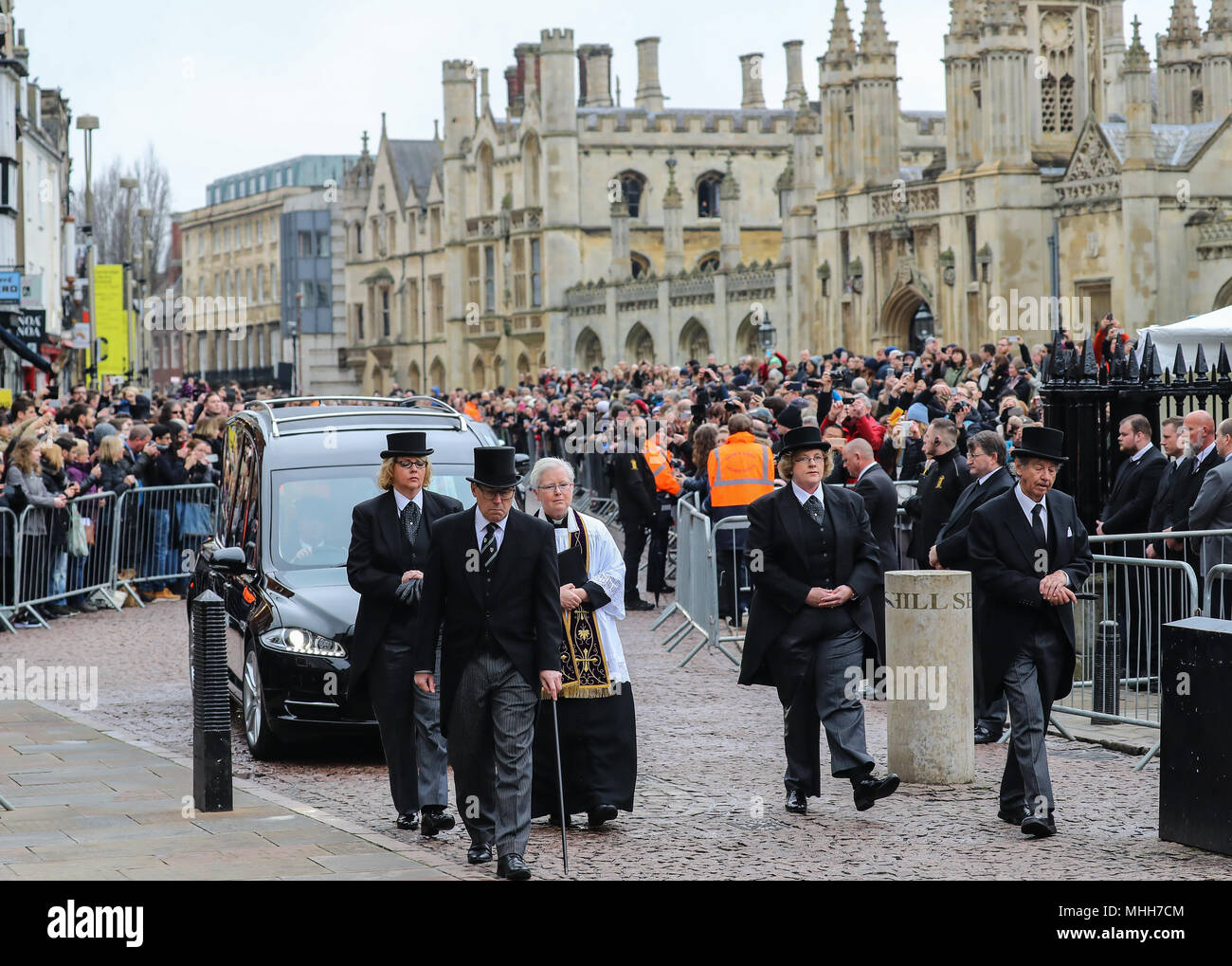
Stephen Hawking was not merely a physicist; he was a cultural icon who transformed the way humanity perceives its place in the universe. When he passed away in March 2018, his funeral at Great St Mary’s in Cambridge was a moment of global reflection. As of 2026, his legacy continues to influence new generations of cosmologists and dreamers. Writing or analyzing a tribute speech for such a figure requires an understanding of both the technical depth of his work—such as black hole thermodynamics—and the poetic resonance of his life’s struggle against ALS (Amyotrophic Lateral Sclerosis).
The Core Philosophy of a Cosmological Tribute
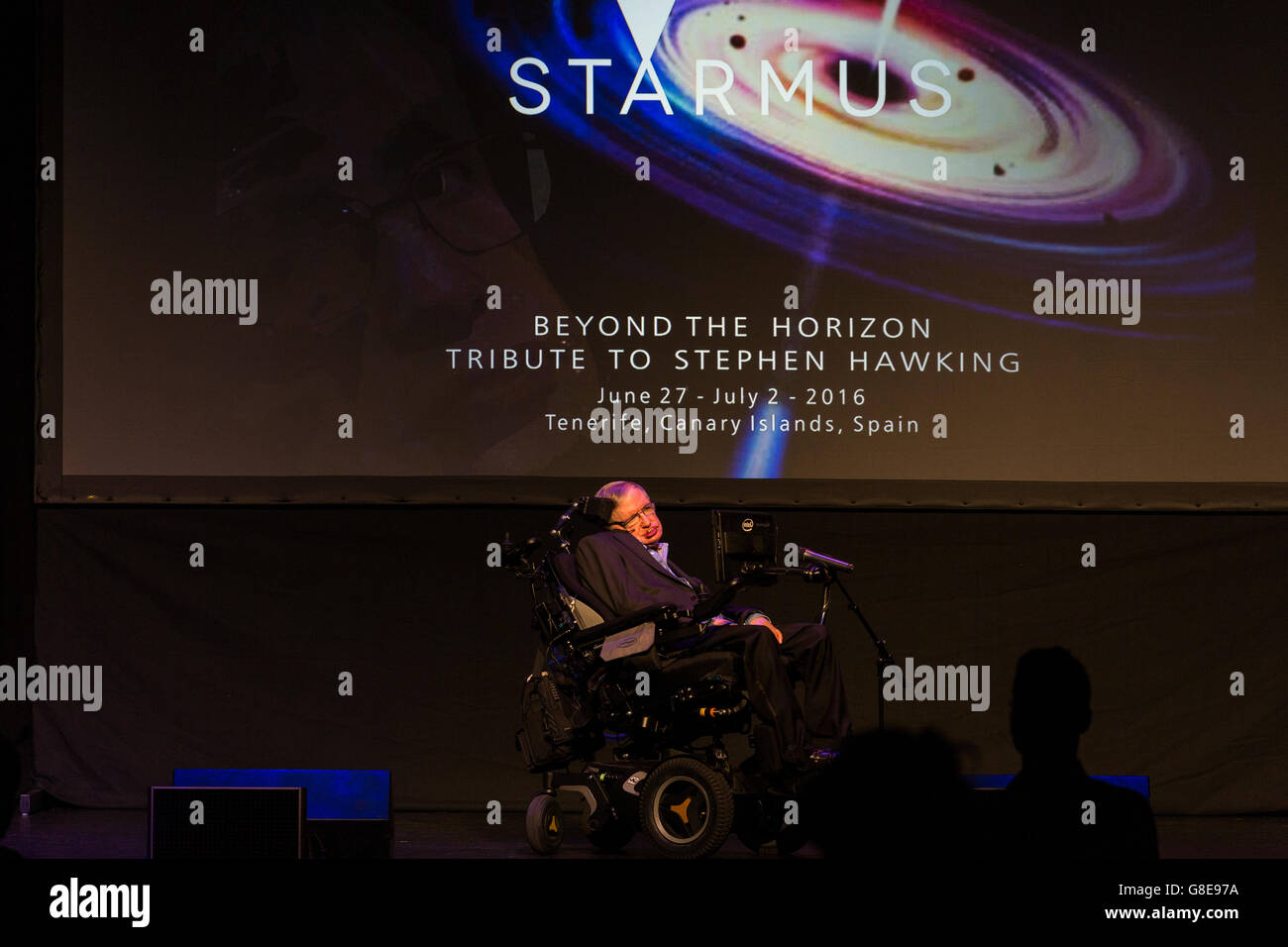
To honor Stephen Hawking is to honor the cosmos itself. A speech dedicated to his memory must move beyond the biographical and enter the realm of the infinite. Hawking’s life was a paradox: a body anchored to a wheelchair while a mind navigated the event horizons of distant black holes. This dichotomy serves as the emotional anchor for any tribute.
The primary objective of a "cosmos-centric" speech is to illustrate how Hawking democratized the universe. Before A Brief History of Time, the cosmos was often viewed as the exclusive domain of academics. Hawking invited the public into the "Mind of God," a phrase he famously used to describe the quest for a complete theory of the universe. In a tribute, this invitation should be reciprocated by describing his passing not as an end, but as a return to the stars he so meticulously studied.
A successful speech in this niche avoids overly dry technicality while maintaining scientific dignity. It should use cosmological metaphors—such as the "singularity" or "Hawking radiation"—to describe his personality. For instance, just as Hawking radiation suggests that black holes are not entirely black but emit a faint glow, Hawking’s own life emitted a light that reached the furthest corners of the globe despite the darkness of his physical condition.
Structuring the Tribute: From Earth to the Edge of Time
A tribute of this magnitude requires a structure that mirrors the scale of its subject. It should begin with the local and the personal before expanding into the universal. This "zoom-out" effect helps the audience transition from their immediate grief to a sense of awe.
The Introduction: The Silent Voice
Start by acknowledging the silence left by his physical absence. Use the imagery of his iconic computerized voice, which became a global symbol of intelligence. The introduction should establish that while the voice is gone, the echoes of his theories remain embedded in the very fabric of space-time.
The Middle: Navigating the Event Horizon
This section focuses on his scientific "defiance." Mention his 1974 discovery that black holes could "leak" energy and eventually disappear. This was a revolutionary shift in physics, merging general relativity with quantum mechanics. In a funeral setting, this serves as a powerful metaphor for the persistence of legacy over physical matter.
The Conclusion: The Stardust Connection
The final movement of the speech should return to the idea of "stardust." As Hawking's ashes were interred at Westminster Abbey between Isaac Newton and Charles Darwin, the speech should conclude by placing him in that eternal lineage. Remind the audience of his advice: "Look up at the stars and not down at your feet."
Key Cosmological Concepts for a Tribute Speech
To provide the necessary technical depth, the following table summarizes the concepts most relevant to Hawking’s work and how they can be adapted into a moving tribute.
| Scientific Concept | Core Meaning | Symbolic Application in a Tribute |
|---|---|---|
| Singularity | A point of infinite density at the center of a black hole. | The "weight" of a single life that changes the course of history. |
| Event Horizon | The point of no return around a black hole. | The boundary between the known and the unknown; the transition of death. |
| Hawking Radiation | The theory that black holes emit thermal radiation. | The idea that even in the darkest circumstances, energy and light escape. |
| No-Boundary Proposal | The idea that the universe has no "edge" or beginning in time. | The infinite nature of the human imagination and its lack of limits. |
| Entropy | The measure of disorder in a system. | Hawking’s struggle to find order and laws in a seemingly chaotic universe. |
The Human Element: Defying the Odds
While the cosmos provides the backdrop, the human story is what makes a tribute resonate. Hawking was diagnosed with ALS at age 21 and given only two years to live. He lived for 55 more. This resilience is as much a part of his "cosmos" as his physics.
A tribute should highlight that Hawking’s work was not a distraction from his disability, but perhaps a response to it. Because he could not move his hands to write equations or his voice to speak them easily, he developed a unique way of visualizing the universe in his mind. He "saw" the geometry of space-time in a way few others could. This internal visualization is a vital point for a speech: it demonstrates that the most expansive views of the universe often come from the most confined spaces.
In 2026, as we look back, we see that Hawking’s life was a testament to the fact that the human spirit is not bound by the laws of biology any more than the mind is bound by the gravity of Earth. He lived as a "citizen of the universe," and a tribute should reflect that global and extra-planetary citizenship.
Crafting the Narrative: Tone and Language
The tone of a Hawking tribute should be reverent but witty. Hawking himself was known for his sharp sense of humor and his appearances on shows like The Simpsons and The Big Bang Theory. A speech that is too somber would fail to capture his full essence.
- Avoid: "He was a great scientist who suffered a lot." (Too generic and focuses on suffering).
- Embrace: "He navigated the quantum foam of the early universe while teaching us all how to laugh at the absurdity of our own existence." (More specific and captures his personality).
Use active verbs and sensory language. Describe the "crushing gravity" of his diagnosis and the "stellar explosion" of his fame following the publication of his book in 1988. By using language that mirrors the phenomena he studied, the speaker creates a cohesive narrative where the man and the cosmos become one.
Guidance for Writing a Scientific Eulogy
If you are tasked with writing a tribute for a figure of this caliber, or if you are analyzing the historical speeches given at his service, consider these practical steps:
- Identify the "Grand Theme": For Hawking, it is "Exploration without Limits."
- Select a Core Quote: Use one of his own statements as a lighthouse for the speech. "However difficult life may seem, there is always something you can do and succeed at."
- Bridge the Personal and the Universal: Mention his love for his children (Lucy, Robert, and Tim) alongside his love for the stars. This grounds the "cosmos" theme in human reality.
- Acknowledge the Mystery: Science is about the unknown. Acknowledge that while he solved many puzzles, he left us with a universe that is still wonderfully mysterious.
Frequently Asked Questions
What was the most significant scientific theme at Stephen Hawking's funeral?
The most significant theme was the reconciliation of the "Grand Design" of the universe with the individual human life. Speakers focused on how Hawking’s work on the origin of the universe (the Big Bang) and its eventual fate (black hole evaporation) gave humanity a map of time itself.
Who spoke at the actual funeral of Stephen Hawking in 2018?
The funeral featured several notable speakers, including his eldest son Robert Hawking, his daughter Lucy Hawking, and actor Eddie Redmayne, who portrayed him in The Theory of Everything. Astronomer Royal Lord Martin Rees also provided a scientific tribute, highlighting Hawking's place among the greats of Cambridge University.
Why is the cosmos so central to his tribute?
The cosmos was Hawking’s life’s work, but it also served as a metaphor for his freedom. In his own words, "My goal is simple. It is a complete understanding of the universe, why it is as it is and why it exists at all." To honor him without mentioning the cosmos would be to ignore his primary identity.
How did Hawking's funeral connect science and religion?
Although Hawking was a self-described atheist, his funeral was held at a church and his ashes were interred in Westminster Abbey. This reflected his status as a "national treasure" and the traditional British way of honoring great thinkers. A tribute speech in this setting often bridges the gap by focusing on "the wonder of creation" as a shared value between science and faith.
What is the significance of his ashes being placed near Newton and Darwin?
This placement signifies his rank in the hierarchy of human thought. Newton discovered the laws of motion and gravity; Darwin discovered the laws of life; Hawking discovered the laws governing the most extreme environments in the universe. A tribute should emphasize this "Trinity of Discovery."
A Legacy Beyond the Stars
As we move further into the 2020s, the relevance of a tribute to Stephen Hawking only grows. In an era where space exploration is becoming more frequent and our understanding of black holes is being visually confirmed by projects like the Event Horizon Telescope, Hawking's theoretical foundations are more vital than ever.
A final recommendation for those reflecting on or writing such a tribute is to focus on the concept of curiosity. Hawking’s greatest gift to the world wasn’t just a set of equations, but the permission to ask "Why?" across every barrier. Whether writing a speech for a formal event or a personal reflection, let the cosmos be the canvas, and let Hawking’s life be the brushstroke that proves no shadow is too deep to be pierced by the light of understanding.