Navigating Transportation Security Administration (TSA) regulations requires understanding the baseline standards for passenger screening, item classification, and prohibited materials. To ensure a smooth transit through airport security, travelers must adhere to specific liquid volume limits, carry-on restrictions, and identification requirements mandated by federal security protocols for 2026.
Understanding the Foundation of Airport Security
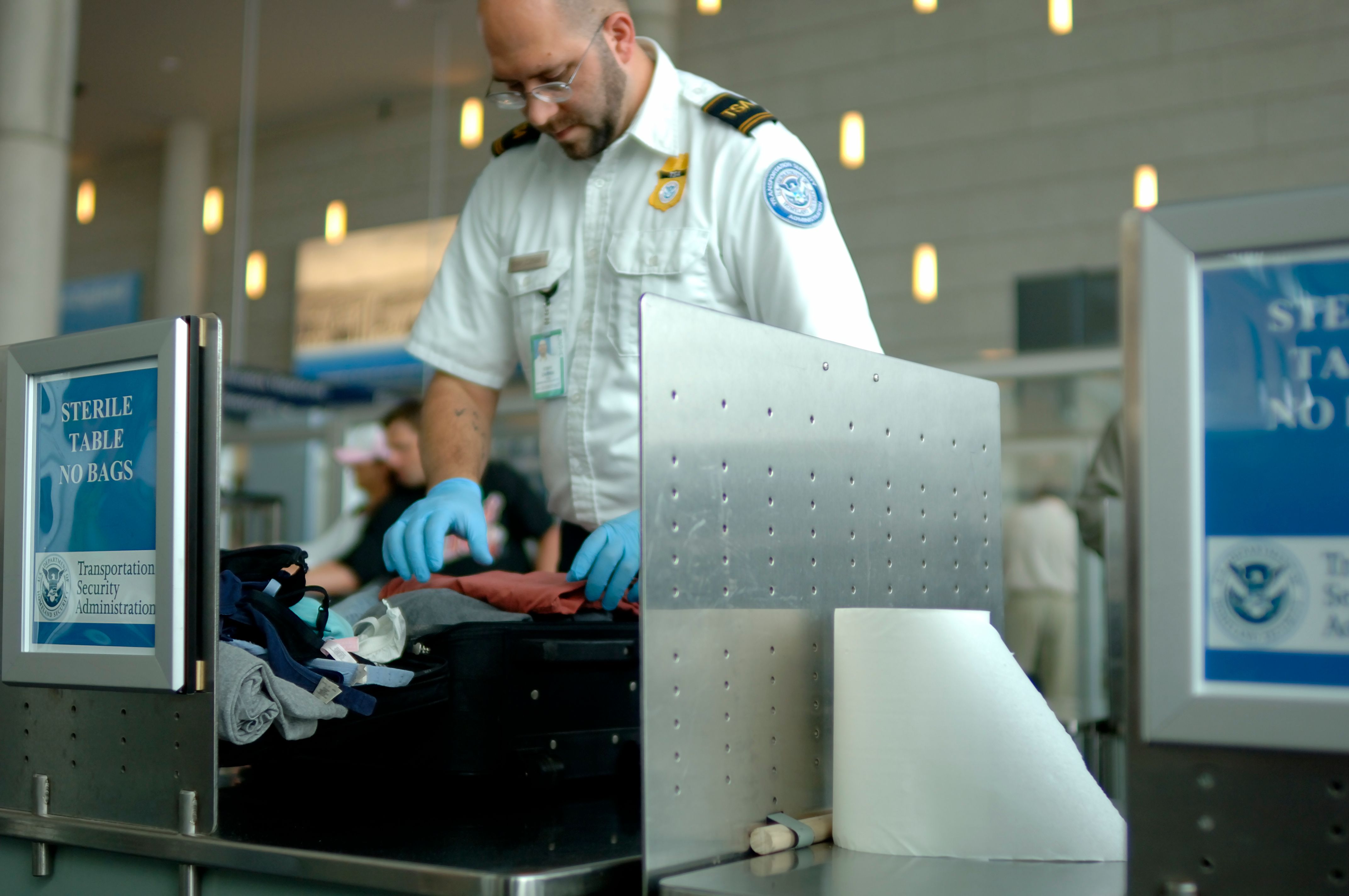
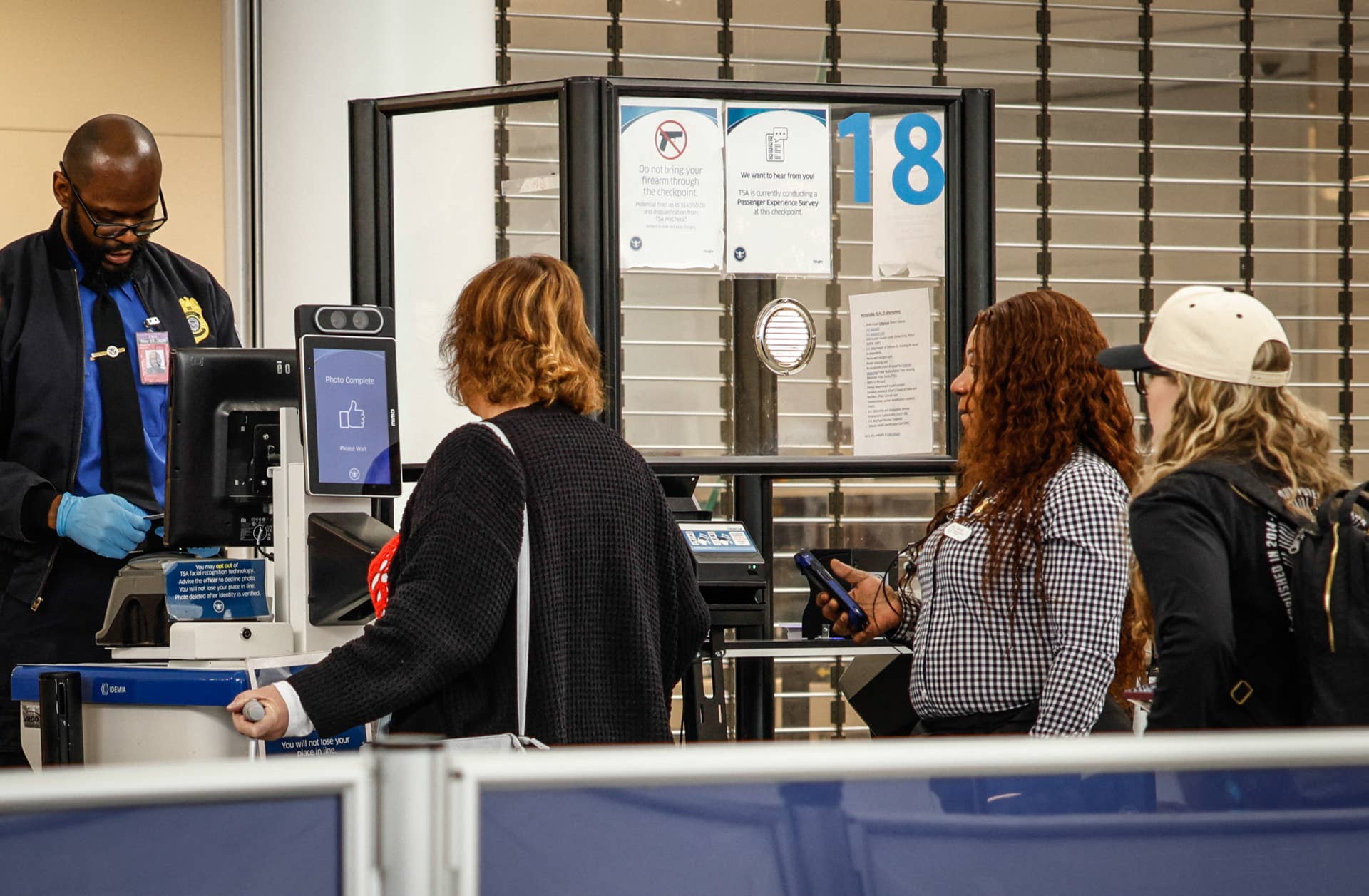
The TSA maintains standardized security procedures designed to protect the integrity of the civil aviation system. While localized airport variations exist based on technology availability—such as the implementation of Advanced Imaging Technology (AIT) or Credential Authentication Technology (CAT)—the core rules regarding what you can carry remain consistent across all domestic airports in the United States.
When preparing for travel, categorize your belongings into three distinct groups: items permitted in both carry-on and checked luggage, items permitted only in checked luggage, and strictly prohibited items. Understanding this hierarchy is the most effective way to prevent delays at the security checkpoint and avoid the involuntary surrender of personal belongings.
Navigating the 3-1-1 Liquids Rule
The 3-1-1 rule remains the standard for transporting liquids, gels, aerosols, creams, and pastes in carry-on baggage. This regulation dictates that each passenger may carry containers of these substances provided they do not exceed 3.4 ounces (100 milliliters) each.
All such containers must fit comfortably into a single, transparent, quart-sized, resealable plastic bag. Each traveler is limited to one bag, which must be removed from your carry-on and placed in a bin for separate X-ray screening. It is important to note that the limit applies to the container size, not the amount of liquid remaining within it; a partially filled 6-ounce bottle is prohibited in a carry-on, regardless of its contents.
Exceptions are made for medically necessary liquids, including medications, baby formula, and breast milk. These items do not need to adhere to the 3-1-1 rule but must be declared to the TSA officer at the start of the screening process. Be prepared for additional screening of these items, which may involve specialized testing.
Prohibited Items and Categorization
Security protocols categorize items based on their potential to compromise aviation safety. While common sense often aligns with these rules, specific nuances can catch even frequent flyers off guard.
Carry-On vs. Checked Restrictions
Items such as tools, sporting goods, and sharp objects are subject to strict scrutiny. Most tools longer than 7 inches are prohibited in carry-on bags and must be checked. Conversely, while most firearms are prohibited in carry-on bags, they may be transported in checked luggage if they are unloaded, locked in a hard-sided container, and declared to the airline during the check-in process.
Chemical and Flammable Materials
Hazardous materials, including most flammable liquids, household cleaners, and explosives, are strictly prohibited in both carry-on and checked bags. While some lithium-ion batteries are permitted, their transport is governed by specific watt-hour ratings, particularly regarding spare batteries or power banks, which must be carried in your carry-on luggage to mitigate fire risks in the cargo hold.
Comparison of Security Screening Requirements
| Category | Carry-On Restrictions | Checked Bag Restrictions |
|---|---|---|
| Liquids | 3.4 oz (100ml) or less; 3-1-1 bag | No quantity limit |
| Sharp Objects | Prohibited (most) | Permitted |
| Firearms | Strictly Prohibited | Permitted (Declared/Locked) |
| Batteries | Permitted (Lithium Ion) | Prohibited (Spare Batteries) |
| Medication | Permitted (Exempted) | Permitted |
Identification and Documentation
For domestic flights within the United States, all passengers 18 years of age or older must present a valid, government-issued photo ID at the security checkpoint. Acceptable forms of identification include a state-issued driver’s license, a U.S. passport, or a military ID.
As of 2026, enforcement of REAL ID requirements remains a critical consideration. Passengers should ensure their state-issued identification is REAL ID compliant, indicated by a star symbol in the upper right corner of the card. If you lose your identification at the airport, you may still be able to fly if you provide sufficient personal information to the TSA officer, allowing them to verify your identity through public records, though this process may result in additional screening and longer wait times.
Strategies for Efficient Checkpoint Transit
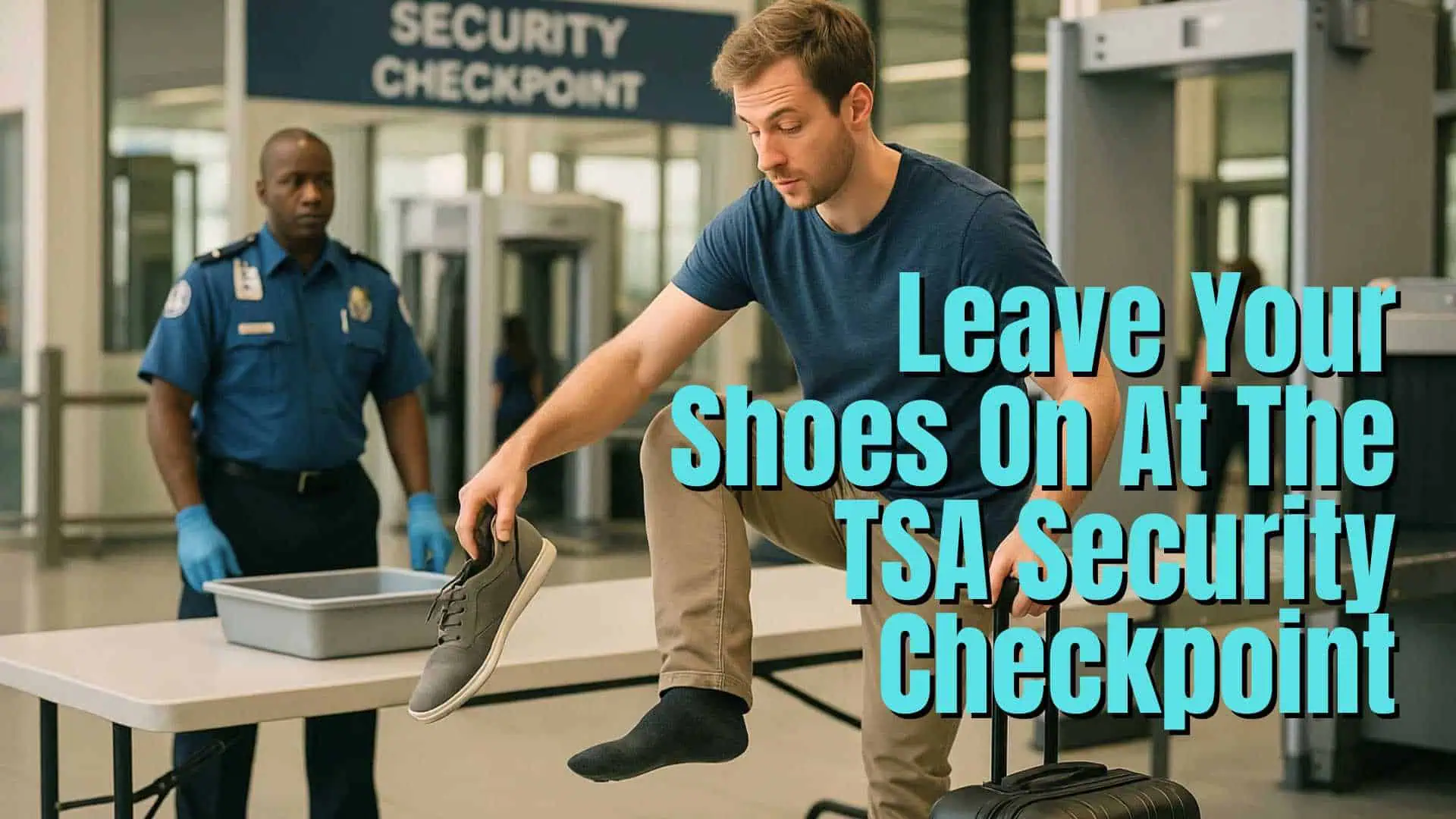
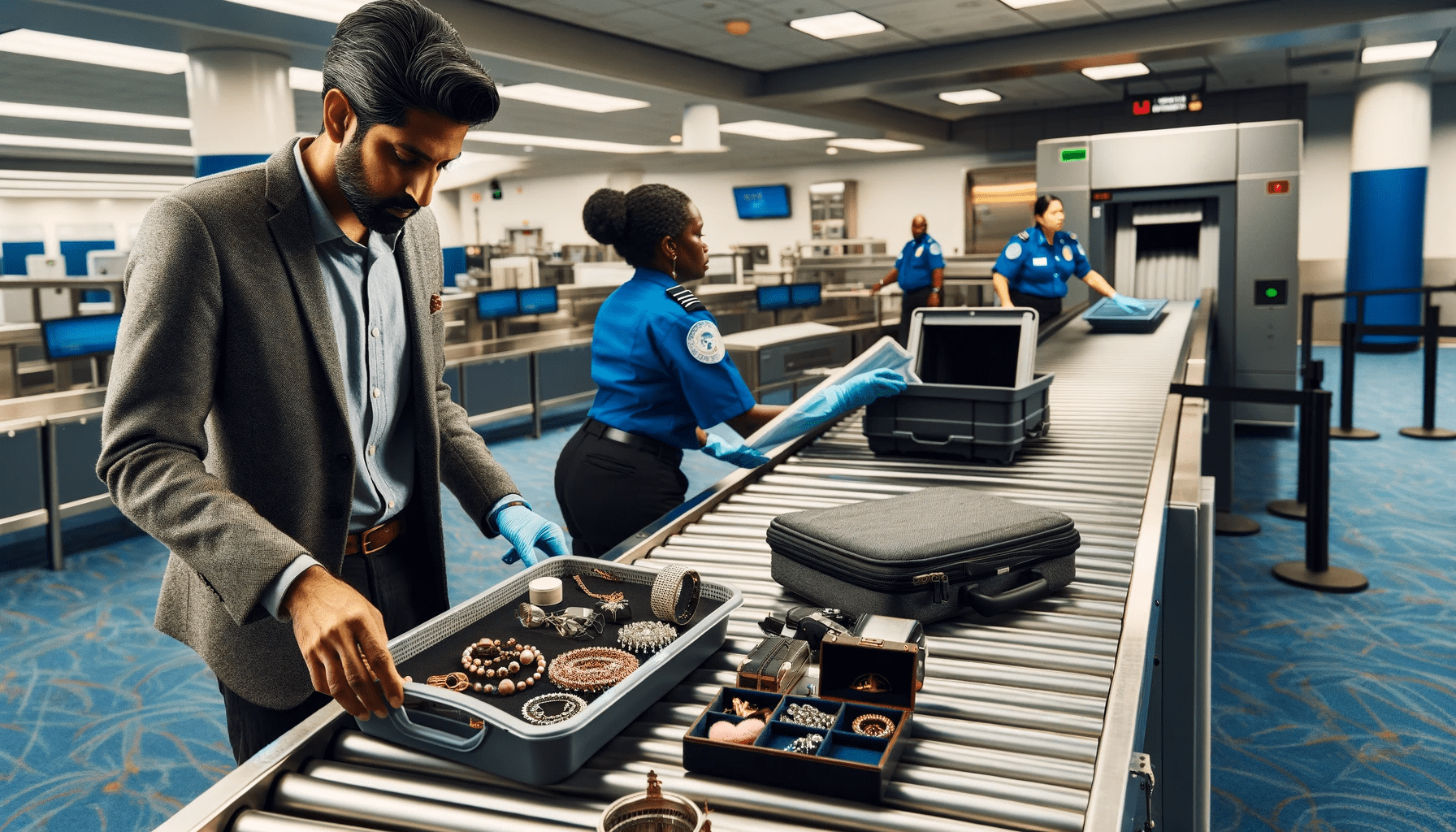
Preparation is the primary factor in reducing stress during the screening process. Organize your electronics so they can be removed quickly if required, and ensure that any wearable items like heavy coats, belts, or bulky jewelry are removed and placed in bins before arriving at the X-ray machine.
If you are enrolled in a Trusted Traveler program such as TSA PreCheck, utilize the designated lanes. These lanes are optimized for efficiency, often allowing you to leave your shoes, belts, and light jackets on, and keep 3-1-1 compliant liquids and electronics inside your bag. Always check your boarding pass for the PreCheck indicator; if it is missing, you must follow the standard screening procedures regardless of your program enrollment.
Frequently Asked Questions
Can I bring food through the TSA checkpoint?
Yes, you may bring solid food items through security. However, food that is considered a gel, liquid, or spread—such as yogurt, peanut butter, or salsa—must comply with the 3-1-1 liquid rule. If the item cannot be easily poured, pumped, or spread, it is generally treated as a solid.
What should I do if I am traveling with a medical device?
Notify the TSA officer before the screening process begins. You should carry documentation or a physician’s note regarding your device, though it is not strictly required. Depending on the device, you may be subject to a pat-down or specialized screening rather than passing through an AIT scanner.
Are there restrictions on bringing electronic cigarettes or vaping devices?
Electronic smoking devices and their batteries are strictly prohibited in checked luggage due to fire safety concerns. You must carry these devices in your carry-on bag or on your person. Always protect the heating element to prevent accidental activation during the flight.
Does TSA require a passport for domestic flights?
No, a passport is not required for domestic travel, provided you have other acceptable forms of government-issued photo identification. However, a passport is the most universally accepted form of ID for aviation security purposes.
How are ashes or cremated remains handled?
TSA allows the transport of cremated remains in carry-on or checked baggage, provided they pass through X-ray screening. To facilitate this, the container must be made of a material that allows the scanner to clearly see the contents, such as wood, plastic, or cardboard. Metal containers prevent visual inspection and may be prohibited.
Preparing for Your Next Flight
The most effective way to ensure a seamless security experience is to verify the status of your specific items prior to departure using the official TSA "What Can I Bring?" search tool. By packing strategically, labeling your liquids correctly, and ensuring your identification is current and compliant, you minimize the likelihood of manual bag searches and checkpoint bottlenecks. Always arrive at the airport with sufficient time to accommodate potential variations in security wait times, which are subject to fluctuation based on passenger volume and operational demand.