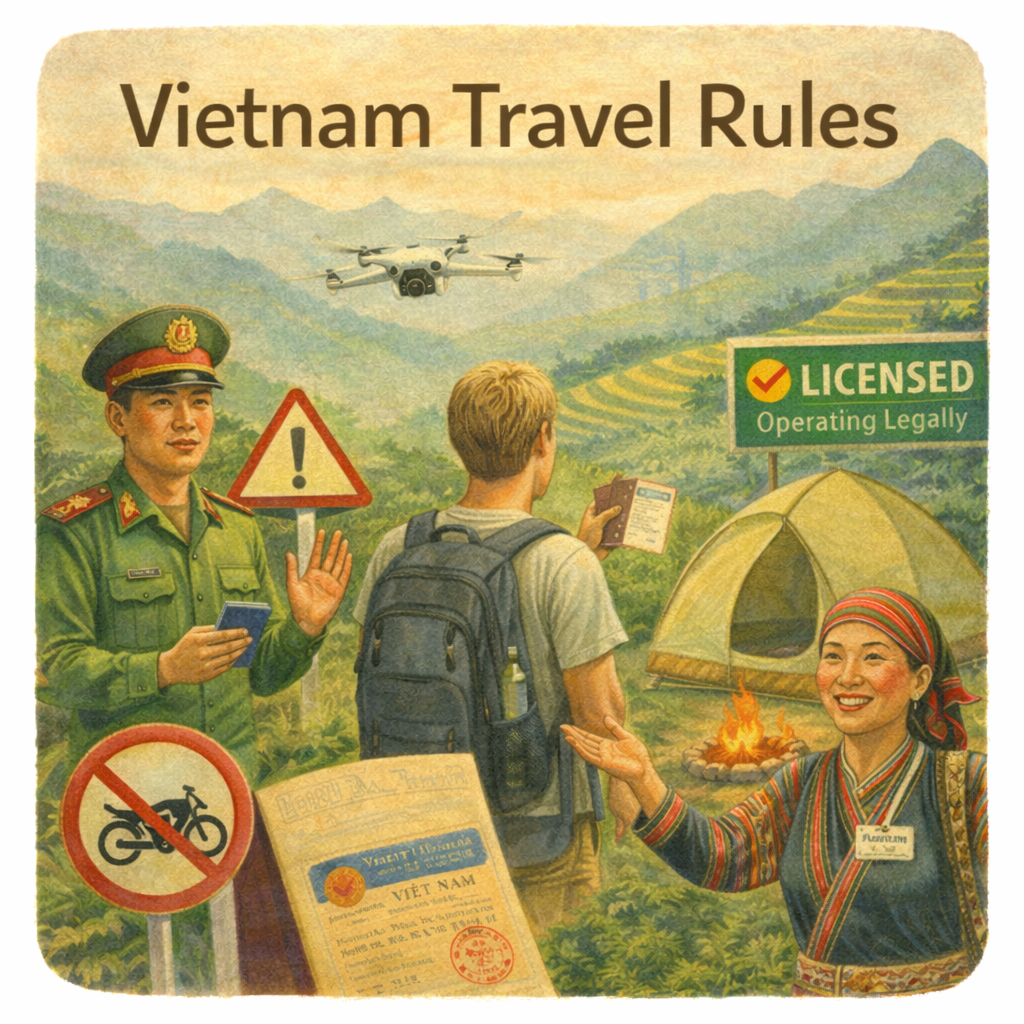
Travel rules encompass the diverse set of regulatory requirements, documentation standards, and health mandates that govern how individuals move between jurisdictions. Navigating these requirements effectively involves understanding border entry protocols, mandatory documentation, and transit-specific restrictions to ensure compliance with local laws and international aviation or maritime security standards.
The Foundation of Modern Border Entry Requirements
Travel rules are primarily dictated by the sovereign authority of the destination country, though they are often influenced by international agreements, such as the Schengen Agreement in Europe or bilateral visa waiver programs. At the most fundamental level, a traveler must possess a valid passport, which, in most jurisdictions, must be valid for at least six months beyond the intended date of departure.
Beyond the passport, the regulatory environment is segmented by the traveler's citizenship and the purpose of the visit. Many nations utilize electronic travel authorization systems—such as the U.S. ESTA (Electronic System for Travel Authorization) or the ETIAS (European Travel Information and Authorization System)—which serve as pre-screening mechanisms for visa-exempt travelers. These systems are not visas but are mandatory digital requirements that must be completed prior to boarding a flight or ship. Failure to secure these authorizations can result in denied boarding at the point of origin, regardless of a traveler's intent or ticket purchase status.
Health and Biosecurity Regulations
Since the global health shifts of the early 2020s, health-related travel rules have become a permanent, if evolving, component of international transit. While broad mandates have largely receded, localized requirements regarding proof of vaccination or health screenings may still be enforced for travelers arriving from specific high-risk regions or for those entering countries with strict agricultural or public health policies.
Travelers are increasingly expected to utilize digital health portals or government-issued apps to declare health status or medical exemptions. Furthermore, biosecurity remains a major focus. Many countries, such as Australia and New Zealand, enforce strict rules regarding the import of organic material, food, and plant products. These rules are non-negotiable; failure to declare prohibited items can lead to heavy fines, immediate deportation, or the permanent revocation of entry privileges.
Documentation and Transit Logistics
The complexity of travel rules intensifies when transit involves multiple borders. Travelers often assume that rules for their final destination are the only ones that matter, yet transit rules can be equally rigorous. Some countries require a transit visa even if the traveler does not leave the secure area of the airport, particularly for citizens of nations that do not share favorable diplomatic relations with the transit country.
| Document Type | Purpose | Key Constraint |
|---|---|---|
| Passport | Primary Identification | Must have 6+ months validity |
| Visa | Legal permission to enter | Tied to specific purpose/duration |
| ETA/e-Authorization | Pre-boarding clearance | Mandatory for visa-exempt travelers |
| Health Declaration | Public health monitoring | Often valid for 24-48 hours only |
| Transit Visa | Airport/Port transfer | Required by specific nationalities |
When managing these requirements, maintaining a digital and physical archive of all approvals is critical. In 2026, most border agencies have transitioned to paperless systems; however, having a physical copy of an electronic authorization serves as a vital contingency if digital systems at the port of entry experience outages or connectivity failures.
Navigating Security and Prohibited Items
Security rules—governed by national transport authorities and international bodies like the ICAO (International Civil Aviation Organization)—standardize the items that may be carried on board an aircraft. While liquids, aerosols, and gels (LAGs) remain restricted in many regions, the implementation of advanced 3D scanning technology at security checkpoints is gradually altering these rules.
Despite technological upgrades, travelers should operate under the assumption that restricted items include any object that could be used as a weapon, flammable substances, or undeclared high-value electronics. The "travel rules" for security are strictly enforced to maintain the safety of the flight crew and passengers. Always consult the specific airline’s baggage policy, as individual carriers often impose stricter rules than the national transport authority regarding weight, size, and the carriage of lithium-ion batteries or smart luggage.
Financial and Customs Regulations
Entering a country carries with it the responsibility to abide by local financial and customs laws. Many nations mandate that travelers declare any amount of currency or financial instruments exceeding a specific threshold—often equivalent to $10,000 USD. Failure to disclose this amount during customs screening is a criminal offense in many jurisdictions and can result in the total forfeiture of the funds.
Additionally, customs rules regarding duty-free allowances are strictly enforced. Travelers should verify the "allowance" for tobacco, alcohol, and luxury goods before arrival. Attempting to bring in items in excess of these limits without declaring them leads to the payment of duties, taxes, or, in instances of attempted smuggling, prosecution. Always treat the customs declaration form as a legal document; any inaccuracy can cause significant delays or legal repercussions at the border.
Common Compliance Pitfalls and Troubleshooting
The most common error travelers make is assuming that rules are static. In reality, travel rules can shift due to geopolitical tension, public health emergencies, or changes in diplomatic status. A common pitfall is relying on outdated information from social media or informal travel forums. Always verify requirements directly through official government websites, specifically the embassy or consulate of the destination country.
If a traveler encounters an issue—such as a denied boarding status or a missing authorization—the immediate next step is to contact the airline or the relevant border agency’s help desk. If you are denied entry or boarding, do not argue with airline personnel at the gate, as they are legally obligated to follow the instructions provided by the border authorities. Instead, request the specific regulation number or reason for the denial, as this information is essential for resolving the issue with embassy or consular officials.
Frequently Asked Questions
Do I need a visa if I am just transiting through a country?
It depends on your citizenship and the transit country’s specific rules. Some nations require a transit visa even for airside transfers, while others allow transit without a visa for up to 24 hours. Always check the transit country’s embassy website for the latest requirements based on your specific passport.
How can I verify if my passport is "valid" for travel?
Most countries require at least six months of remaining validity on your passport from the date of your departure. Check your passport’s expiration date against your planned return date; if it is less than six months, you should renew your passport well in advance of your trip to avoid being denied boarding at the airport.
Are digital copies of visas accepted at border control?
While many countries have moved to digital systems, you should always carry a printed copy of your visa or electronic authorization. Technology failures, such as server outages or lack of internet access at the border, can prevent officials from verifying your digital status, leading to unnecessary delays.
What should I do if I exceed the currency declaration limit?
You must declare the total amount of cash or financial instruments on your customs form when you arrive. Declaring the funds is usually sufficient to avoid penalties, provided the money is legally obtained. If you fail to declare it and are caught during a random search, the authorities may seize the entire amount.
How do I know if my medications are allowed?
Regulations regarding medication vary significantly by country. Generally, you should carry medication in its original, labeled packaging, accompanied by a copy of your doctor's prescription. For controlled substances, you may need prior authorization from the destination country’s health ministry; check their official portal well before your departure.
Next Steps for Compliance
To ensure your travel plans remain unaffected by changing regulations, establish a compliance checklist at least 60 days before your departure. Start by verifying the entry requirements on the official government website of the destination country. Next, audit your travel documents to ensure they meet the six-month validity rule and secure any necessary visas or electronic authorizations. Finally, create a physical file for your travel documents and a secondary digital backup. By adhering to these protocols, you minimize the risk of logistical interference and maintain your status as a compliant traveler.