Navigating fantasy football roster management requires precise data interpretation, and utilizing a trade analyzer fantasy tool is essential for maintaining a competitive edge during the 2026 season. Modern fantasy managers face increasingly complex leagues featuring multi-position flex spots, Superflex formats, and deep benches. Evaluating player values objectively is nearly impossible without leveraging algorithmic trade calculators that process historical production, advanced tracking metrics, and rest-of-season projections. This comprehensive guide explores how to maximize trade analyzers, the underlying mathematics of player valuations, and strategies to exploit league-wide market inefficiencies in 2026.
Understanding the Mechanics Behind Modern Fantasy Trade Calculators
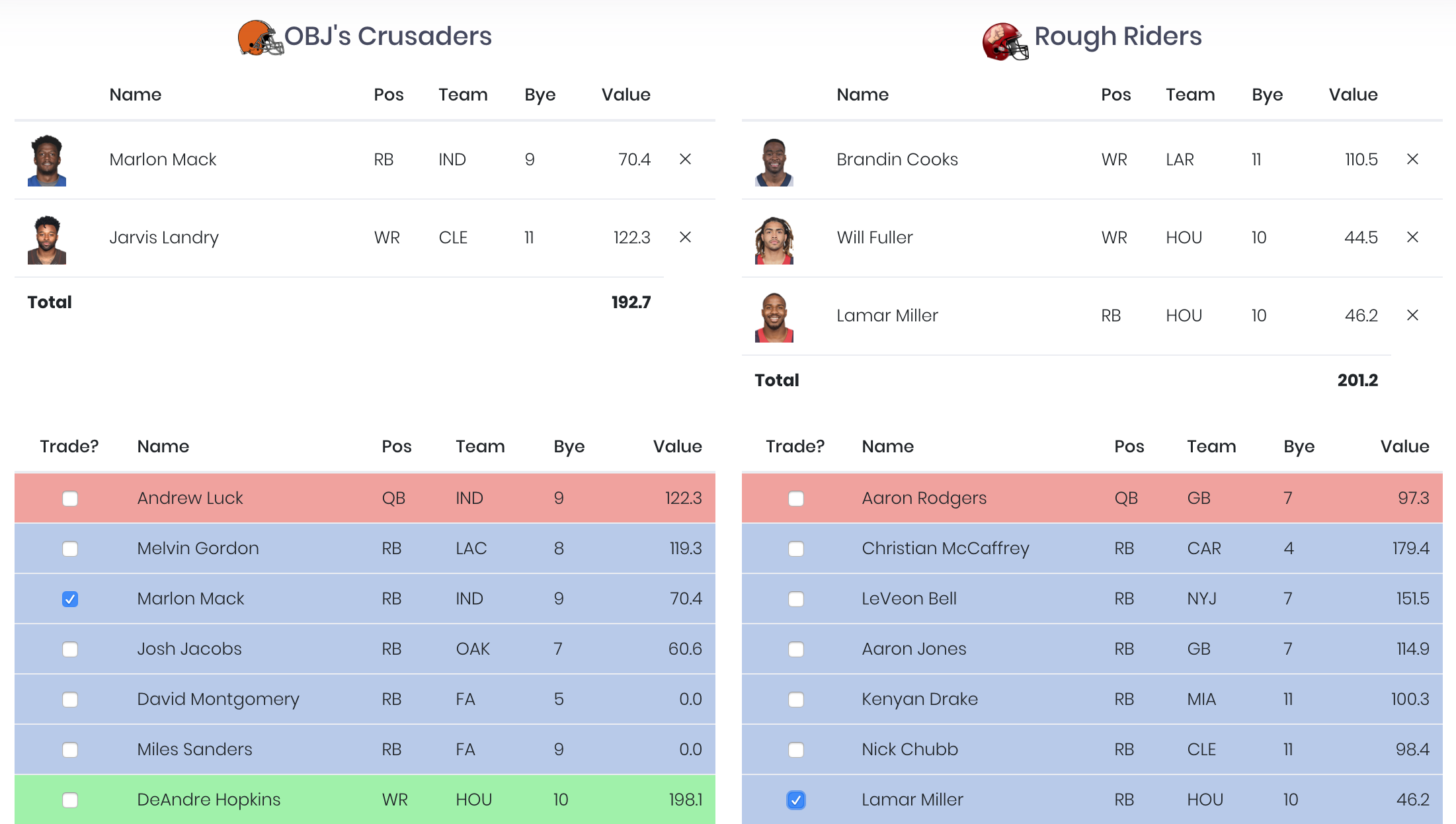
At its core, a trade analyzer evaluates player values by aggregating a massive dataset of projected statistics, historical performance curves, and positional scarcity metrics. Unlike basic static rankings, a 2026-grade trade calculator adapts dynamically to league settings, scoring formats, and roster constraints.
Advanced algorithms weigh several critical factors to determine whether a trade is fair or heavily skewed:
- Positional Scarcity Multipliers: Elite tight ends and dual-threat quarterbacks carry disproportionately higher values in leagues with custom premium scoring compared to standard half-PPR formats.
- Rest-of-Season (ROS) Projections: Rather than relying solely on past box scores, sophisticated analyzers incorporate strength of schedule, upcoming playoff matchups, and historical durability data.
- Bench Depth and Replacement Value: A two-for-one trade often favors the team receiving the single best player because replacement-level waiver wire options rarely match elite weekly ceilings.
- Bye Week Adjustments: Short-term roster crunches during the middle of the NFL season can temporarily inflate or deflate a player's perceived trade value.
Evaluating Popular Trade Analysis Models and Metrics
To make informed decisions, managers must understand the metrics driving these evaluations. Different platforms rely on distinct calculation models, ranging from simple consensus rankings to machine-learning projections that predict breakout windows.
| Analyzer Type | Primary Methodology | Best Used For | Limitation |
|---|---|---|---|
| Consensus Ranking Calculators | Aggregated expert rankings and trade charts | Quick baseline checks and casual leagues | Slow to react to sudden injury news or depth chart shifts |
| Dynasty Value Calculators | Age-adjusted player valuation curves and future draft pick worth | Multi-year roster planning and rookie drafts | Can overvalue youth at the expense of immediate championship windows |
| Advanced Metric Analyzers | Expected Fantasy Points (xFP), target share, and snap rates | Identifying buy-low and sell-high candidates | Requires deeper analytical literacy to interpret properly |
| League History Calculators | Analyzing specific manager tendencies and past trade patterns | Customizing offers for stubborn league mates | Highly subjective and prone to overfitting historical data |
Strategic Approaches to Leveraging Trades During the 2026 Season
Successfully executing trades involves more than simply plugging players into a calculator and hoping for a green checkmark. Successful managers treat trade analyzers as diagnostic tools rather than absolute law.
Managerial Insight for 2026: Always account for the psychology of your trade partner. A calculator might deem a trade perfectly balanced, but if the opposing manager is desperate for immediate running back help due to injuries, you can often leverage their urgency to extract additional value.
Identifying Buy-Low and Sell-High Windows
Advanced trade analyzers help pinpoint players whose underlying usage significantly outpaces their raw fantasy output. For instance, a wide receiver who commands a 30% target share but suffers from an unsustainable touchdown drought represents a textbook buy-low candidate. Conversely, a running back scoring touchdowns on low snap counts is an ideal sell-high asset before regression strikes.
Mastering the Two-for-One Consolidation Strategy
In competitive leagues, roster spots carry immense intrinsic value. Upgrading your starting lineup by trading two fringe starters for one elite superstar almost always benefits your team, even if a trade analyzer calculates a slight loss in total value. Playoff matchups are won by weekly ceiling, not bench depth.
Comparative Breakdown: Redraft Versus Dynasty Trade Valuation
Evaluating a trade requires understanding the distinct timeline of your league format. The table below outlines how player valuation shifts between single-season redraft leagues and multi-year dynasty formats in 2026.
| Valuation Factor | Redraft Leagues (2026 Focus) | Dynasty Leagues (2026 Focus) |
|---|---|---|
| Player Age | Minimal impact unless injury-prone | Primary driver of long-term worth |
| Rookies | Heavily discounted until proven | Valued at a premium based on draft capital |
| Future Draft Picks | Worthless or used as minor sweeteners | Core currency for rebuilding or contending |
| Injuries | Devastating if season-ending | Opportunity to buy injured elite players at a discount |
Step-by-Step Guide to Proposing Winning Trades
Executing a successful trade requires a structured, diplomatic approach that minimizes rejection rates and maximizes roster improvement.
- Audit Your Roster Weaknesses: Identify whether your team needs immediate weekly floor stability or high-upside players for a championship push.
- Run Initial Calculations: Input potential combinations into a reputable 2026 trade analyzer to establish a baseline of perceived fairness across the league.
- Analyze Your Partner's Needs: Look at the opposing manager's roster to find their glaring vulnerabilities—such as a lack of depth at running back or a bye-week quarterback crisis.
- Craft a Balanced Offer: Propose a deal that solves their roster problem while improving your starting lineup. Avoid insulting lowball offers that permanently damage your trade rapport.
- Communicate Context: Send a polite message explaining the mutual benefit of the trade, emphasizing how it helps both teams achieve their specific goals.
Frequently Asked Questions About Fantasy Trade Analyzers
Are trade analyzers always accurate?
Trade analyzers provide objective baselines based on data, but they cannot predict sudden injuries, unexpected coaching changes, or individual league market dynamics. Use them as a guide rather than an absolute rule.
How do dynasty trade calculators factor in draft picks?
Dynasty calculators assign numerical values to future rookie picks based on projected draft position, historical hit rates, and the strength of upcoming collegiate draft classes.
Why do some fair trades get rejected by league mates?
Perception often outweighs math in fantasy sports; managers frequently overvalue their own players and undervalue incoming assets due to emotional attachment.
Can trade analyzers be customized for custom league scoring?
Yes, advanced calculators allow you to input specific scoring settings—such as tight end premium, point per carry, or Superflex—to ensure accurate valuations.
What is the biggest mistake managers make when using trade analyzers?
Relying solely on total value sums without considering starting lineup constraints, bye weeks, or the distinct advantage of consolidating talent into elite starting players.
How often are player values updated in 2026 analyzers?
Top-tier platforms update player values dynamically following every NFL game, factoring in snap counts, injury reports, and weekly performance trends.
Ready to dominate your league and optimize your championship roster? Utilize a trusted 2026 fantasy trade analyzer today to evaluate your options, exploit market inefficiencies, and secure the missing pieces for your championship run.