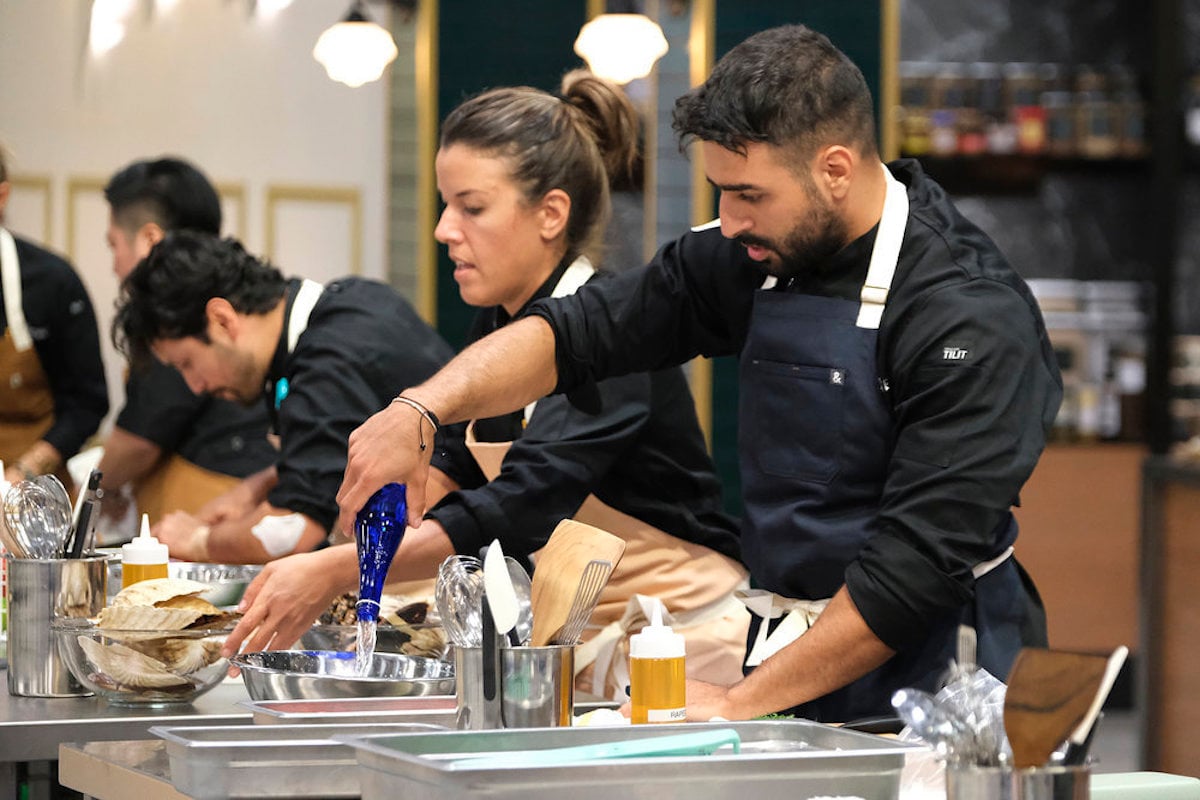
The most recent iteration of the Top Chef All-Stars franchise, Top Chef: World All-Stars (Season 20), concluded with Buddha Lo emerging as the champion. Taking place in London, the competition featured a global roster of contestants, with Lo securing the title and a grand prize of $250,000. This victory marked a significant milestone, solidifying his status as one of the most accomplished competitors in the series' history.
The Evolution of the All-Stars Format
The Top Chef franchise has historically utilized the "All-Stars" format to bring back fan-favorite contestants from previous seasons who did not secure the win, or who returned to solidify their culinary legacy. Unlike standard seasons, which typically feature a cast of relatively unknown professional chefs, All-Stars seasons operate on a significantly higher level of technical expectation. The judges, including host Kristen Kish and long-standing fixtures like Tom Colicchio and Gail Simmons, demand a level of sophistication, refined plating, and complex flavor profiles that reflect the contestants' years of post-show growth.
In the case of Season 20, the format shifted to a "World All-Stars" scope. This meant that participants were not only alumni of the American version of Top Chef but also included winners and finalists from various international editions of the franchise, such as Top Chef France, Top Chef Middle East, and Top Chef Brazil. This elevation of the competition meant that the prize money and the stakes were adjusted to reflect the international prestige of the participants.
Prize Money and Professional Stakes
For the latest All-Stars victory, the prize money was set at $250,000. This is consistent with the standard payout for modern iterations of the show, though it differs from the earlier, lower prize amounts seen in the infancy of the franchise. It is important to distinguish this from the "fan favorite" prizes or individual challenge wins, which are often separate, smaller cash awards or luxury goods donated by sponsors.
The prize money serves several functions within the culinary industry. For many winners, it provides the capital necessary to launch a solo restaurant project, pivot to private catering, or refine a personal brand. It also serves as an industry-recognized accolade that essentially functions as a marketing tool, granting the chef a lifetime of credibility in the competitive world of fine dining and professional cooking.
Core Components of the Competition
To understand how a champion is crowned, one must look at the structural requirements imposed on the chefs throughout the season. The competition is divided into two primary types of challenges that test different aspects of culinary aptitude:
- Quickfire Challenges: These are time-restricted, high-pressure tasks that force chefs to think on their feet using limited ingredients or specific equipment. They often test technical versatility and the ability to maintain flavor integrity under extreme duress.
- Elimination Challenges: These are the primary determinants of a chef's longevity in the show. They often require extensive prep time and involve creative briefs, such as catering events, cooking for high-profile guest judges, or executing complex scientific culinary techniques.
A competitor’s consistency across these two formats determines their progression to the finale. The finale itself is typically a multi-course tasting menu service, where finalists are judged not only on the quality of their food but also on their ability to lead a kitchen brigade and deliver a cohesive narrative through their dishes.
Comparison of Recent Championship Factors
The following table outlines the factors that define the success of a Top Chef champion in the modern era, focusing on the variables that differentiate an All-Stars winner from a standard season winner.
| Factor | Standard Season | All-Stars Season |
|---|---|---|
| Participant Experience | Professional but novice to TV | Highly experienced / TV-seasoned |
| Technical Demand | Foundational and creative | Advanced, avant-garde, and precise |
| Grand Prize | Typically $250,000 | Typically $250,000 + Global Prestige |
| Judging Focus | Potential and growth | Refined consistency and innovation |
| Competition Pool | Mixed experience levels | Elite, proven culinary peers |
Requirements and Eligibility for All-Stars
Eligibility for an All-Stars season is rarely a matter of applying. Unlike standard seasons where chefs submit applications and audition via video submission, All-Stars contestants are hand-picked by producers and casting directors. The primary requirement is a previous, strong performance on a Top Chef franchise installment.
Candidates are generally vetted based on their growth since their last appearance, their current standing in the culinary world, and their "story" or personal journey that fits the narrative arc of a new season. For the international World All-Stars format, contestants were required to hold a title or have reached the final rounds of their respective country's Top Chef competition, ensuring a baseline of world-class ability.
Challenges Faced by Returning Champions
One of the most significant hurdles for an All-Stars contestant is the "reputation burden." When a chef returns to the show, they are no longer an unknown quantity. Judges and viewers have expectations based on their previous performances. If a chef was known for a specific style of cooking—such as molecular gastronomy or traditional French technique—the judges expect to see that evolution or mastery.
Additionally, the physical toll of a Top Chef season is immense. The production schedule is grueling, often involving 12-to-16-hour days with minimal sleep. Returning champions must reconcile the lessons they learned from their first exit with the high-stakes pressure of an environment where every other competitor is equally capable of winning. The mental fortitude required to navigate these conditions often defines the winner as much as their actual cooking ability.
Common Misconceptions About the Title
Many viewers assume that winning an All-Stars competition automatically results in a Michelin-starred trajectory. While winning provides significant professional visibility, the culinary industry remains rooted in day-to-day operations. A championship title is a prestigious credential that attracts investors and diners, but the long-term success of the chef remains tied to their ability to run a profitable, high-quality establishment.
Another misconception is that the judging is purely subjective. While taste is subjective, Top Chef employs a rigorous set of criteria that includes execution, technique, cleanliness, adherence to the challenge prompt, and, increasingly, sustainable sourcing and resource management. The judging panel is comprised of industry leaders who evaluate dishes based on professional benchmarks, ensuring that the champion is objectively the most consistent and skilled chef in the room at that time.
How to Follow Future Developments
For those interested in the future of the franchise, official updates are disseminated via the production network's press releases and the official Top Chef digital platforms. Because the industry moves rapidly, staying updated through official announcements ensures accuracy regarding season locations, prize structures, and cast reveals.
If you are a fan of culinary competitions, it is recommended to pay attention to the "Last Chance Kitchen" digital companion series, which often runs alongside the main show. This series provides deeper insight into the technical skills of the competitors who have been eliminated, providing a secondary layer of context to the overall season narrative and the ultimate crowning of the champion.
Professional Next Actions for Aspiring Competitors
For those who aspire to compete in future Top Chef seasons, the path is clear: build a reputation in the culinary industry before entering the television sphere. The most successful champions are those who have spent years in diverse kitchens, mastering multiple cuisines and understanding the business side of hospitality.
- Refine Your Technique: Focus on foundational skills; even the most avant-garde dishes require a mastery of heat control, knife skills, and seasoning.
- Develop a Signature Style: Judges look for a chef with a clear point of view. Being a "good cook" is rarely enough; you must be a storyteller through food.
- Study the Industry: Stay abreast of food trends and technical advancements. The show frequently challenges chefs to incorporate current industry concerns, such as waste reduction and ingredient sourcing.
- Prepare for High-Pressure Environments: Experience in fast-paced, high-volume kitchen environments is a prerequisite for managing the time constraints of the Top Chef kitchen.