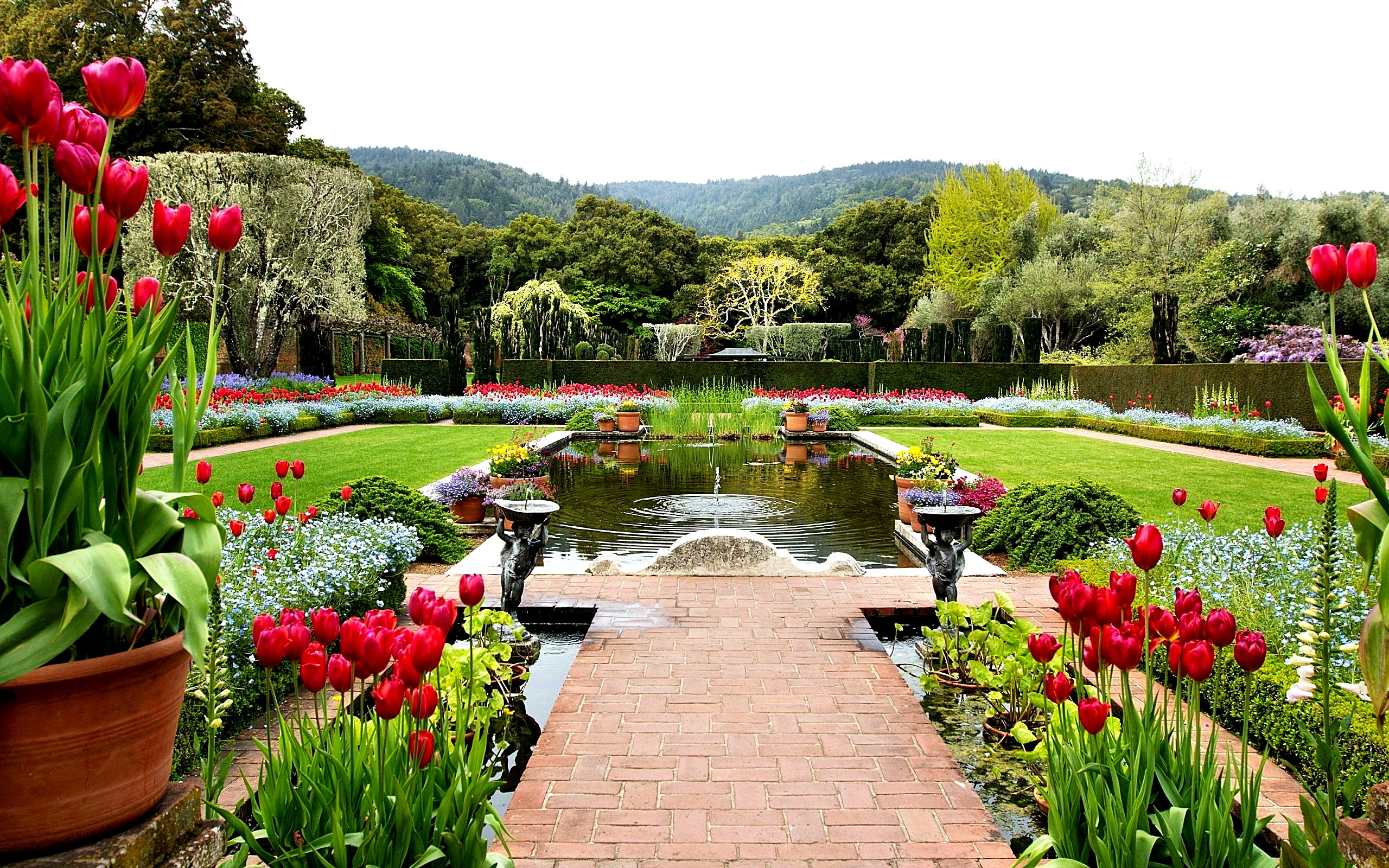
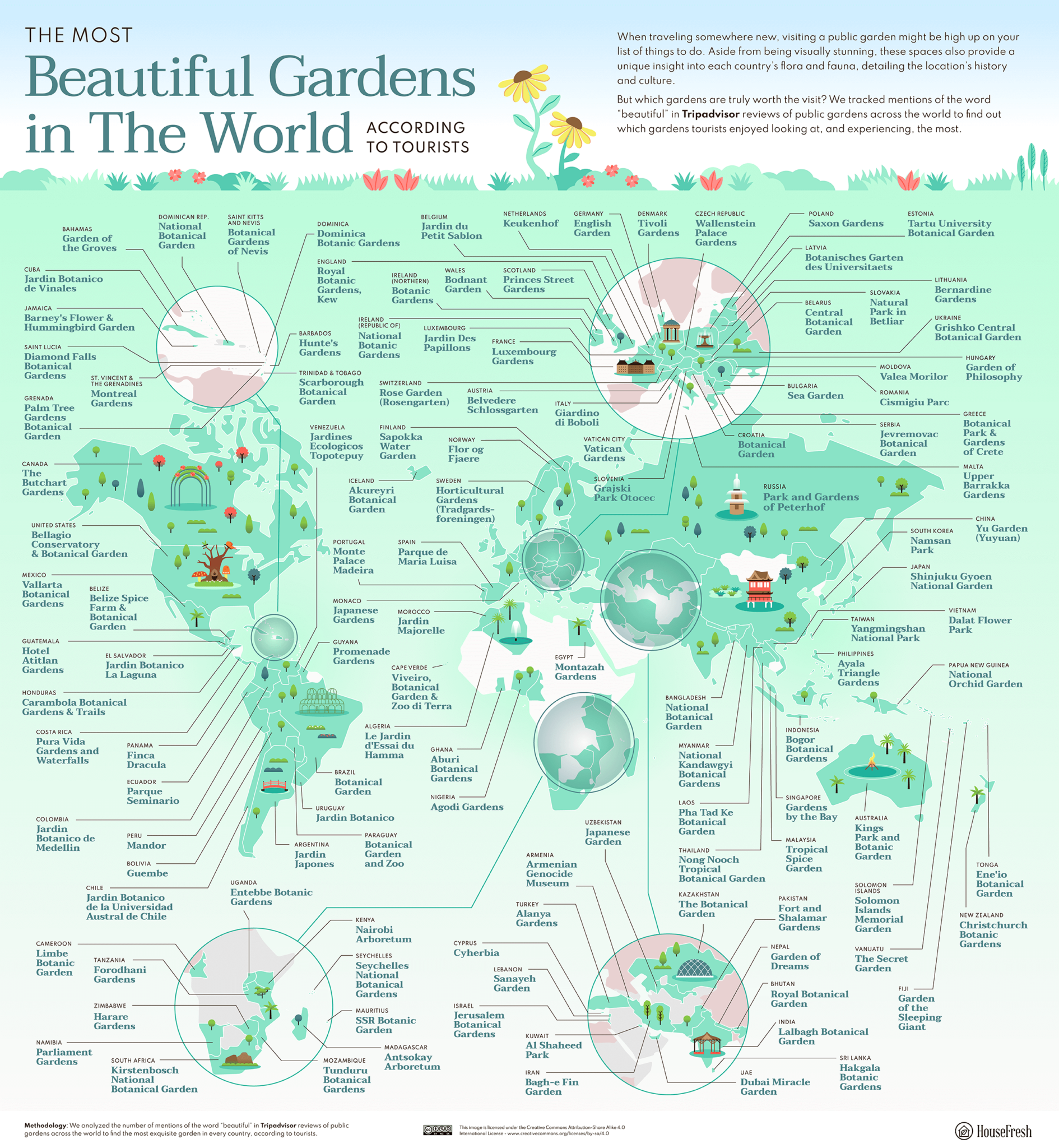
The world’s most beautiful gardens represent a synthesis of horticulture, landscape architecture, and cultural history. These sites, curated over centuries or designed by master planners, offer immersive experiences that prioritize biodiversity, aesthetic geometry, and the preservation of rare flora. This guide explores ten premier botanical destinations, focusing on their significance and the practicalities of visiting them in 2026.
1. Keukenhof, The Netherlands
Often referred to as the "Garden of Europe," Keukenhof is a seasonal spectacle located in Lisse. It is not a permanent botanical garden but a rotating showcase of approximately seven million flower bulbs planted annually. The garden emphasizes Dutch bulb-growing heritage, featuring expansive displays of tulips, hyacinths, and daffodils. Visitors must plan their trips during the spring window—typically from mid-March to mid-May—as the site closes for the remainder of the year to accommodate maintenance and replanting cycles.
2. The Butchart Gardens, Canada
Situated on Vancouver Island, The Butchart Gardens is a designated National Historic Site of Canada. Originally a limestone quarry, the site was transformed by Jennie Butchart starting in 1904. Its design utilizes the steep contours of the former quarry to create the dramatic "Sunken Garden." The site is recognized for its year-round floral displays, including the rose garden and the Japanese garden, providing a lesson in successful land reclamation and adaptive horticulture.
3. Royal Botanic Gardens, Kew, United Kingdom
Kew Gardens, located in southwest London, holds one of the world's largest and most diverse collections of living plants. As a UNESCO World Heritage site, it serves as a critical research facility for botanical science and conservation. The Victorian-era Palm House remains an architectural highlight, housing an indoor rainforest environment. Visitors benefit from the site’s extensive scientific archives and the temperate glasshouse, which is the largest of its kind globally.
4. Claude Monet’s Garden, France
Located in Giverny, this site is comprised of the Clos Normand and the Water Garden, which served as the inspiration for many of Monet’s impressionist works. The garden is managed to maintain the aesthetic of the late 19th century. Key features include the iconic Japanese bridge and the water lily pond. Access is highly seasonal; the garden is typically open from April through October, reflecting the limitations of the climate and the need to maintain delicate plant specimens.
5. Kirstenbosch National Botanical Garden, South Africa
Kirstenbosch is unique for its focus on indigenous South African flora. Situated on the slopes of Table Mountain in Cape Town, it was the first botanical garden in the world to be established with a specific mandate to preserve a nation's indigenous biodiversity. The "Boomslang" canopy walkway offers an elevated perspective of the garden and the surrounding fynbos biome. It is a vital site for ongoing research into the Cape Floral Kingdom.
6. Nong Nooch Tropical Botanical Garden, Thailand
Spanning over 500 acres in Chonburi, this garden is a leading center for the study of cycads and tropical palm varieties. The site features a mix of traditional Thai design and internationally themed zones, such as the 17th-century French Garden. Its operational structure allows for large-scale botanical conservation, and it serves as a major research hub for the propagation of tropical species that are otherwise at risk of habitat loss.
7. Gardens of Versailles, France
The Gardens of Versailles represent the pinnacle of French formal garden design. Commissioned by Louis XIV and designed by André Le Nôtre, the landscape is defined by its strict geometry, axial symmetry, and extensive water features. Maintaining this site requires constant restoration to preserve the hydraulic systems and the precise topiary forms. It remains a definitive example of how landscaping was used to project political power and absolute order.
8. Longwood Gardens, United States
Located in Pennsylvania, Longwood Gardens serves as a premier venue for horticultural display and education. The site includes elaborate conservatories, an extensive fountain system that features choreographed aquatic shows, and thousands of acres of woodlands and meadows. Longwood is noted for its high-tech approach to water management and seasonal event programming, maintaining a standard for botanical exhibition that integrates engineering with gardening.
9. Villa d’Este, Italy
Located in Tivoli, this 16th-century Italian Renaissance garden is celebrated for its sophisticated water architecture. The garden is carved into the hillside and utilizes gravity-fed fountains, including the Fountain of the Organ, which produces sound through hydraulic pressure. It is a primary reference point for the study of Mannerist landscape design and serves as an important site for historic preservation and hydrological engineering analysis.
10. Desert Botanical Garden, United States
Based in Phoenix, Arizona, this garden demonstrates how arid-land environments can host rich biodiversity. It specializes in desert-dwelling plants, including thousands of species of succulents, cacti, and wildflowers. The garden functions as a critical resource for arid-land research and community education regarding water conservation and drought-tolerant landscaping.
Comparative Summary of Global Gardens
| Garden | Location | Primary Focus | Notable Feature |
|---|---|---|---|
| Keukenhof | Netherlands | Bulbous Flowers | Seasonal tulip displays |
| Butchart | Canada | Land Reclamation | Sunken quarry garden |
| Kew | UK | Scientific Research | Victorian glasshouses |
| Monet’s | France | Artistic Inspiration | Water lily ponds |
| Kirstenbosch | South Africa | Indigenous Fynbos | Table Mountain backdrop |
| Nong Nooch | Thailand | Tropical Biodiversity | Extensive palm collections |
| Versailles | France | Formal Geometry | Axial water systems |
| Longwood | USA | Horticultural Display | Choreographed fountains |
| Villa d'Este | Italy | Renaissance Design | Gravity-fed hydraulics |
| Desert | USA | Arid Land Flora | Desert-specialized plants |
Strategic Planning for Botanical Travel
When visiting these sites in 2026, prospective travelers must consider seasonal constraints and accessibility requirements. Many of these gardens rely on sensitive ecosystems that dictate specific visiting hours or months.
- Check Seasonal Availability: Most gardens in temperate climates (e.g., Keukenhof, Monet’s Garden) are seasonal. Check official digital portals for 2026 opening dates before booking travel.
- Verify Entry Requirements: Large institutions like Kew or Longwood require advance booking or timed entry tickets to manage foot traffic and protect botanical specimens.
- Research Horticultural Interest: For those interested in technical aspects, check if the garden offers guided tours by horticulturists, which often provide insights into soil management and plant pathology not available on standard signage.
- Accessibility Assessment: Due to the historic nature of sites like Villa d’Este or the rugged terrain of Kirstenbosch, check the accessibility guidelines for mobility aids, as many paths in historic gardens may include steep inclines or gravel surfaces.
Frequently Asked Questions
H3: Which is the most scientifically significant garden on this list?
Kew Gardens in the United Kingdom is generally considered the most scientifically significant. It holds a massive taxonomic database, a seed bank (the Millennium Seed Bank Partnership), and is a primary center for global plant conservation research, functioning as a vital regulatory and academic body in the botanical world.
H3: Are these gardens open to the public year-round?
Not all are. While gardens like Longwood or Kirstenbosch have year-round operations, others are strictly seasonal due to their climate or focus. For example, Keukenhof is only open for approximately eight weeks in the spring, while Claude Monet’s Garden typically operates from spring through autumn. Always verify the status through the official website of the specific organization.
H3: What should I know about photographing these gardens?
Most major botanical gardens allow personal photography; however, many restrict the use of tripods, monopods, or professional lighting equipment to prevent obstruction of paths and damage to delicate flora. If you are a professional photographer or filming for commercial purposes, you must apply for a specific permit, which often requires a lead time of several weeks.
H3: Is there an entrance fee for these locations?
Yes, all of the gardens listed charge an entrance fee, which supports ongoing maintenance, botanical research, and staff salaries. Fees vary significantly based on location and the level of service provided. It is standard practice to purchase tickets online in advance to avoid queues and, in some cases, to secure a lower rate compared to at-the-gate pricing.
Recommendation for Future Visits
For the most rewarding experience, align your visit with the garden’s specific peak season. For temperate gardens, this is usually late spring. For desert or tropical gardens, consider visiting during the cooler shoulder seasons to ensure maximum comfort and to see the flora in its most vibrant state. Always review the "Visitor Information" section on official garden websites immediately prior to your trip to confirm current operating hours and any temporary site closures due to restoration work.