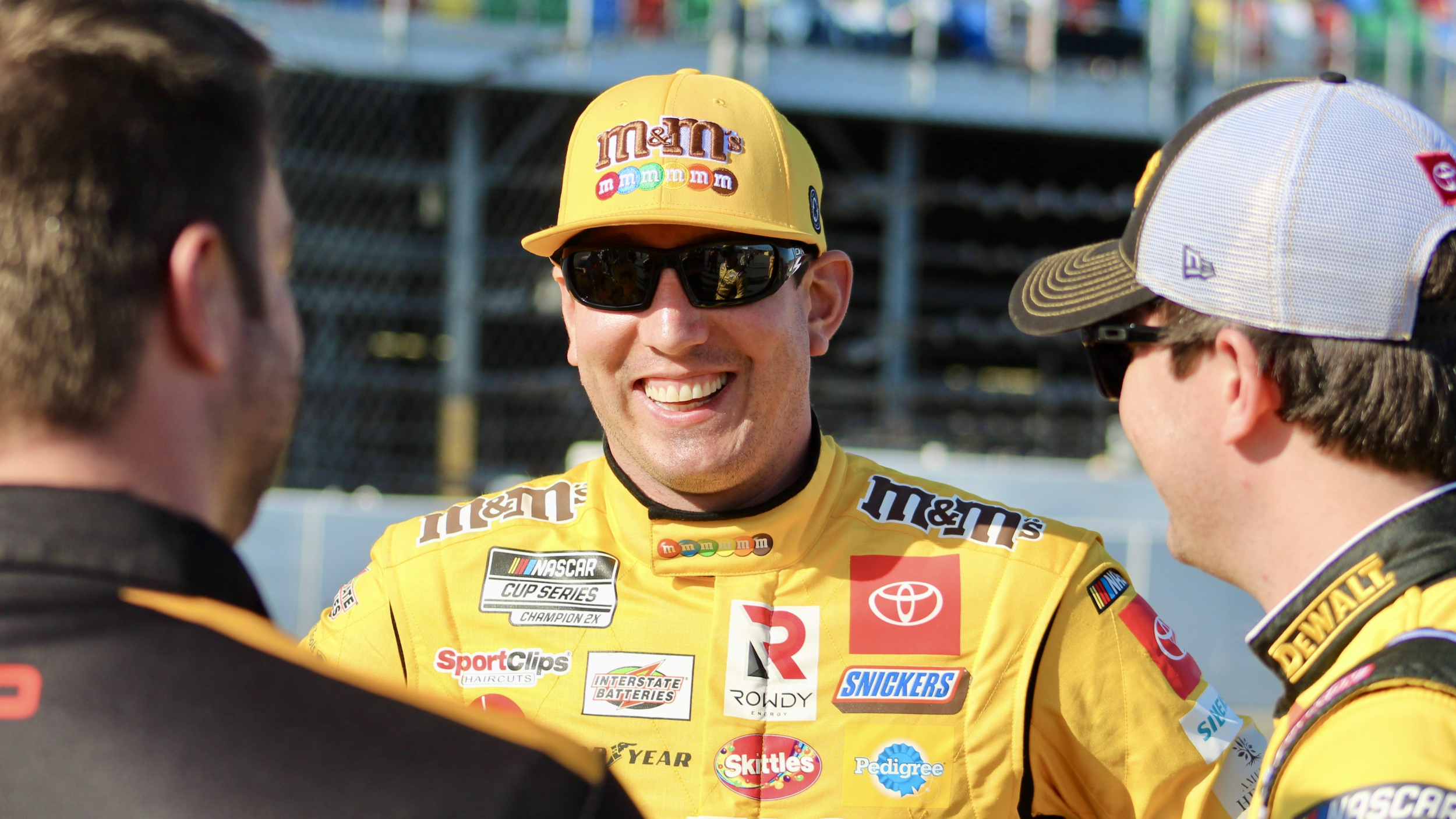
Tony Eury Jr. has cultivated a multifaceted career in NASCAR, serving as a prominent crew chief, car owner, and competition executive. While precise, publicly audited figures for his total net worth are not disclosed in financial filings, industry estimates place his valuation in the multi-million dollar range, accumulated through decades of high-level performance in the Cup Series and various executive roles within the sport.
The Professional Trajectory of Tony Eury Jr.
Tony Eury Jr. entered the NASCAR garage during a period of significant growth for the sport. His career is intrinsically linked to the rise of Dale Earnhardt Jr., with whom he shared a long-standing personal and professional bond. Starting as a mechanic and tire changer, Eury Jr. moved through the ranks, eventually assuming the role of crew chief at Dale Earnhardt, Inc. (DEI).
His work behind the pit wall during the early-to-mid 2000s defined his reputation as one of the most visible leaders in the garage. As a crew chief, Eury Jr. was responsible for the strategic direction, vehicle setup, and personnel management of the No. 8 and later the No. 88 entries. His earnings were commensurate with the high-stakes environment of elite Cup Series competition, where compensation packages for top-tier crew chiefs include base salaries, race-winning bonuses, and championship performance incentives.
Beyond his time on the pit box, Eury Jr. pivoted toward team ownership and management roles. Involvement in Xfinity Series team ownership—most notably through his association with JR Motorsports—allowed him to capitalize on the branding and developmental pipeline of the sport. His tenure at Hendrick Motorsports and his subsequent advisory roles further diversified his income streams beyond traditional race-day responsibilities.
Analyzing Earnings Components in NASCAR
Calculating the career earnings of a figure like Tony Eury Jr. requires an understanding of how NASCAR compensation is structured for non-driver personnel. Unlike drivers, who often receive a significant portion of their income from sponsorships and merchandise licensing, crew chiefs and competition directors earn primarily through structured team contracts.
- Base Salary: Elite crew chiefs during the 2000s and 2010s typically commanded base salaries ranging from the mid-six figures to seven figures annually, depending on the pedigree of the team (such as DEI or Hendrick Motorsports).
- Bonus Structures: Performance remains the primary driver of income variance. Winning races, securing pole positions, and qualifying for the playoffs provide structured bonuses. In an era where Eury Jr. was frequently in contention for race wins, these bonuses formed a substantial percentage of his annual take-home pay.
- Management and Ownership Stakes: His transition into team management and technical advisory roles provided a transition from hourly-based performance bonuses to performance-based management contracts. Managing personnel and overseeing fleet budgets carry different remuneration models, often tied to the overall financial health and success of the team organization.
- Media and Sponsorship: While not his primary income source, occasional media appearances and endorsements associated with his tenure at top-tier organizations contributed to his total financial footprint.
Comparison of Financial Roles in NASCAR
The financial landscape for team personnel varies significantly based on the level of involvement and the organizational structure. The following table illustrates the typical progression and financial focus for someone in Eury Jr.’s position during his active years.
| Role | Primary Financial Driver | Compensation Variable |
|---|---|---|
| Mechanic / Tire Changer | Hourly/Salary | Performance Bonuses |
| Crew Chief | Base Salary | Race Wins / Playoffs / Percentages |
| Team Manager | Executive Salary | Team Profitability / Sponsorship Targets |
| Technical Consultant | Retainer Fee | Project Milestones |
The Influence of Organizational Affiliation
Eury Jr.’s net worth is heavily impacted by the organizations he served. Working for marquee teams like Dale Earnhardt, Inc. during its peak years meant navigating one of the most lucrative eras in NASCAR history. The commercial boom of the early 2000s resulted in higher sponsor payouts, which directly filtered down to the team members and staff.
When Eury Jr. moved to Hendrick Motorsports, he entered an environment with a different financial model—one heavily supported by centralized corporate sponsorship and high-volume performance metrics. This environment often provides higher stability compared to independent or mid-tier teams. His work at JR Motorsports, a venture co-owned by the Earnhardt family, represented a shift toward entrepreneurship. In this capacity, his financial gains were no longer solely tied to his own salary but to the equity value of the race team itself.
Factors Beyond Direct Salary
It is important to note that “net worth” for a sports executive is rarely defined solely by cash earnings. For professionals in the motorsports industry, assets often include investments in related businesses, such as automotive service shops, specialized fabrication businesses, or real estate holdings within the NASCAR hub of Mooresville, North Carolina.
The evolution of the NASCAR business model—specifically the implementation of the Charter system in 2016—changed the valuation of teams. While Eury Jr.’s direct involvement in ownership changed over time, his earlier years spent building the infrastructure of competitive organizations provided the foundation for his financial standing in 2026. The accumulation of wealth in this sector is a long-term process involving the strategic reinvestment of earnings during high-earning years.
Frequently Asked Questions
How is a NASCAR crew chief’s salary determined?
A crew chief’s salary is determined by their experience, the historical success of the team, and the team's sponsorship revenue. Most top-level crew chiefs negotiate contracts that include a base salary paired with significant performance bonuses for race wins and championship rankings.
Did Tony Eury Jr. own a NASCAR team?
Yes, Tony Eury Jr. has been involved in team ownership and management, most notably through his work with JR Motorsports in the Xfinity Series. His ownership interest in various racing ventures has been a component of his broader career in the sport.
How much do NASCAR crew chiefs typically earn per year?
Earnings vary wildly based on the series and the team. While entry-level personnel earn modest salaries, veteran crew chiefs at Cup Series organizations can earn well into the seven-figure range annually when base pay and performance bonuses are combined.
Why is Tony Eury Jr.’s net worth not publicly listed?
Private individuals in the motorsports industry, unless they are publicly traded team owners or drivers with significant public endorsements, are not required to file financial disclosures. Estimates regarding net worth are speculative and based on industry standards for compensation at the levels Eury Jr. reached.
Does Eury Jr. still receive income from NASCAR?
As of 2026, Eury Jr. remains involved in various aspects of the automotive and racing industry. While he is not currently serving as a full-time Cup Series crew chief, his past career earnings and ongoing advisory work continue to contribute to his financial stability.
Recommended Next Actions for Financial Research
If you are seeking to understand the financial mechanics of NASCAR personnel, you should review official team performance records and publicly available data regarding the NASCAR charter system. For those interested in team management careers, focusing on the business operations of motorsports organizations—specifically how sponsorship and television revenue are distributed to teams—provides the best context for understanding executive compensation in the sport.