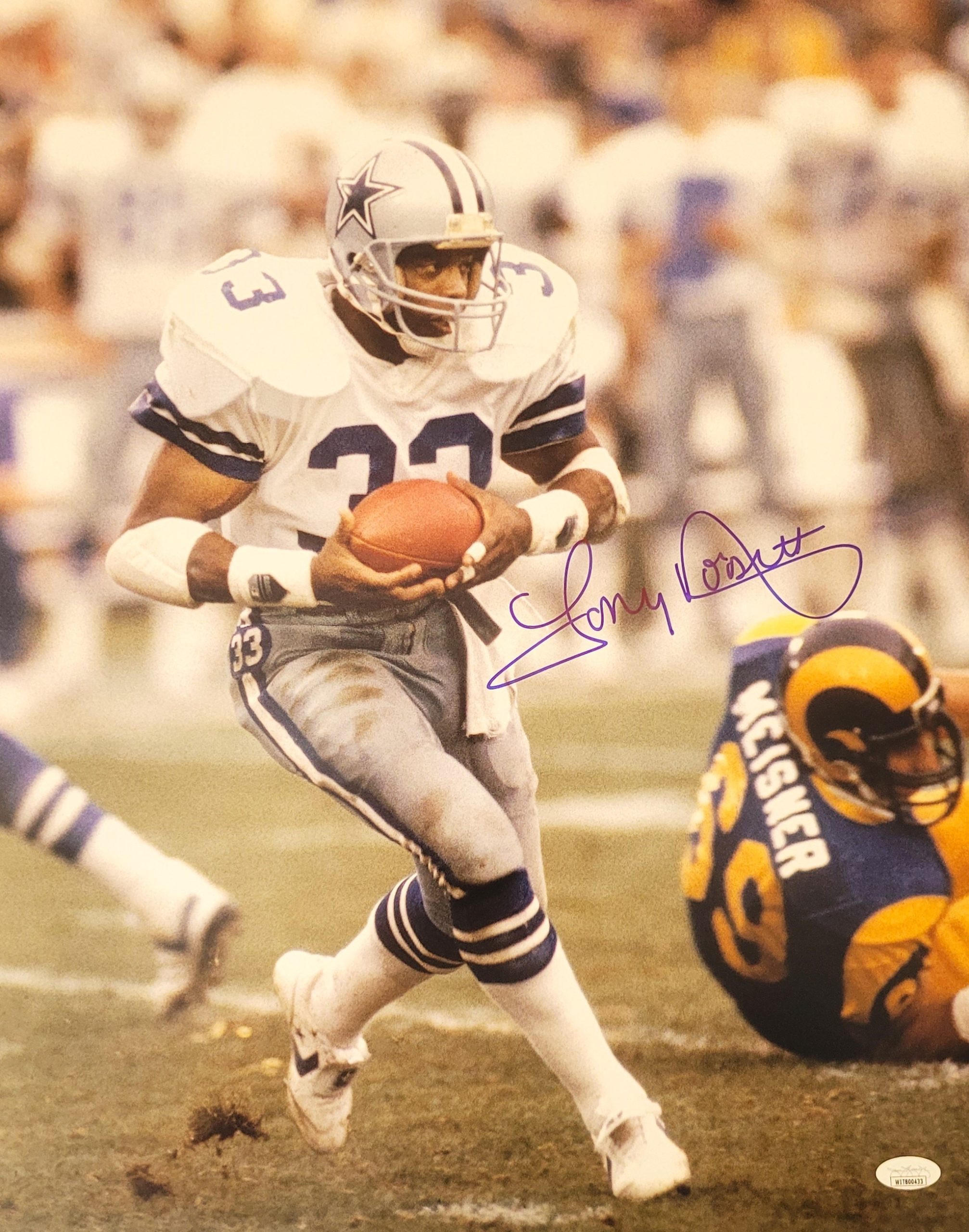
In 2017, the estimated net worth of legendary Dallas Cowboys running back Tony Dorsett was generally reported by financial media outlets to be approximately $5 million. This valuation reflected his decades-long career as a professional athlete, his post-retirement endeavors, and his management of professional assets earned during his tenure in the National Football League (NFL) and subsequent public appearances.
Understanding Professional Athlete Wealth Valuation
Calculating the net worth of a retired NFL player like Tony Dorsett is a complex process often based on estimated earnings, endorsements, and real estate holdings. Public financial figures from that period were frequently aggregated by platforms that track celebrity and athlete wealth. It is critical to recognize that these figures are estimates rather than audited financial statements.
For a player of Dorsett’s caliber—having been a Heisman Trophy winner, a Pro Football Hall of Fame inductee, and a key figure in the 1970s and 80s NFL landscape—his "net worth" in 2017 represented a cumulative view of his lifetime earnings. These earnings include his initial contracts, his longevity in the sport, and the way those funds were preserved over the ensuing decades. Unlike modern NFL contracts, which often involve massive signing bonuses and complex guaranteed structures, the financial landscape of the 1970s was vastly different, affecting the long-term compounding of wealth for players of that era.
Career Earnings and the NFL Landscape
Tony Dorsett entered the NFL in 1977 as the second overall pick in the draft. His professional career spanned from 1977 to 1988 with the Dallas Cowboys, followed by a final season with the Denver Broncos in 1989. To understand his financial position in 2017, one must contextualize the compensation structure of the late 20th century.
During his peak, Dorsett was one of the most visible faces of the NFL, leading to numerous sponsorship opportunities. However, the financial management of athletes during that period differed significantly from current wealth management standards. Factors influencing his net worth by 2017 included:
- NFL Pension Plans: Retired players are eligible for pension benefits based on their years of credited service. Dorsett’s 12-season career ensured a stable baseline of retirement income.
- Endorsement Stability: Throughout the 80s and 90s, Dorsett remained a high-profile figure in the sports world, participating in commercial ventures and media appearances that contributed to his secondary income streams.
- Asset Allocation: As with many athletes, personal wealth is often tied to real estate and private investments, which are subject to market fluctuations and management fees.
The Impact of Long-Term Health and Medical Costs
A crucial, often overlooked factor in the financial profiles of NFL veterans like Tony Dorsett is the cost associated with long-term medical care. By 2017, Dorsett had become a vocal advocate for retired players regarding health issues linked to head trauma and chronic traumatic encephalopathy (CTE).
The financial reality for many retirees of his era involves significant expenditures related to specialized medical treatment, rehabilitation, and long-term care planning. In 2017, the NFL concussion settlement program was an ongoing process, and the financial impact of health-related expenses had become a defining characteristic of the fiscal planning of players from that generation. When assessing a net worth figure of $5 million, one must consider that this is a "net" figure—calculated by subtracting liabilities and medical contingencies from total assets.
Comparative Wealth in Historical Context
To provide clarity on how a $5 million valuation in 2017 compares to other athletes of the same era, we must look at the standard of compensation during the 1970s.
| Athlete Category | Compensation Environment | Typical Financial Outcome |
|---|---|---|
| 1970s NFL Star | Lower base salaries, limited endorsements | Variable; dependent on post-career roles |
| 1980s Transition | Increasing media exposure | Moderate growth in investment portfolios |
| 1990s and Beyond | Explosion in TV/Marketing revenue | High potential for generational wealth |
The data above illustrates that while $5 million is a significant sum, it reflects a career where the salary ceiling was substantially lower than today’s market. Dorsett’s wealth management was necessitated by a need to navigate several decades of inflation and fluctuating economic conditions after his retirement.
Factors Affecting Wealth Fluctuations
Several external factors influenced Dorsett’s financial stability as of 2017. These include the volatility of private investments and the general cost of living adjustments for high-net-worth individuals in the United States. Furthermore, the role of public appearances and sports memorabilia signings remained a consistent, if modest, contributor to his annual income. Unlike active players who command massive salaries, retired legends often rely on a diversified mix of passive income and event-based work.
It is important to note that net worth figures provided by third-party aggregators in 2017 were not verified by the subject himself. They represent the consensus of financial analysts who track public records, real estate filings, and estimated historical salary data. The primary takeaway for observers is that Dorsett successfully transitioned into post-athletic life by maintaining a public profile and leveraging his legacy as one of the greatest running backs in football history.
Frequently Asked Questions
Was Tony Dorsett's net worth publicly audited in 2017?
No. Net worth figures for athletes and celebrities are almost exclusively estimates derived from public records, reported salary history, and market analysis. They do not represent audited financial statements and should be viewed as informational rather than definitive.
How did the 1977 NFL salary structure impact his long-term wealth?
In 1977, the salary cap as we know it today did not exist, and endorsement opportunities were significantly smaller than in the current era. Athletes of that period relied on long-term investment strategies and personal business ventures, as the astronomical guaranteed contracts of the 21st century were not yet standard.
Did his medical advocacy affect his reported financial standing?
While medical advocacy is a personal commitment, the associated costs of care and the focus on player welfare were major themes in the lives of retired players by 2017. Financial analysts often factor in the necessity of long-term medical contingency funds when estimating the net worth of veteran athletes.
Are NFL pensions a primary source of wealth for retired players?
NFL pensions are a significant element of financial stability for retirees. They provide a predictable stream of income, but they are generally designed to cover living expenses rather than represent the entirety of a player's investment portfolio or total net worth.
How does Tony Dorsett's wealth compare to modern players?
It is difficult to compare his net worth directly to modern players, as the NFL has undergone massive revenue growth in the last two decades. Modern contracts feature higher base salaries and significantly more robust endorsement markets compared to the late 1970s and 1980s.
Next Steps for Understanding Athlete Financial Profiles
If you are interested in tracking the financial evolution of professional athletes, the most reliable approach is to monitor official disclosures, such as those found in court documents, tax filings, or reputable business journals that focus on sports economics. Relying on aggregate "net worth" websites can lead to inaccuracies due to the lack of access to private banking information. For those interested in the history of NFL compensation, reviewing the archives of the NFL Players Association (NFLPA) provides a clearer, albeit more technical, understanding of how benefit structures have evolved to protect players long after they leave the field.