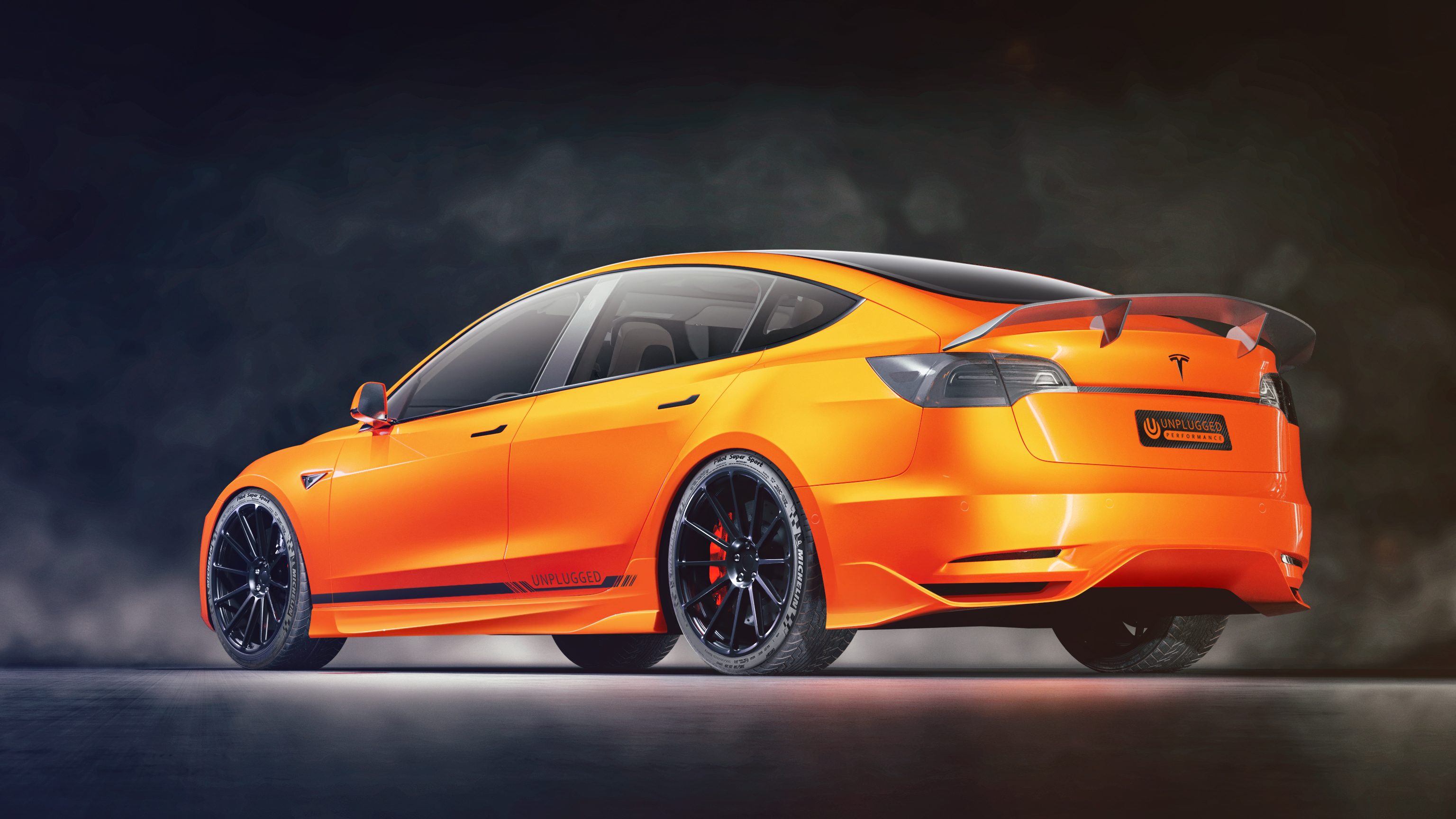
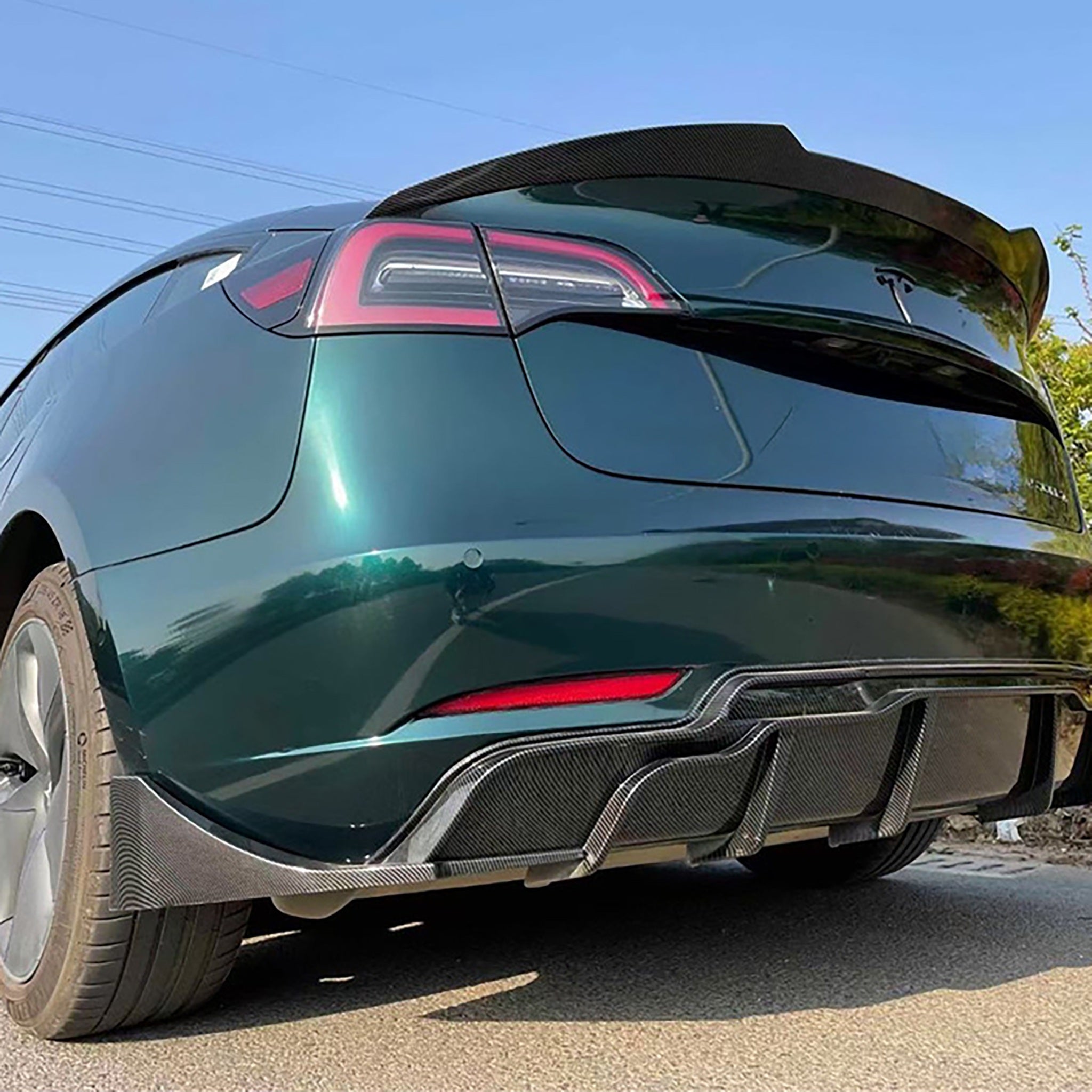
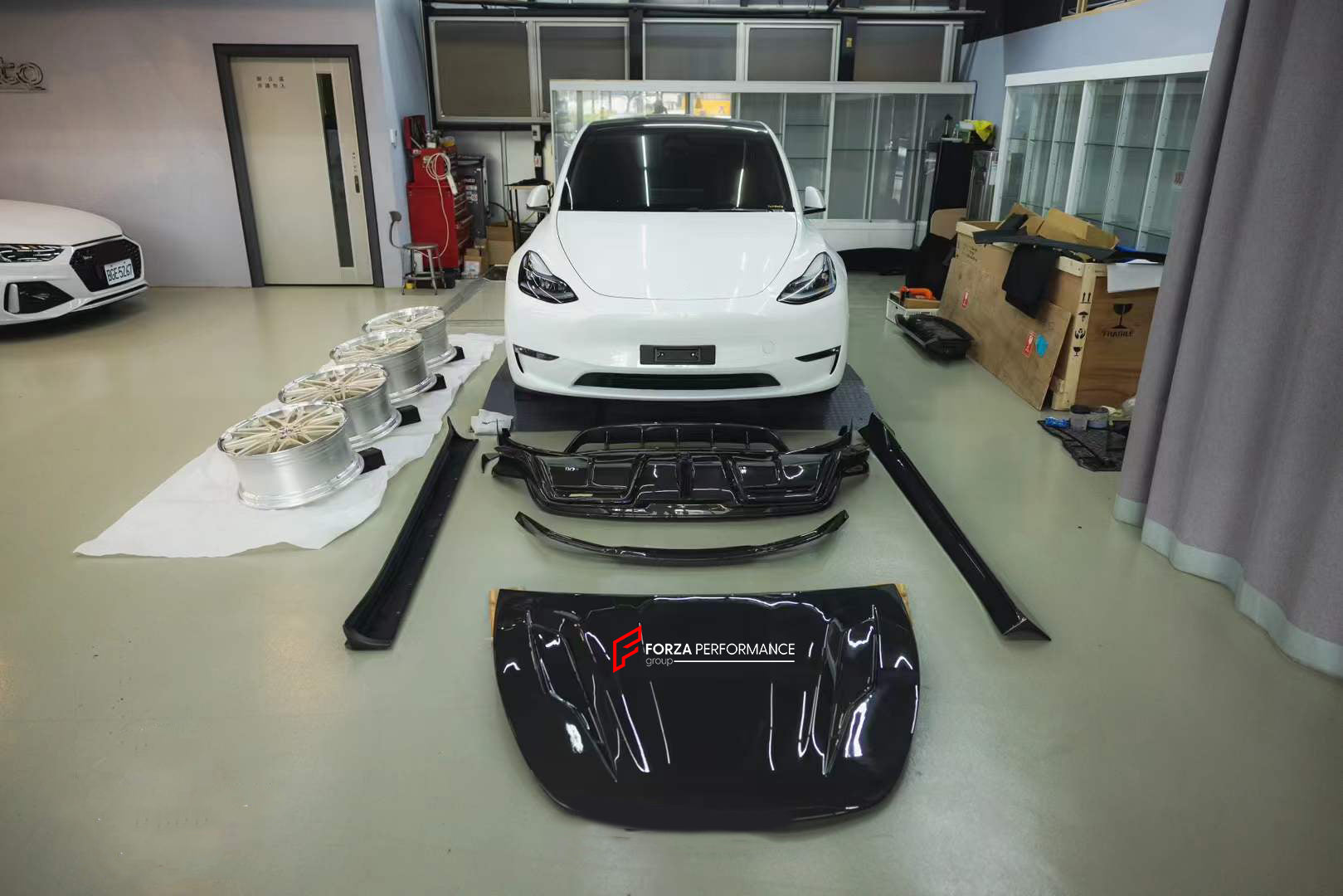
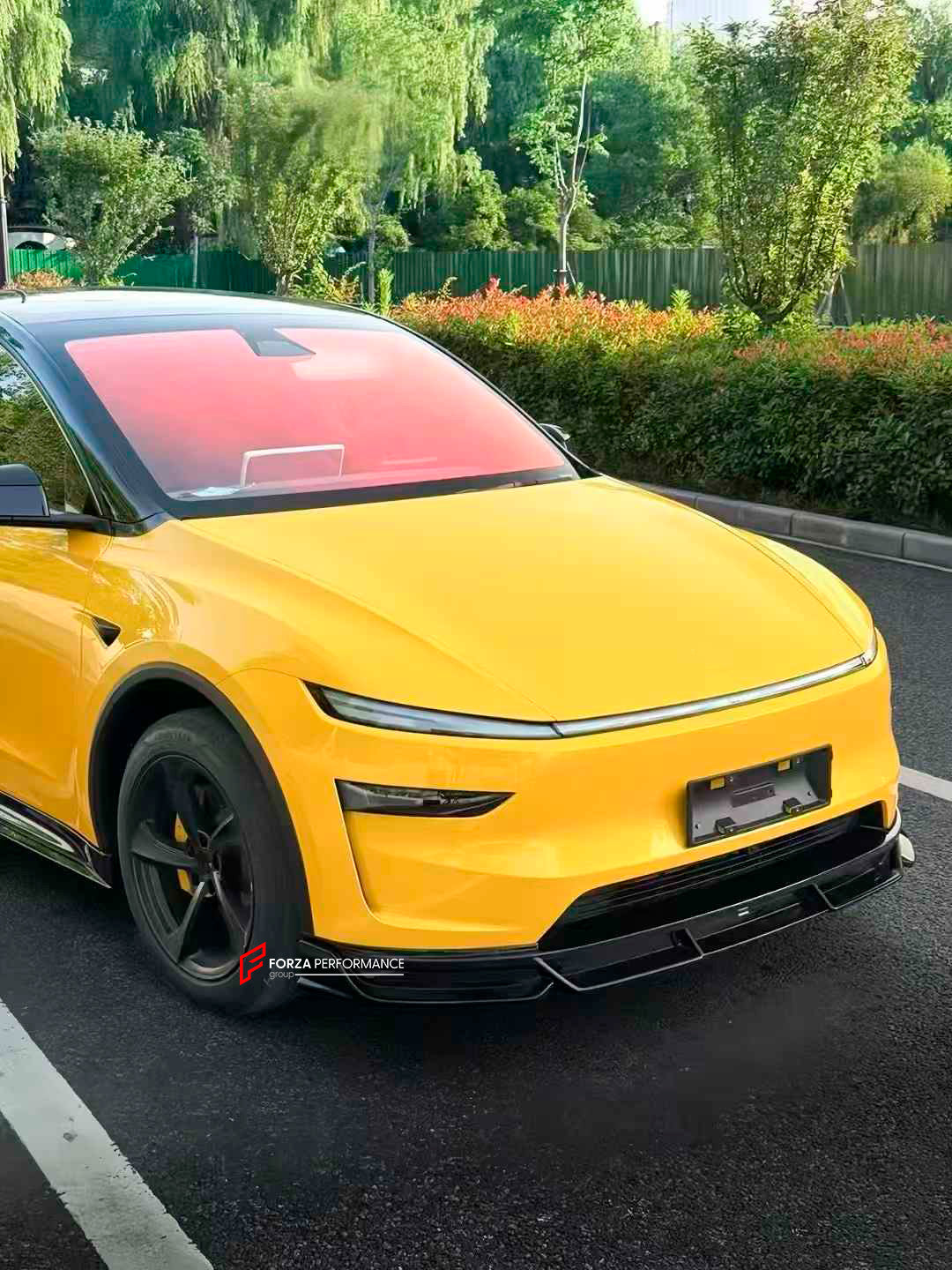
The Tesla body represents a significant departure from traditional automotive manufacturing, utilizing advanced materials like high-strength steel, lightweight aluminum, and ultra-hard stainless steel. In 2026, the focus has shifted toward "megacasting" techniques that reduce the number of individual components, enhancing structural rigidity while complicating certain types of collision repairs.
The Architecture of a Tesla: Unibody vs. Exoskeleton
Tesla utilizes two distinct structural philosophies across its vehicle lineup. For the Model S, Model 3, Model X, and Model Y, the company employs a refined unibody construction. In this design, the body and chassis are integrated into a single, cohesive unit. This approach is highly effective for distributing crash energy through defined crumple zones, protecting the battery pack and occupants.
Conversely, the Cybertruck introduced the concept of the exoskeleton. Instead of a frame covered by non-structural panels, the Cybertruck’s outer "skin" is a structural component made of cold-rolled stainless steel. This design is intended to provide superior dent resistance and durability, though it requires entirely different manufacturing and repair protocols compared to the rest of the fleet.
Regardless of the model, the "Tesla body" is designed with a low center of gravity. Because the heavy battery pack is located in the floor—a design often called the "skateboard" platform—the body structure above it can be optimized for safety and aerodynamics rather than having to accommodate a heavy internal combustion engine and transmission tunnel.
Material Composition: Aluminum, Steel, and Alloys
Tesla’s choice of materials is driven by the need to balance weight, cost, and safety. Weight is the enemy of range in electric vehicles, which is why Tesla pioneered the use of aluminum in mass-market vehicles.
Aluminum-Intensive Models
The Model S and Model X are largely aluminum-intensive. Aluminum provides excellent strength-to-weight ratios and natural corrosion resistance. However, aluminum is more difficult to work with than steel. It requires specialized welding techniques (such as MIG welding in an inert gas environment) and structural bonding using high-strength adhesives and rivets.
High-Strength Steel Integration
With the Model 3 and Model Y, Tesla moved toward a multi-material mix. These vehicles use a combination of high-strength steel in the pillars and door rings to maximize occupant protection during side impacts and rollovers, while utilizing aluminum for the hood, trunk, and various suspension components. This hybrid approach helps keep the vehicles more affordable while maintaining high safety ratings.
The Cybertruck's Stainless Steel
The Cybertruck's body is unique in the industry, featuring Ultra-Hard 30X Cold-Rolled Stainless Steel. This material is so hard that it cannot be stamped into complex curves using traditional automotive presses. This is why the Cybertruck has its signature planar, angular design. The material is designed to be "bullet-tough" against small firearms and resistant to the dings and scratches that would ruin a traditional painted body.
The Revolution of Megacasting and Giga Press Technology
One of the most significant developments in Tesla body engineering is the move toward megacasting. Historically, a car's rear or front underbody was composed of 70 to 100 individual stamped metal pieces welded together. Tesla replaced these with single, massive die-cast parts produced by the "Giga Press."
Benefits of Castings
- Weight Reduction: Eliminating dozens of parts and the fasteners/welds needed to join them reduces the overall mass.
- Dimensional Accuracy: A single casting is more precise than a collection of welded parts, leading to better panel gaps and structural alignment.
- NVH (Noise, Vibration, and Harshness): A more rigid, single-piece structure vibrates less and provides a quieter cabin experience.
Challenges of Castings
The primary concern with megacasts is repairability. If a traditional car suffers a rear-end collision, a body shop can often cut out and replace specific small brackets or rails. If a megacast is cracked or significantly deformed, the entire rear structure may need to be replaced, which can lead to higher insurance total-loss rates for what might otherwise seem like moderate accidents.
Aerodynamics and the Body Form Factor
Every curve and crease on a Tesla body serves an aerodynamic purpose. Tesla consistently produces vehicles with some of the lowest drag coefficients ($C_d$) in the world. As of 2026, the Model S Plaid maintains a $C_d$ of approximately 0.208, making it one of the most aerodynamic production cars ever built.
To achieve this, the Tesla body incorporates several key features:
- Flush Door Handles: These retract into the body when not in use to maintain smooth airflow.
- Flat Underbody: The battery pack creates a perfectly flat floor, reducing turbulence under the car.
- Active Grille Shutters: The front of the body lacks a traditional radiator grille, using small, motorized shutters that only open when cooling is required for the battery or HVAC system.
- Tapered Rear Ends: The "teardrop" shape of the rooflines on the Model 3 and Model Y helps air detach cleanly from the vehicle, reducing wake turbulence.
Comparing Tesla Body Specifications by Model
| Feature | Model 3 / Y | Model S / X | Cybertruck |
|---|---|---|---|
| Primary Material | High-Strength Steel / Aluminum | Aluminum Alloy | 30X Stainless Steel |
| Construction | Unibody w/ Megacasts | Unibody | Structural Exoskeleton |
| Outer Surface | Painted (Multi-coat) | Painted (Multi-coat) | Bare Stainless Steel |
| Repair Complexity | Moderate to High | High (Specialized) | Very High (Unique) |
| Weight Priority | Cost/Safety Balance | Max Performance/Range | Durability/Utility |
| Door Design | Conventional / Flush | Auto-presenting / Falcon | Flush / Buttonless |
Tesla Body Repair and Maintenance Standards
Because of the unique materials and construction techniques, Tesla body repair is restricted to the Tesla-Certified Body Shop Network. These facilities must invest in specialized equipment, such as aluminum clean rooms (to prevent cross-contamination with steel dust, which causes galvanic corrosion) and heavy-duty frame benches.
Structural vs. Cosmetic Repairs
A "cosmetic" repair involves exterior panels like the hood, fenders, or doors. On most Tesla models (excluding the Cybertruck), these are aluminum or steel panels that can be replaced or, in some cases, repaired by traditional dent-pulling methods.
"Structural" repairs involve the inner frame, pillars, or the Giga-cast sections. Tesla provides specific "Repair Procedures" that body shops must follow to maintain the vehicle's safety warranty. For example, Tesla often mandates the use of structural adhesive and rivets rather than traditional welding for certain aluminum components to ensure the repair matches the factory’s energy-absorption characteristics.
Paint Issues and Protection
Historically, Tesla has faced criticism regarding "soft" paint or thin clear coats, particularly from the Fremont factory. While quality control has improved by 2026, many owners still opt for aftermarket protections:
- Paint Protection Film (PPF): A thick, clear urethane film that protects the front-facing body panels from rock chips.
- Ceramic Coating: A chemical polymer that bonds to the factory paint, providing a hydrophobic layer that makes cleaning easier and protects against UV damage.
Frequently Asked Questions
Why is Tesla body repair so expensive?
Tesla body repair is expensive due to the specialized training and equipment required. Aluminum welding and structural bonding are more labor-intensive than traditional steel welding. Additionally, because Tesla tightly controls the parts supply chain, replacement panels and castings must be sourced directly from Tesla, which limits the use of cheaper "aftermarket" or third-party body parts.
Can a Tesla body rust?
While aluminum panels do not rust in the traditional sense (they don't turn into red iron oxide), they can suffer from corrosion if exposed to road salt and moisture, especially if the protective coating is compromised. The Model 3 and Model Y use steel in their structures, which is galvanized and painted to prevent rust. The Cybertruck’s stainless steel is highly resistant to corrosion but can still develop "surface contamination" or "tea staining" if industrial fallout or iron particles sit on the surface for too long.
What is a "totaled" Tesla?
A Tesla is usually considered "totaled" by an insurance company when the cost of repairing the body or the battery pack exceeds a certain percentage of the vehicle's actual cash value. Because structural repairs to megacasts or high-voltage components are costly, Teslas have a slightly higher tendency to be totaled in moderate accidents compared to traditional economy cars.
Is the Cybertruck body really bulletproof?
Tesla demonstrates the Cybertruck’s 30X stainless steel body as being resistant to 9mm handgun rounds and certain shotgun shells. However, it is not "bulletproof" in a military sense. The windows, while stronger than standard glass (Tesla Armor Glass), are not bulletproof. The body's thickness is designed primarily for durability against everyday impacts rather than ballistic protection.
How do I maintain the finish on a Tesla body?
For painted models, regular hand washing using a pH-neutral soap is recommended. Avoid "touch" car washes, which can leave swirl marks in the clear coat. For the Cybertruck, owners should use non-abrasive cleaners and can even use Scotch-Brite pads or specialized stainless steel cleaners to remove minor surface scratches, as there is no paint to worry about damaging.
Next Steps for Tesla Owners and Buyers
If you are currently dealing with body damage or considering a purchase, prioritize verifying the availability of Tesla-Certified Body Shops in your immediate area. You can find these through the "Service" section of the Tesla mobile app or the official Tesla Support website.
For new owners, we recommend a thorough inspection of the vehicle's body at the time of delivery. Check for panel alignment, paint uniformity, and the operation of flush door handles. Addressing minor body alignment issues under the initial "New Vehicle Limited Warranty" period is significantly easier than seeking corrections later. If you live in a climate with heavy road salt, consider applying a high-quality Paint Protection Film (PPF) to the front bumper and rocker panels to preserve the body's integrity for the long term.