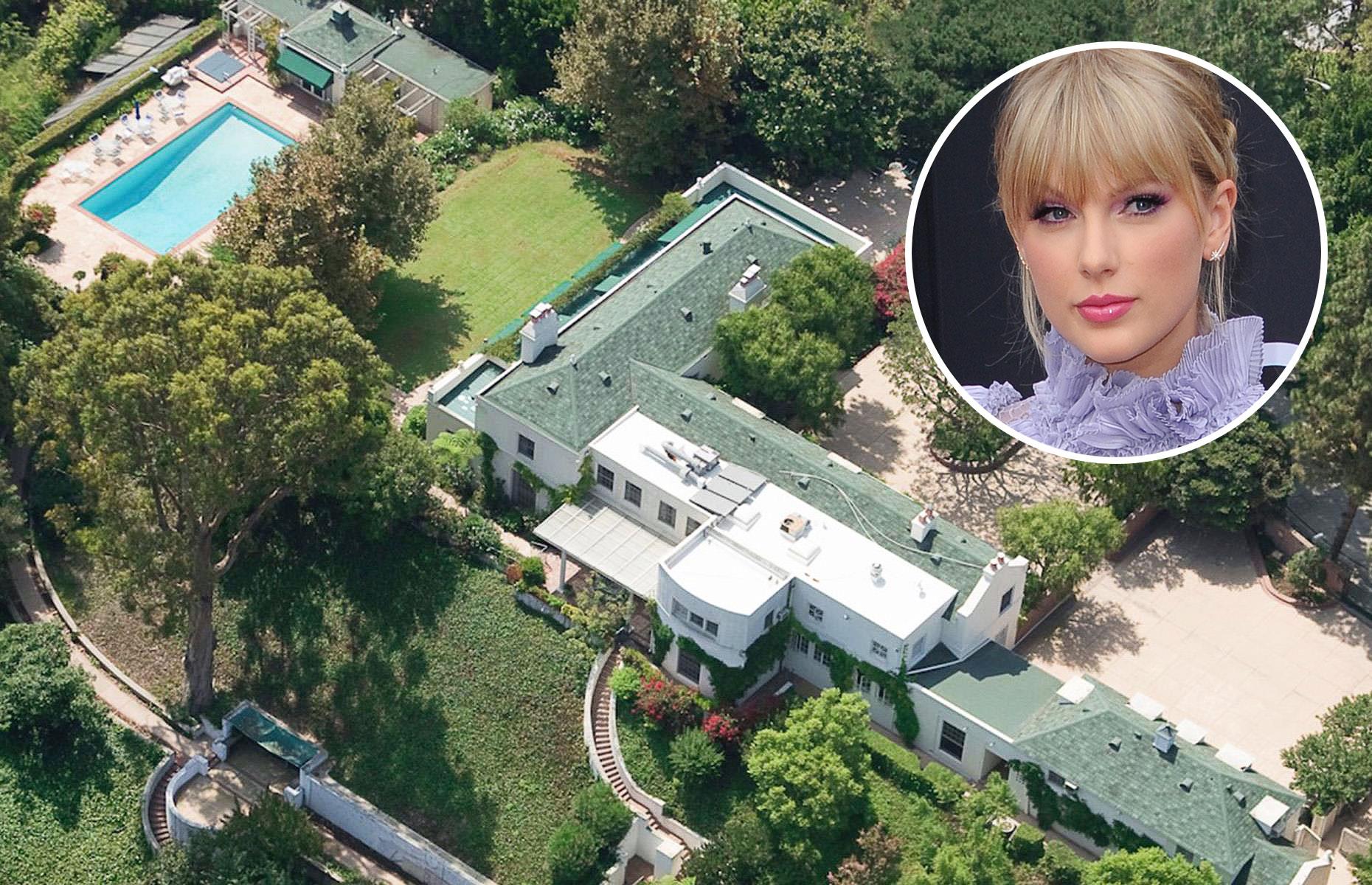
Taylor Swift’s real estate portfolio is characterized by a high-value, diversified collection of residential properties located in primary luxury markets across the United States. Spanning coastal cities and cultural hubs, these assets typically serve as long-term wealth preservation vehicles, private residences, and investment properties, demonstrating a consistent strategy of acquiring trophy assets in stable, high-appreciation neighborhoods.
Evolution of a High-Value Property Collection
The assembly of real estate holdings by Taylor Swift has unfolded over nearly two decades, mirroring the trajectory of her career and the maturation of her financial management. Unlike speculative real estate investors who frequently trade properties for short-term gain, Swift’s approach has generally leaned toward long-term ownership, structural renovation, and historic preservation. Many of the properties acquired are significant not only for their market value but for their architectural pedigree, ranging from pre-war penthouses in New York City to historic coastal estates in Rhode Island.
The strategic acquisition of these properties often follows a pattern of identifying "safe-haven" assets. These are properties located in markets with limited land availability and high barriers to entry—factors that historically hedge against broader economic volatility. By diversifying across different regulatory jurisdictions, such as California, Tennessee, New York, and Rhode Island, the portfolio manages geographic risk while maintaining a footprint in cities essential to the music and entertainment industry.
Key Geographic Clusters and Asset Characteristics
Each node in the portfolio serves a distinct purpose, ranging from primary living spaces to secondary retreats and investment holdings. The following table provides an overview of the types of locations and property styles found within the portfolio:
| Location Type | Primary Function | Typical Market Characteristics |
|---|---|---|
| Coastal Residential | Vacation/Private Retreat | High scarcity, historic value, significant privacy requirements |
| Metropolitan Penthouse | Primary/Business Base | Vertical density, prime location, proximity to infrastructure |
| Urban Multi-Unit | Investment/Residency | High rental yield potential, long-term appreciation |
| Historic Estate | Preservation/Legacy Asset | Large acreage, architectural significance, structural complexity |
In Nashville, Tennessee, the portfolio includes properties that reflect the roots of her early career, emphasizing both residential utility and investment growth. In New York City, specifically the Tribeca neighborhood, the consolidation of multiple units into a larger compound is a common strategy used to maximize value in a highly regulated and land-constrained urban environment. These conversions often require significant permitting and structural integration, which ultimately enhances the property’s appraisal value beyond the sum of its individual parts.
Financial Considerations and Wealth Preservation
Real estate acts as a cornerstone for private wealth management, particularly for high-net-worth individuals. For an artist of Swift's scale, property serves as a non-correlated asset class relative to the music industry and intellectual property rights. By holding real estate, the portfolio benefits from the stability of land-based assets, which generally appreciate over the long term, provided the property is maintained and located in a desirable market.
One critical aspect of this strategy is the treatment of property taxes and maintenance costs. High-value luxury real estate involves substantial carrying costs, including annual property tax assessments, specialized insurance premiums, and ongoing structural upkeep. These costs are significant and serve as a baseline expectation for maintaining the value of the portfolio. Moreover, the utilization of trusts and limited liability companies (LLCs) is a standard mechanism in this asset class to manage liability, provide privacy, and streamline estate planning.
The Role of Architecture and Historic Preservation
A notable thread in the acquisition history is a preference for properties with historical context. Whether it is a landmark building in Manhattan or an established coastal mansion, these properties often come with strict preservation guidelines. Owners of such assets are typically subject to local historic commission regulations, which govern what can and cannot be changed regarding the exterior of the property.
This commitment to preservation often translates into high capital expenditure (CapEx) requirements. Unlike modern construction, which may rely on standardized materials, historic properties necessitate specialized labor and authentic materials. This creates a cyclical investment requirement where the maintenance of the asset's historical integrity is paramount to its long-term financial performance.
Operational Challenges and Risk Management
Managing a multi-state portfolio involves navigating diverse regulatory landscapes. Each state has its own statutes regarding landlord-tenant law, zoning, and property taxes. For instance, the tax structures in California differ significantly from those in Tennessee, influencing how properties are titled and managed.
Furthermore, the privacy and security requirements for high-profile individuals add a layer of complexity to standard property management. Beyond traditional maintenance, these properties require sophisticated security infrastructure and logistical management to ensure they are available for use while maintaining strict boundaries from the public. This involves a professional network of property managers, legal counsel, and security consultants who operate in coordination to mitigate risks associated with high-visibility ownership.
Frequently Asked Questions
Why does the portfolio prioritize specific luxury markets?
The prioritization of markets like New York and Los Angeles is driven by asset liquidity and scarcity. These cities have historically shown a resilience to market corrections compared to secondary or tertiary markets. Because these areas are globally recognized hubs for commerce and culture, the demand for high-end real estate remains consistent, ensuring that these assets remain highly marketable should they ever be divested.
How are these properties typically managed for tax purposes?
Large real estate portfolios are rarely held in an individual’s personal name. Instead, they are typically held through legal entities such as trusts or LLCs. This structure provides a layer of legal liability protection and allows for more efficient tax accounting, specifically regarding the depreciation of assets, property tax deductions, and estate planning objectives.
What is the impact of historic preservation on property value?
Historic status can both restrict and enhance property value. While it limits the owner’s ability to conduct radical renovations or modernizations, it also protects the property from the "teardown" culture that can lead to neighborhood decline. In prime areas, properties with unique architectural character often command a premium due to their irreproducibility.
Are these properties primarily for investment or personal use?
The portfolio functions as a hybrid. While many properties serve as private homes or personal retreats, they are simultaneously significant financial investments. The appreciation of luxury real estate in major metros typically outpaces inflation over long horizons, meaning the portfolio fulfills dual roles of personal utility and capital accumulation.
Next Steps for Analyzing Asset Portfolios
To better understand the mechanisms of large-scale real estate holdings, one should examine the specific municipal zoning records and property tax assessments in the jurisdictions of interest. Researching the annual tax filings in counties like New York County (Manhattan) or Davidson County (Nashville) provides concrete data on the tax burden associated with such holdings. Additionally, reviewing public building permits can offer insight into the capital improvements being made to these properties, which is a reliable indicator of long-term investment intent rather than short-term holding.