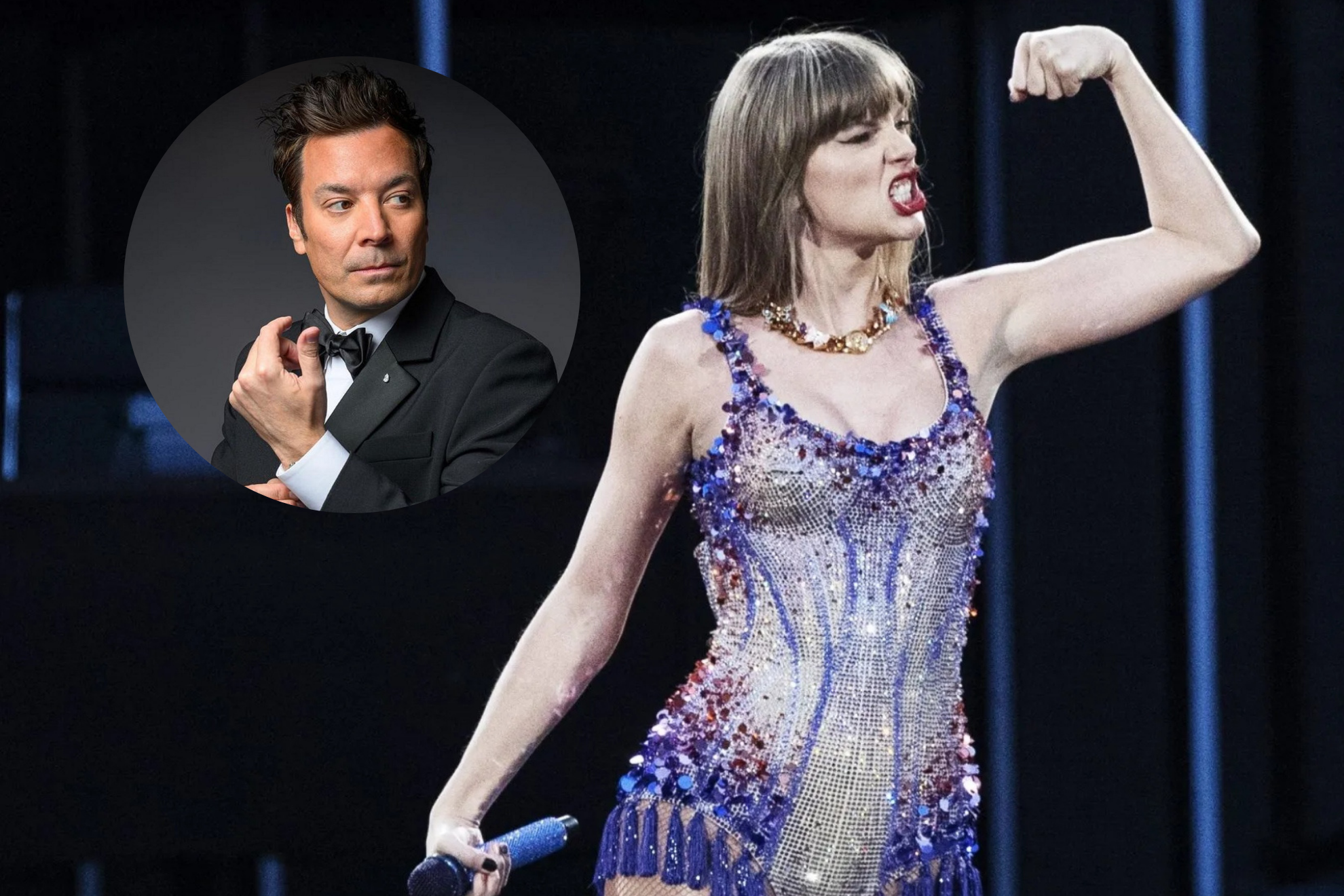
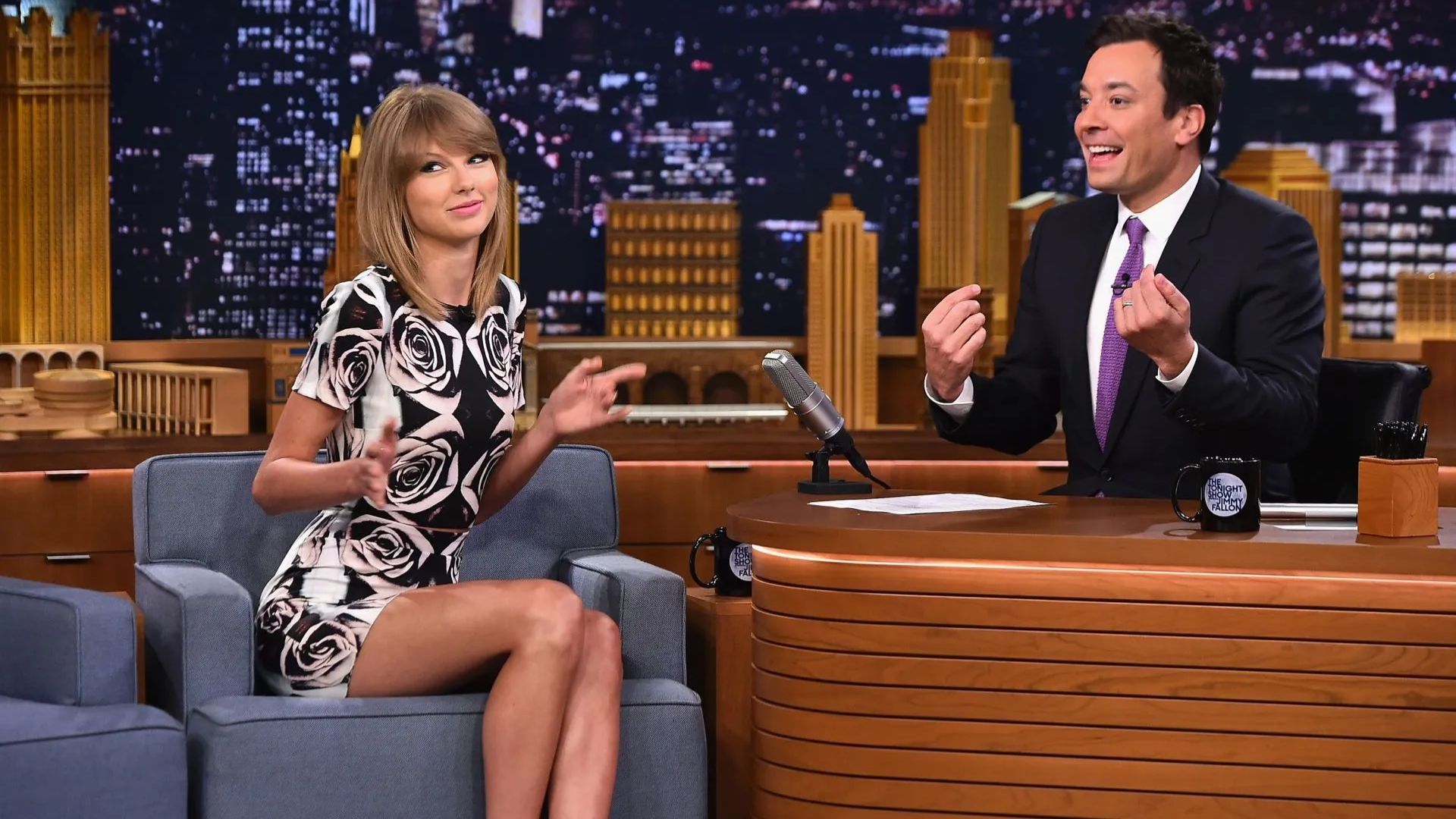
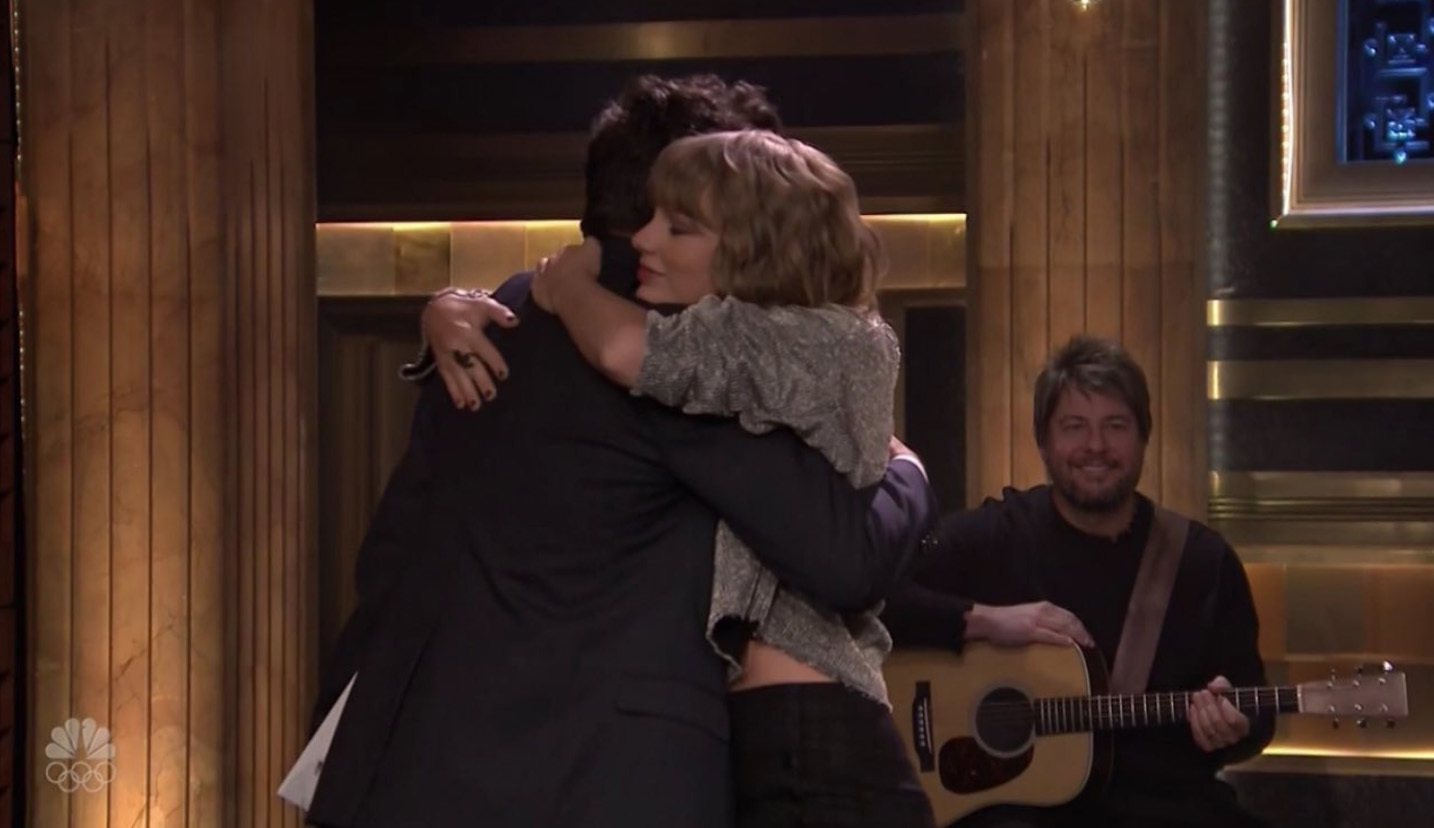
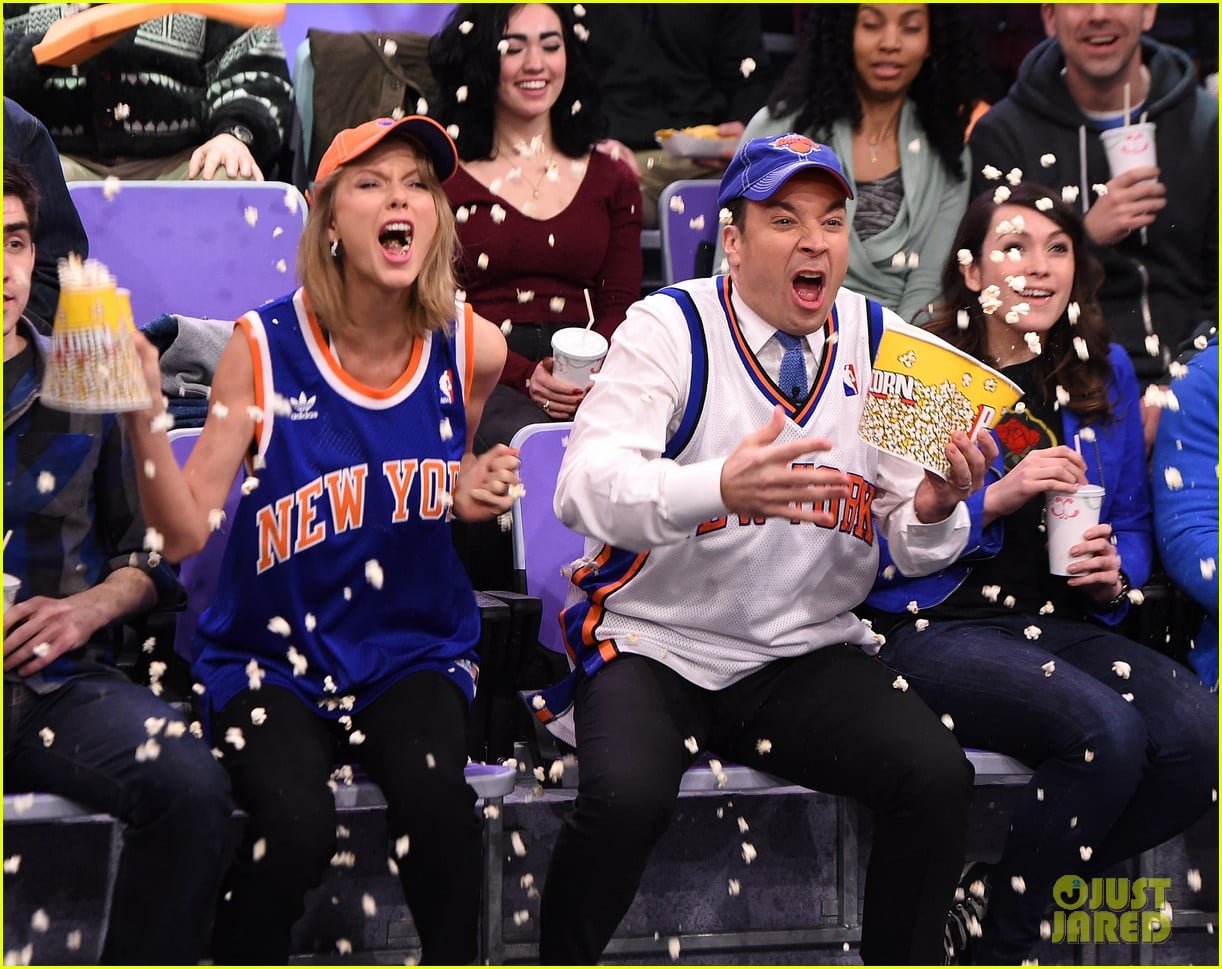
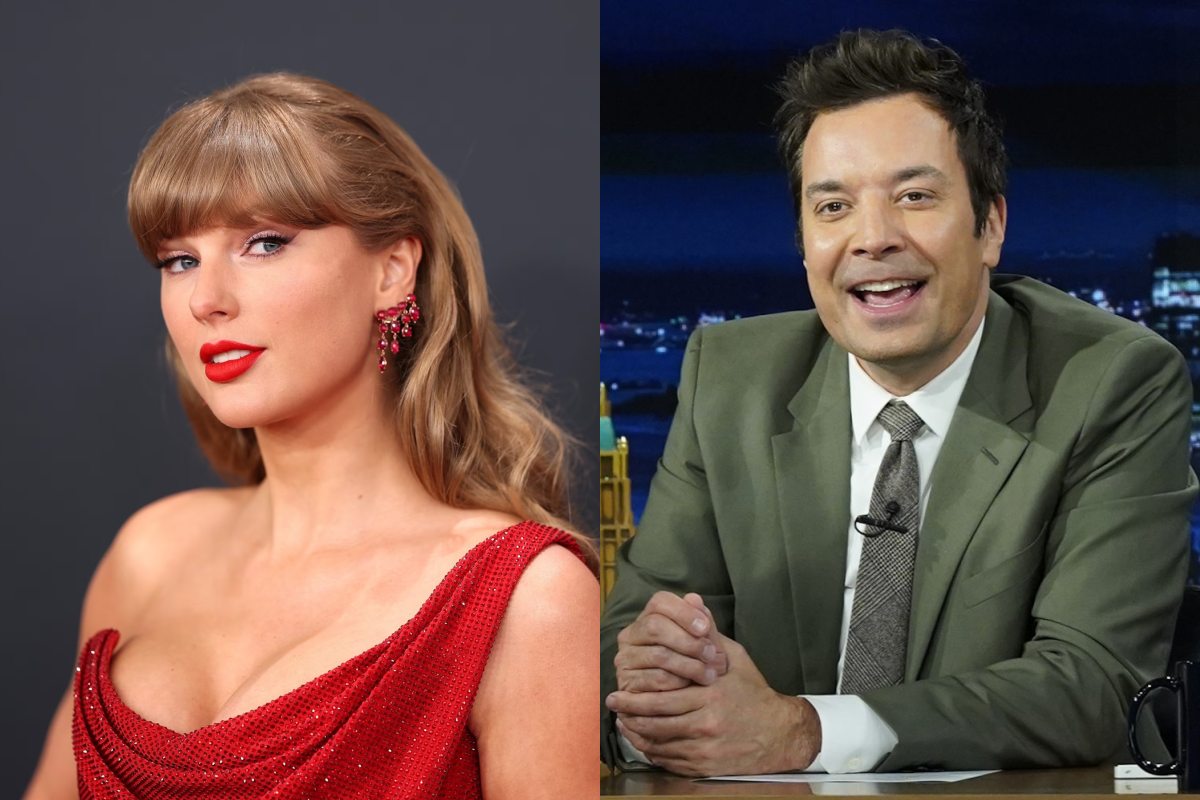
The recurring collaboration between Taylor Swift and Jimmy Fallon on The Tonight Show Starring Jimmy Fallon, particularly involving the comedic sketch "Ew!," highlights a significant intersection of late-night talk show culture and modern pop stardom. These appearances serve as highly orchestrated promotional vehicles that leverage viral humor to bridge the gap between traditional broadcast television and global digital fan engagement.
The Evolution of the "Ew!" Sketch in Late-Night Comedy
The "Ew!" sketch, a staple of The Tonight Show Starring Jimmy Fallon, features Fallon dressed as a teenage girl named Sara—complete with a wig, braces, and a vibrant, quirky wardrobe—alongside a guest who adopts a similar persona. The humor relies on the juxtaposition of the host’s exaggerated, cringeworthy adolescent character and the genuine celebrity guest, who is tasked with playing a "best friend" or peer.
When Taylor Swift appears in this context, the appeal stems from the subversion of her global status as a multi-platinum singer-songwriter. By participating in "Ew!," Swift demonstrates a willingness to engage in self-deprecating comedy, which humanizes her persona for a broader audience. Historically, these segments are designed to feel improvised or chaotic, though they are tightly scripted to ensure maximum "shareability" on social media platforms. The success of these segments is measured by their reach on platforms like YouTube and X (formerly Twitter), where clips from the show frequently achieve millions of views, far exceeding the initial live broadcast audience.
The Strategic Value of Celebrity-Talk Show Collaborations
For an artist of Taylor Swift’s magnitude, public appearances on The Tonight Show are not merely promotional obligations; they are precise strategic maneuvers. In the mid-2020s, the landscape of music marketing has shifted away from traditional press junkets toward high-engagement, "eventized" television appearances.
The collaboration between Swift and Fallon functions as an effective tool for brand reinforcement. While Swift’s massive fanbase, the "Swifties," consumes her music through streaming platforms and social media, the partnership with Fallon captures a more general, legacy-media demographic. By participating in a recurring, recognizable bit like "Ew!," Swift creates a recurring narrative of accessibility. These appearances often coincide with album rollouts or tour announcements, serving as the bridge between her high-concept musical projects and her personality as a public figure.
Comparison of Promotional Vehicles and Engagement Strategies
The following table categorizes the different types of public appearances made by high-profile artists on late-night platforms like The Tonight Show.
| Appearance Type | Primary Objective | Audience Reach | Engagement Driver |
|---|---|---|---|
| Comedic Sketch | Brand Humanization | Viral/Broad | Humor & Relatability |
| Musical Performance | Artistic Showcase | Core Fanbase/Casual | Production Value |
| Traditional Interview | Narrative Control | Media/Industry | Personal Storytelling |
| Game-Centric Segment | High Energy/Fun | Broad/Family | Competition/Chaos |
As shown, the "Ew!" sketch occupies the "Brand Humanization" quadrant. Unlike a musical performance, which is a showcase of technical skill, these sketches prioritize the artist’s charisma and ability to perform under non-musical conditions, providing a contrast to the highly curated aesthetic of their music videos and tours.
The Dynamics of Performance: Why It Works
The effectiveness of the collaboration hinges on the "insider" feeling it creates for the viewer. When Swift and Fallon perform together, the audience is invited into a space that feels spontaneous, even if it is heavily rehearsed. For the performer, the primary risk is appearing "un-cool," but for an artist who has already secured significant cultural capital, the risk is negligible compared to the reward of being perceived as a "good sport."
Furthermore, these appearances function as a verification of status. The ability to dictate the tone of a popular late-night sketch demonstrates the artist's influence over their own media representation. By choosing to play along with Fallon’s character, Swift dictates that the segment remain lighthearted, focusing on teen-centric banter rather than controversial topics or personal revelations. This controlled environment ensures that the content remains aligned with her brand image while providing the talk show with the high-traffic clips necessary to remain competitive in the streaming era.
Prerequisites for Success in Viral Media Appearances
For any celebrity aiming to emulate the success of these appearances, specific prerequisites must be met. First, there must be a pre-existing rapport between the host and the guest. Fallon’s style is famously warm and enthusiastic, which provides a "safe" environment for artists to let their guard down.
Second, the content must be "meme-ready." The "Ew!" sketch succeeds because it provides distinct visual markers—the outfits, the specific catchphrases, and the awkward physical comedy—that are easy to clip, edit, and share across social media. Without these "hooks," a traditional interview often fails to break through the noise of a 24-hour news cycle.
Third, timing is essential. These appearances are rarely random; they are anchored to specific milestones. Whether it is an upcoming concert tour or a new album drop, the sketch serves as a cultural signpost that directs the viewer toward the artist's primary business objective.
Common Mistakes in Celebrity Late-Night Appearances
While the Taylor Swift and Jimmy Fallon collaborations are frequently cited as successful, many artists falter in similar settings by committing common errors. One major mistake is over-scripting to the point of losing authenticity. If an audience perceives that a guest is merely "acting" rather than engaging in the moment, the viral potential of the clip diminishes significantly.
Another issue is the lack of physical comfort with the format. In a sketch like "Ew!," the guest must fully commit to the absurdity of the premise. If the guest maintains an air of untouchable glamour, the contrast required for the comedy is lost. Successful guests, like Swift, lean into the character, showing that they understand the joke and are happy to be the ones telling it.
Future Implications for Celebrity Media Engagement
As of 2026, the intersection of late-night comedy and global pop culture remains a dominant force in digital marketing. We are seeing a trend where traditional talk show segments are being designed specifically for short-form video apps. The collaboration between figures like Swift and Fallon proves that even as television viewership changes, the appetite for high-quality, celebrity-driven "snackable" content is not waning.
Moving forward, we can expect these partnerships to become even more integrated. We may see more "meta" content where the distinction between the interview, the musical performance, and the comedic sketch continues to blur. The goal remains consistent: keeping the artist at the center of the cultural conversation while maintaining a level of accessibility that keeps fans feeling personally connected to their idol.
Frequently Asked Questions
Why does Taylor Swift choose to participate in comedic sketches like "Ew!"?
Participating in these sketches allows Swift to demonstrate self-awareness and a sense of humor, which effectively humanizes her public persona. By stepping out of the role of the "global icon" and into a silly, teenaged character, she fosters a deeper, more relatable connection with her audience, which is a vital part of her long-term brand strategy.
Do these appearances directly impact ticket or album sales?
While direct correlations are difficult to quantify, these appearances act as "top-of-funnel" marketing. They generate massive social media impressions, keeping the artist at the forefront of public consciousness. This sustained visibility significantly boosts the baseline awareness for ticket sales and music releases, acting as a force multiplier for more traditional advertising efforts.
How does the writing process for these segments typically work?
These segments are a collaboration between the late-night show’s writing staff and the celebrity’s team. The artist's team often provides "talking points" or ensures the tone remains consistent with the artist’s current project, while the show's writers focus on creating the comedic structure and visual gags that will perform best in a short-form video format.
Are these appearances considered "spontaneous"?
No. While they are performed to look loose and fun, they are highly produced and rehearsed. There is often a "pre-tape" phase or a rehearsal period where timing, camera angles, and comedic beats are refined to ensure the segment is polished for broadcast and social media distribution.
What is the primary benefit for Jimmy Fallon in these collaborations?
For Jimmy Fallon, hosting a massive star like Taylor Swift brings high ratings and, more importantly, high engagement on social media platforms. Clips featuring A-list celebrities often trend globally, which provides the show with significant cultural relevance in an era where traditional television metrics are increasingly supplemented by digital views.
How to approach similar media collaborations for professional branding?
If you are looking to build a brand identity through media, the key is consistency and authenticity. Choose platforms or partners that align with the message you want to project. Like the "Ew!" sketch, the content should be designed to be shared easily, providing the audience with a "hook" that makes them want to discuss your presence with others.
Next Steps for Engagement Analysis
To truly understand the impact of these appearances, stakeholders should monitor secondary data points beyond live viewership. Analyze the "share-rate" of the specific video clips across TikTok and YouTube shorts, and evaluate the sentiment of comments on social media immediately following the airing of the sketch. This qualitative and quantitative data will provide a clearer picture of how these appearances serve to deepen fan loyalty and expand brand reach.